19 Profitable Reclaimed Wood Projects to Make and Sell

Reclaimed wood projects appeal to buyers because every knot, nail mark, faded edge, and grain variation gives the finished object character. Salvaged boards can become profitable decor, practical organizers, personalized gifts, or distinctive furniture when they are cleaned and prepared correctly. Remove hardware, check for rot or insects, and sand rough surfaces without erasing all evidence of age. Choose finishes that suit the intended use, especially for items exposed to food, moisture, or frequent handling. Consistent dimensions make batch production easier, while optional colors, sizes, and personalized details help makers serve different customers through online shops, markets, and local commissions.
1. Personalized Wood Signs
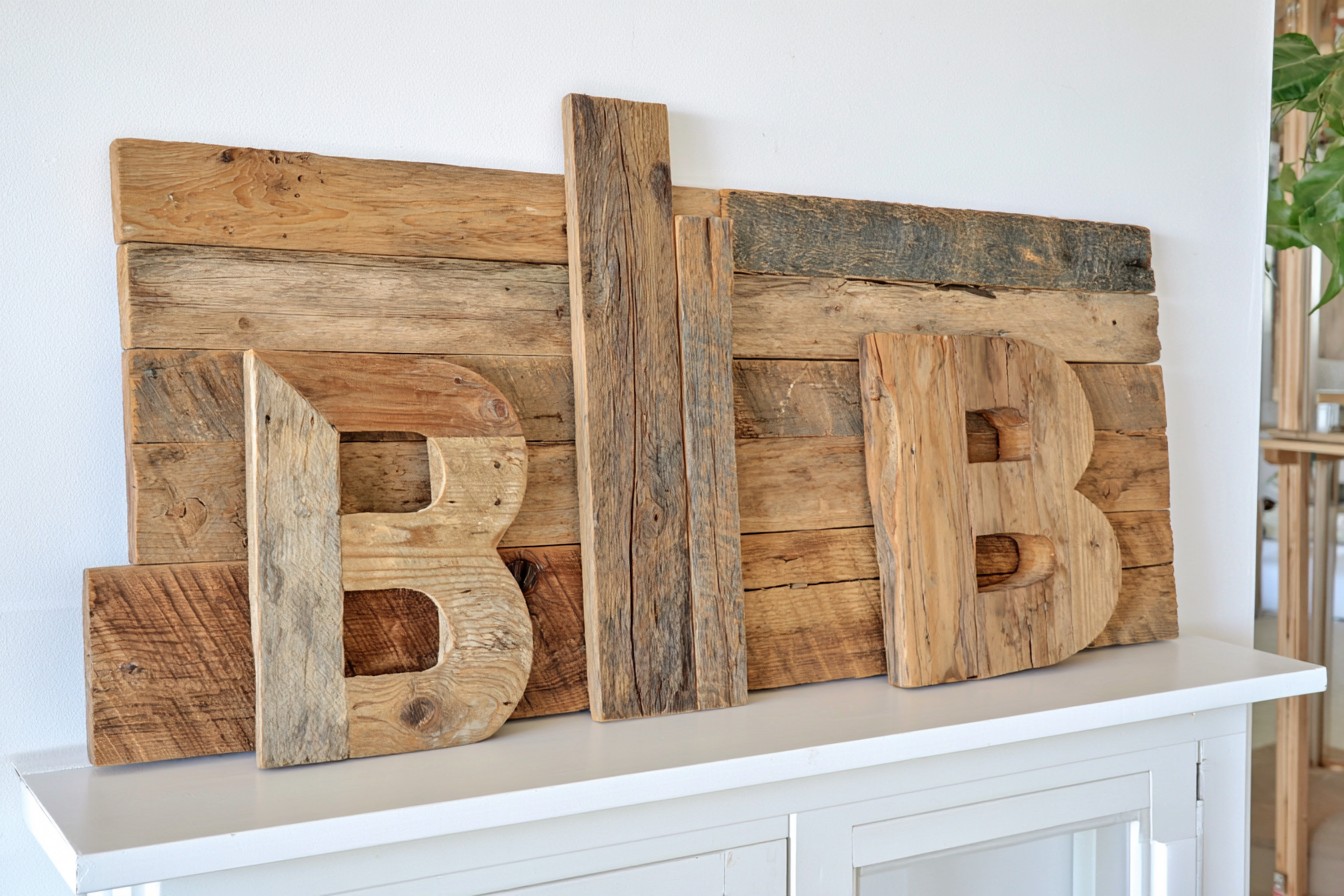
Personalized signs remain attractive products because customers can order names, dates, house numbers, or short messages for meaningful occasions. Join two or three reclaimed boards with narrow braces on the back, sand splinters, and preserve selected saw marks for texture. Apply a diluted paint wash or matte stain before adding the design with a stencil, paint marker, vinyl mask, or wood burning tool. Finish with clear protective varnish and attach suitable hanging hardware. Offer several standard sizes plus custom color choices. These signs can be marketed for entryways, weddings, nurseries, housewarmings, holiday displays, business interiors, local shops, and creative offices.
2. Rustic Picture Frames
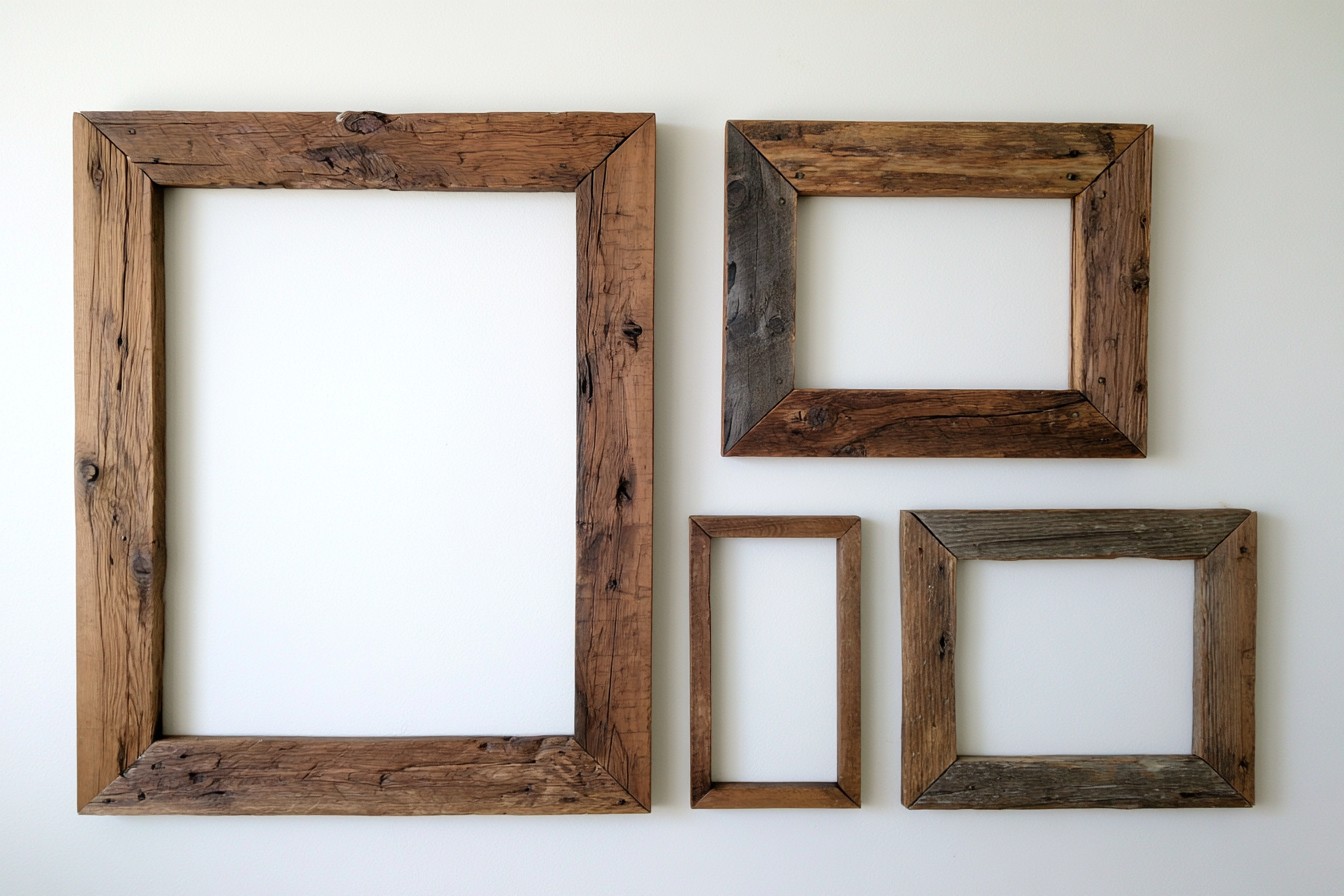
Picture frames use narrow offcuts efficiently and sell well as gifts throughout the year. Cut four reclaimed strips with forty five degree corners, dry fit them around the intended photo size, and join them with glue and reinforced splines or fasteners. Sand the inner edges carefully so they do not scratch the glass. A natural oil finish emphasizes aged grain, while whitewash or charcoal paint creates different decor options. Add glass, a backing board, flexible tabs, and either an easel stand or wall hanger. Sell common photo sizes individually, create gallery sets, or offer personalized engraving for weddings and anniversaries.
3. Floating Wall Shelves
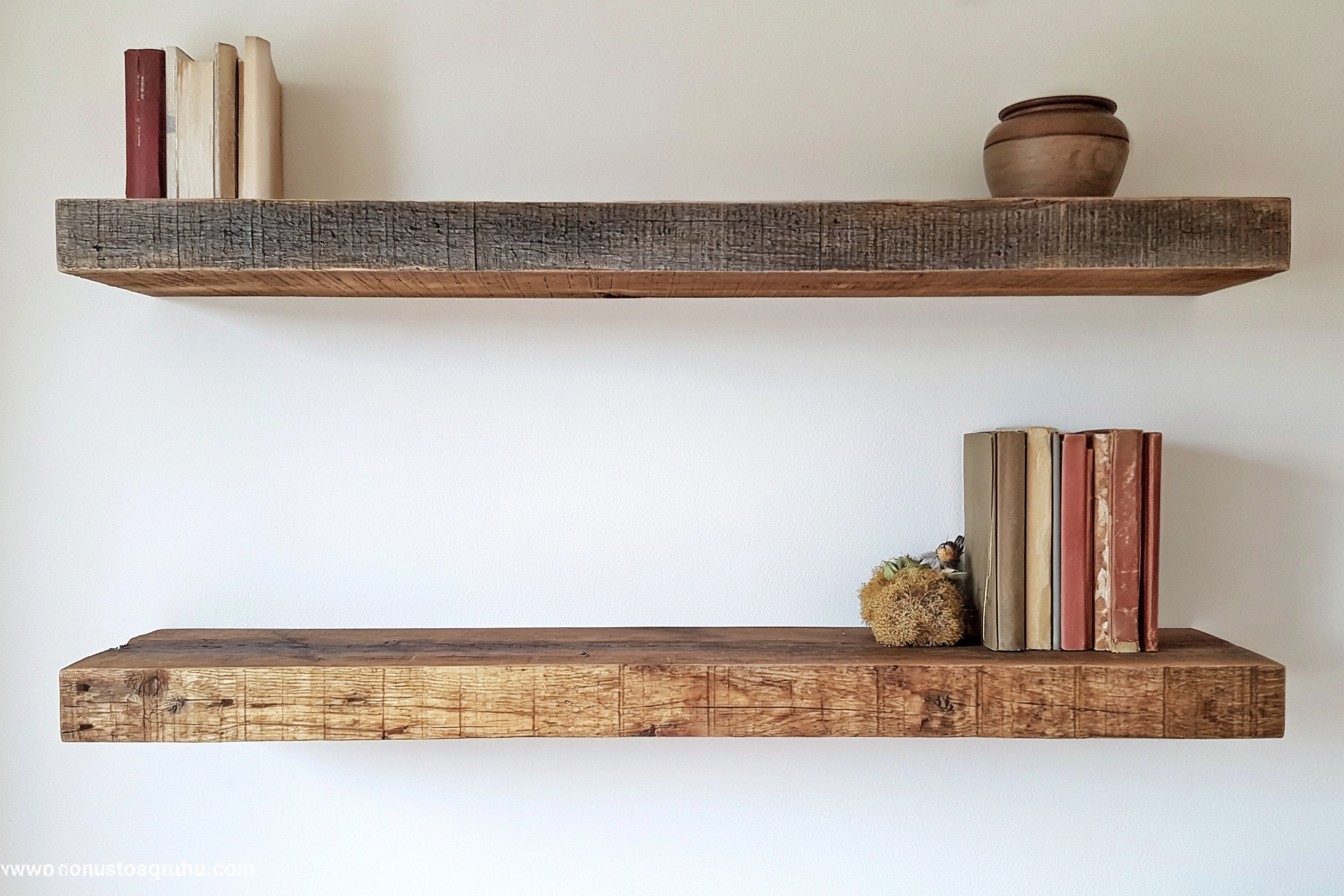
Floating shelves combine simple construction with demand from buyers needing attractive, space saving storage. Select straight boards with enough thickness to hide or support the chosen mounting system. Plane only the rear and underside when possible, preserving weathered character on the visible face. Cut consistent lengths, sand every edge, and seal the surface with matte polyurethane, hard wax oil, or tinted finish. Include tested brackets, anchors, and clear installation instructions with each order. Offer narrow bathroom shelves, medium kitchen versions, and deeper living room designs. Styled product photographs with books, pottery, or plants help customers understand scale and potential use.
4. Serving Trays
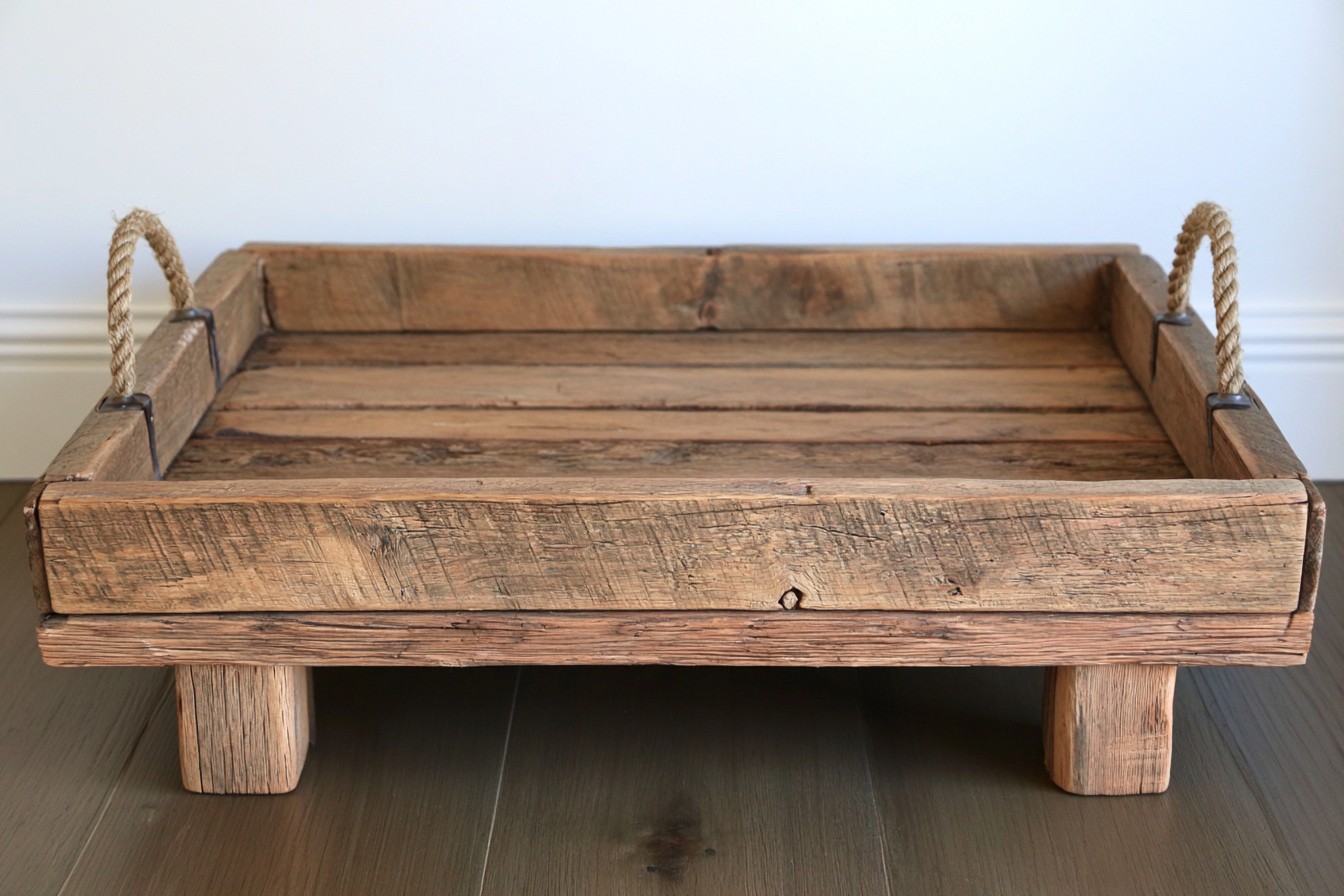
Serving trays are popular, practical, giftable, and easy to customize for different handmade decorating styles. Join several reclaimed slats over two supporting battens, keeping the base level so glasses remain stable. Add raised side rails and sturdy metal or rope handles, then round every frequently touched edge. Sand thoroughly and apply a washable finish suitable for occasional food contact, but advise customers to use plates rather than placing food directly on uncertain salvaged timber. Decorate with contrasting wood strips, geometric inlays, or a subtle paint wash. Offer breakfast, coffee table, and ottoman sizes for housewarmings, weddings, and seasonal gift collections.
5. Planter Boxes
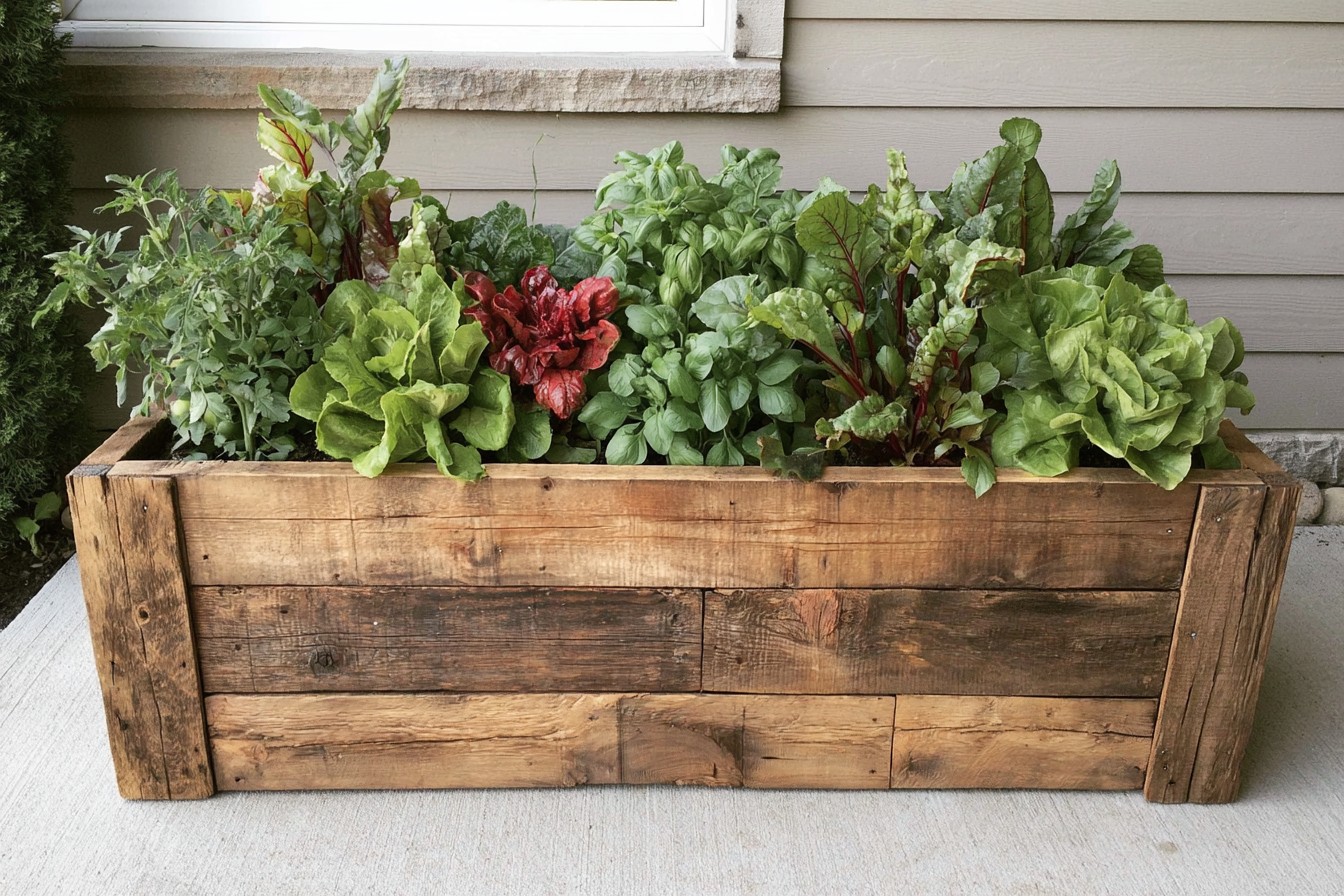
Reclaimed wood planter boxes attract gardeners, apartment residents, and buyers seeking natural outdoor decor. Cut four sides and a base from boards of similar thickness, then assemble them with exterior screws and waterproof glue. Drill drainage holes and add a liner so damp soil does not sit directly against salvaged surfaces. Smooth the rim, reinforce long boxes at the center, and coat the exterior with garden safe sealer. Sell compact herb boxes, rectangular window planters, or taller porch containers. Seasonal color options and optional metal feet can broaden the range, while flat packed versions may reduce storage and shipping costs.
6. Wooden Coat Racks
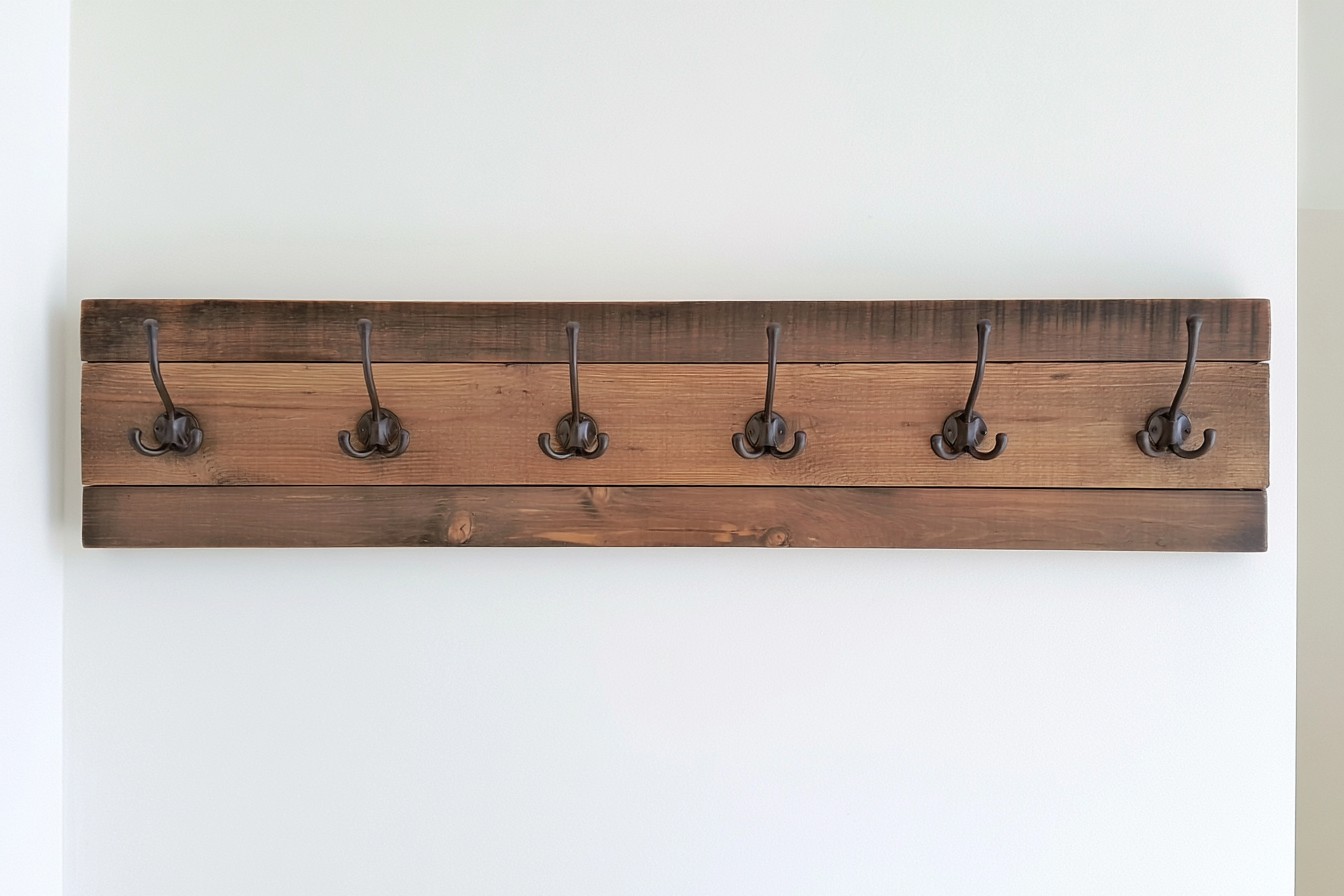
Wall mounted coat racks require little material yet offer everyday usefulness. Choose a reclaimed board with attractive grain, remove hidden nails, and cut it to a repeatable length. Sand the front lightly, ease the corners, and finish it with oil, stain, or matte paint. Space sturdy hooks evenly, checking that screws do not protrude through the back. Add concealed keyhole hangers or a French cleat rated for the expected load. Vary the hardware to create farmhouse, industrial, coastal, or minimalist collections. Smaller racks suit keys and towels, while longer versions can be marketed for entryways, mudrooms, bedrooms, and guest spaces.
7. Wood Coaster Sets
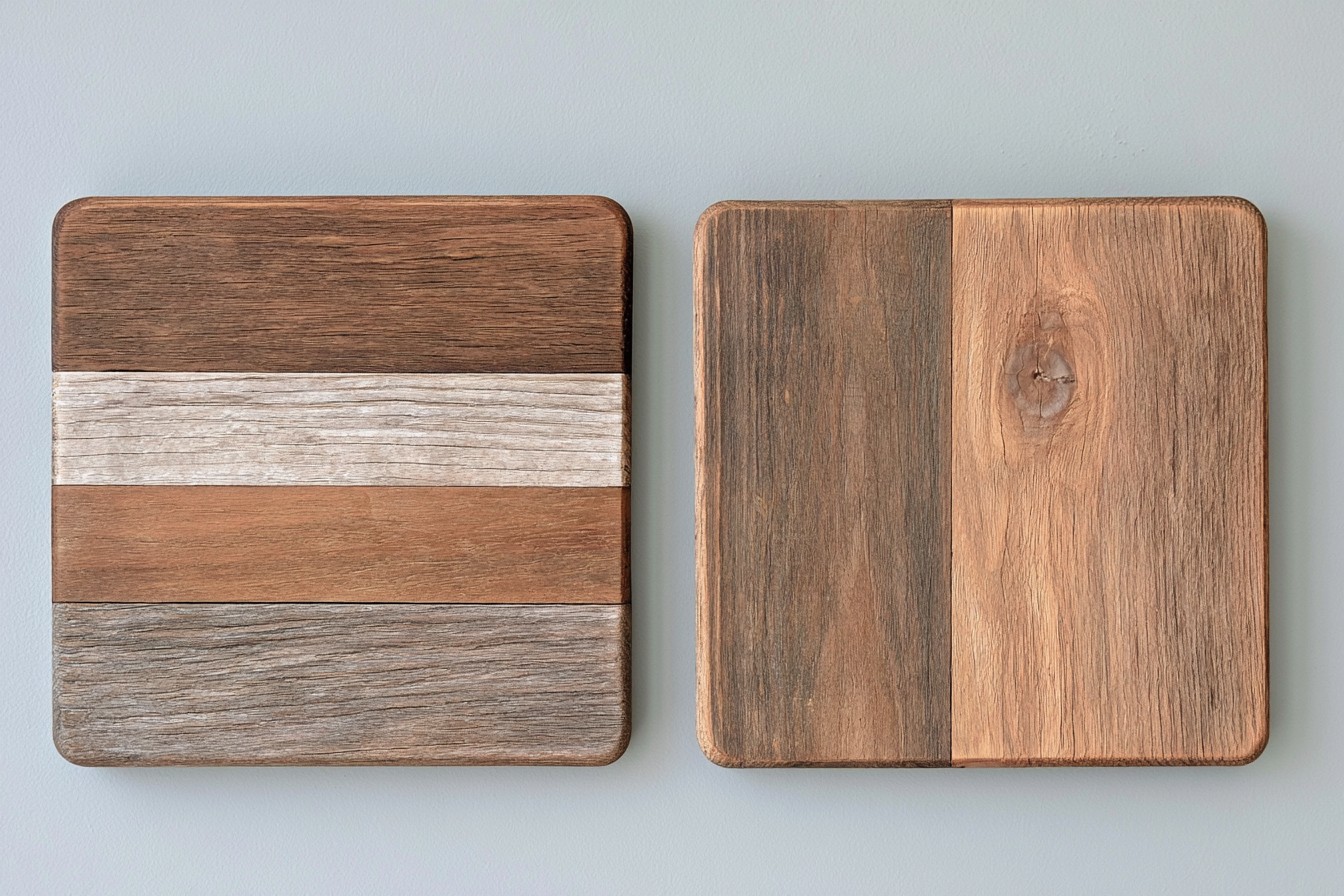
Coaster sets turn short scraps into products that are easy to batch, package, and ship. Cut squares or circles to consistent dimensions, sand both faces flat, and soften every corner. Combine different reclaimed species for striped sets or decorate pieces with burned geometric patterns, subtle paint blocking, or resin filled knots. Seal the wood against condensation using several thin coats of a water resistant finish. Add cork or felt beneath each coaster to protect furniture. Package sets of four or six with a holder made from matching offcuts. They work well as hostess gifts, market add ons, and corporate orders.
8. Tabletop Risers
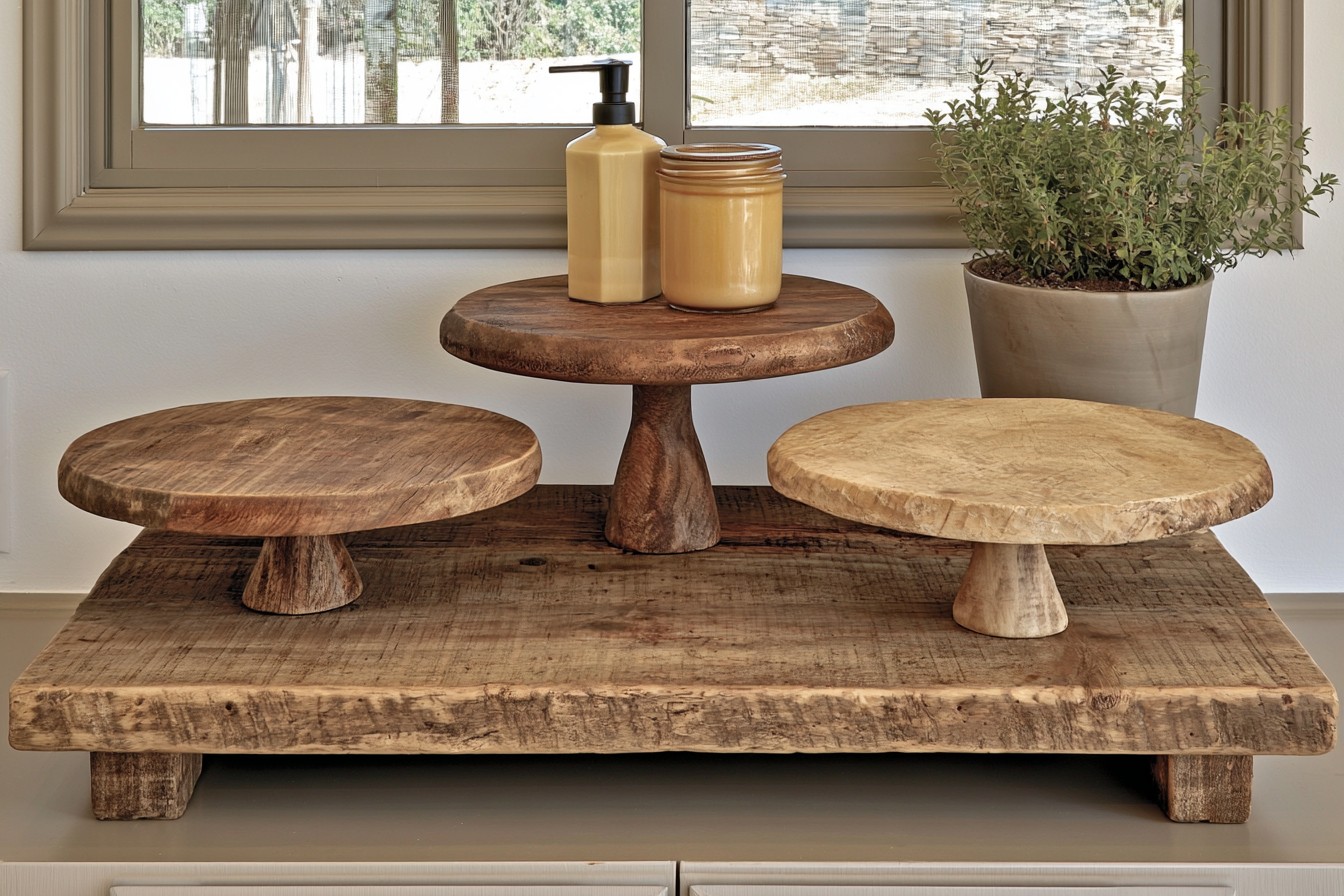
Small tabletop risers are quick to build and popular for styling kitchens, bathrooms, and seasonal displays. Cut a thick reclaimed board into a rectangle, oval, or handled shape, then sand the top until decorative objects will sit steadily. Attach short block feet underneath with glue and countersunk screws, checking that all four points remain level. Preserve the natural finish or offer painted edges, distressed whitewash, and dark stain alternatives. These risers can elevate soap dispensers, jars, potted herbs, or collected objects. Producing coordinated sets in two or three sizes encourages larger orders and creates attractive bundled listings for online customers.
9. Entryway Organizers
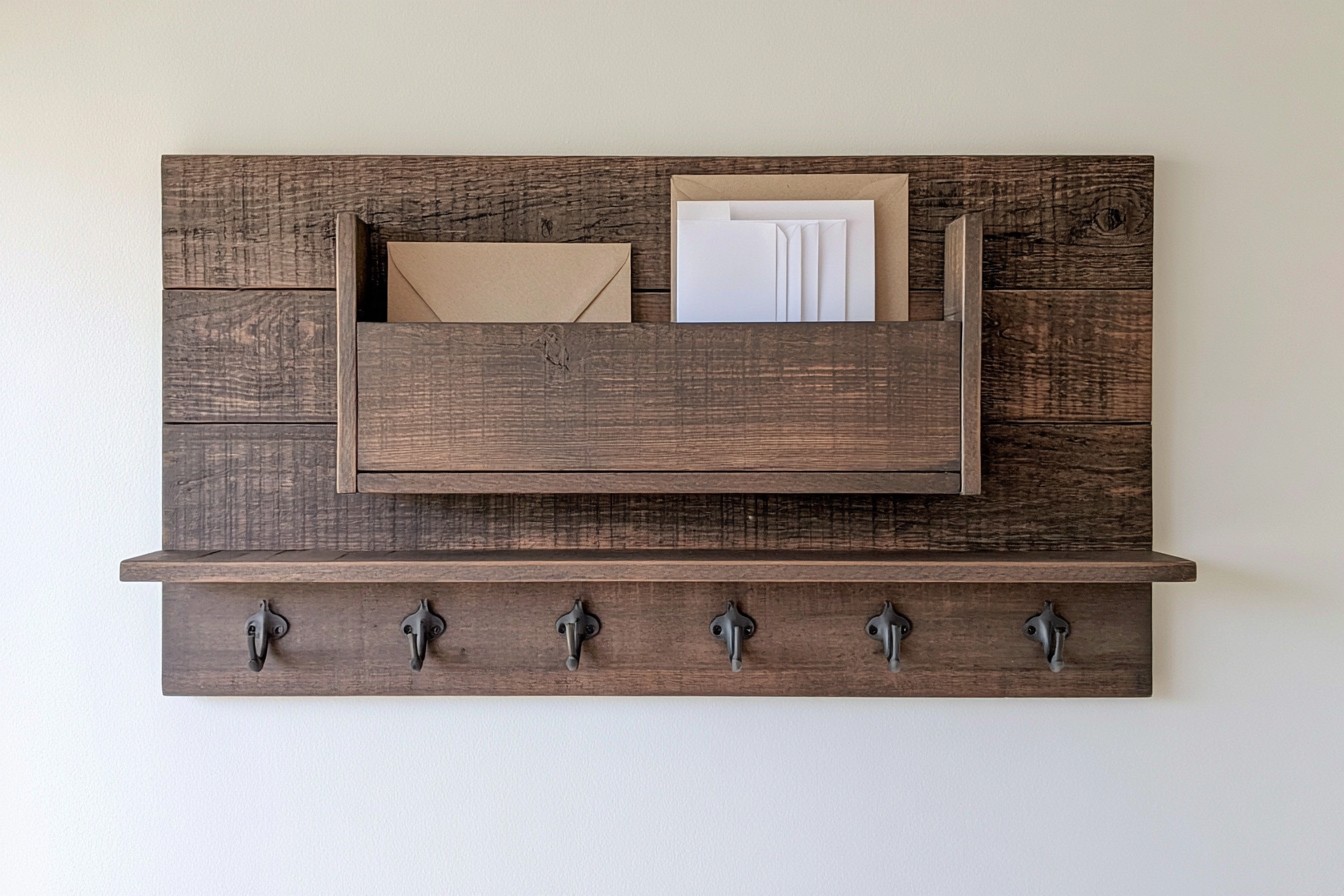
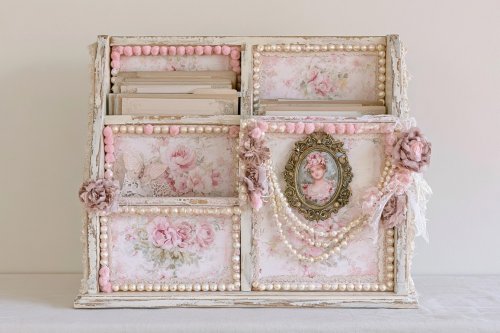
Combine a key rack, mail pocket, and narrow shelf into one entryway organizer. Begin with a sturdy reclaimed backboard, then attach a shallow wooden box for envelopes and a slim ledge for small belongings. Install several hooks along the lower edge and verify that every joint can withstand repeated use. Sand contact points while preserving textured sections elsewhere. Matte black hardware creates an industrial look, whereas brass or ceramic hooks feel more traditional. Offer optional personalized details or different pocket configurations. This functional product appeals to households with limited space and photographs effectively when styled with keys, sunglasses, and envelopes.
10. Reclaimed Wood Clocks
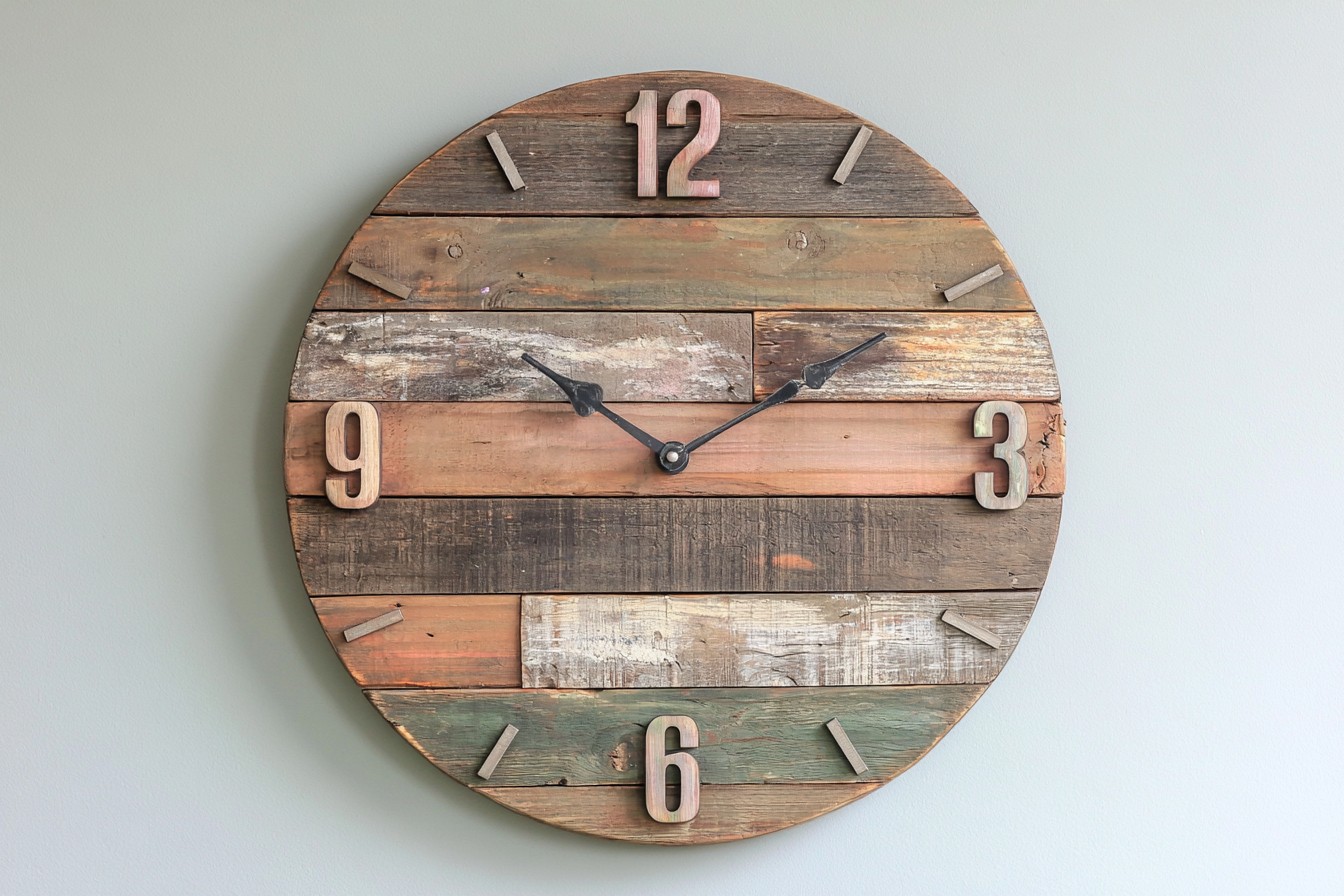
Wooden wall clocks balance decoration with function and can be made in many recognizable styles. Join reclaimed slats behind a round, square, or hexagonal template, then cut the outline with a jigsaw. Sand the perimeter, locate the exact center, and drill an opening for a reliable quartz mechanism. Use painted markers, small metal numbers, or minimalist lines, making sure the hands remain clearly visible against the grain. Reinforce the back and add secure hanging hardware. Offer silent mechanisms for bedrooms and offices. Clocks photograph well, allow multiple color collections, and provide enough surface area for tasteful personalization or contrasting inlay.
11. Compact Side Tables
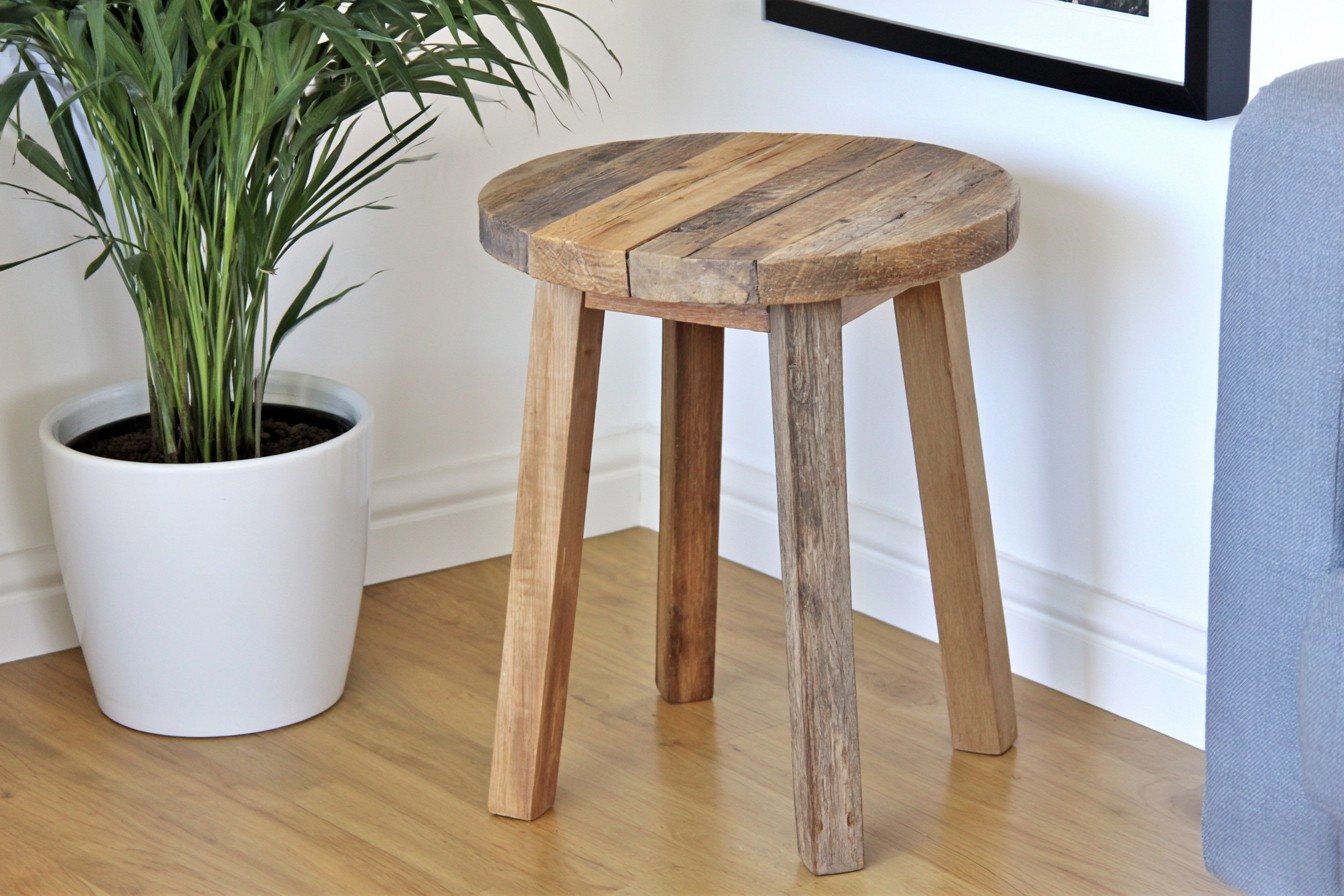
Compact side tables command higher prices while remaining manageable for local sales and collection. Build a square or round top from joined reclaimed planks, using biscuits, dowels, or battens to maintain alignment. Sand it flat without removing every aged mark, then attach sturdy wooden legs or a powder coated metal base. Check the table on a level surface and correct any rocking before finishing. Hard wax oil provides a natural appearance, while tinted stain suits more polished interiors. Offer sofa, bedside, and plant stand heights. Clear dimensions and styled room photographs help buyers choose confidently and reduce questions before purchase.
12. Coffee Tables
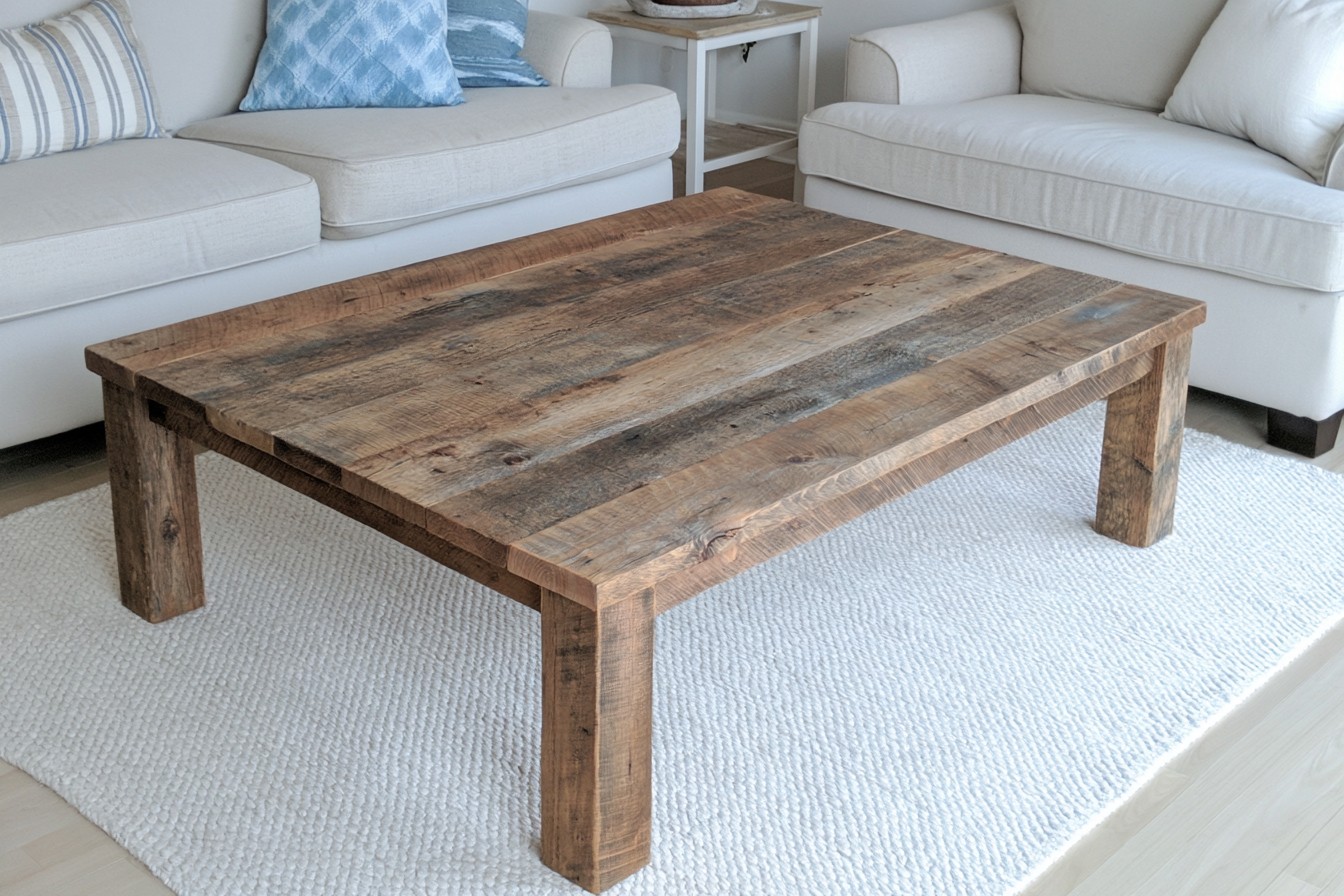
A reclaimed wood coffee table showcases larger boards and can become a signature product for local customers. Select structurally sound timber, arrange the grain before joining the top, and reinforce the underside with battens that allow natural wood movement. Build legs or pair the surface with a welded metal frame. Round exposed corners, fill unstable cracks, and sand until the tabletop feels comfortable underhand. Apply several coats of durable furniture finish and test the completed piece for stability. Offer custom dimensions, shelf options, or mixed wood patterns. Local delivery avoids expensive shipping and allows customers to appreciate the material directly.
13. Wooden Mirror Frames
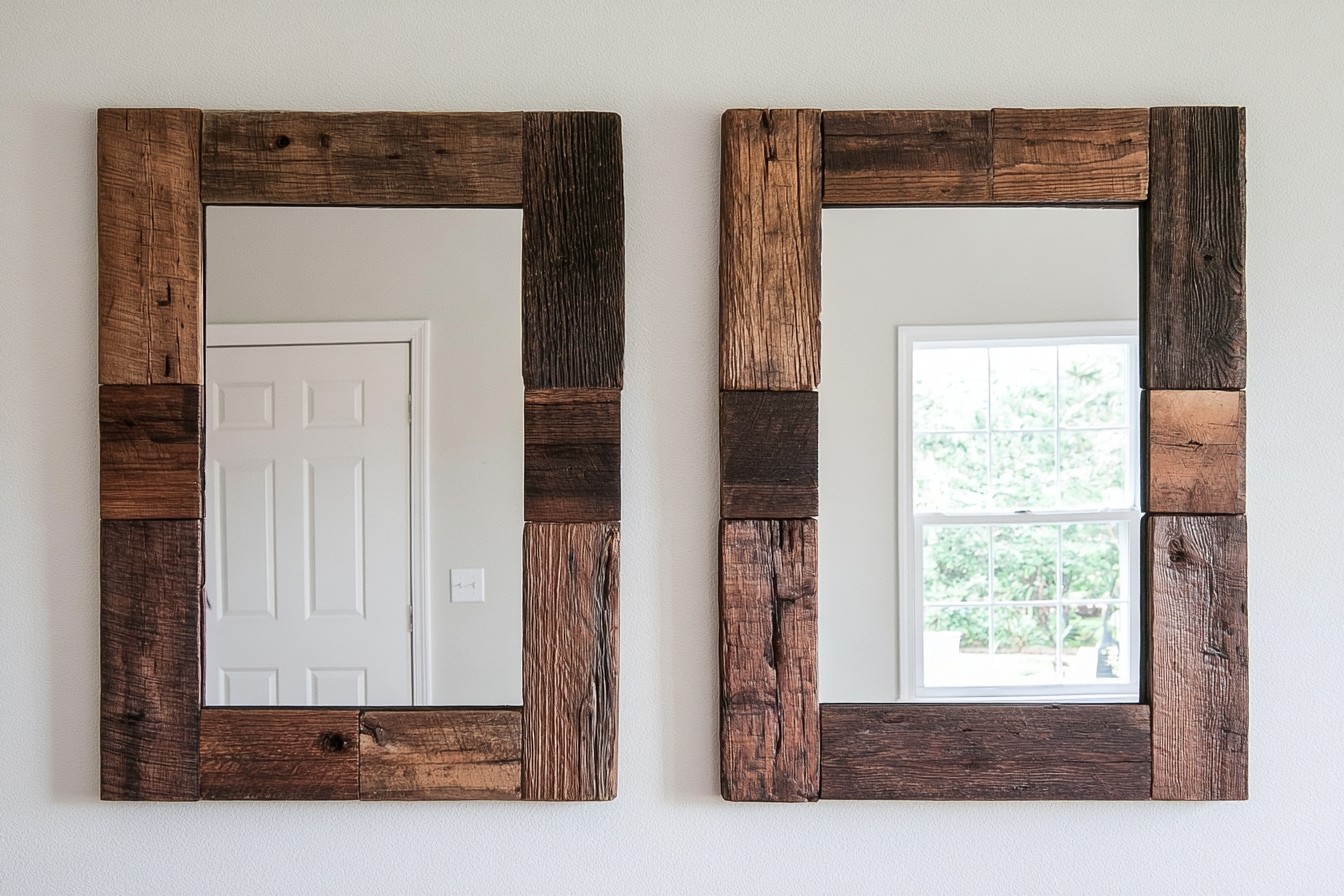
Mirror frames transform ordinary glass into distinctive statement decor and suit both rustic and contemporary interiors. Measure the mirror with precision, then cut four reclaimed boards with mitered or straight lap joints. Rout a shallow recess on the back so the glass sits securely without extending beyond the frame. Join the corners, reinforce them, and finish the visible wood before installing the mirror, backing, and heavy duty hanging system. Alternating board tones can create a patchwork effect, while one consistent stain feels restrained. Offer vanity, entryway, and full length formats, but calculate protective packaging carefully when selling fragile versions online.
14. Blanket Ladders
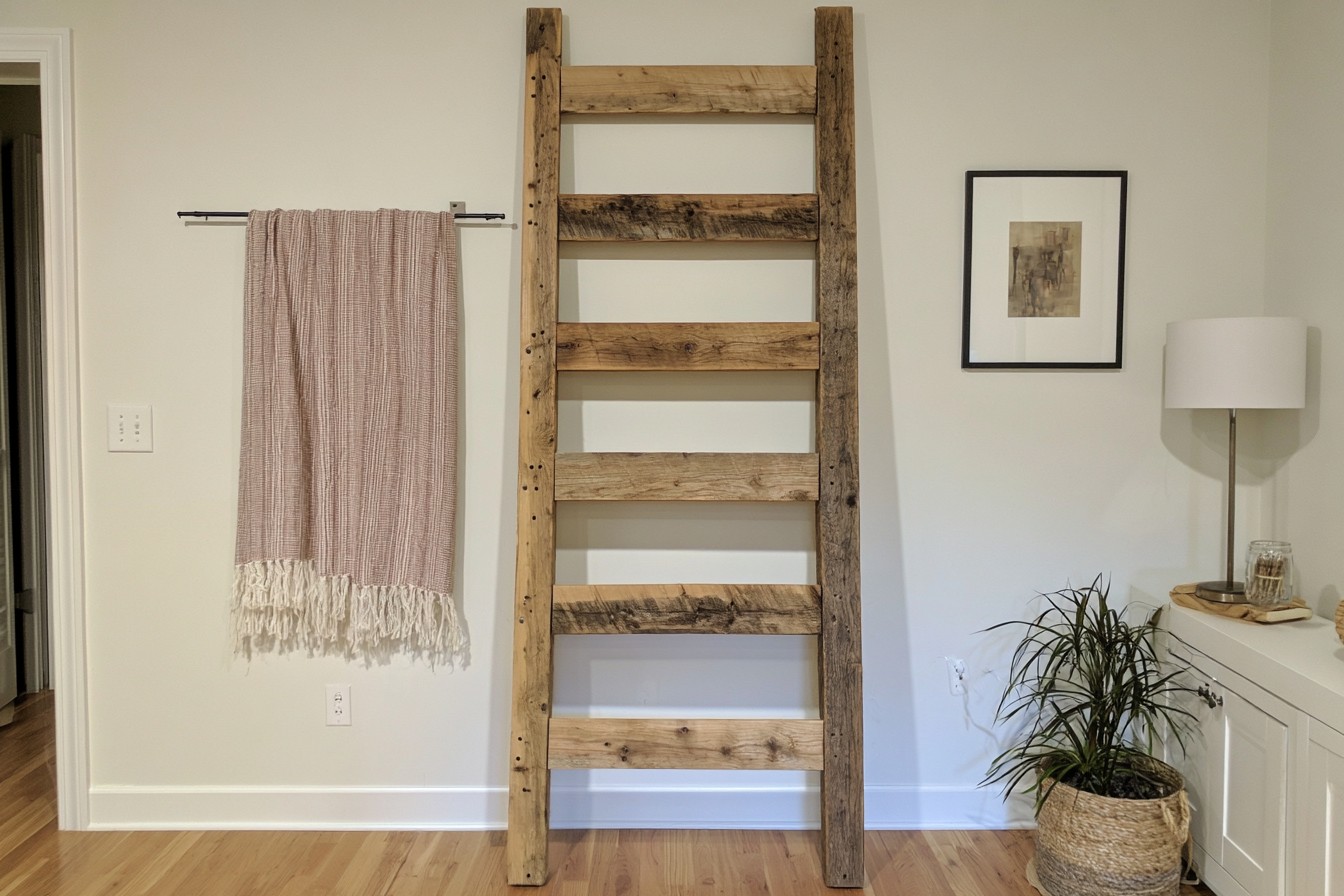
Blanket ladders require straightforward joinery and make useful display pieces for bedrooms and living rooms. Choose two long, stable reclaimed rails and cut four or five matching rungs. Mark equal spacing, drill pocket holes or shallow mortises, and assemble the ladder securely with glue and screws. Angle the lower ends so the finished piece rests securely against a wall, then sand every contact point to protect fabrics. Finish with clear oil, warm stain, or a soft paint wash. Provide felt pads for the top and bottom. Buyers can use these ladders for throws, towels, quilts, scarves, or market display textiles.
15. Wine Storage Racks
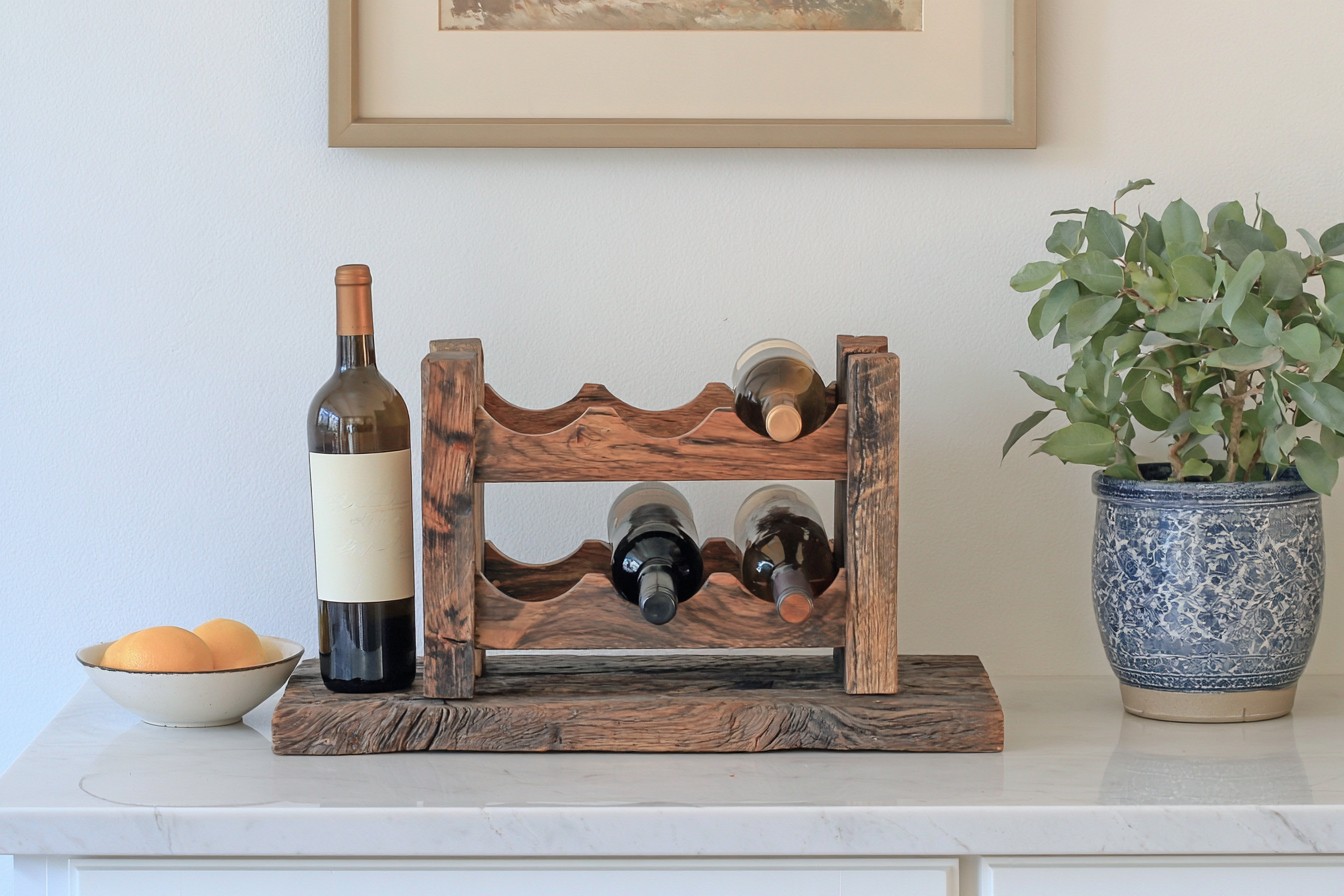
Wine racks offer practical storage and appeal to customers shopping for housewarming or anniversary gifts. Construct a tabletop rack from reclaimed boards with evenly spaced curved supports, or build a wall mounted version using secure metal bottle holders. Measure standard bottle diameters carefully and test the finished layout before applying stain. Sand every opening so glass cannot touch sharp wood, reinforce mounting points, and include suitable hardware. Dark oil creates a sophisticated finish, while weathered gray suits relaxed kitchens. Optional stemware storage or personalized end panels can increase value. Photograph the rack filled so buyers understand capacity, orientation, and scale.
16. Jewelry Display Stands
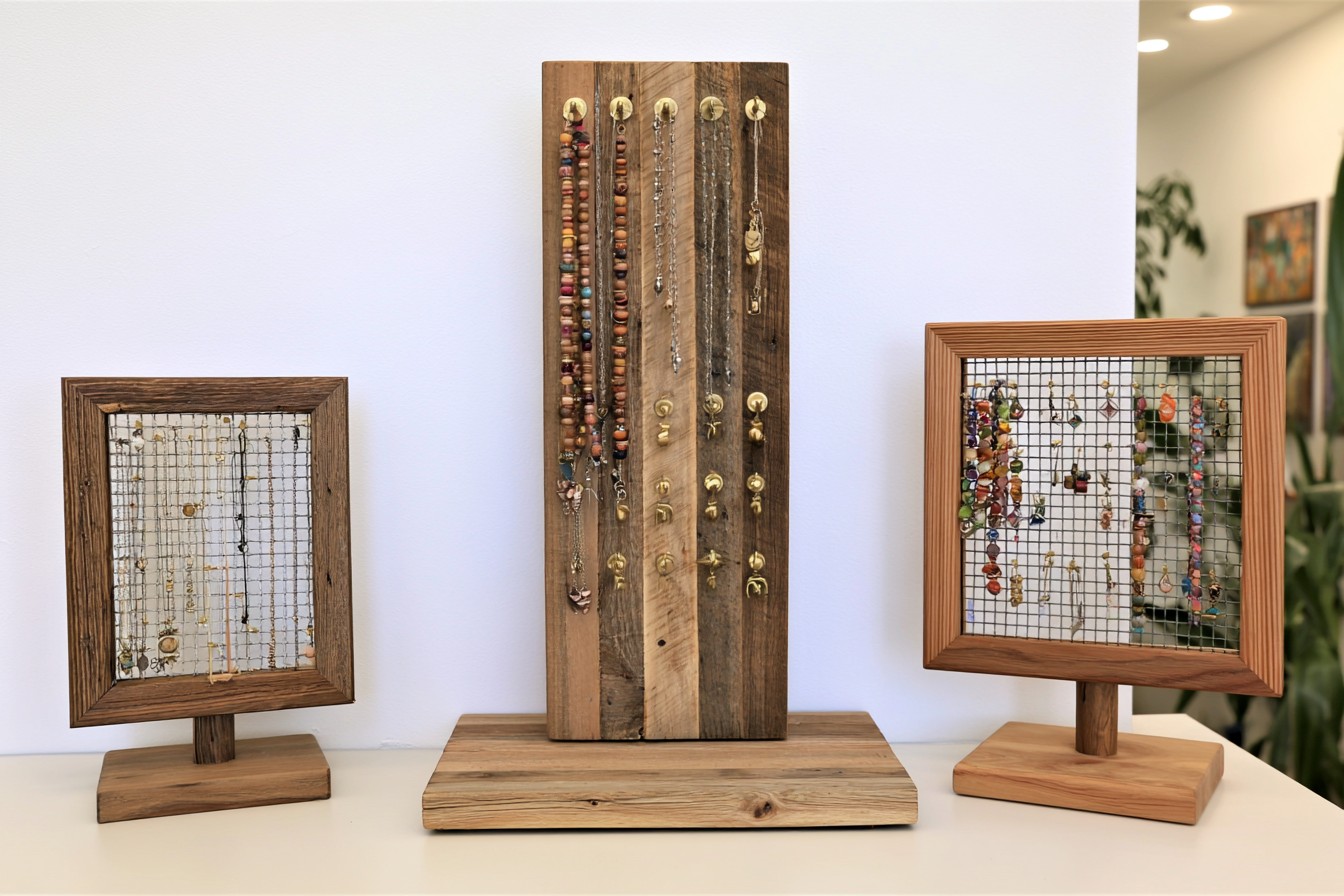
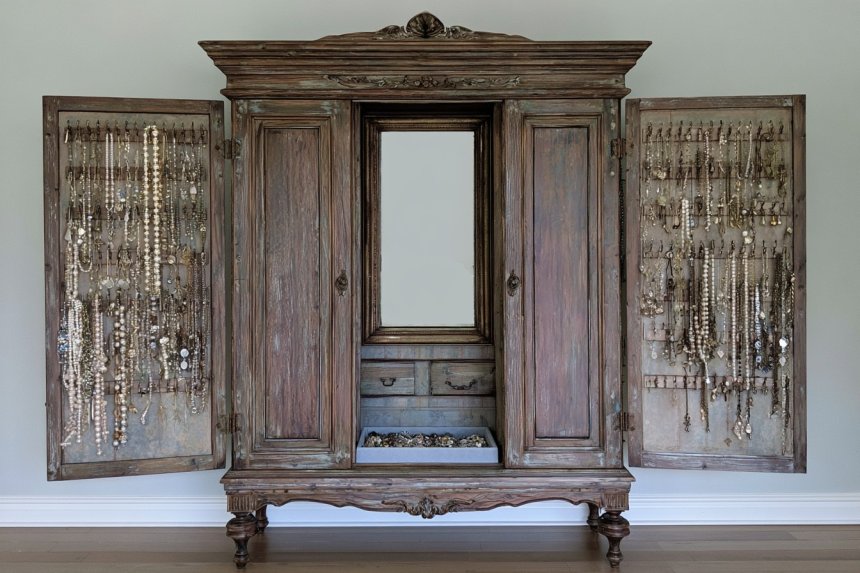
Jewelry displays can be produced efficiently from compact reclaimed boards and sold to homeowners, boutiques, or market vendors. Mount a narrow plank vertically on a stable base, then add rows of brass hooks, wooden pegs, or wire mesh for necklaces and earrings. Sand the base carefully so it sits flat and round every exposed corner. Natural wood creates contrast with colorful jewelry, although painted borders can coordinate with specific interiors. Offer tabletop, wall mounted, and rotating versions in several sizes. Product photographs should demonstrate capacity without overcrowding. Custom layouts can serve collectors, jewelry makers, dressing rooms, and small retail counters.
17. Raised Pet Feeders
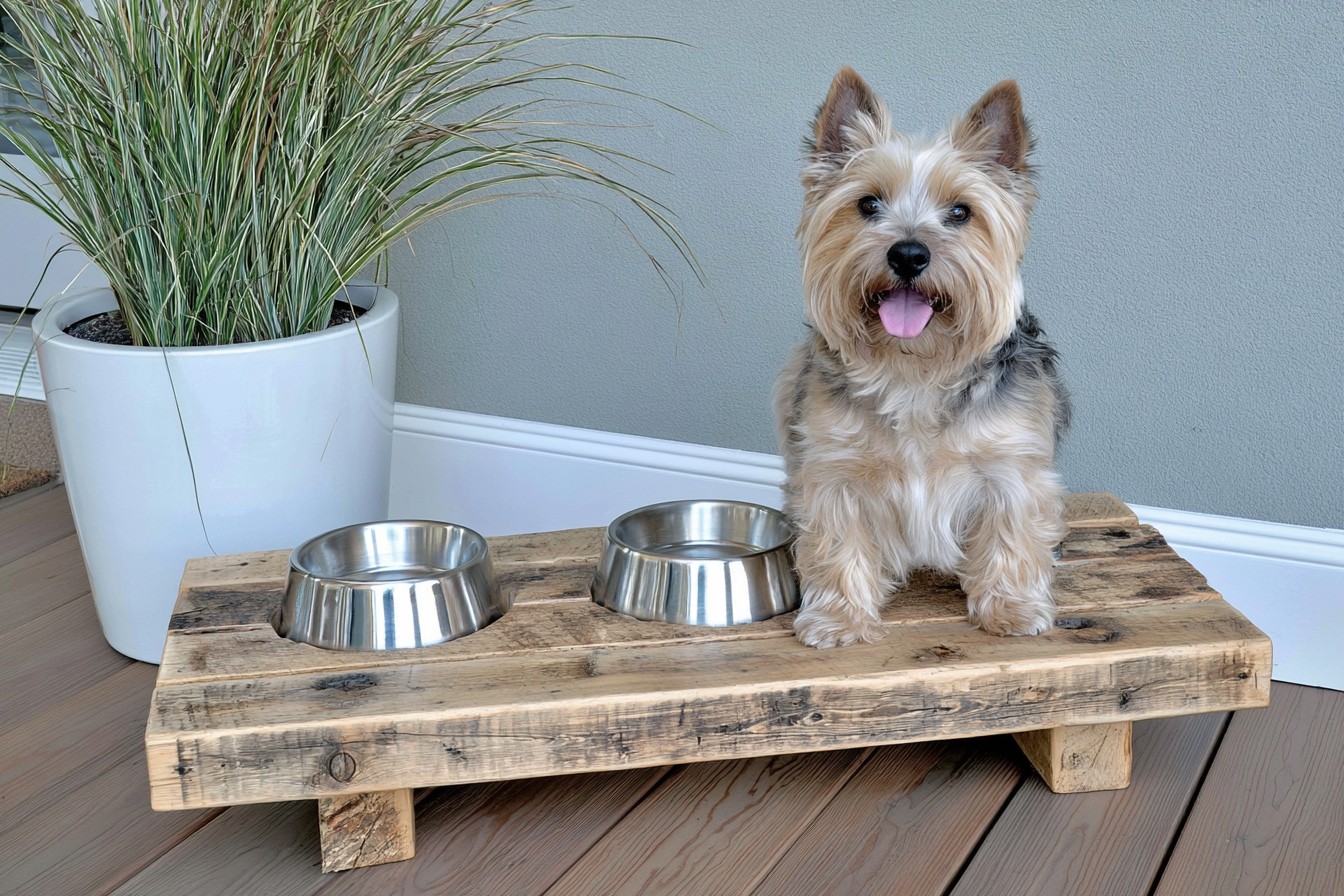
Raised pet feeders combine furniture styling with a practical product category. Build a low rectangular stand from reclaimed boards, then trace and cut two openings sized for removable stainless steel bowls. Reinforce the underside, smooth every edge, and test the height for the intended pet size. Because spills are inevitable, seal the entire piece with multiple coats of water resistant, pet safe finish. Add nonslip feet and ensure no old paint or treated timber remains accessible. Offer single and double bowl versions for small, medium, and large pets. Personalized colors or simple name details can make the feeder more giftable.
18. Garden Birdhouses
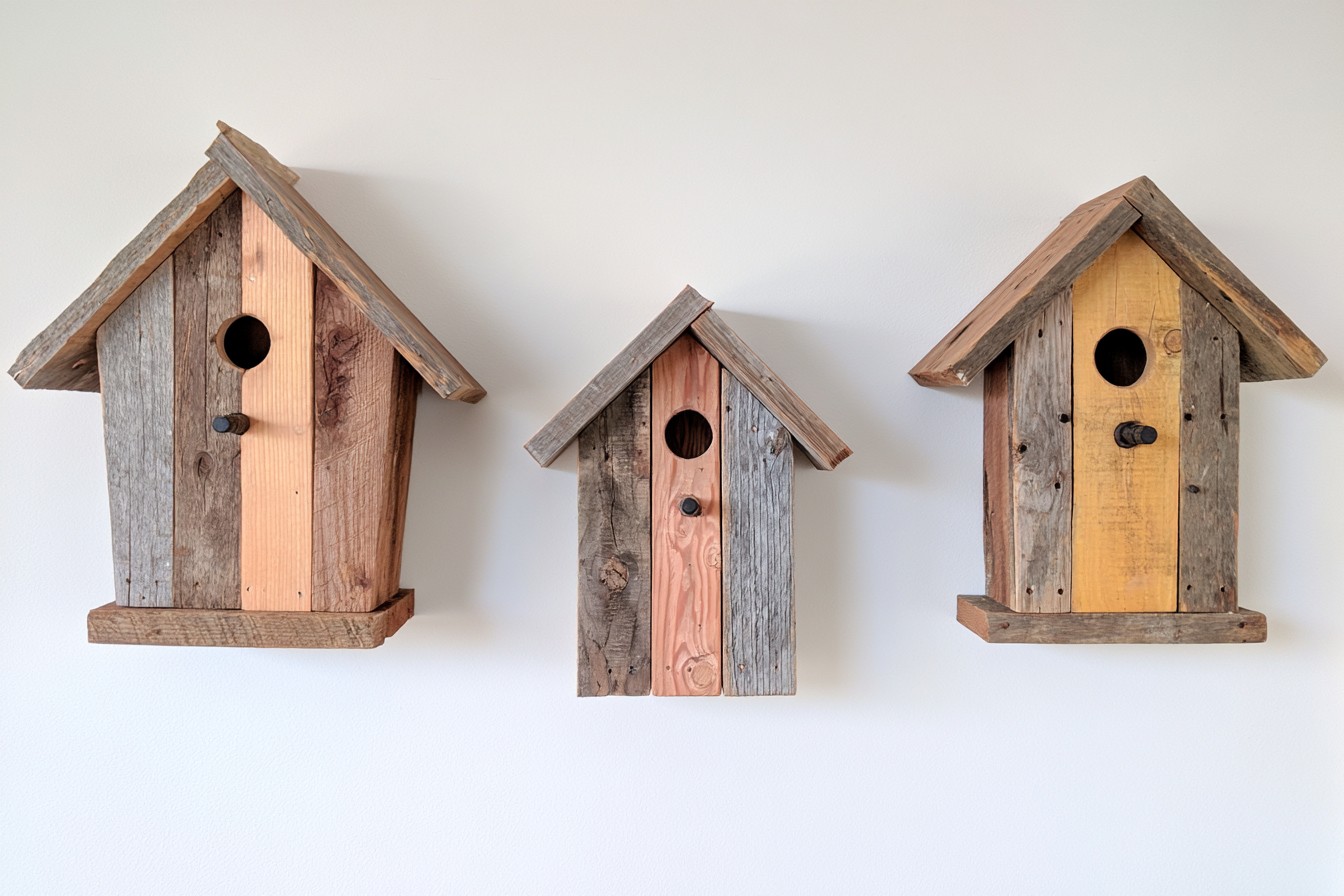
Birdhouses use modest amounts of timber and sell especially well during spring markets. Select untreated reclaimed boards, then follow dimensions appropriate for the intended local bird species. Cut the front, back, sides, base, and sloped roof accurately, adding drainage and ventilation holes before assembly. Avoid decorative perches that may help predators, and leave the interior rough enough for young birds to climb. Fasten one panel so it opens for seasonal cleaning. Finish only the exterior with wildlife safe paint or sealer. Offer natural, cottage, and modern roof styles for small local garden centers, outdoor markets, housewarming gifts, or nature enthusiasts.
19. Geometric Wall Art
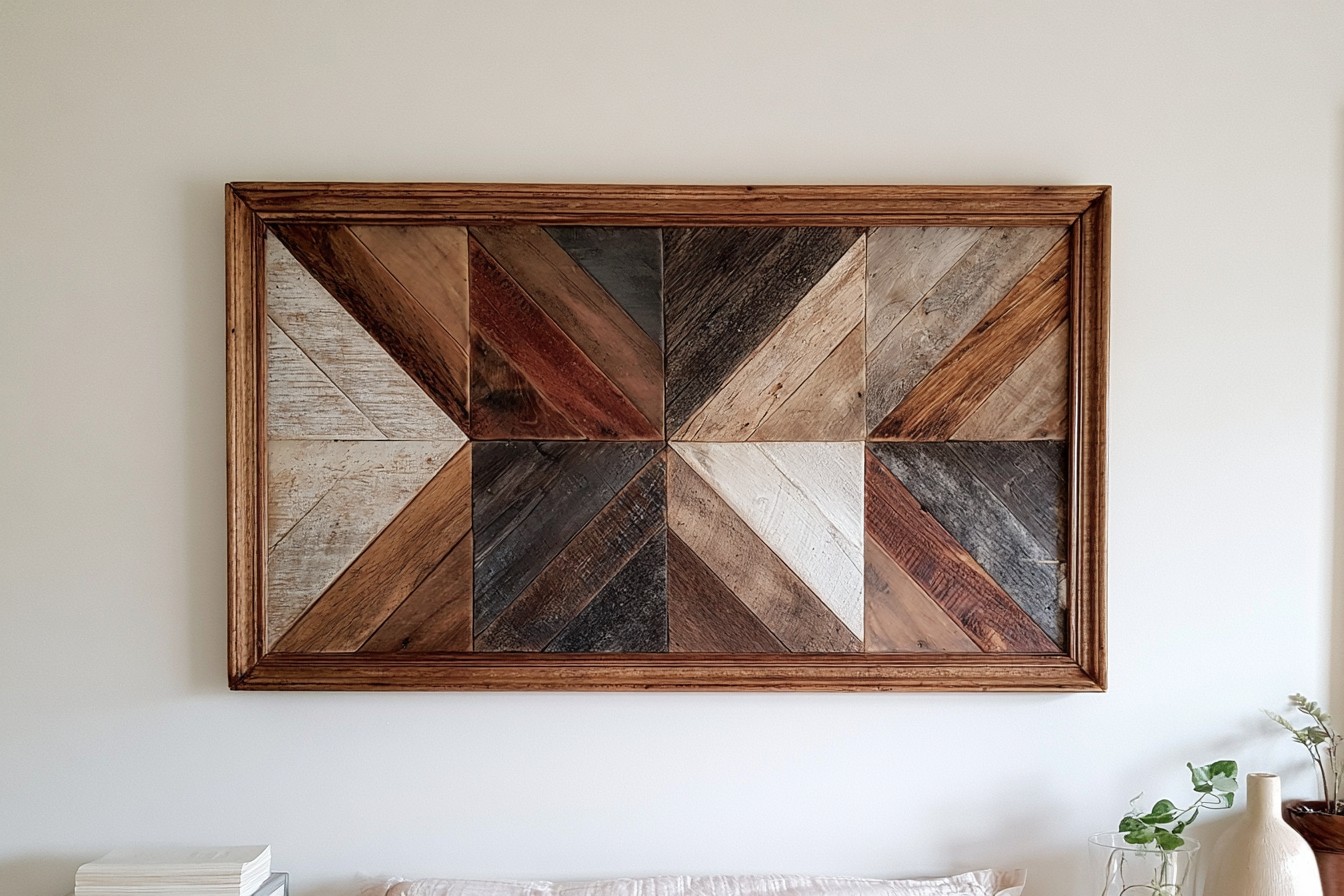
Geometric wall art turns mixed offcuts into high impact decor with excellent customization potential. Cut reclaimed strips into triangles, diamonds, or angled blocks using a reliable stop for consistent sizing. Test the arrangement on a plywood backing, balancing natural grain with painted or stained sections. Glue each piece securely, trim the outer perimeter, and finish the edges with a simple wooden frame. Add hanging hardware suitable for the completed weight. Create neutral designs for broad appeal and limited color collections for seasonal launches. Offering several standard dimensions helps batch production, while custom palettes can attract interior designers, offices, and homeowners.
MORE IDEAS


Share
What's Your Reaction?
 Like
0
Like
0
 Dislike
0
Dislike
0
 Love
0
Love
0
 Funny
0
Funny
0
 Angry
0
Angry
0
 Sad
0
Sad
0
 Wow
0
Wow
0