14 DIY Liquor Cabinet Ideas for Stylish Home Storage

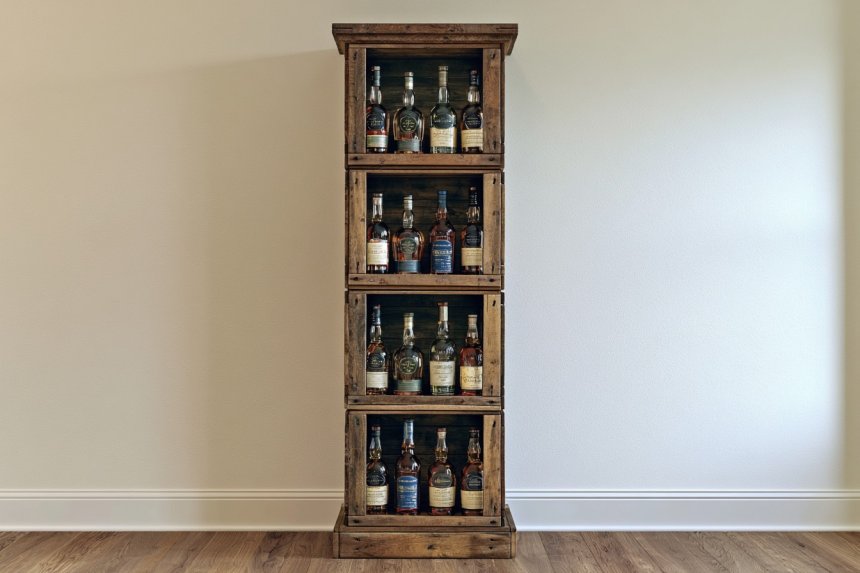
A thoughtfully designed liquor cabinet can turn an ordinary storage area into an attractive feature while keeping bottles, glassware, and bar accessories organized. DIY versions offer much more flexibility than ready made furniture because you can choose dimensions, materials, finishes, and storage features that fit your room perfectly. Repurposed furniture, plywood constructions, compact wall cabinets, and rustic wood designs can all become practical home bars with a little creativity. The best approach combines secure bottle storage with accessible shelves and an appealing exterior. These DIY liquor cabinet ideas explore different styles, construction methods, decorating approaches, and space saving solutions for creating personalized beverage storage at home.
1. Transform an Old Dresser into a Liquor Cabinet
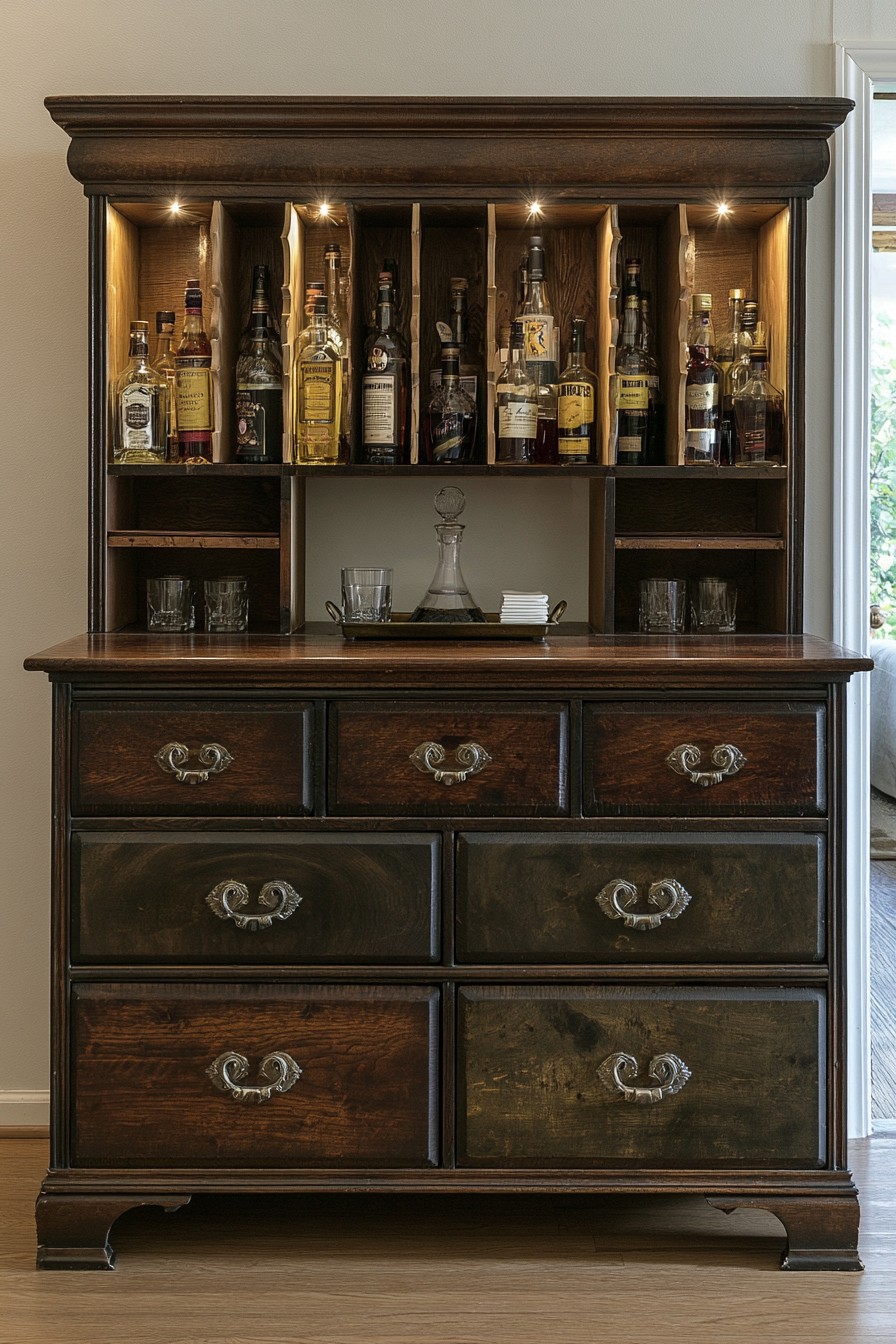
Give an outdated dresser a completely different purpose by converting it into a practical home liquor station. Start by removing several upper drawers and reinforcing the exposed compartments with plywood to create open shelves. Keep lower drawers for bottle openers, cocktail tools, napkins, and other accessories. Sand the exterior before applying wood stain or durable furniture paint that complements your room. Inside each compartment, add removable shelf liners to protect the surface from spills. Decorative metal handles can refresh the appearance without requiring major construction. Place bottles vertically in taller compartments while using remaining shelves for glasses, decanters, trays, and frequently used mixing supplies.
2. Build a Rustic Reclaimed Wood Liquor Cabinet
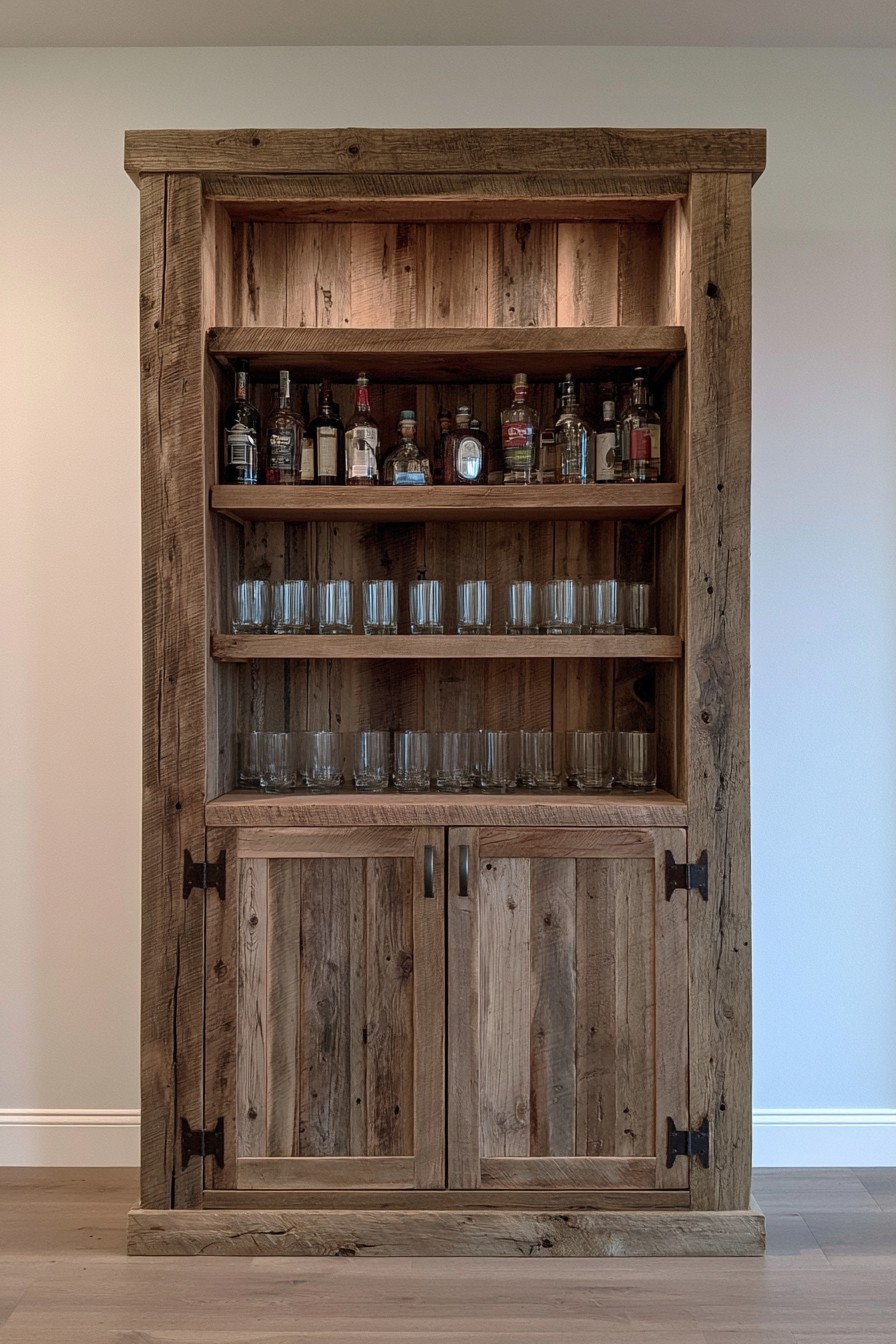
Reclaimed wood gives a handmade liquor cabinet natural character through its knots, grain variation, and weathered texture. Select straight, structurally sound boards and remove old nails before cutting them to size. Construct a simple rectangular frame, reinforce the corners, and add several interior shelves according to bottle height. Leaving some imperfections visible helps preserve the rustic appearance, but every surface that will be touched should still be sanded smoothly. Finish the wood with clear oil, wax, or matte varnish. Dark metal hinges and handles pair particularly well with aged timber. This cabinet works beautifully in farmhouse dining rooms, rustic kitchens, or casual entertaining spaces.
3. Create a Compact Wall Mounted Liquor Cabinet
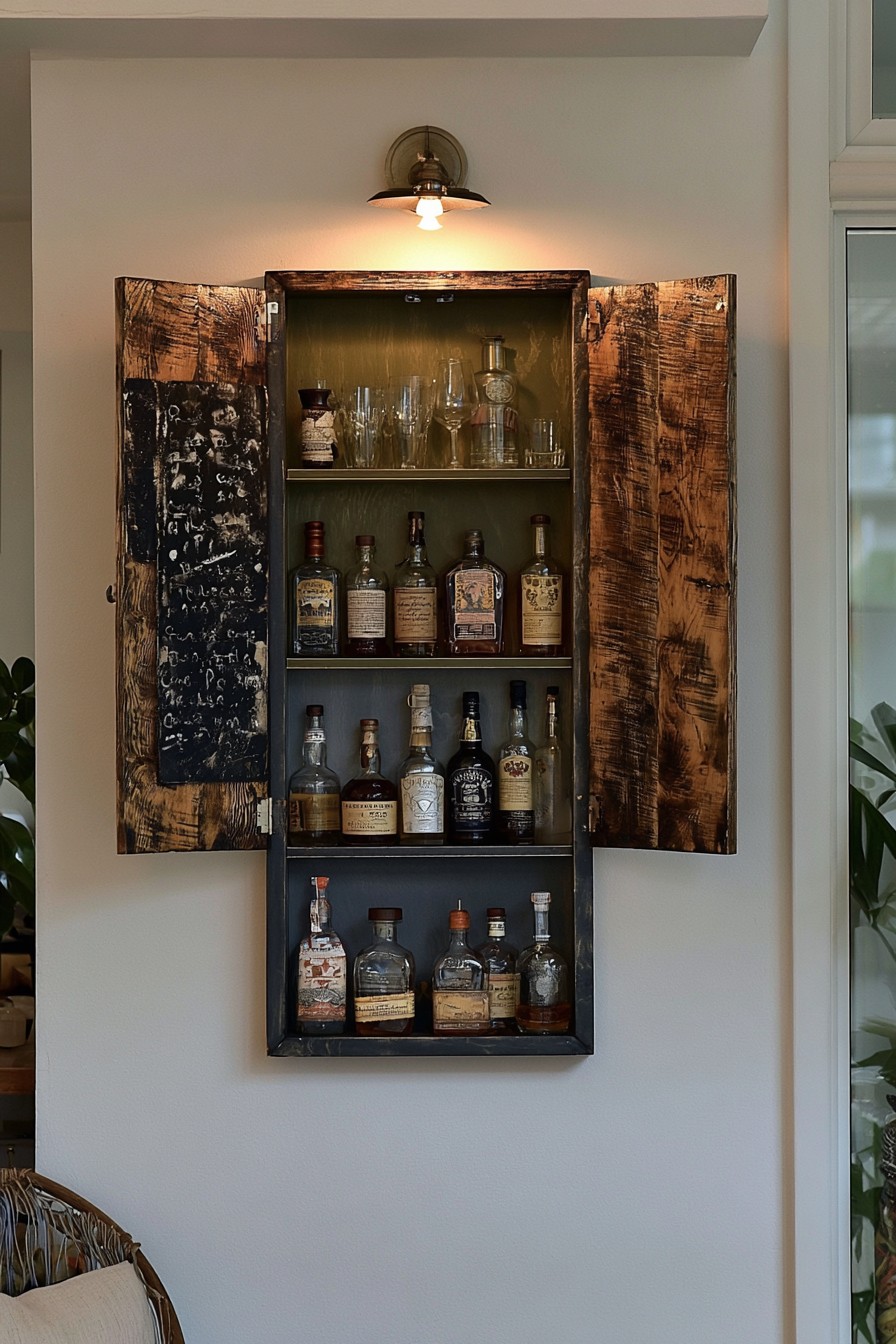
Wall mounted cabinets are especially useful when floor space is limited. Build a shallow plywood box deep enough to accommodate standard bottles and attach sturdy interior shelves using screws or wooden supports. Because liquor bottles can be heavy, secure the completed cabinet directly into wall studs whenever possible. Add simple hinged doors for concealed storage or leave part of the cabinet open for decorative glassware. A contrasting interior finish can make the design more visually interesting when the doors are opened. Position frequently used bottles on the lowest shelf for convenient access. This compact project suits apartments, dining corners, kitchens, and smaller entertainment areas.
4. Repurpose a Vintage Bookcase into a Home Bar
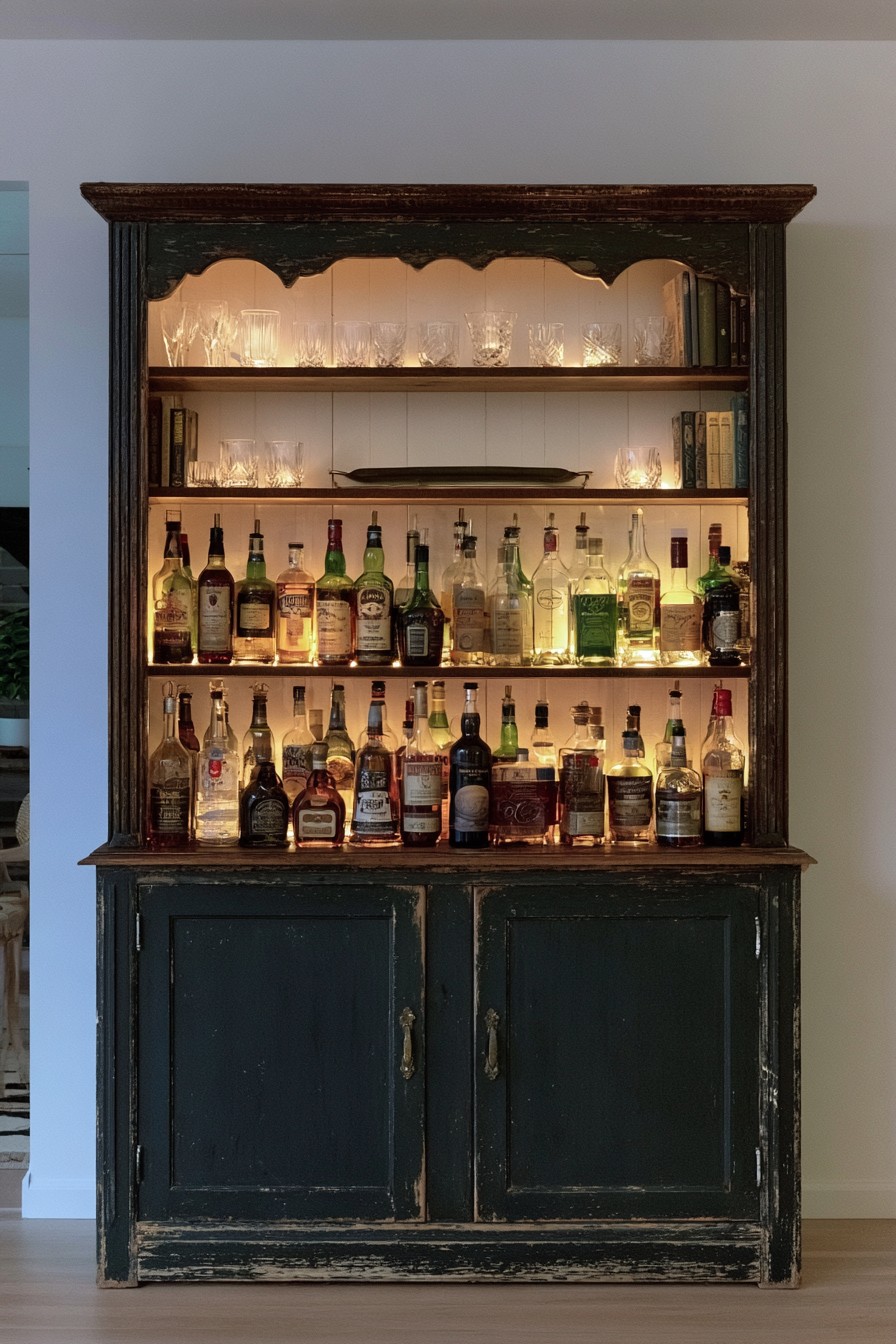
An unused bookcase provides an excellent foundation for a liquor cabinet because much of the shelving structure already exists. Reinforce thin shelves before loading them with heavy bottles, then adjust the spacing so taller spirits and decanters fit comfortably. The lower shelves can hold bottles while upper sections display glassware, cocktail books, or serving trays. Adding cabinet doors to the bottom portion creates concealed storage without completely changing the original furniture. For a more polished appearance, sand the piece and apply a stain or paint finish that suits surrounding furniture. Decorative trim can also be added around the edges for a more customized built in appearance.
5. Make an Industrial Pipe and Wood Liquor Cabinet
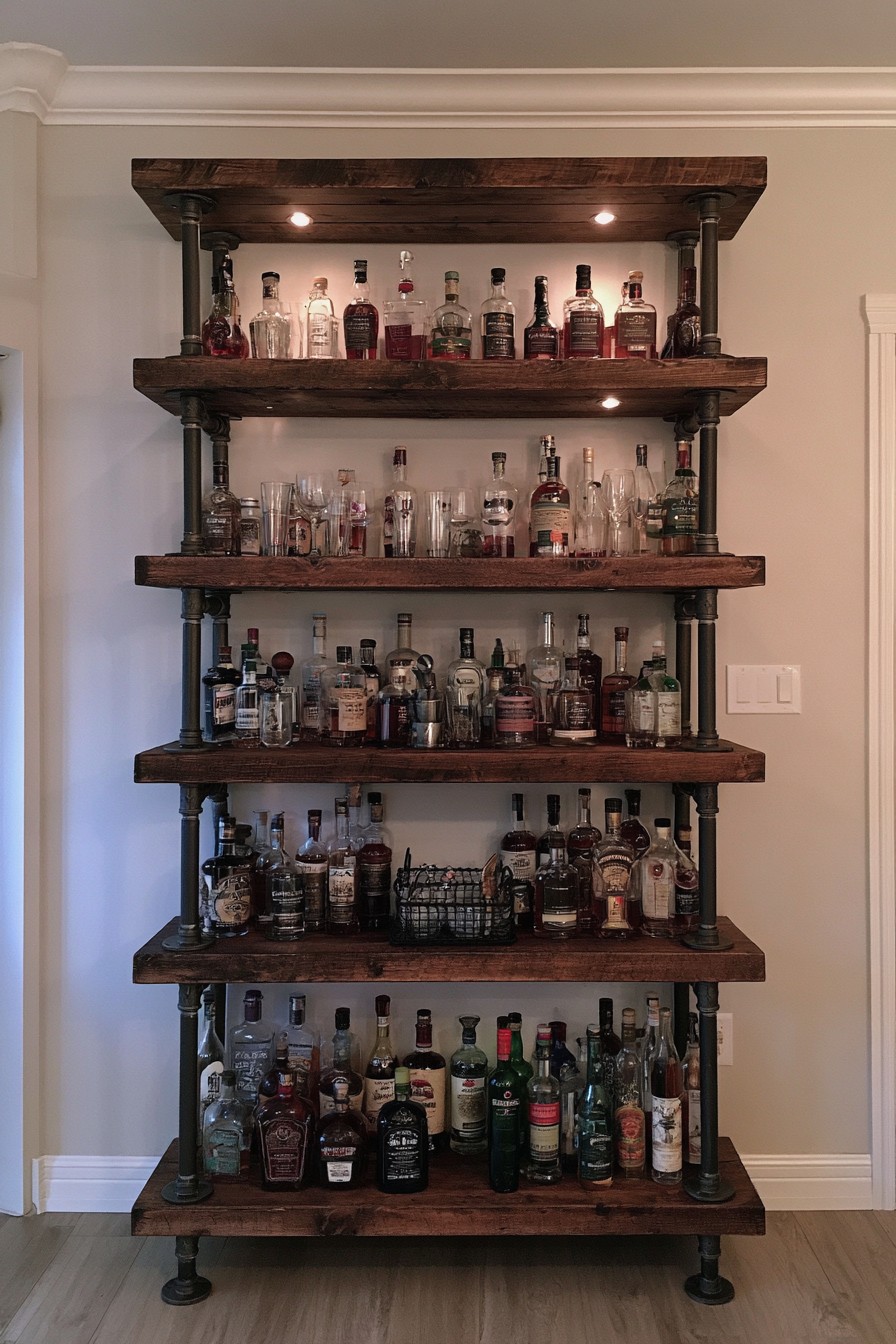
Combine wooden boards with black metal plumbing pipe to create an open liquor cabinet with an industrial personality. Begin by cutting thick wood shelves to equal lengths and sanding the edges carefully. Pipe fittings can form the vertical supports, while flanges secure the structure to the shelves or surrounding wall. Measure carefully before assembly so every level remains straight and bottles stand securely. Finish the wood with a medium or dark stain to emphasize its grain. Keep heavier bottles on lower shelves to improve stability. Metal baskets can organize small bar tools without making the display look crowded. The finished piece suits loft inspired and contemporary interiors particularly well.
6. Convert a Small Sideboard into a Hidden Liquor Cabinet
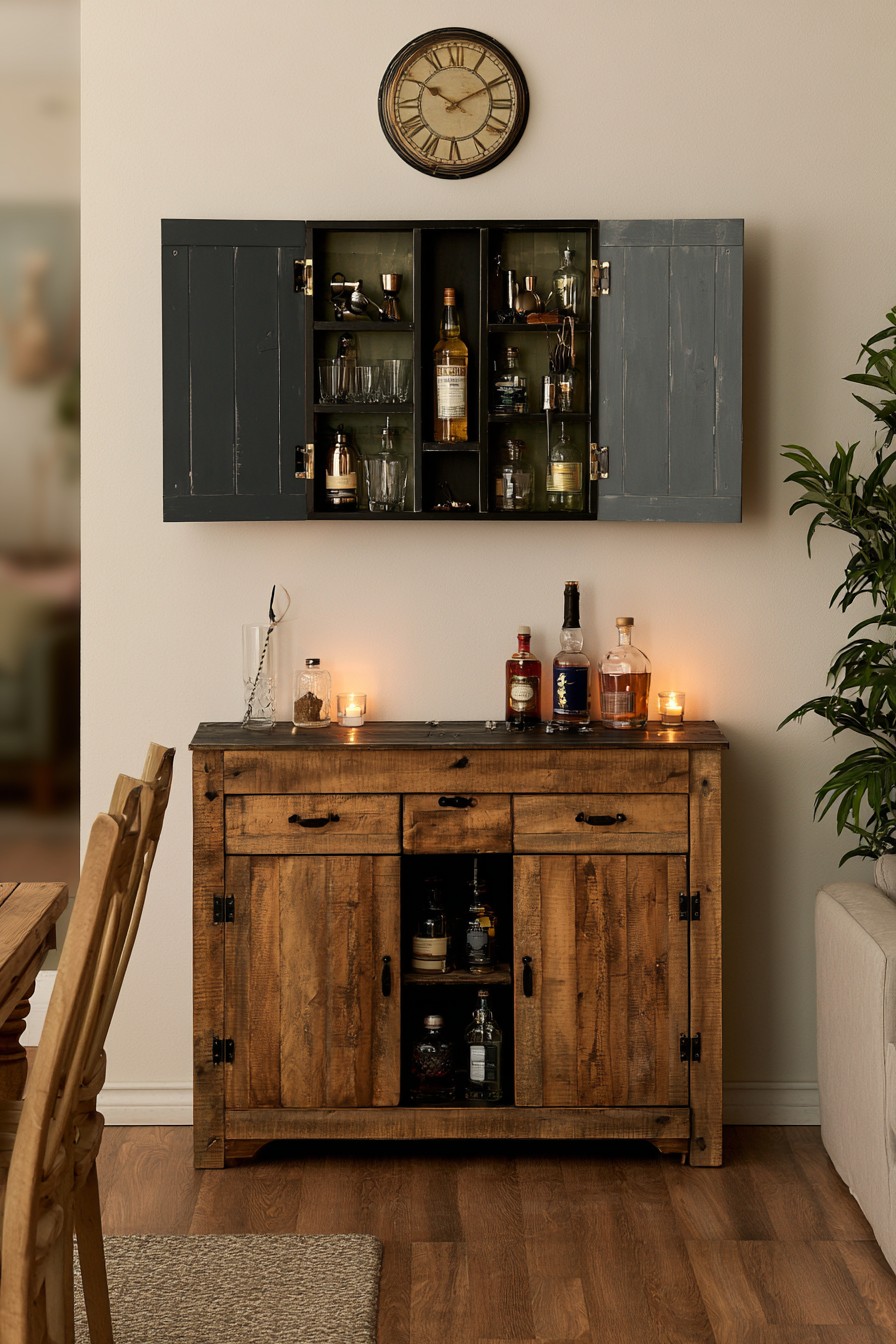
A compact sideboard can become discreet beverage storage while continuing to function as everyday furniture. Remove unnecessary interior dividers and configure the central section for standing bottles. Add narrow shelves to the side compartments for glasses and smaller accessories. If the original shelves feel weak, replace them with thicker plywood secured to wooden support strips. Keeping the exterior relatively simple allows the cabinet to blend naturally into a dining or living room. Inside, you can introduce a contrasting wood tone or patterned removable liner for additional personality. The top surface remains useful for preparing drinks, displaying a tray, or holding serving pieces when entertaining guests.
7. Build a Corner Liquor Cabinet for an Empty Space
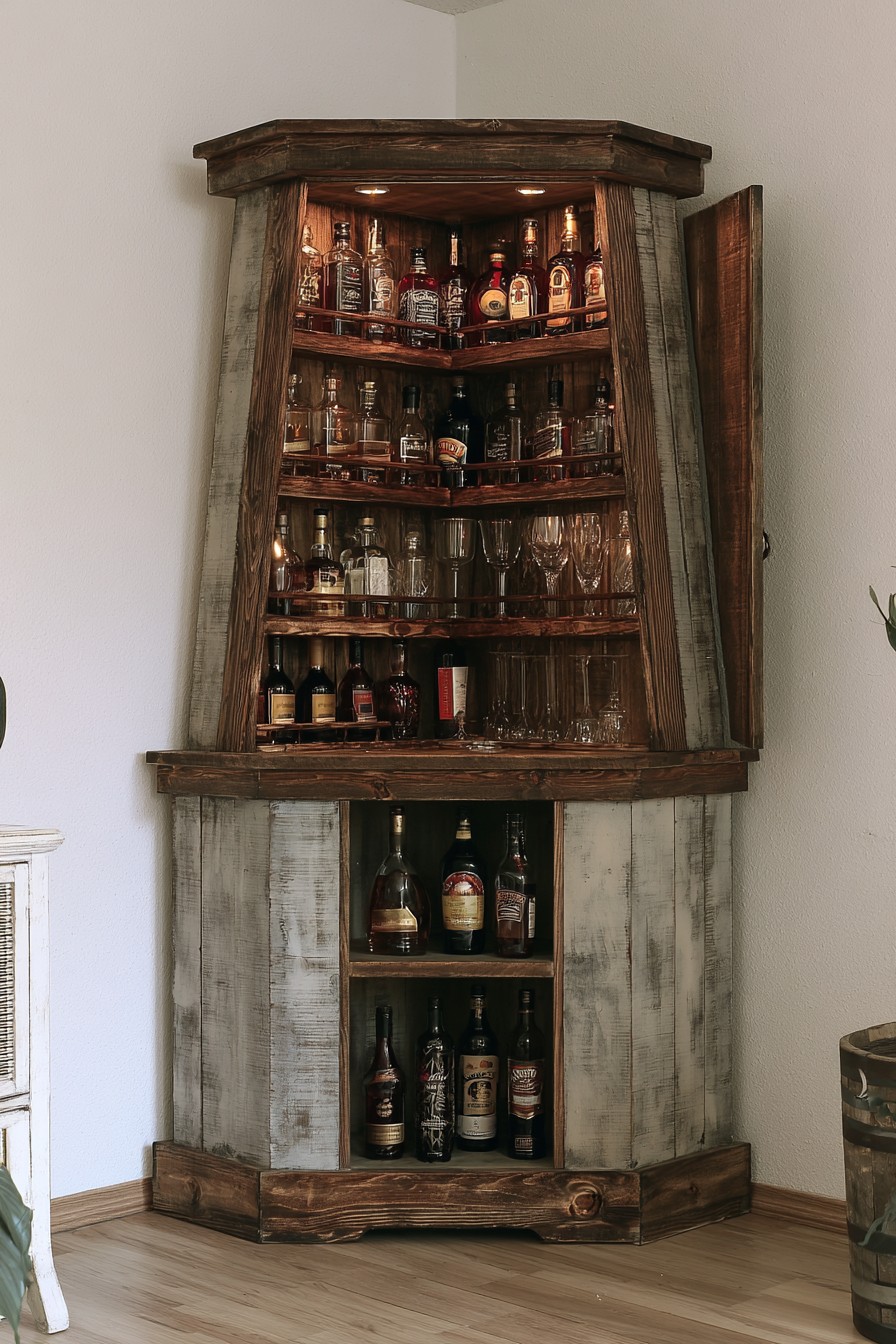
Unused corners can provide surprisingly valuable storage when equipped with furniture designed specifically for them. Create a triangular or angled cabinet frame using plywood, carefully measuring both adjoining walls before cutting. Install shelves at different heights so wine bottles, liquor bottles, glasses, and accessories each receive suitable storage. A taller lower compartment can accommodate oversized bottles that rarely fit conventional shelves. Paint the exterior to coordinate with surrounding walls if you want the cabinet to feel integrated into the room. Alternatively, choose stained wood for stronger visual contrast. Corner cabinets work particularly well in dining rooms, breakfast areas, compact living spaces, and finished basements.
8. Turn a Kitchen Base Cabinet into a Beverage Station
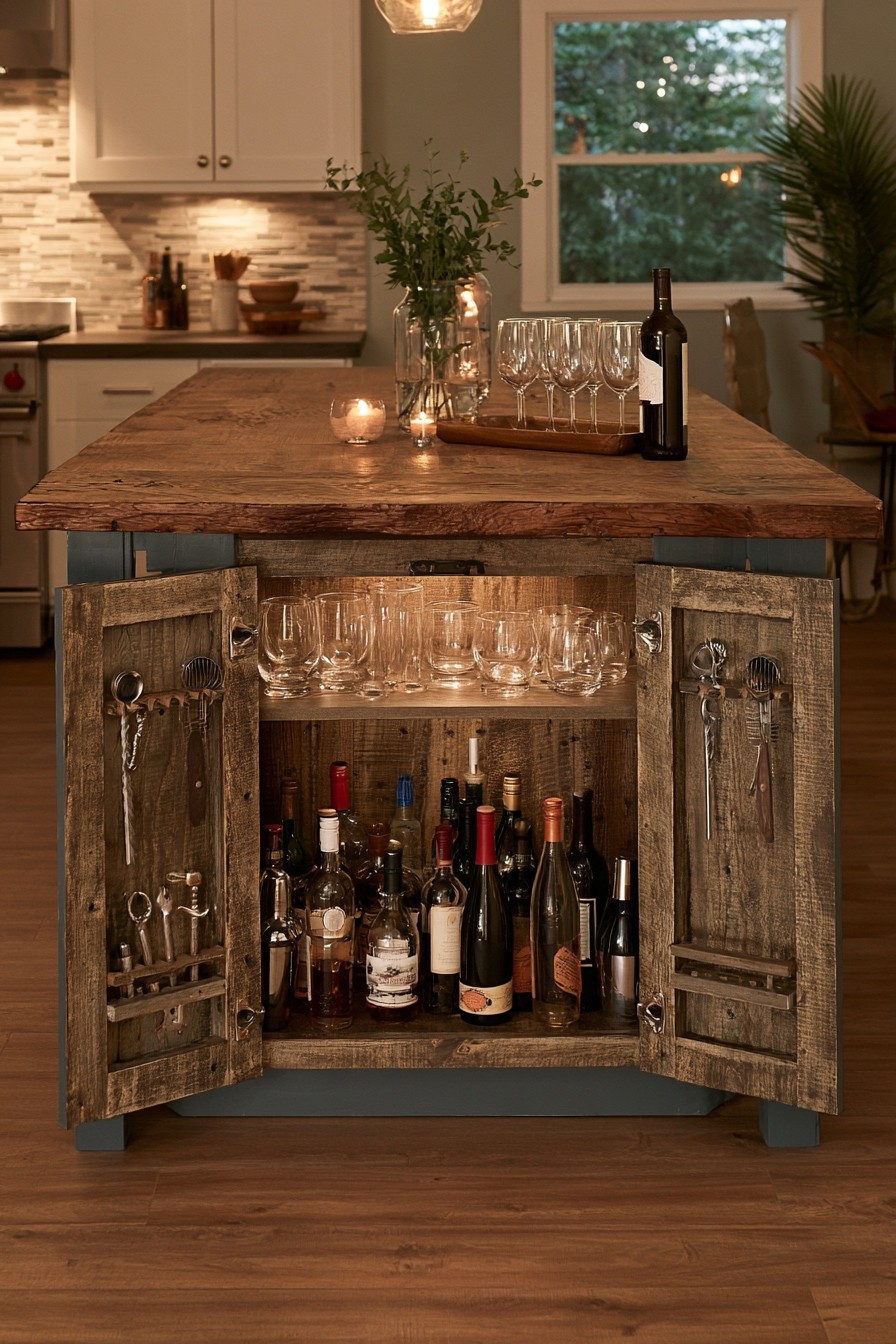
A standard kitchen base cabinet can become an affordable DIY liquor cabinet with only a few interior modifications. Begin with an unfinished cabinet unit or repurpose one removed during a renovation. Add adjustable shelves so storage can change as your bottle collection grows. A durable wood or stone style countertop creates a practical preparation surface above the cabinet. Inside the doors, shallow organizers can hold corkscrews, strainers, measuring tools, and other small accessories. Consider adding vertical dividers to keep bottles from shifting. Paint the cabinet to coordinate with nearby furniture rather than automatically matching the kitchen. This approach creates an organized bar station with a polished built in appearance.
9. Create a Glass Front Display Liquor Cabinet
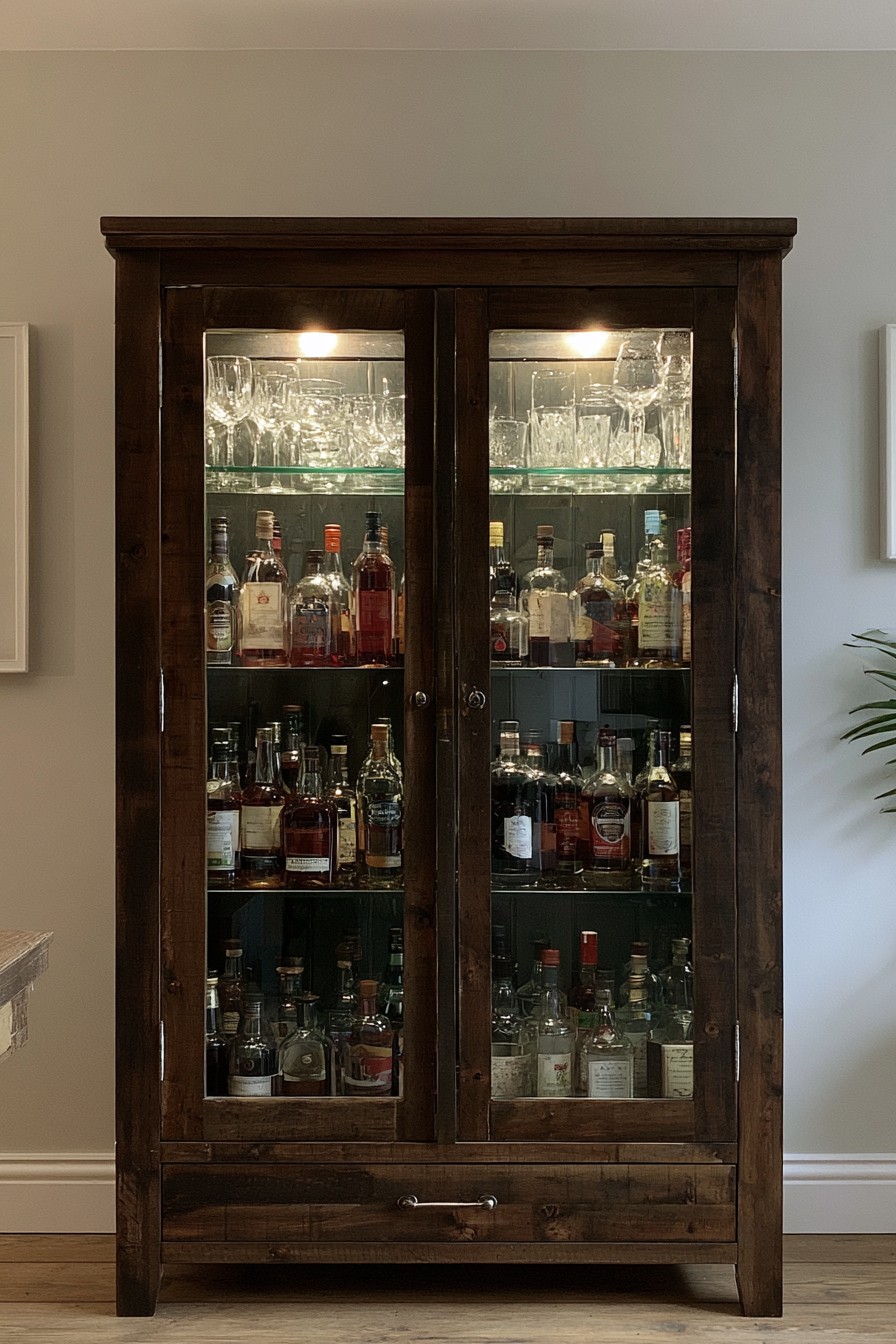
Glass front doors allow an attractive bottle collection to become part of the room decor while still protecting it from dust. Build a straightforward wooden cabinet frame and order glass panels sized for the door openings, or repurpose existing cabinet doors that already contain glass. Arrange bottles by height, color, or category to give the interior a deliberately styled appearance. Glassware can occupy the upper shelves while heavier bottles remain lower for improved stability. Choose understated handles so the contents remain the primary visual feature. Because transparent doors reveal everything inside, concealed drawers or small storage boxes are useful for keeping less decorative bar accessories neatly organized.
10. Build a Sliding Door Liquor Cabinet
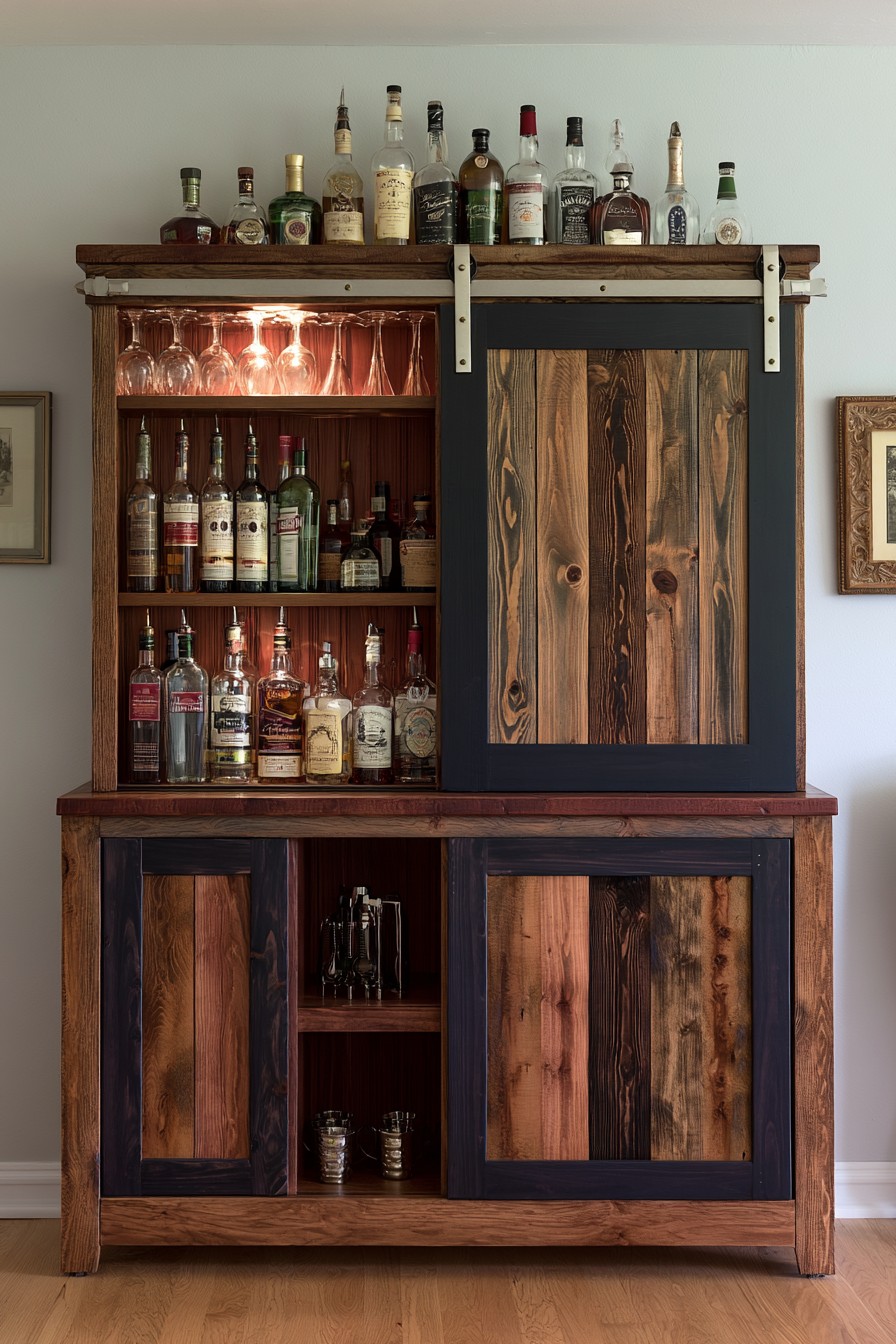
Sliding doors are a practical alternative when hinged doors would interfere with nearby furniture or narrow walkways. Construct a low wooden cabinet with two overlapping doors fitted onto a suitable sliding track. Inside, divide the space into bottle storage, glassware shelving, and a smaller compartment for cocktail supplies. Keep the shelf layout simple so bottles remain easy to identify and remove. Using contrasting wood finishes for the cabinet body and doors can emphasize the handmade design without adding unnecessary decoration. Carefully test the sliding mechanism before loading the cabinet. This style works especially well in modern dining rooms, compact apartments, and entertainment areas where efficient space usage matters.
11. Repurpose an Antique Armoire for a Large Collection
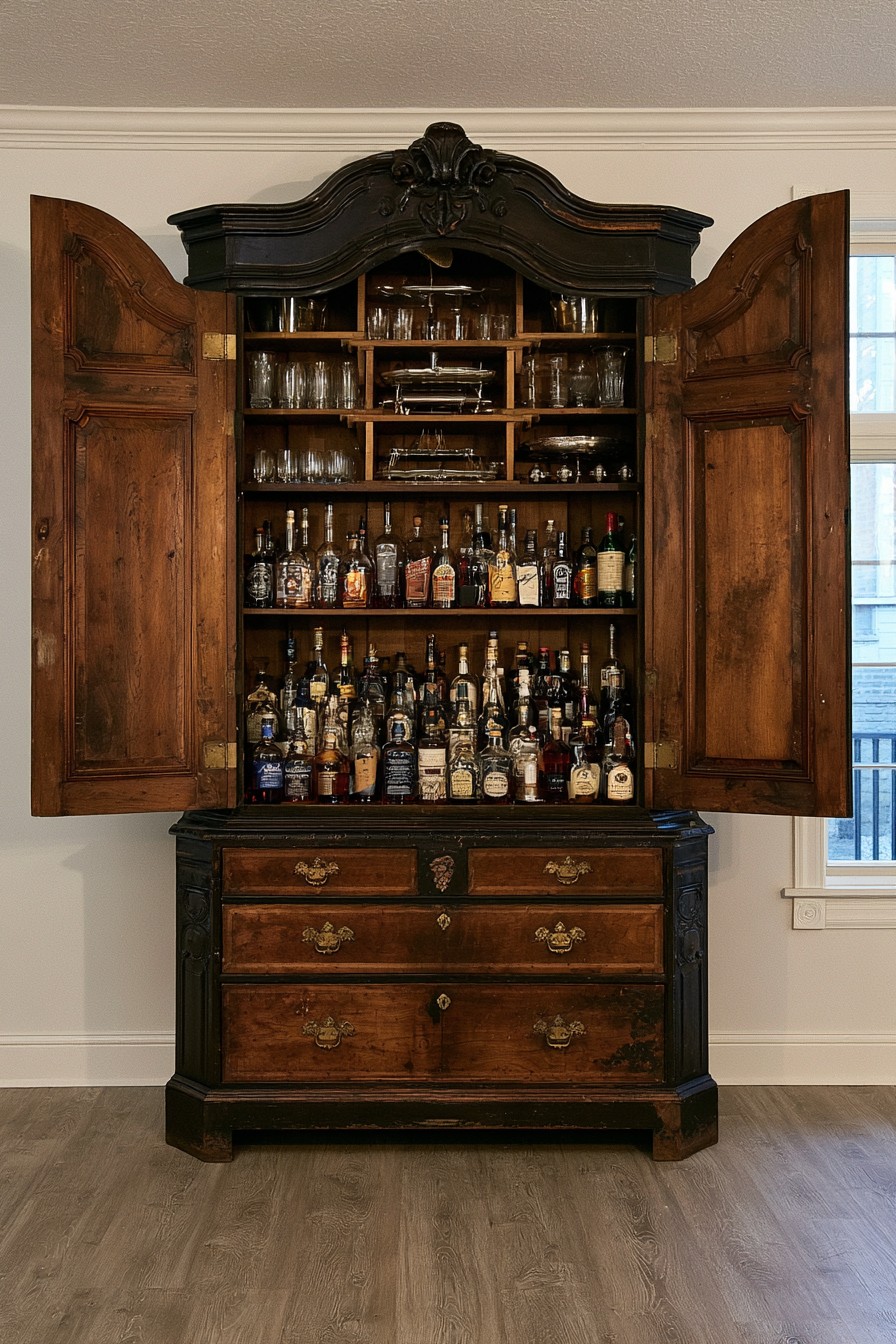
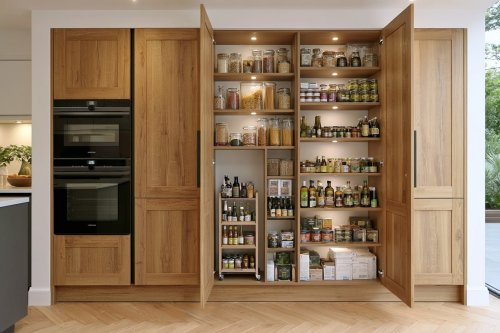
A tall armoire offers generous space for creating a substantial liquor cabinet without constructing an entire unit from scratch. Remove clothing rods and replace them with reinforced wooden shelves capable of supporting several bottles. Use the lower section for spirits and heavier items while reserving upper shelves for glassware, serving pieces, and less frequently used accessories. Existing drawers are ideal for cocktail tools and linens. Preserve attractive original details whenever possible, simply cleaning and refinishing damaged surfaces rather than completely covering them. For organization, install small wooden dividers or trays inside. The finished cabinet can become a dramatic focal point in a traditional or eclectic room.
12. Make a Narrow Vertical Liquor Cabinet
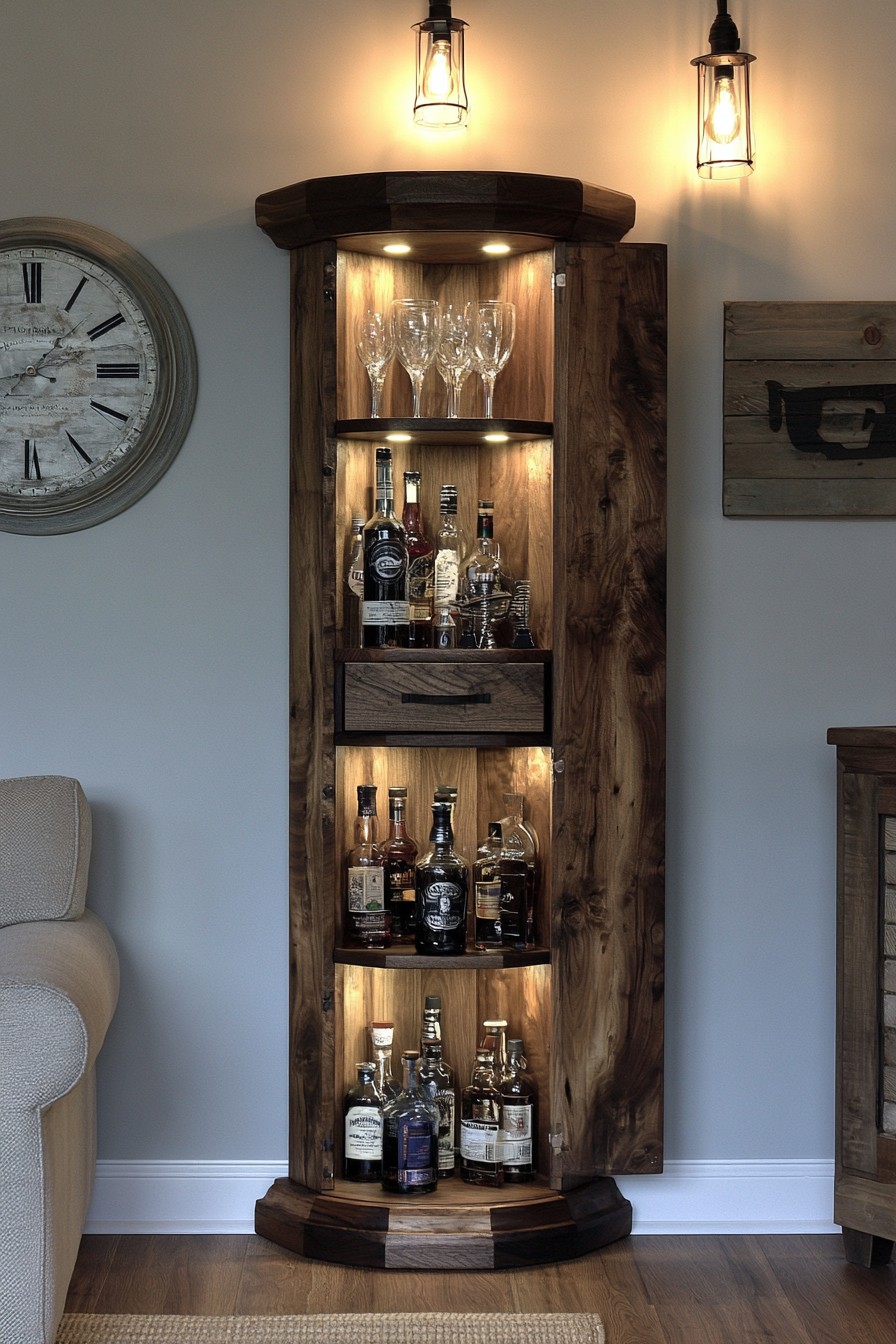
A tall, narrow design can provide substantial bottle storage while occupying very little floor space. Build the cabinet from plywood or solid wood boards, keeping the footprint compact while distributing shelves vertically. Determine shelf heights by measuring your tallest bottles before construction. Adding a small drawer near the center provides convenient storage for openers, measuring tools, and other accessories. Use adjustable shelf pins if you expect your collection to change over time. A full length door keeps the interior visually tidy, while an open version creates a more casual display. This design works beside dining cabinets, between furniture pieces, or in narrow areas that would otherwise remain unused.
13. Create a Mid Century Inspired Liquor Cabinet
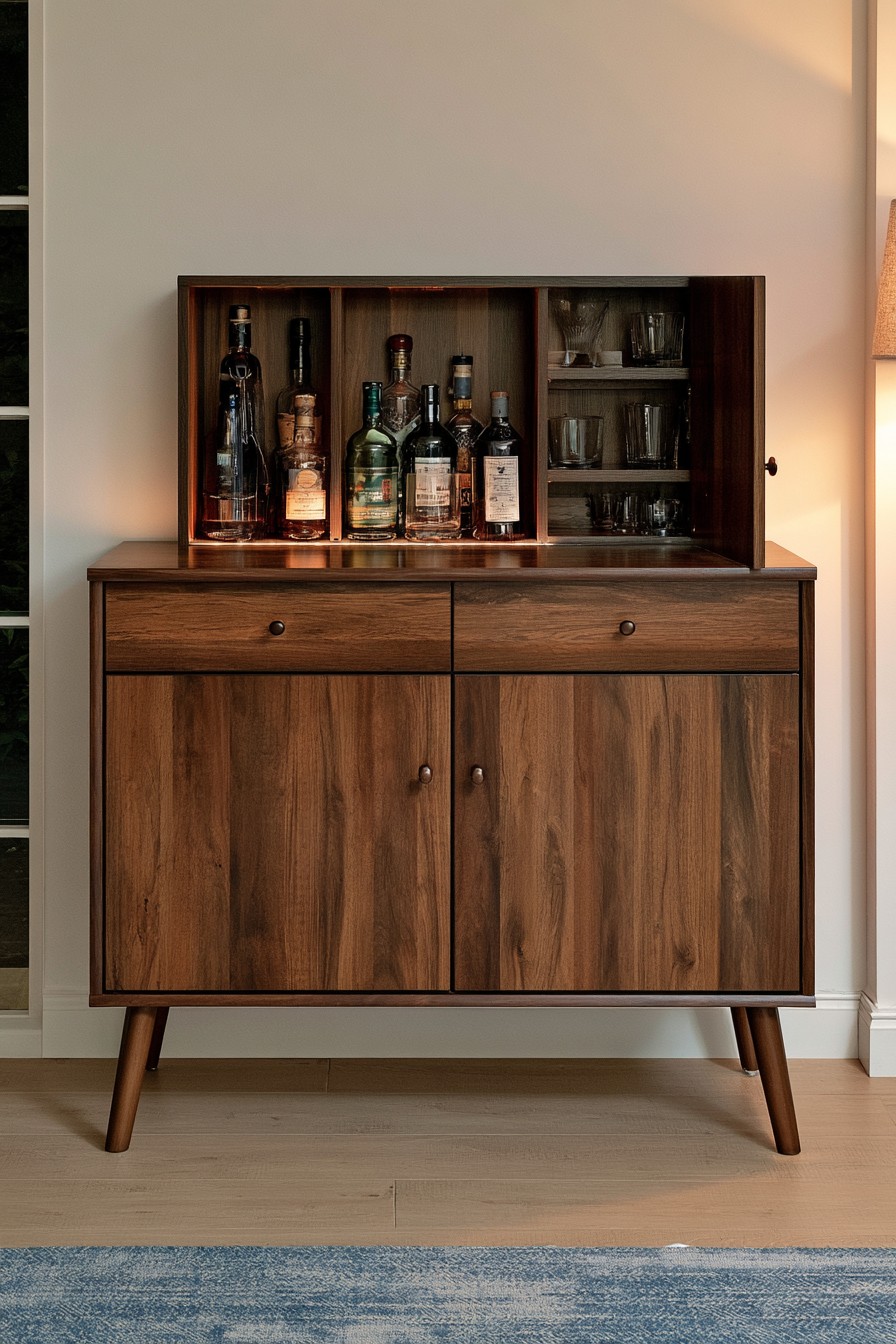
Mid century furniture offers excellent inspiration for a DIY liquor cabinet with clean proportions and a furniture focused appearance. Build a rectangular plywood cabinet and elevate it on tapered wooden legs. Keep the front simple with two flat panel doors and minimal hardware. Inside, create one tall section for bottles and several shorter shelves for glasses and accessories. Walnut stain or warm natural wood tones reinforce the classic character, although painted doors can add subtle contrast. Pay careful attention to leg placement because a cabinet filled with bottles becomes considerably heavier. The completed piece works especially well in living rooms where the bar should resemble stylish furniture rather than utility storage.
14. Build a Modular Liquor Cabinet That Can Expand
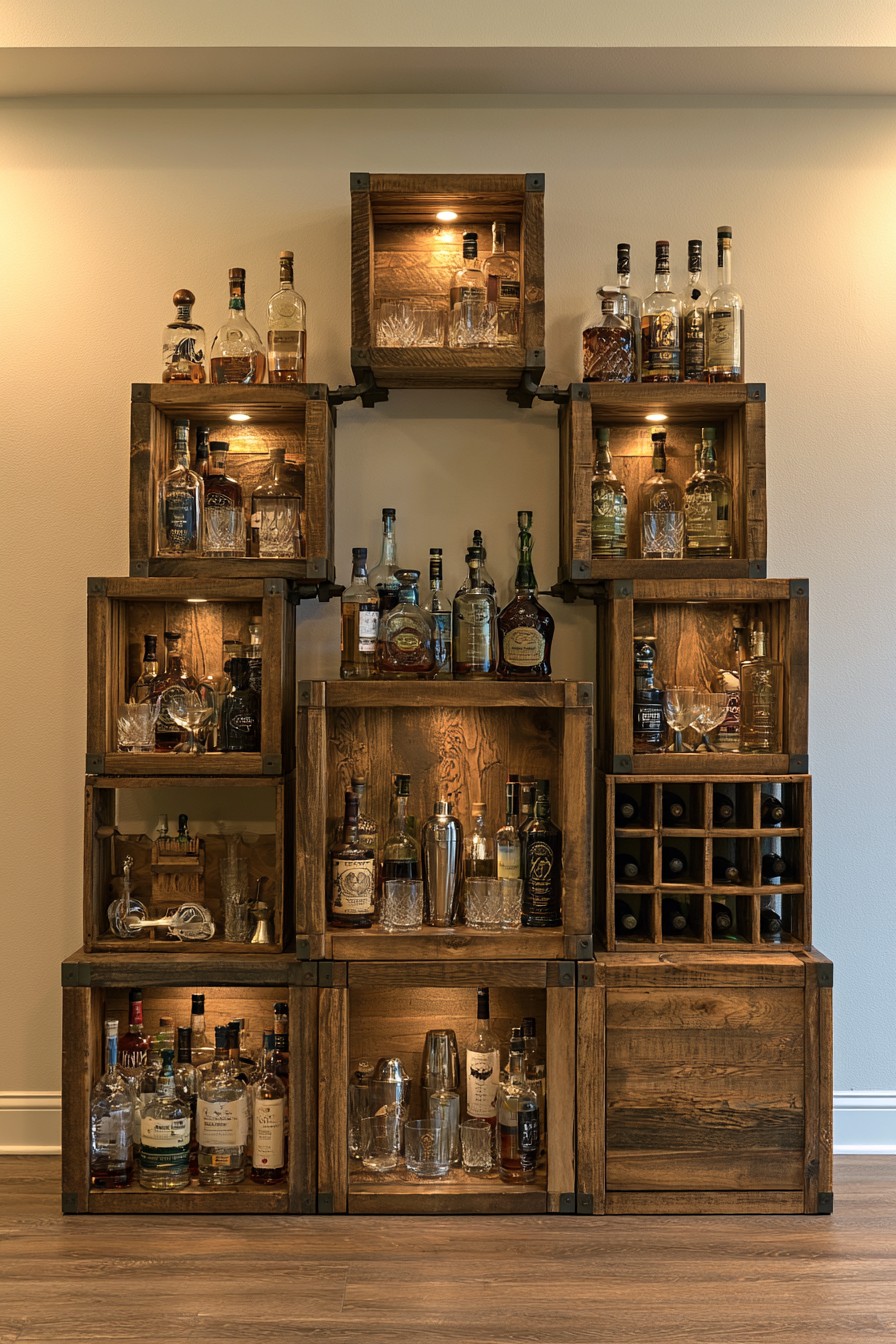
A modular cabinet is ideal for anyone whose bottle collection may grow or whose room arrangement changes frequently. Instead of building one large structure, create several matching wooden cubes or rectangular cabinet sections. Each module can serve a specific purpose, such as bottle storage, glassware, serving accessories, or cocktail tools. Stack the units securely or position them side by side depending on available space. Matching finishes will make separate pieces appear like one coordinated system. When stacking modules, use suitable brackets or wall anchors to prevent movement. This adaptable approach works particularly well in apartments because individual sections can be rearranged, moved, or expanded without replacing the entire cabinet.
MORE IDEAS


Share
What's Your Reaction?
 Like
0
Like
0
 Dislike
0
Dislike
0
 Love
0
Love
0
 Funny
0
Funny
0
 Angry
0
Angry
0
 Sad
0
Sad
0
 Wow
0
Wow
0