14 Practical Table Styling Projects for Everyday Meals and Seasonal Gatherings

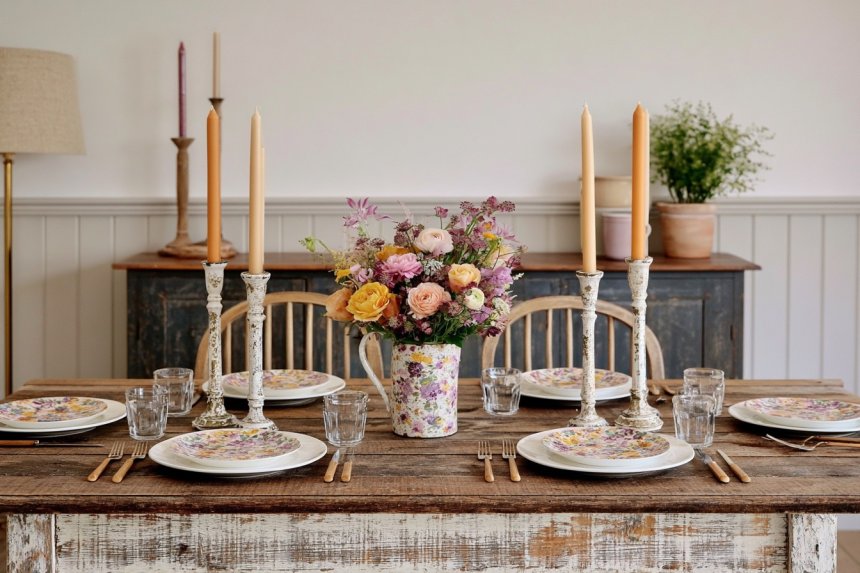
Successful table decor should support the meal rather than compete with it. A well-planned arrangement leaves room for plates, glasses, serving dishes, and comfortable conversation while using color and texture to establish a clear atmosphere. The dimensions of the table, number of guests, type of meal, and frequency of use should guide every decorative decision.
Begin with the items that must remain on the table, then use the available space for a runner, centerpiece, place settings, or handmade details. Decorations should be stable, easy to clean, and low enough for guests to see one another. Seasonal materials and repurposed objects can add character, but they should be prepared carefully and kept away from food when their cleanliness or finish is uncertain.
1. Scale the Arrangement to the Table and Guest Count
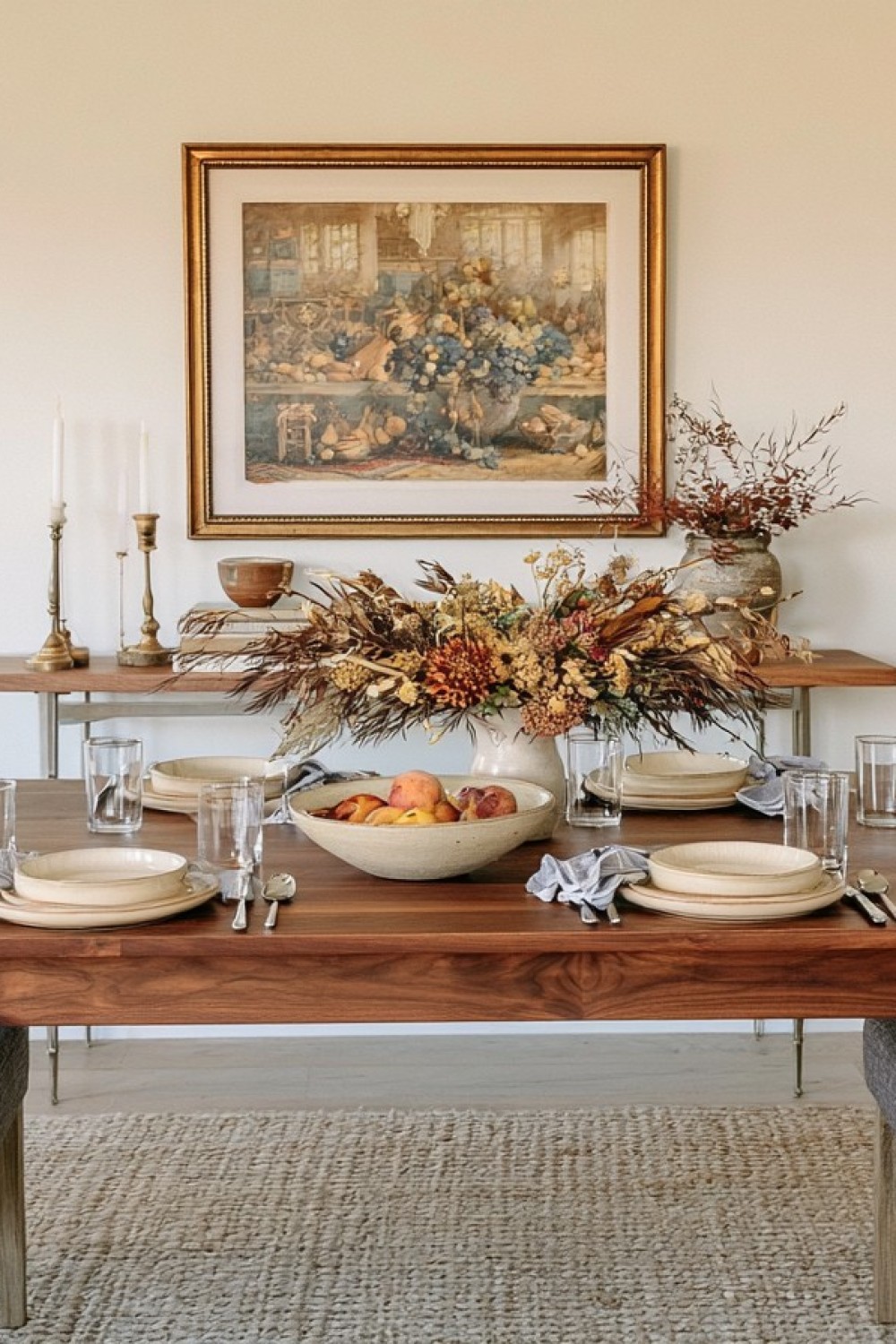
The size and shape of a table determine how much decoration it can hold comfortably. A long rectangular table can support several low elements distributed along its center, while a round table usually benefits from one compact arrangement. Set out the plates and serving pieces first so the remaining area, rather than the empty tabletop, defines the available decorating space.
Keep frequently used items within easy reach and avoid extending decorations into the space required for glasses or cutlery. A centerpiece should not prevent guests from seeing one another across the table. Before the meal, sit in several positions to check sightlines and confirm that chair movement does not disturb overhanging fabric.
2. Adapt a Base Palette with Small Seasonal Changes
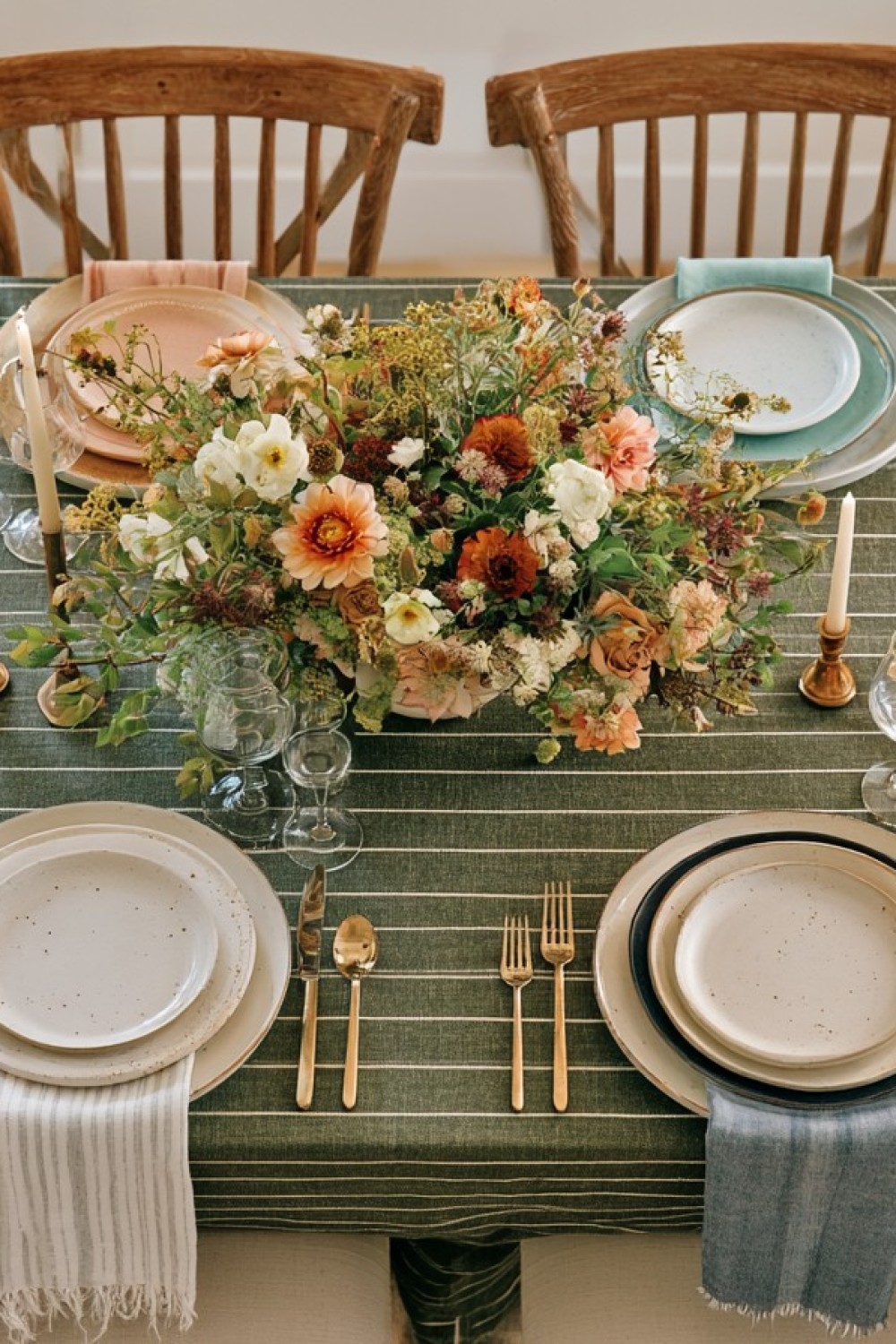
A neutral foundation makes seasonal table changes easier to manage. White or stone-colored dishes, clear glassware, and a simple textile base can remain in use throughout the year. Color can then be introduced through napkins, flowers, fruit, foliage, or a narrow runner rather than an entirely new set of tableware.
Select one leading seasonal color and one supporting tone to avoid an overly coordinated display. Spring may introduce soft green, while autumn can bring rust or tobacco and winter may use deeper blue or evergreen. Reusing the same foundation reduces storage requirements and allows individual handmade pieces to receive more attention.
3. Combine Natural Materials with Washable Surfaces
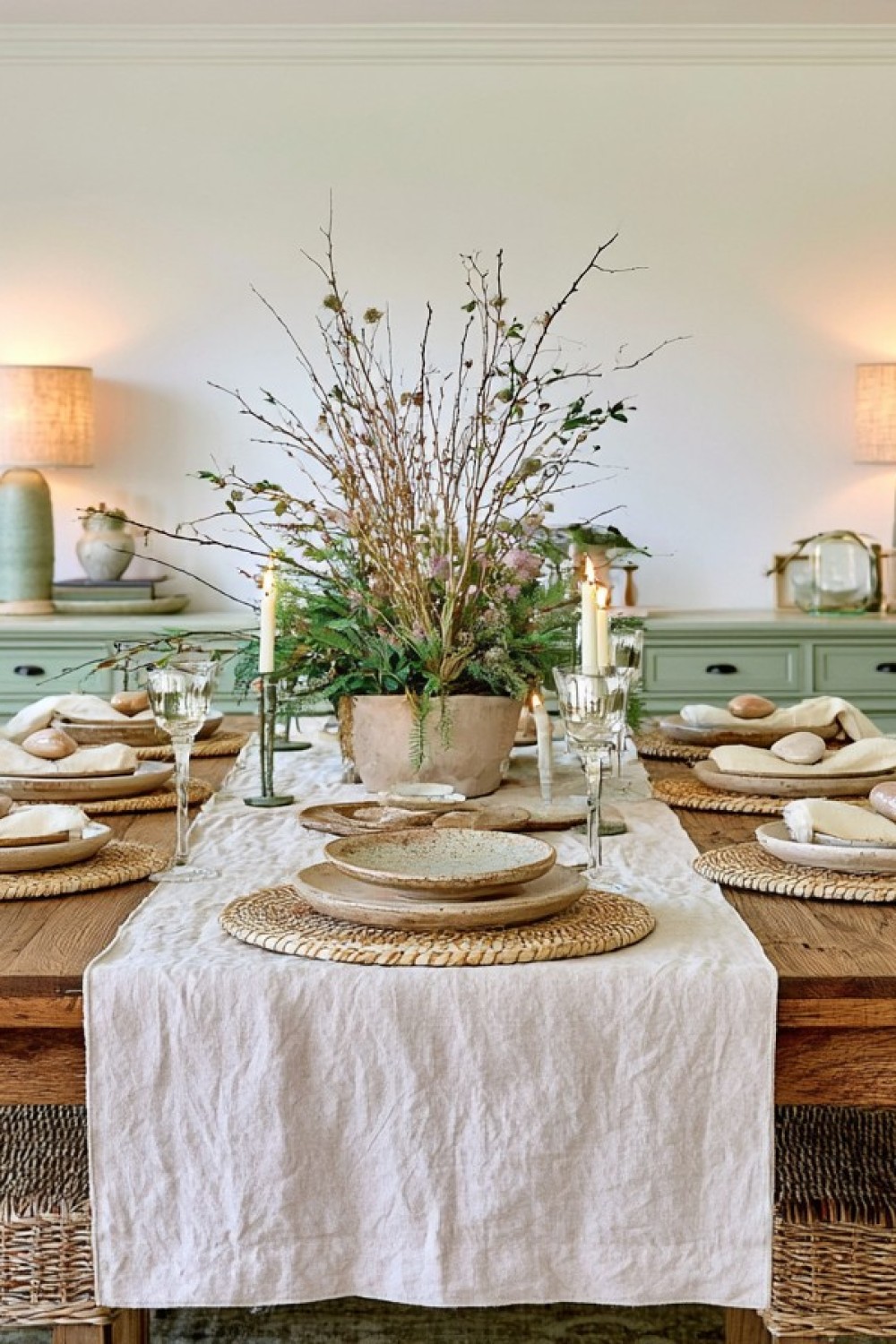
Linen, cotton, wood, cork, rattan, stone, and foliage introduce texture without requiring a complicated color scheme. Combine smooth dishes with a woven placemat or a lightly creased linen napkin so each material remains distinct. Limiting the arrangement to two or three principal textures creates a calmer and more deliberate result.
Natural does not automatically mean practical around food. Porous wooden boards and woven mats can absorb spills, while untreated plant material may shed onto plates. Use washable textiles, food-safe serving surfaces, and trays beneath materials that could scratch or stain the table. Allow every item to dry completely before storage.
4. Make Reusable Napkin Rings from Simple Materials
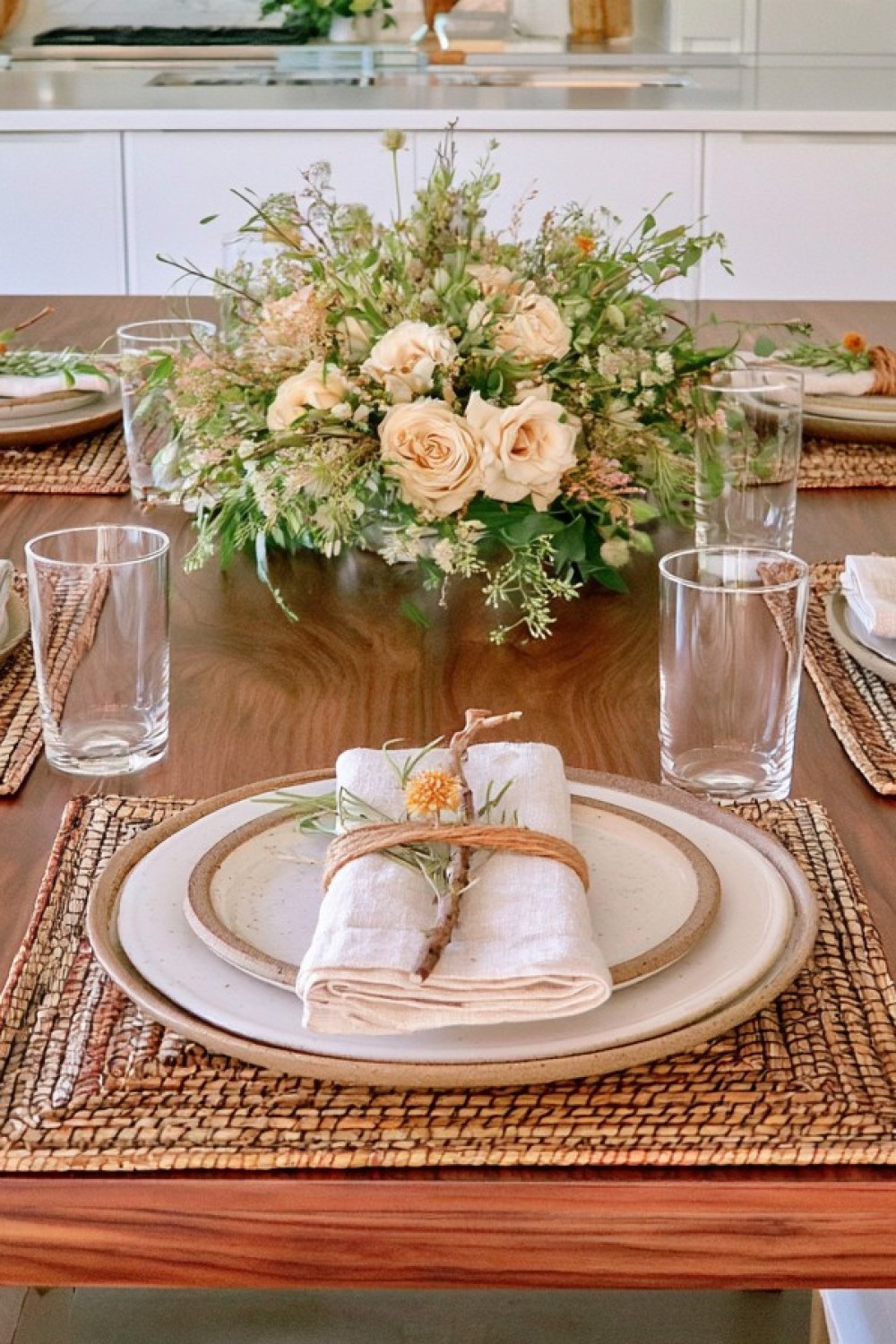
Napkin rings are small enough to make as a first table-decor project and can be adapted to several occasions. Wooden beads, braided cord, fabric-covered rings, or neatly finished wire can coordinate with existing dishes. Use a simple repeated design so the complete set appears consistent even when made by hand.
Sand rough edges and avoid paint, adhesives, or finishes that may transfer to fabric or hands. Rings should be wide enough for the chosen napkin without crushing it and should not contain sharp wire ends. Store them together in a labeled box so pieces do not become separated between uses.
5. Preserve Space with a Low Linear Centerpiece
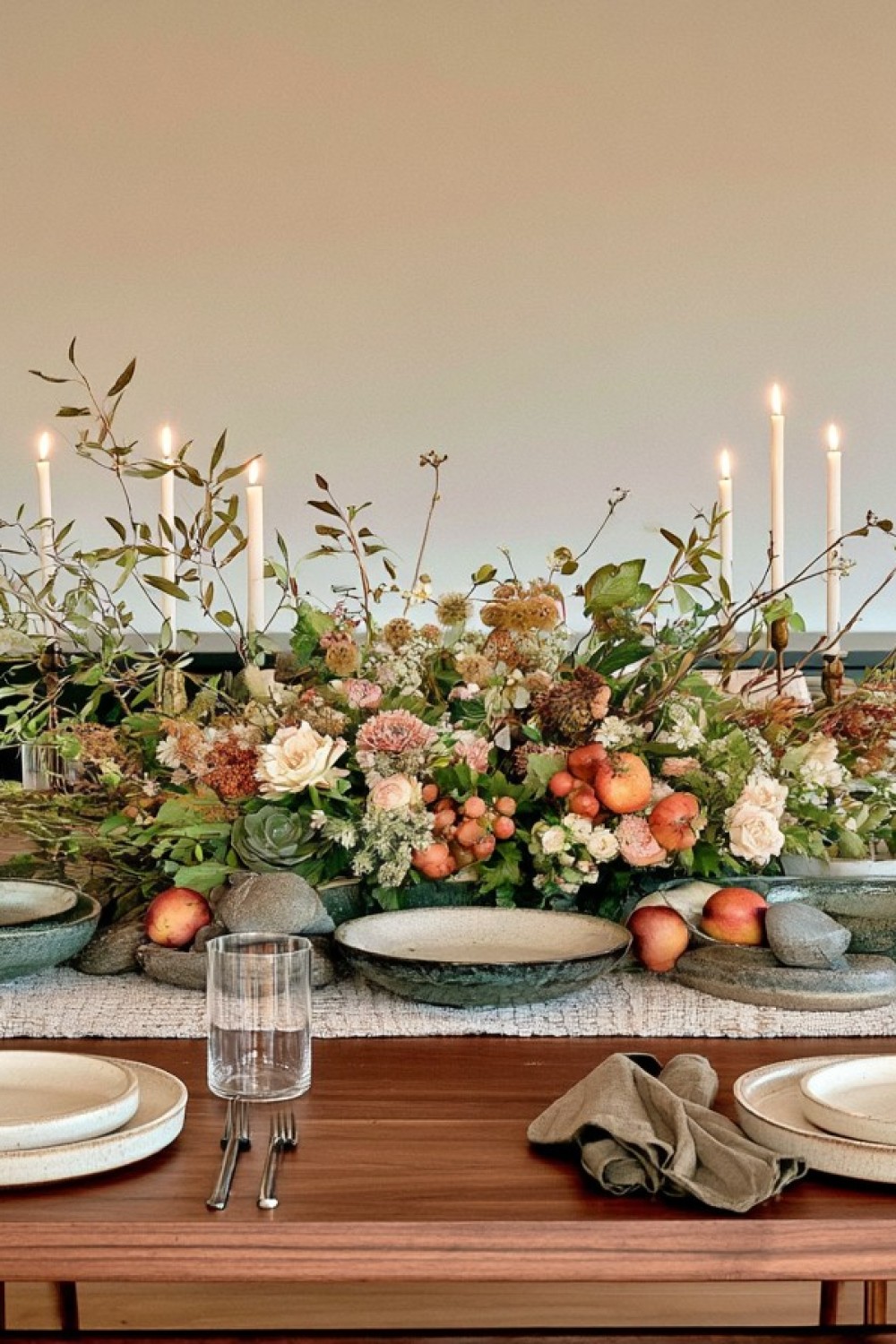
A low arrangement can provide visual continuity without blocking conversation. Several small vessels, a shallow bowl, or a narrow tray often works better than one tall centerpiece. Repeating an element at intervals creates rhythm while allowing serving dishes to be placed between or around the decorations.
Test the complete layout with glasses, plates, and serving bowls before guests arrive. If the meal will be served family-style, plan an alternative surface for the centerpiece or make it easy to lift away as one unit. Stable, broad-based containers are safer than top-heavy vases on a busy dining table.
6. Use Living Spring Materials Selectively
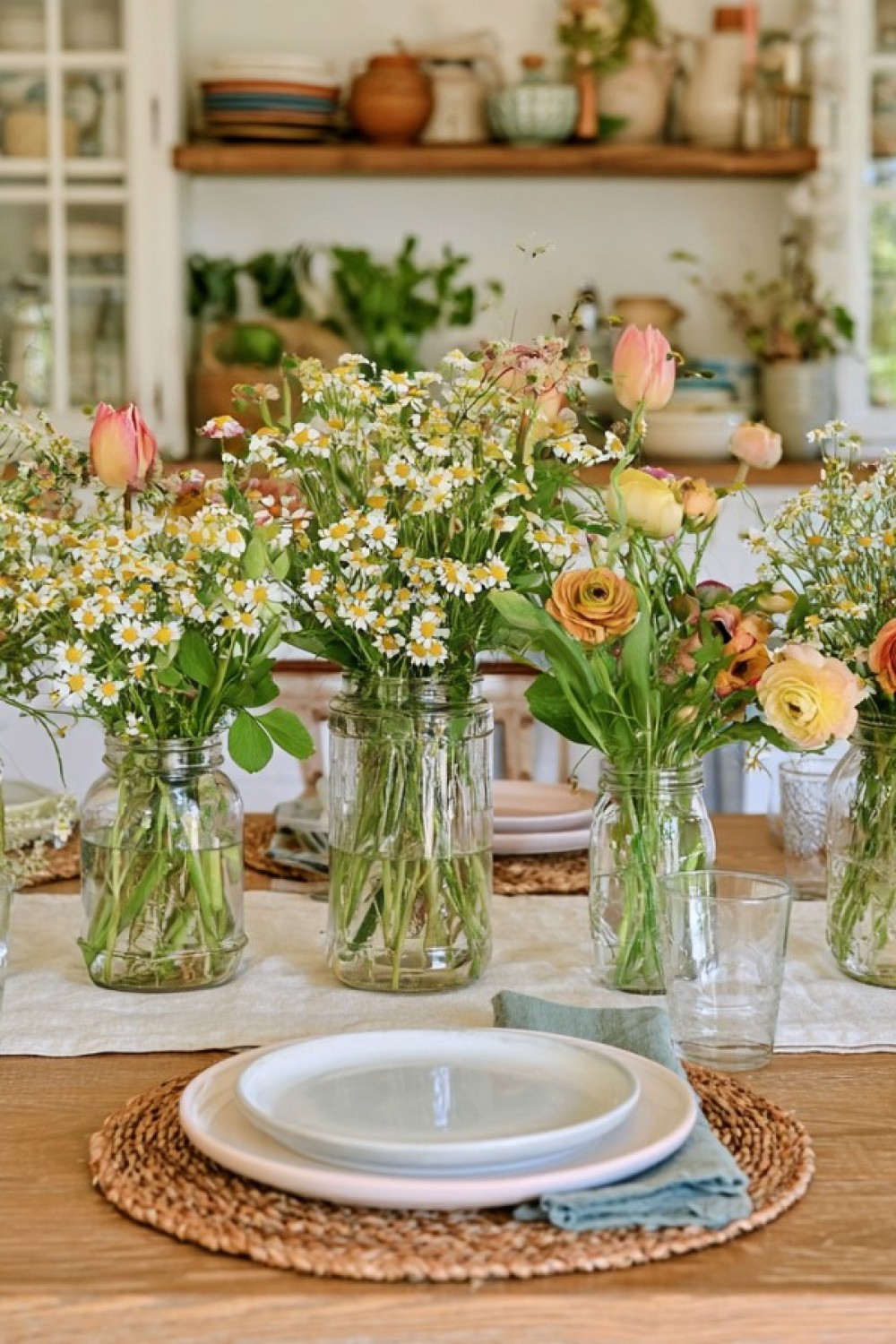
Young foliage, flowering branches, bulbs, and soft-colored textiles can bring seasonal freshness to a spring table. Instead of creating a dense floral display, arrange a few stems in low vessels and repeat their color in the napkins or place cards. This produces a connection across the table without consuming valuable serving space.
Inspect plant material for insects, loose soil, sap, or strong fragrance before placing it near food. Containers should be watertight and stable, with a protective base beneath them. Consider guests with allergies and avoid highly scented flowers during a meal where aroma is an important part of the experience.
7. Turn Summer Fruit into an Edible Centerpiece
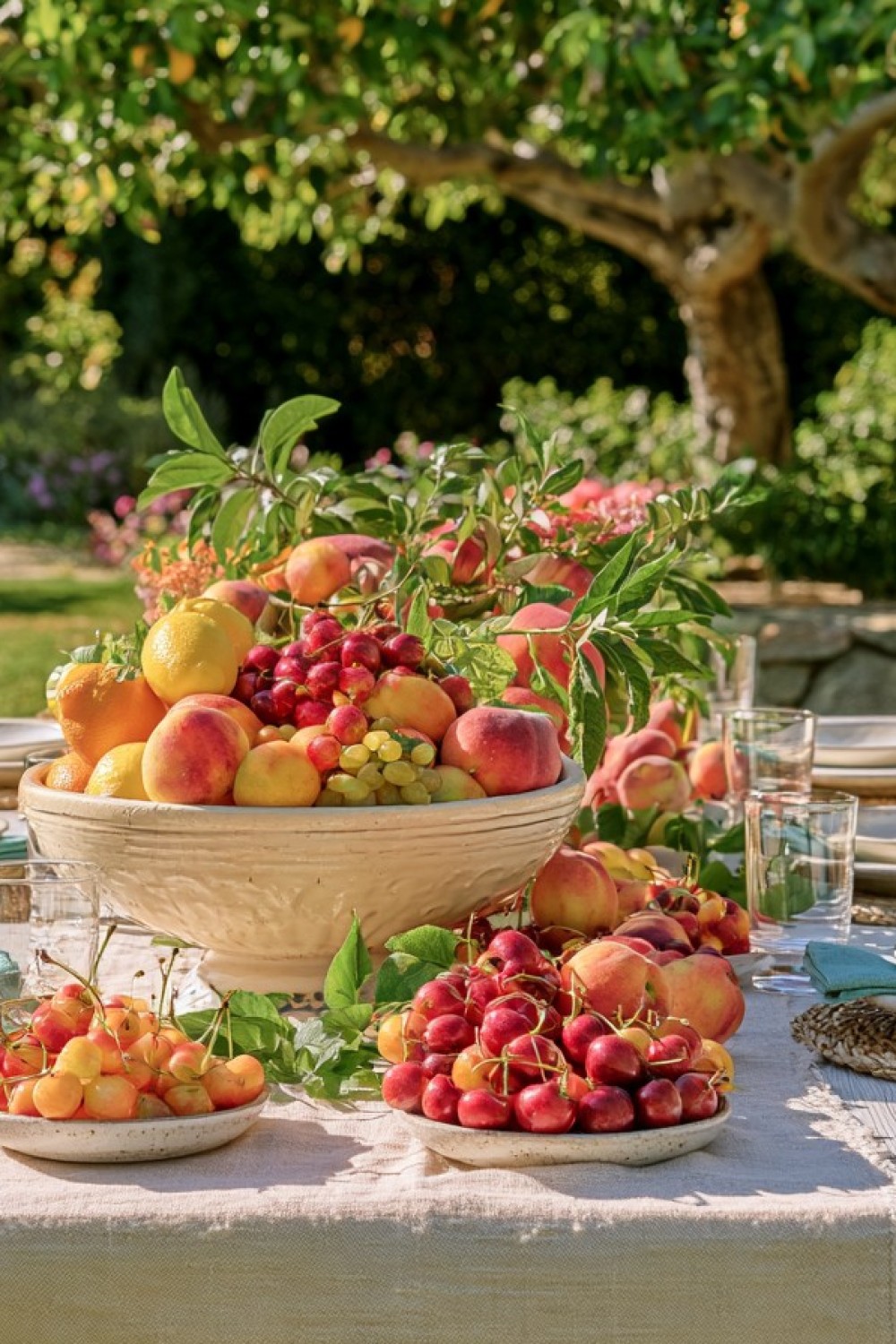
Seasonal fruit adds color while remaining useful after the gathering. Lemons, peaches, figs, grapes, or small melons can be arranged in a broad bowl rather than distributed loosely across the table. Select fruit that can remain safely at room temperature for the duration of the meal and wash it before display.
Use a washable, food-safe container and avoid piling delicate fruit where its weight may cause bruising. Leaves or branches used alongside it should not touch edible surfaces unless they are clean and known to be safe. After the meal, return perishable items to appropriate storage instead of leaving the arrangement in place for several days.
8. Prepare Autumn Leaves and Branches Before Display
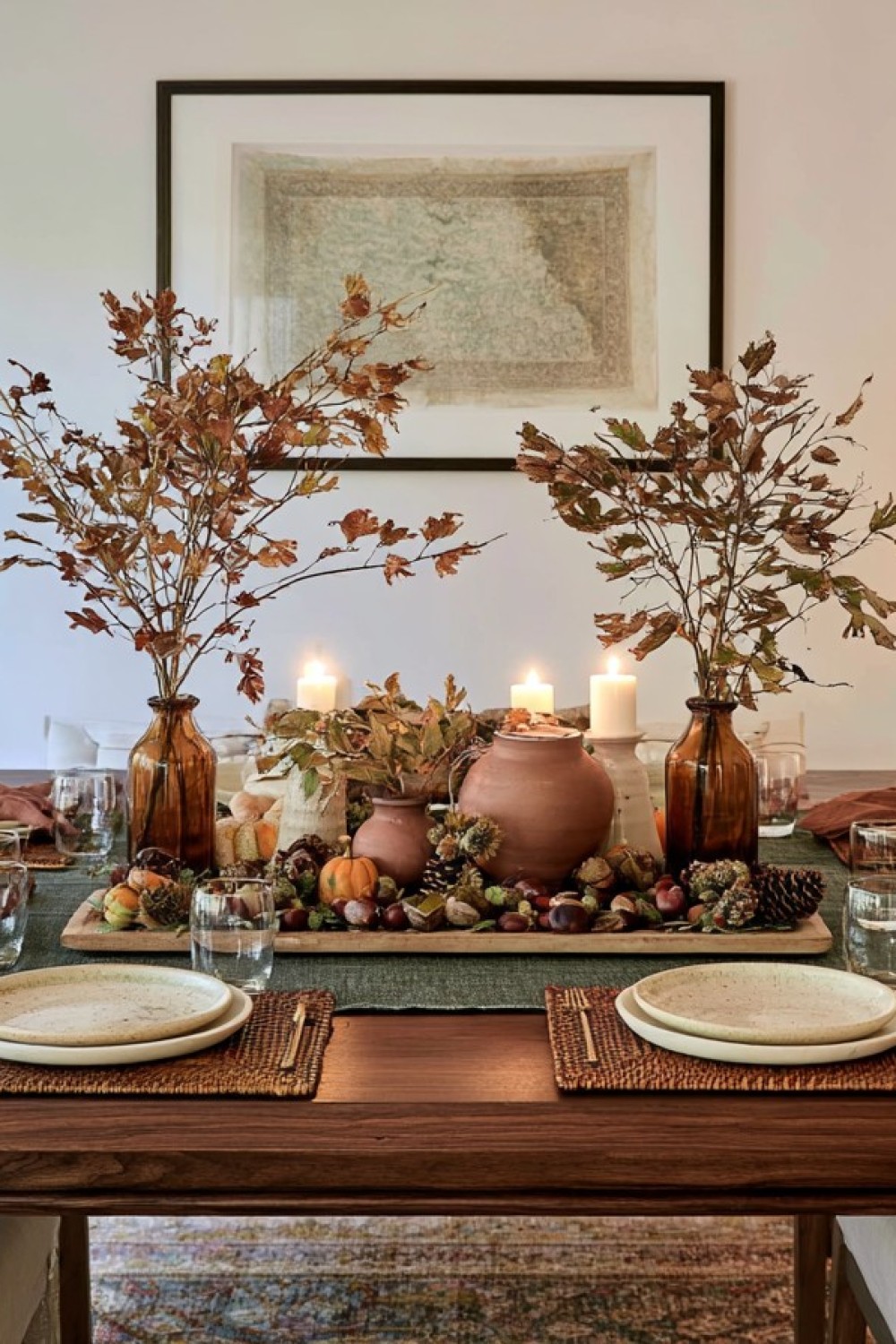
Dried leaves, seed heads, and slender branches can provide autumn character with little expense. Gather only materials that can be collected legally and identify them before bringing them indoors. A shallow arrangement in rust, ochre, brown, and faded green will usually complement food and tableware more successfully than an oversized branch display.
Clean and dry collected material thoroughly, then inspect it for insects, mold, thorns, or brittle sections. Keep loose leaves away from plates and uncovered food. Small branches can be grouped inside a stable vessel, but they should remain below eye level or be positioned where they will not interfere with serving.
9. Add Winter Warmth Through Textile Weight
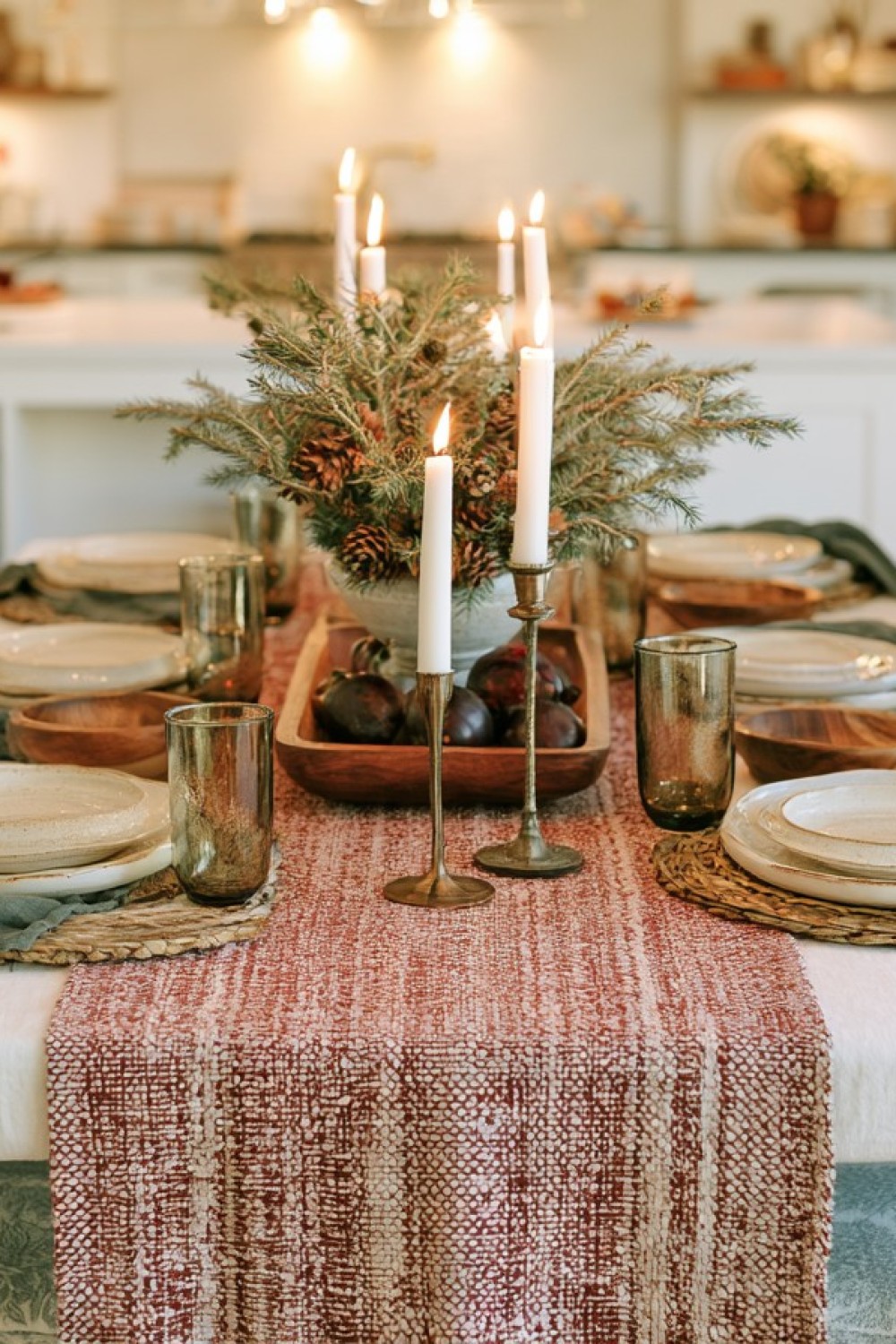
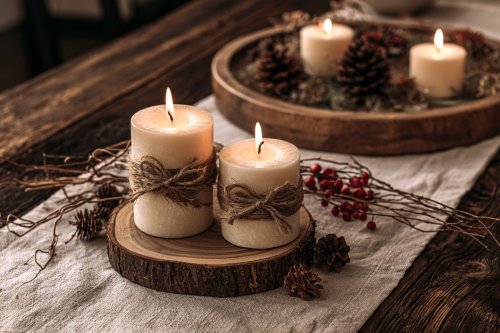
Winter styling can rely on substantial fabric rather than numerous decorative objects. A woven runner, textured napkins, and upholstered dining chairs introduce visual warmth while leaving the tabletop functional. Deep green, ink blue, burgundy, oat, and charcoal work well when balanced with lighter dishes or glassware.
Avoid stacking several thick textiles beneath unstable glassware. Runners and placemats should lie flat, and their edges should not catch on seated guests. Washable fabrics are more practical for regular meals, while delicate or heavily textured pieces can be reserved for areas of the table less exposed to spills.
10. Repurpose Glass Containers as a Coordinated Vase Group
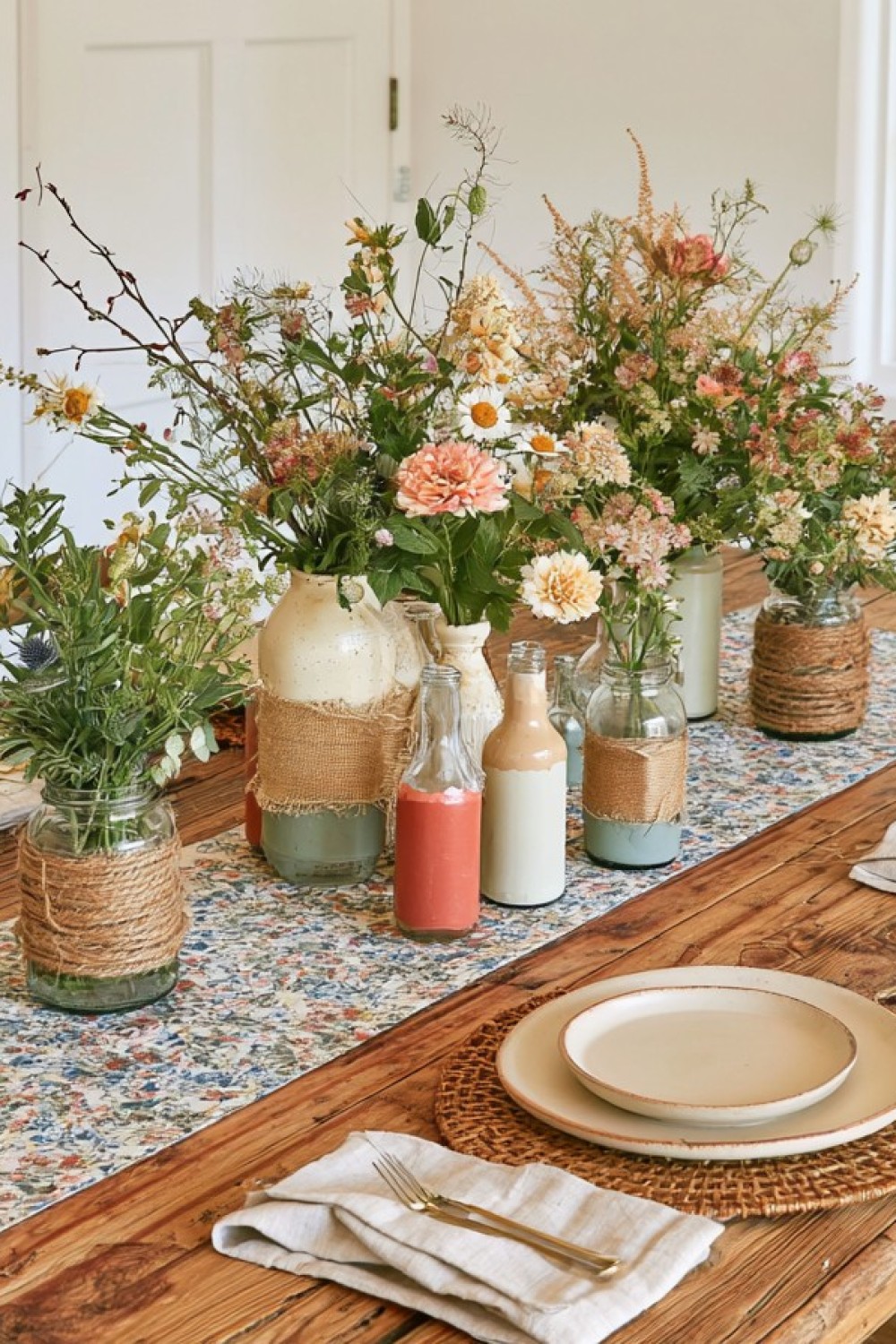
Small jars and bottles can create a flexible centerpiece when their sizes and colors share a clear relationship. Remove labels and adhesive residue, then group an odd number of vessels on a tray. One or two stems in each container allow the arrangement to remain low and distribute color across a long table.
Inspect glass carefully for chips and cracks before use. Bottles with narrow bases may tip when filled with tall or heavy stems, so shorten the arrangement or add a more stable vessel. If the glass is painted, apply decoration only to the exterior and use products intended for that surface.
11. Coordinate Color According to the Room and Occasion
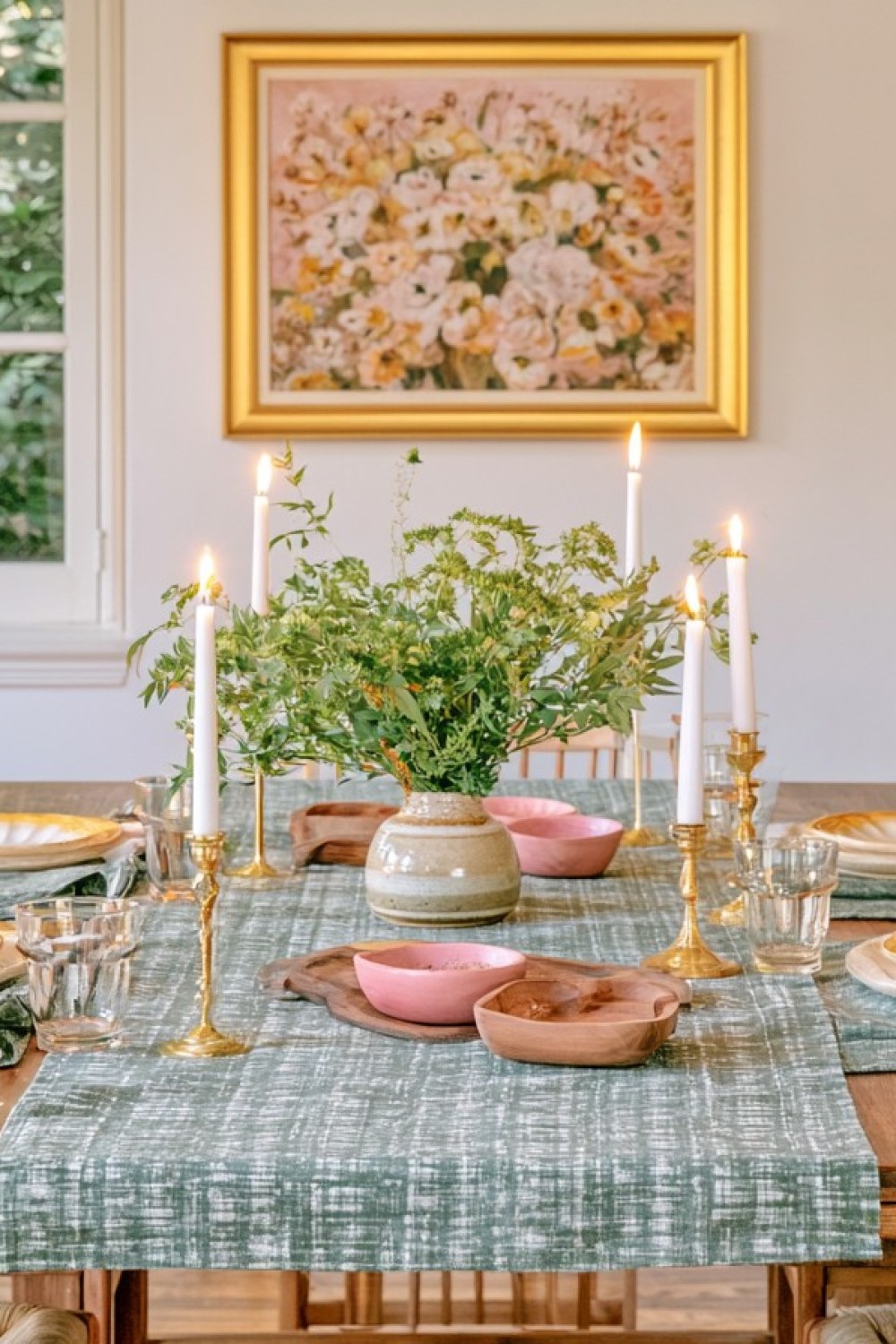
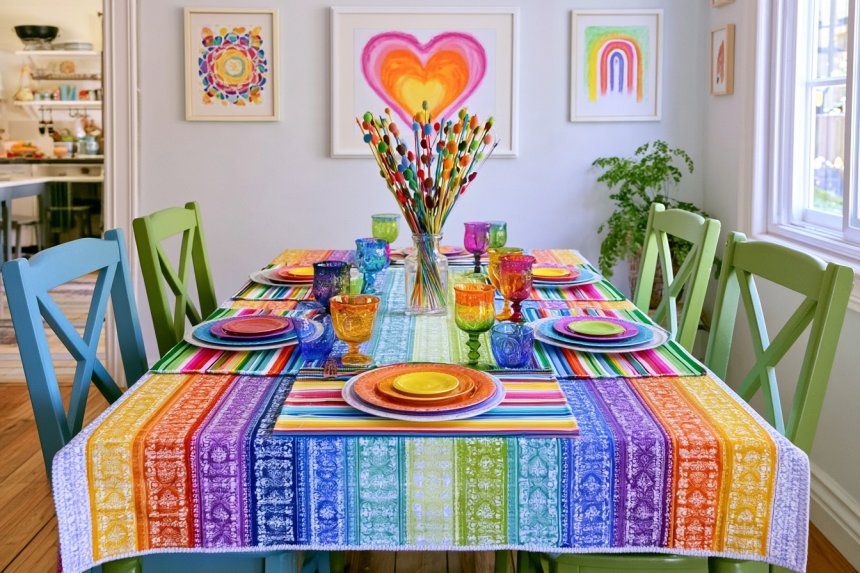
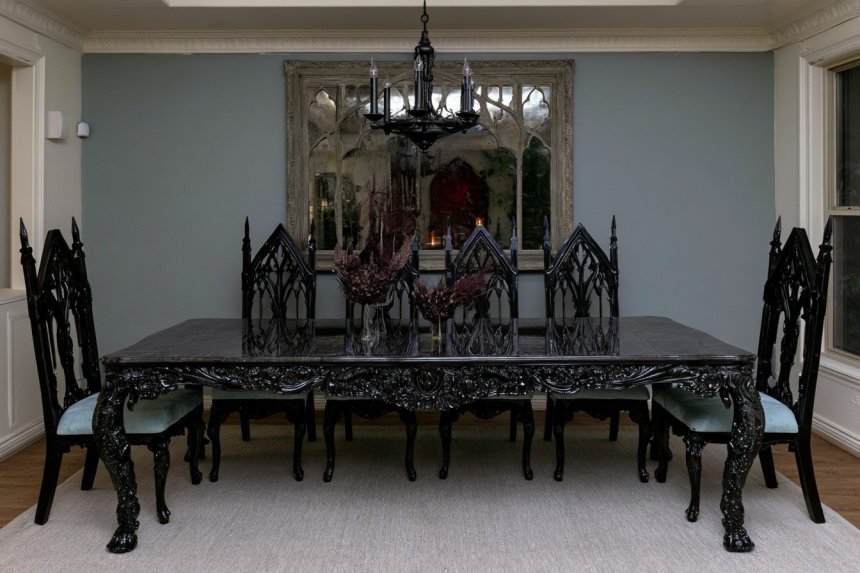
Table colors are viewed together with the walls, chairs, flooring, and available light. Rather than selecting a palette in isolation, repeat one tone already present in the room and introduce a smaller contrasting accent. This creates continuity while allowing the table to appear special for the occasion.
Highly saturated colors attract attention quickly, so they are most effective in controlled amounts. Neutral dishes can balance a vivid runner, while colorful plates may need quieter textiles. View the complete setting under the lighting used during the meal because colors can appear noticeably different after sunset.
12. Sew Placemats to Fit the Available Dining Space
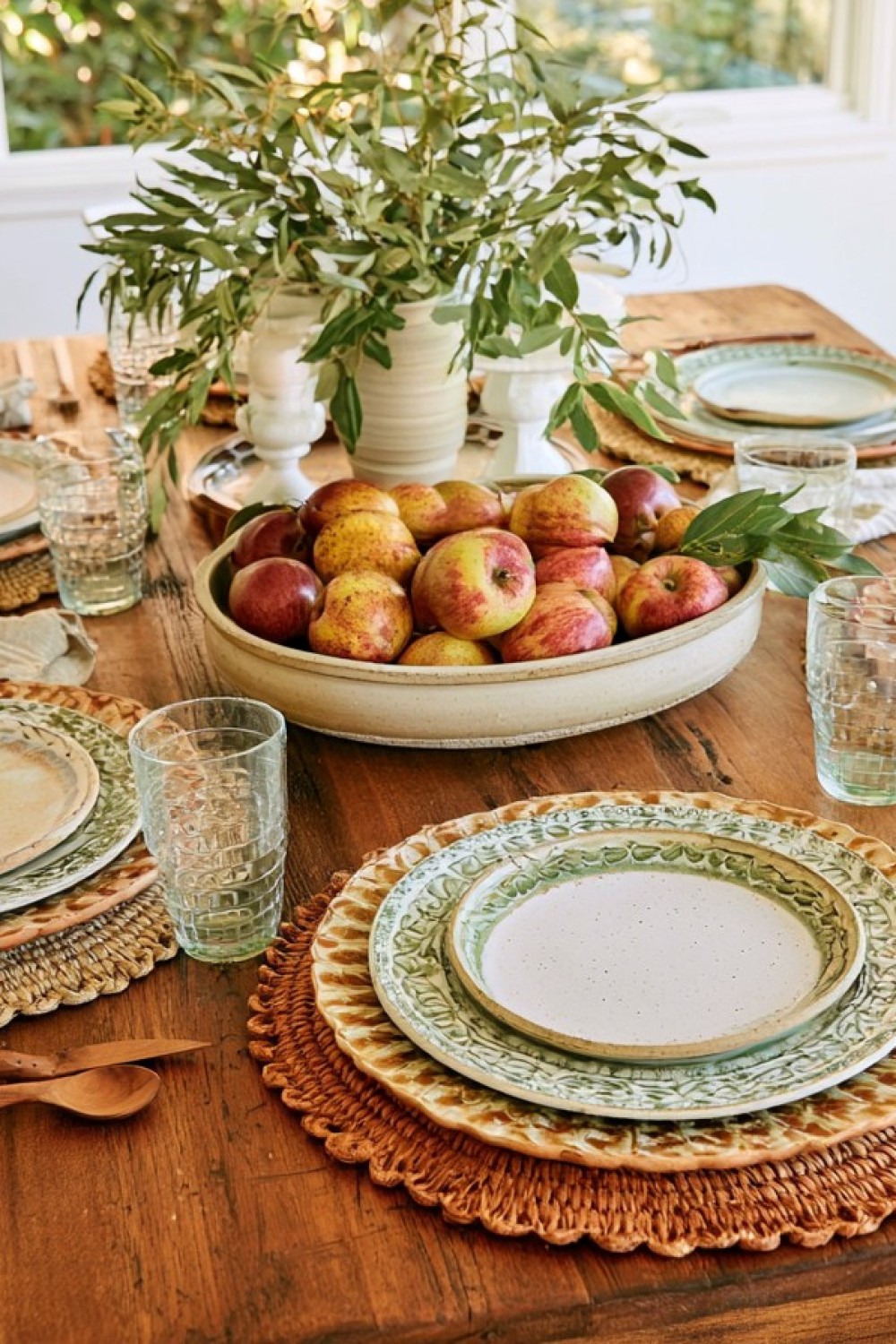
Handmade placemats can be sized for a narrow table where standard versions overlap. Place a dinner plate, cutlery, and glass on a paper template to determine the necessary dimensions before cutting fabric. Reversible construction provides two color options without doubling the amount of storage required.
Prewash fabric to account for shrinkage and choose a material that can withstand regular laundering. Secure seams and keep the finished mat flat enough to support glasses safely. Very thick padding may create instability, while loosely woven edges can catch on utensils unless they are properly bound.
13. Translate a Special Occasion into Three Details
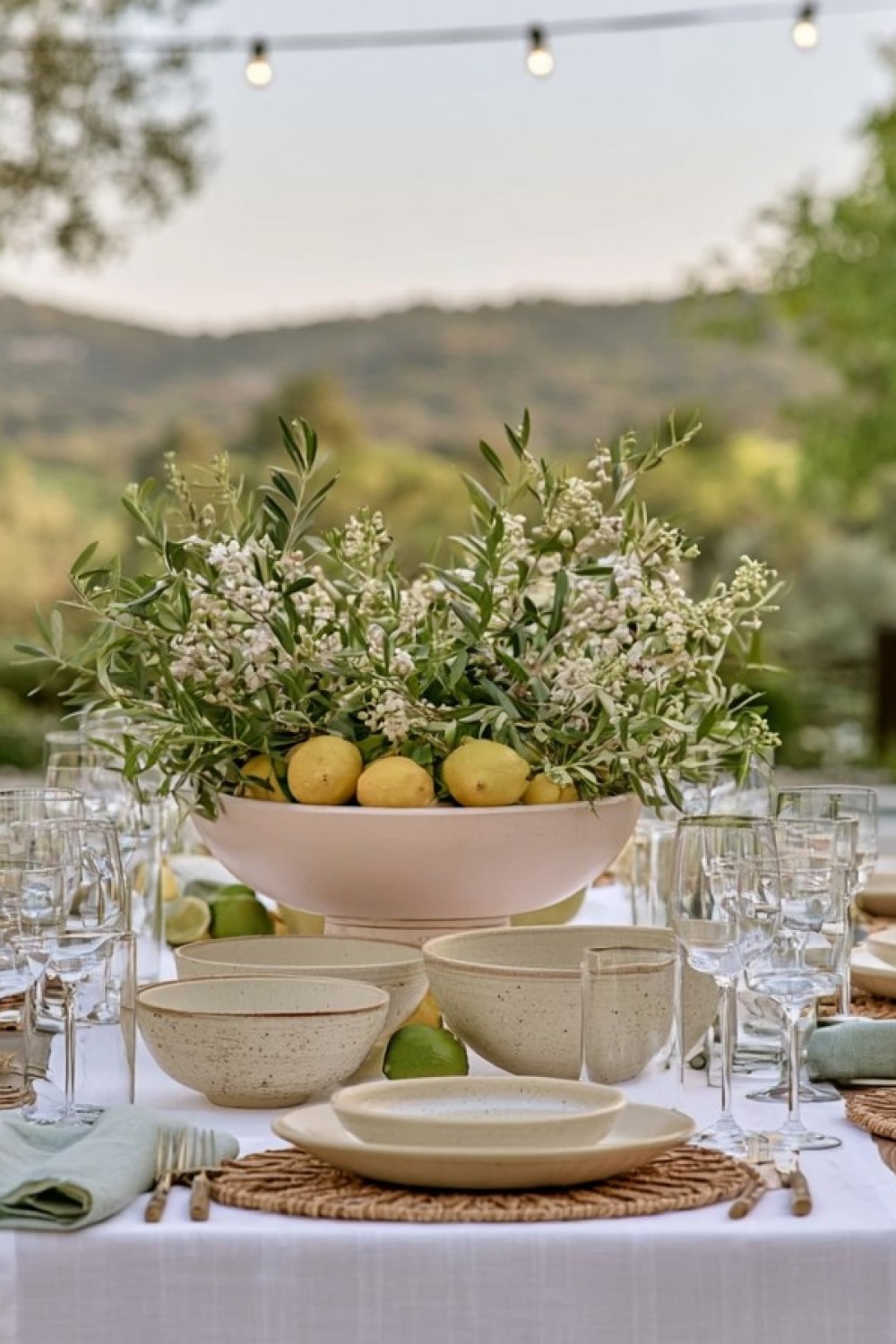
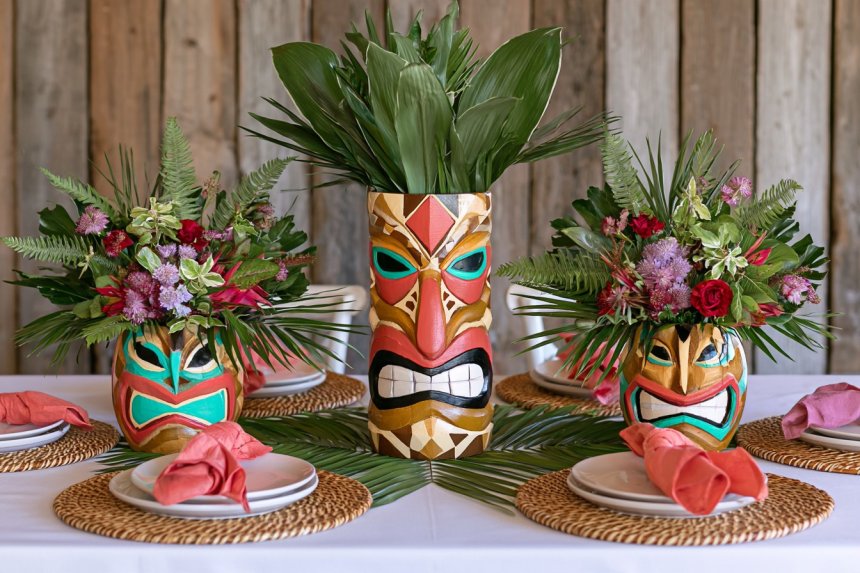
A clear theme does not require purchasing decorations printed with matching symbols. Translate the occasion through three elements, such as a selected color, a natural material, and one handmade detail. For example, a garden gathering might combine green napkins, small herb arrangements, and simple botanical place cards.
Limit themed elements to objects that support the setting or can be reused afterward. Place cards, ribbon, removable paper details, and adaptable vases require less storage than highly specific centerpieces. Avoid loose glitter and materials that can transfer to food, plates, or guests’ clothing.
14. Complete the Functional Setting Before Decorating
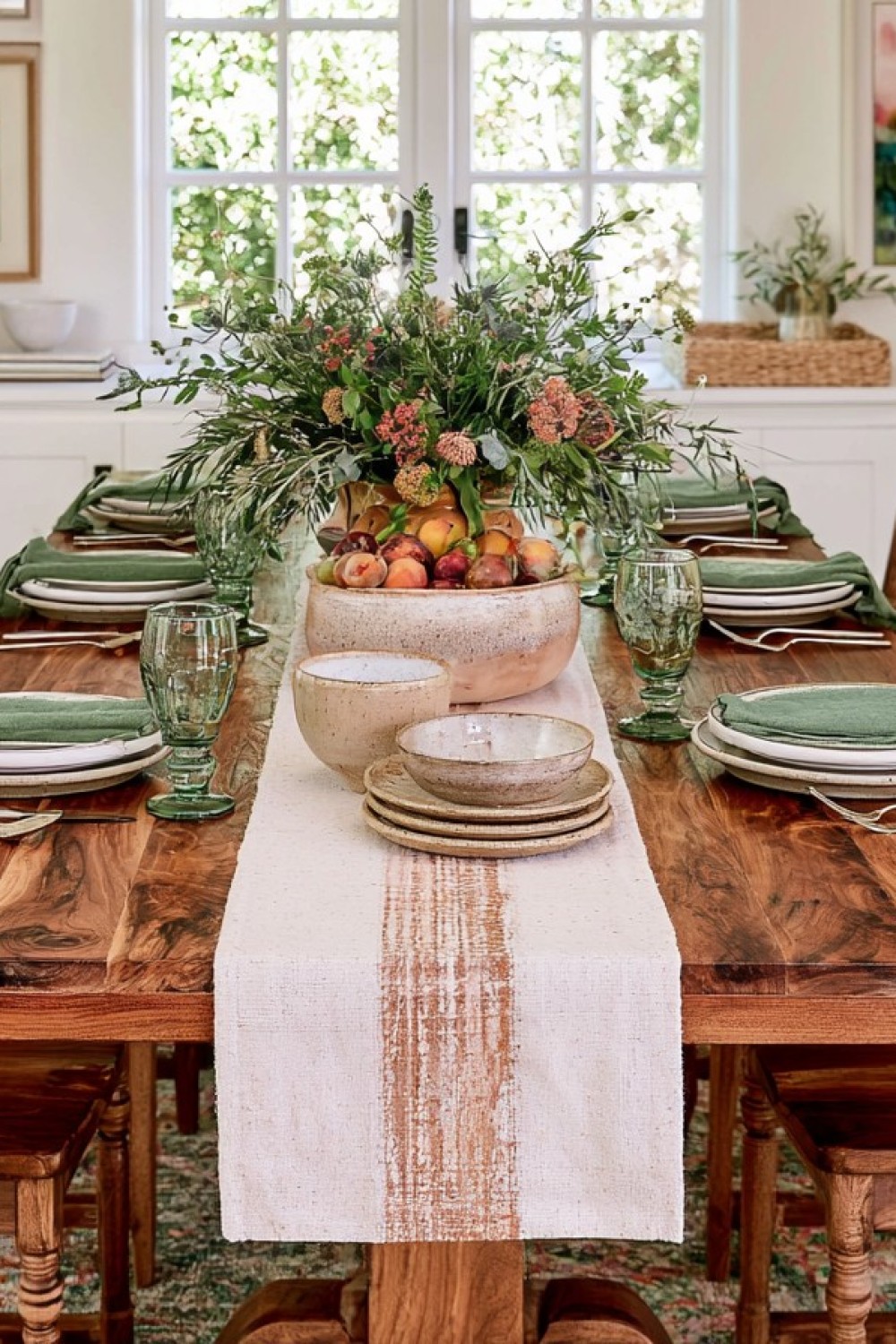
Set out the plates, glasses, serving dishes, water, and condiments before adding decorative pieces. This immediately reveals how much room is genuinely available. The arrangement should allow guests to move their arms comfortably and pass serving items without lifting them over tall or fragile objects.
Remove any element that must be shifted repeatedly once the meal begins. Decorations are most successful when guests can appreciate them without having to manage them. A simple low centerpiece, coordinated napkins, and neatly arranged tableware often produces a more convincing result than a table crowded with unrelated accessories.
MORE IDEAS


Share
What's Your Reaction?
 Like
0
Like
0
 Dislike
0
Dislike
0
 Love
0
Love
0
 Funny
0
Funny
0
 Angry
0
Angry
0
 Sad
0
Sad
0
 Wow
0
Wow
0