11 Practical Vintage Veranda Projects Using Restored and Reclaimed Materials

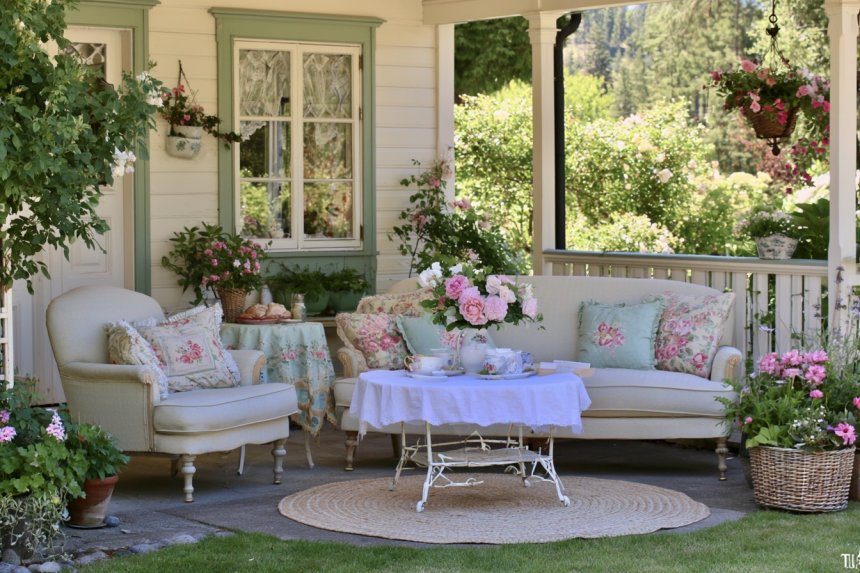
A vintage veranda feels most convincing when it combines useful outdoor furniture with pieces that show genuine age and craftsmanship. A restored bench, weathered planter, practical potting table, or group of collected containers can provide character without turning the area into a display of unrelated antiques. Every item should still contribute to seating, planting, storage, or everyday garden work.
Outdoor exposure changes how vintage and reclaimed materials must be evaluated. Wood should be inspected for rot, metal for structural corrosion, and old painted surfaces for unsafe deterioration. Drainage, wind, sunlight, and seasonal storage must also be considered before arranging the veranda. Thoughtful preparation allows aged materials to retain their character while remaining safe and manageable.
1. Restore a Wooden Bench for Dependable Outdoor Seating
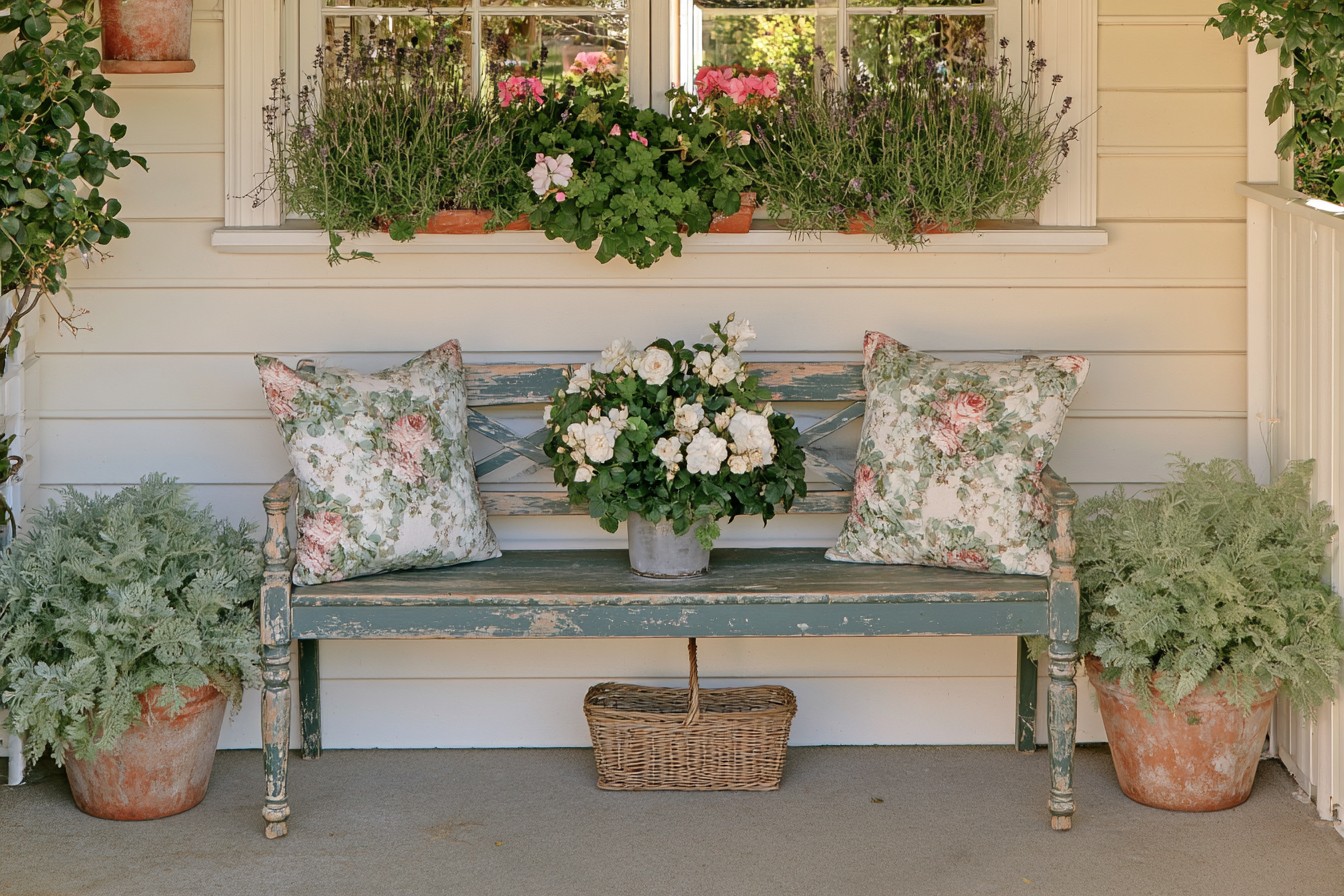
A secondhand bench can become the central seating feature when its frame and joints remain structurally sound. Check the legs, seat supports, back connections, and underside for movement, splits, rot, and insect damage. Loose joints should be repaired before the surface is sanded or refinished. Cosmetic aging should never be confused with structural weakness.
Use exterior-compatible repair materials, fasteners, and protective finishes. Seal exposed end grain and feet because these areas often absorb moisture first. Position the bench where rainwater cannot collect beneath it and allow air to circulate around the timber. Removable cushions should use washable outdoor fabric and be stored dry during severe weather.
2. Remove Active Rust from Wrought-Iron Furniture
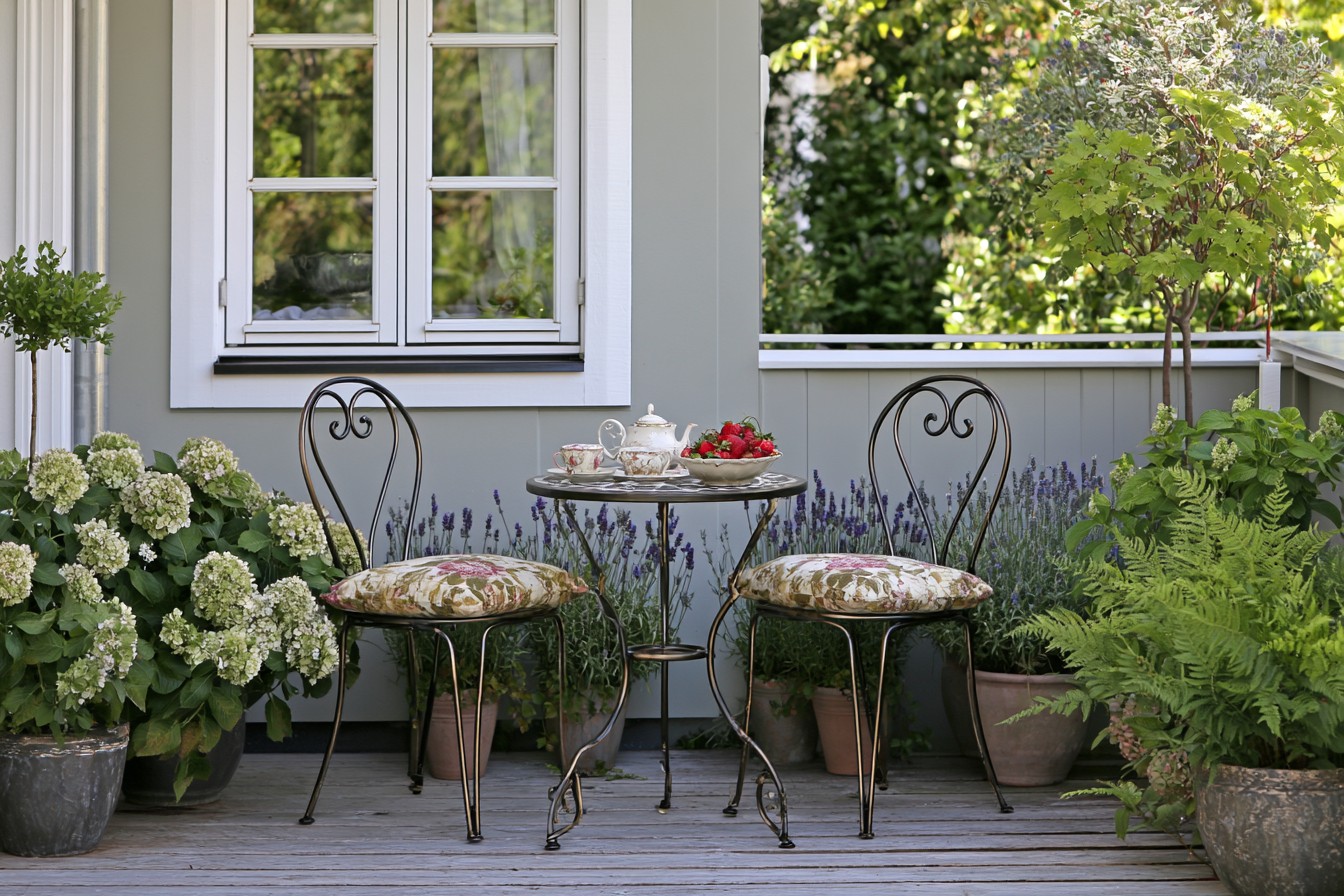
Wrought-iron furniture introduces narrow profiles and traditional detail without occupying as much visual space as solid timber pieces. Inspect welded joints, legs, seat supports, and decorative sections for deep corrosion. Light surface rust can often be treated, but severely weakened metal may require professional repair or retirement from use.
Remove loose coatings using suitable protective equipment, apply a compatible rust-inhibiting primer, and finish with exterior metal paint. Check that chairs stand evenly before use and add appropriate foot protectors to prevent scratching the veranda floor. Touch up chips promptly because exposed metal can begin corroding again.
3. Line Reclaimed Crates Before Using Them as Planters
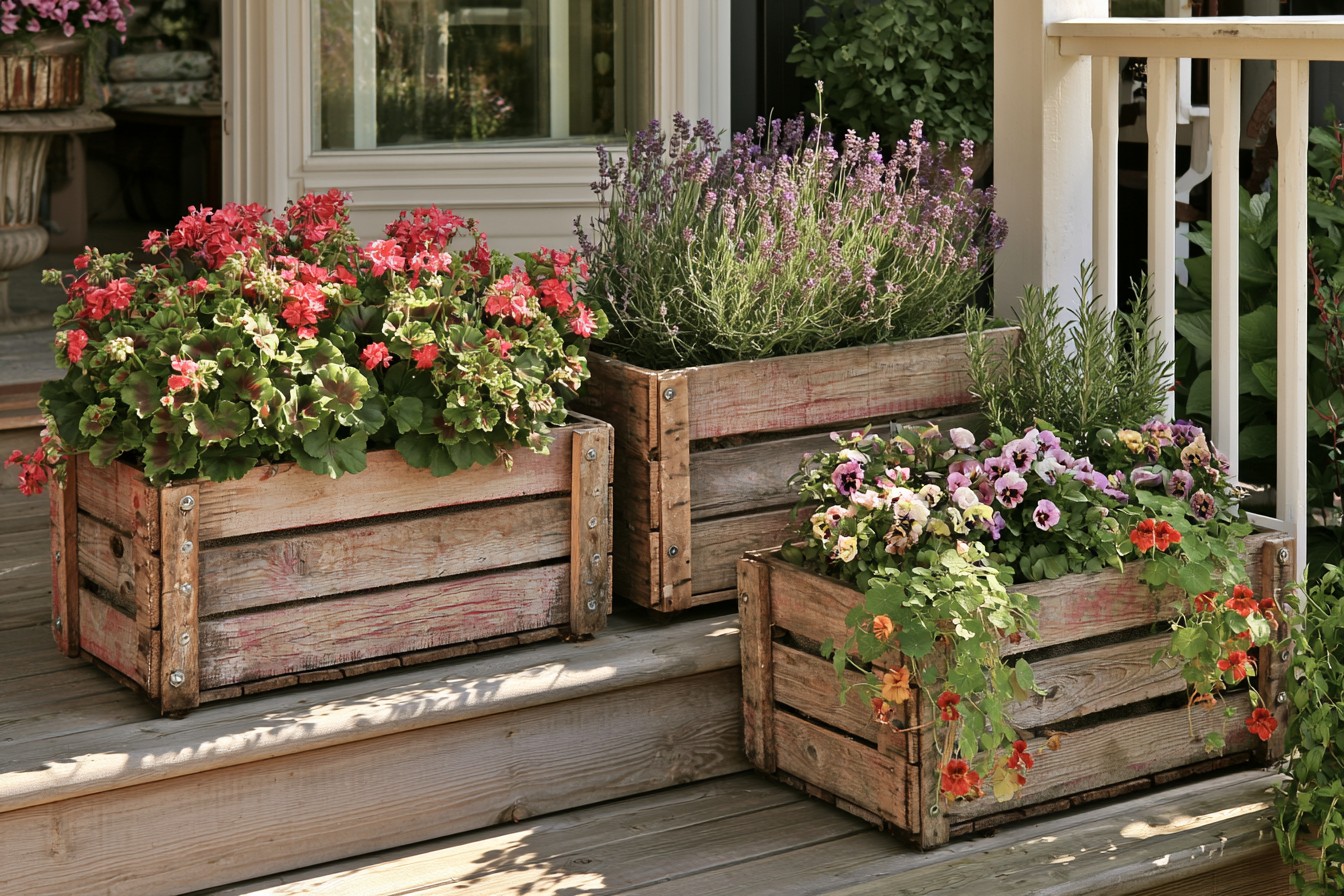
Wooden crates can hold herbs, flowers, or compact ornamental plants while reinforcing a collected garden style. Use only sound timber with a known history, avoiding stained, strongly scented, or chemically contaminated shipping containers. Reinforce loose boards and remove protruding nails before adding a liner or removable planting pot.
The container must allow excess water to drain without keeping the timber continuously wet. Raise it slightly above the floor and direct runoff away from walls and walking routes. Consider the combined weight of the crate, saturated growing material, and mature plant before placing it on a raised or load-sensitive veranda.
4. Build a Potting Table Around the Gardening Workflow
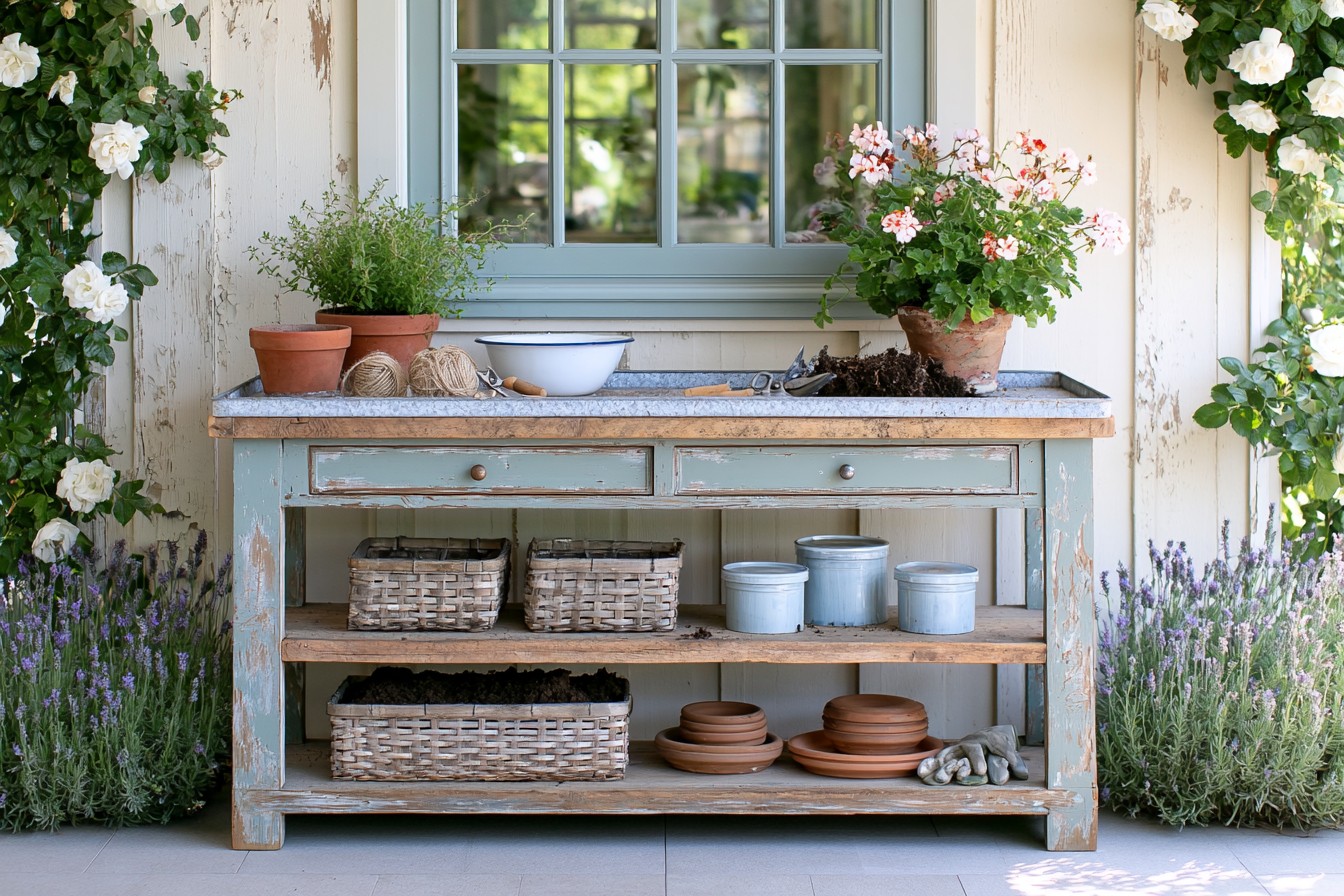
A potting table should provide a comfortable working height, a durable surface, and storage for frequently used supplies. Reclaimed boards can form the frame or top when they are clean and structurally stable. A raised back edge helps contain loose material, while lower shelves can accommodate empty pots and covered containers.
Anchor a tall or narrow table so it cannot tip when drawers or doors are opened. Use washable surfaces and corrosion-resistant fasteners, and keep tools organized rather than scattered across the worktop. Fertilizers and garden chemicals should remain in their original labeled containers and be stored securely away from children and pets.
5. Group Containers by Growing Conditions
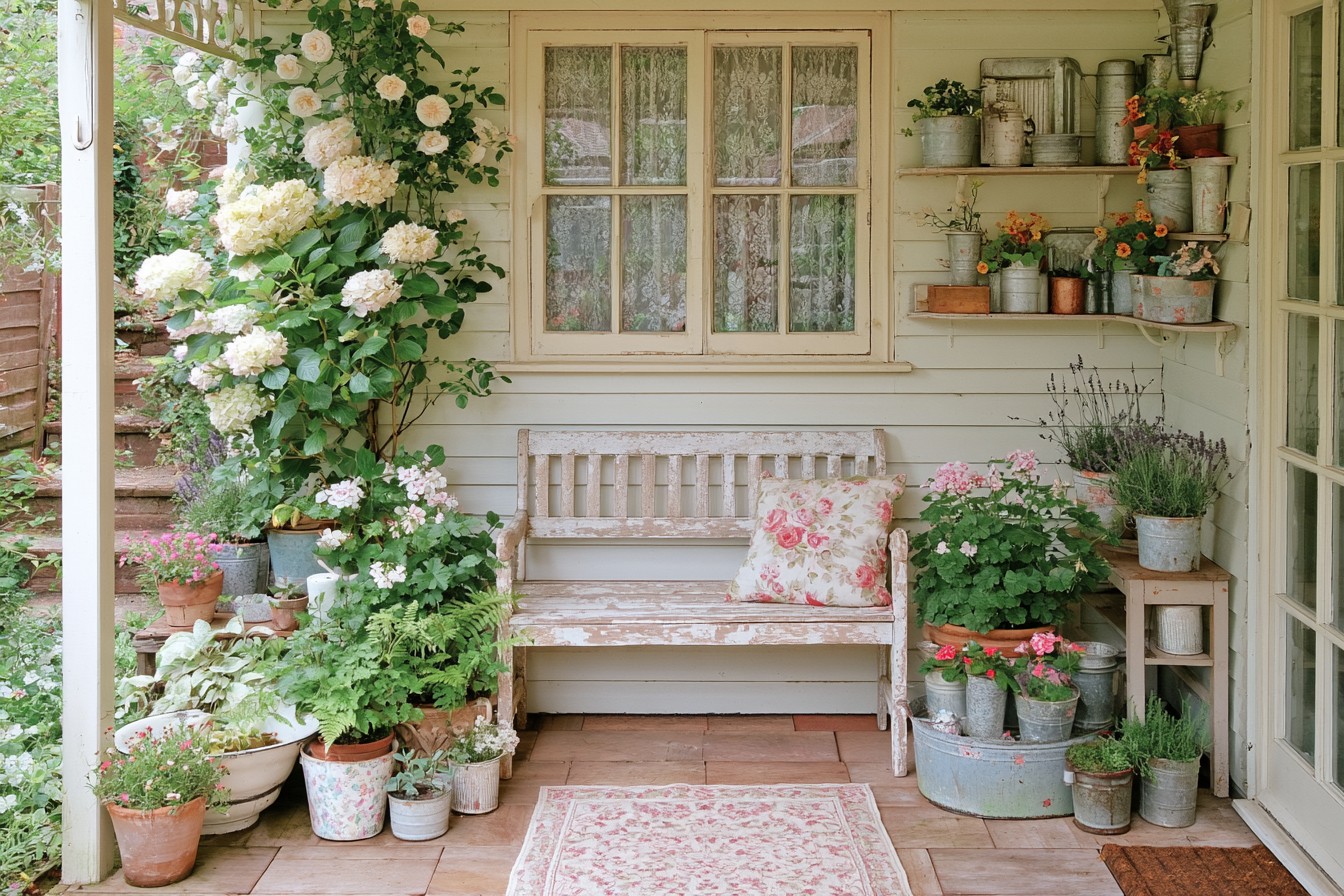
An informal container garden can combine aged terracotta, galvanized metal, ceramic pots, and simple wooden planters. Create structure by repeating one material or color and arranging containers in groups of different heights. Plants sharing similar sunlight and watering needs will be easier to maintain when placed together.
Every container requires appropriate drainage and a stable base. Keep pots away from the edges of elevated verandas and preserve a clear walking route. Large containers can become extremely heavy after watering, so position them before filling or place them on rated movable platforms with lockable wheels.
6. Sew Removable Floral Covers for Outdoor Cushions
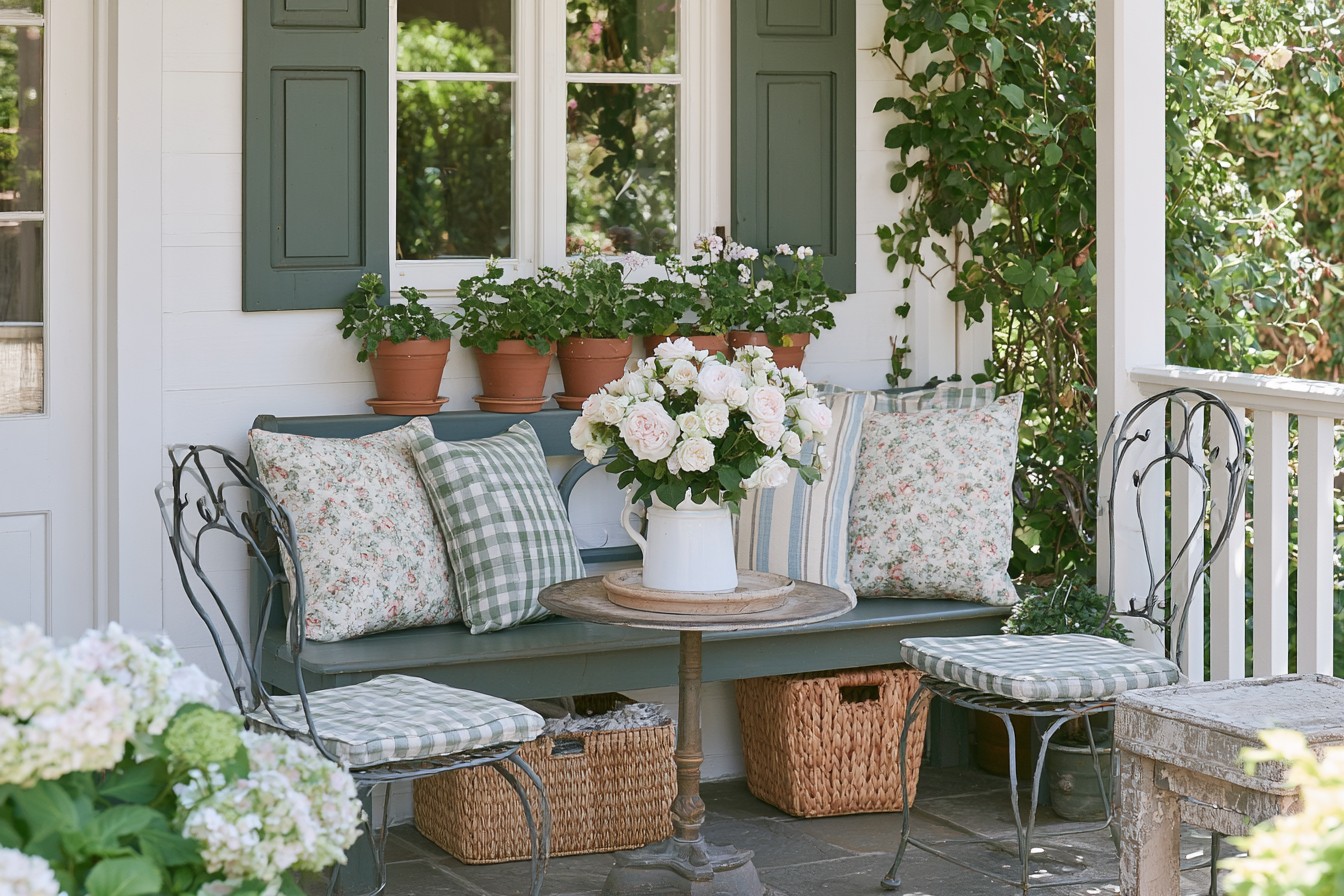
Floral cushion covers can soften metal or wooden furniture and introduce vintage pattern without making permanent changes. Select one main floral print and combine it with a stripe, check, or plain fabric in related colors. Keeping the number of patterns limited allows the aged furniture to remain visible.
Use fabric intended for outdoor conditions and prewash it when recommended. Removable zipped or envelope covers are easier to clean and replace than permanently sewn cushions. Even outdoor-rated textiles last longer when stored away from prolonged rain, intense sunlight, and winter moisture. Ensure cushions can dry fully before placing them in storage.
7. Install Reclaimed Shelves with Outdoor-Rated Hardware
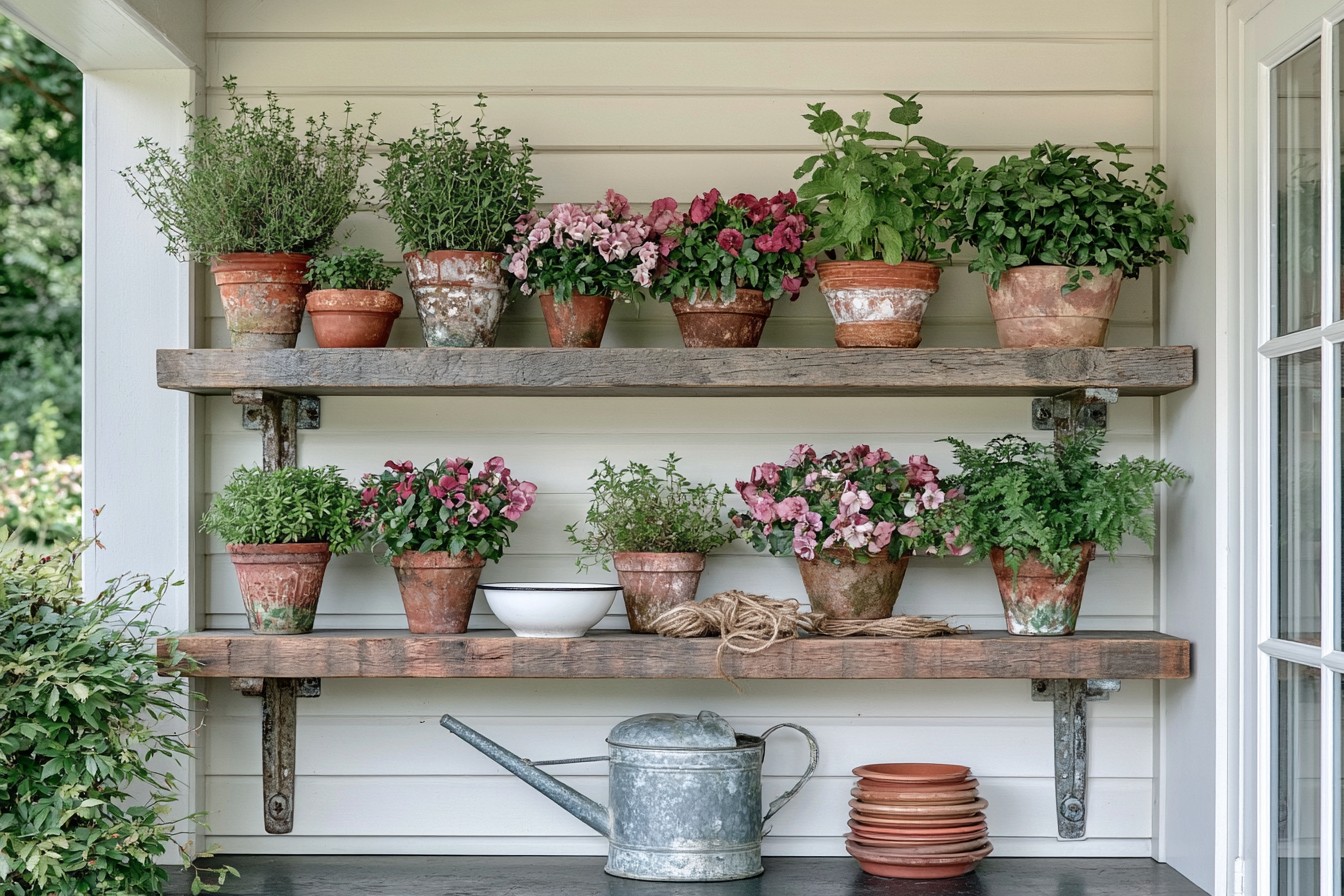
Wall shelves can hold small pots, watering accessories, or a restrained collection of garden objects without consuming floor space. Reclaimed boards should be checked for splits, rot, contamination, and concealed metal before sanding. Leaving minor marks visible can retain character as long as the surface is clean and stable.
Use corrosion-resistant brackets and fixings suited to the wall construction and expected load. Do not drill through exterior cladding or waterproofing without understanding the correct fixing method. Place heavy items on lower shelves and secure objects that could fall during wind. Shelves should not obstruct doors, lights, windows, or headroom.
8. Give Enamelware a Second Use as Removable Planter Covers
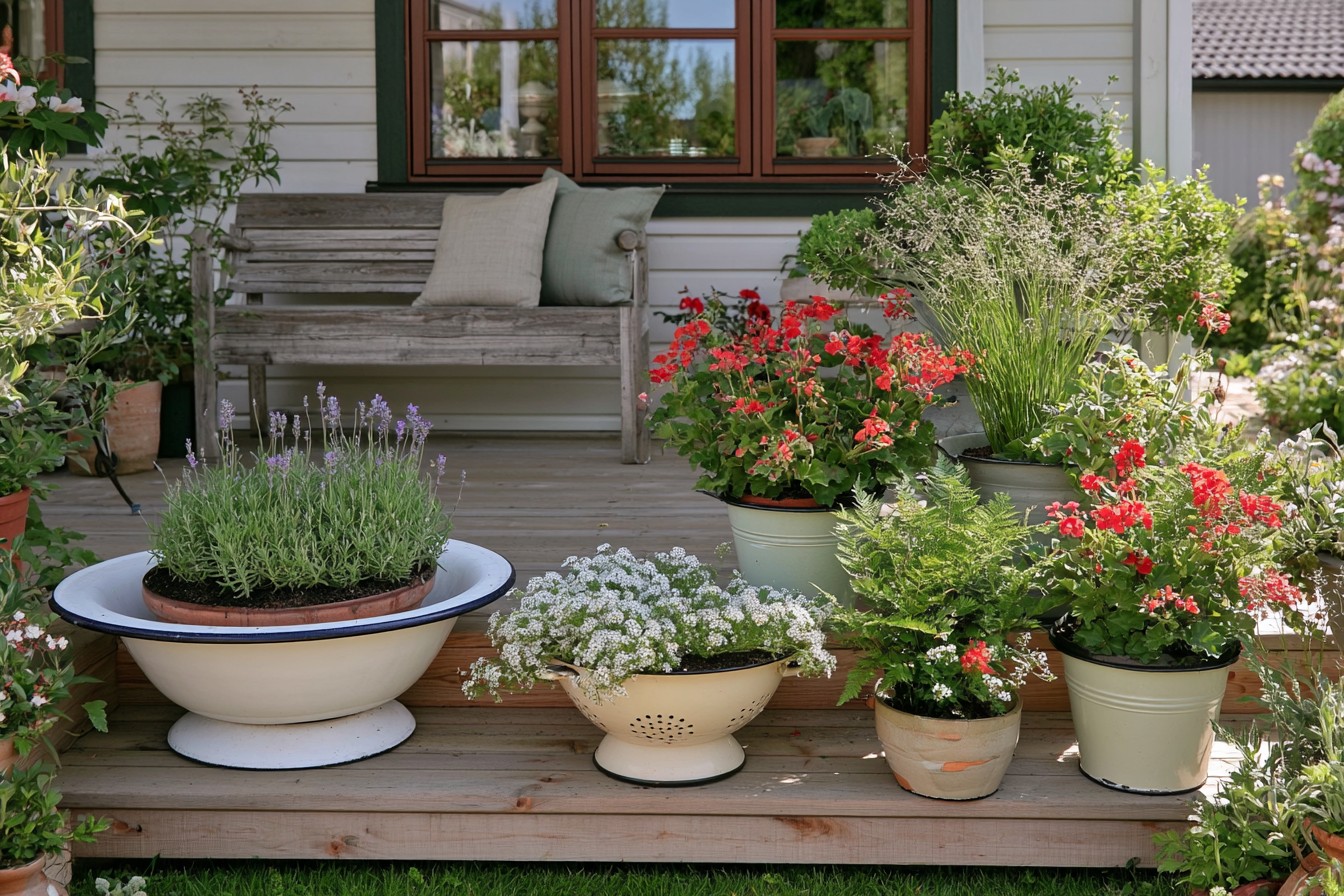
Old enamel bowls, buckets, and washbasins can provide durable color and a convincing vintage form. Using them as outer covers for removable nursery pots avoids drilling collectible pieces and makes watering easier. Chips can add visual age, but containers with sharp edges or extensive corrosion should not be used.
Empty trapped water after watering because standing moisture can accelerate rust and damage roots. If planting directly inside a nonvaluable piece, provide sufficient drainage holes and protect any exposed metal. Avoid containers that previously held hazardous materials, and place broad trays beneath them when runoff could stain the veranda floor.
9. Paint a Floor Pattern Only on a Sound Surface
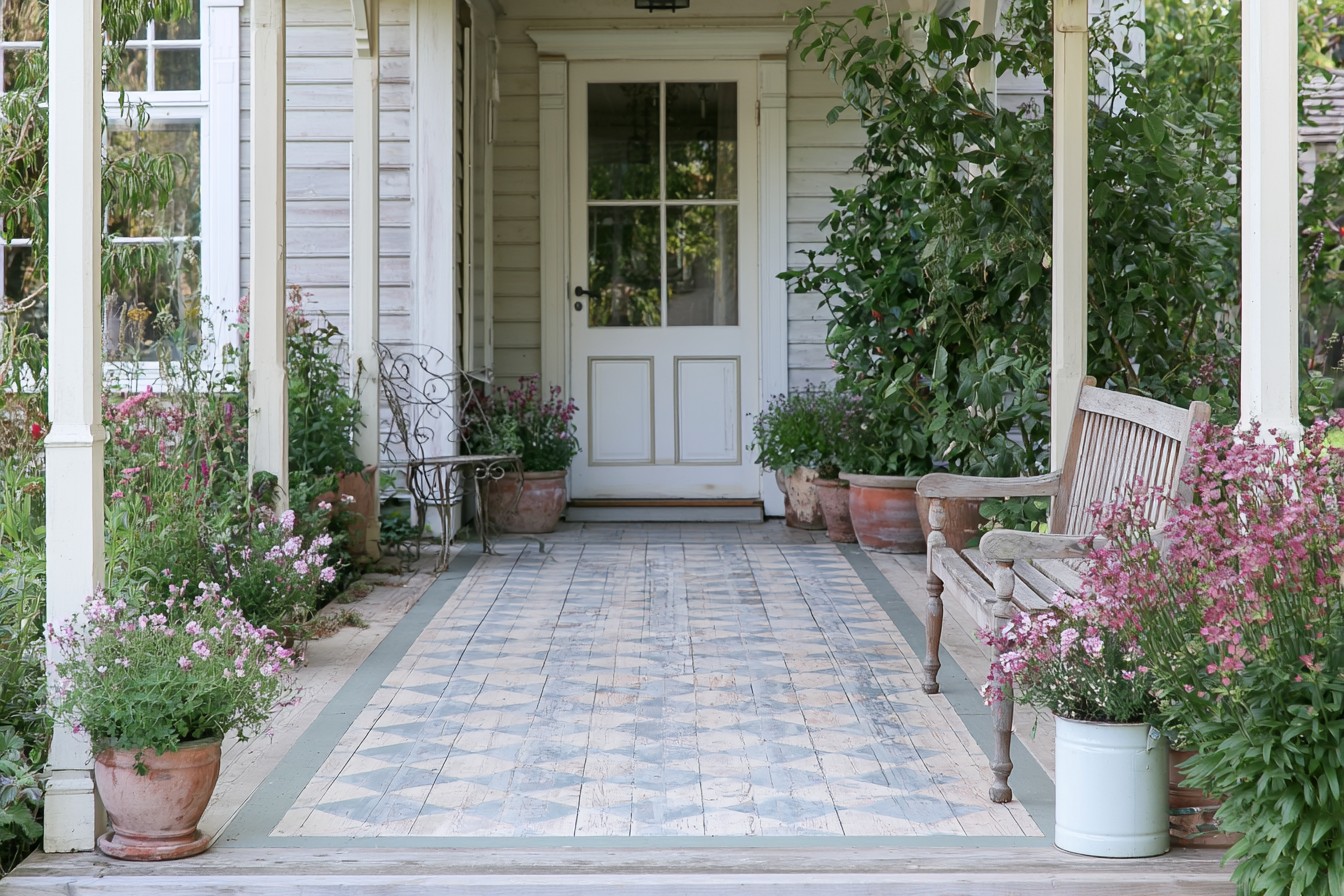
A painted border, checkerboard, or restrained floral stencil can give a plain veranda floor the character of an old tiled surface. Select a pattern that relates to the scale of the space and test its layout with removable tape. Broad motifs are generally easier to align and maintain than intricate designs.
Repair loose boards, cracks, rot, or moisture problems before applying a decorative coating. Use preparation products and exterior floor paint compatible with the existing surface. The finished coating should be suitable for foot traffic and should not become dangerously slippery when wet. Preserve drainage paths and allow the paint to cure fully before replacing furniture.
10. Organize Garden Tools at the Point of Use
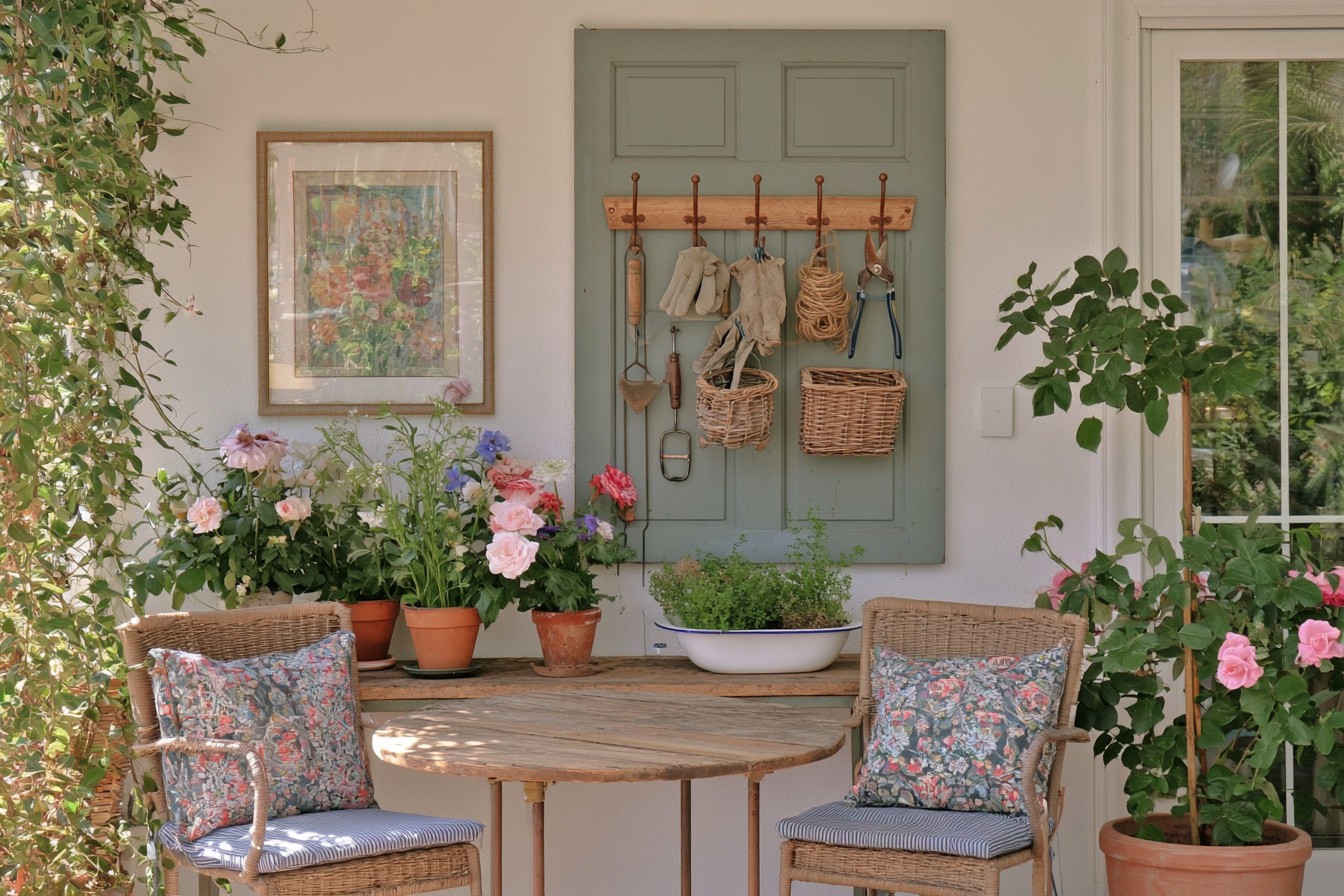
A dedicated tool station prevents hand tools, gloves, labels, and watering accessories from spreading across the veranda. Use secure hooks for tools with hanging holes, a tray for frequently used small items, and a closed container for products that need protection from weather. Position everyday tools between waist and shoulder height.
Hooks and shelves must be rated for their load and mounted into appropriate support. Keep sharp edges and heavy tools away from seating and children’s reach. Clean soil from tools before storing them, allow wet equipment to dry, and relocate anything likely to rust during prolonged damp weather.
11. Grow Privacy on a Trellis Designed for Mature Weight
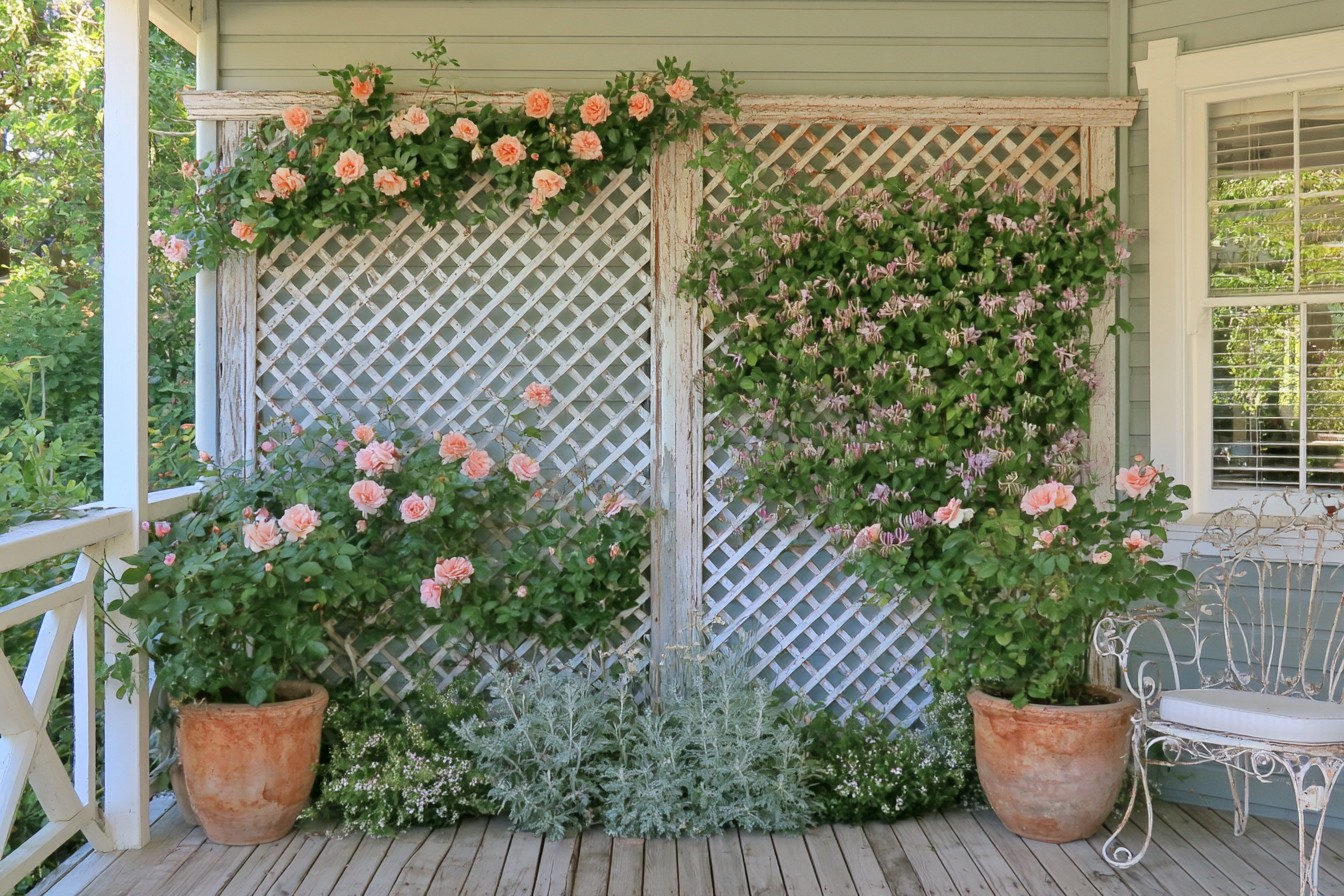
A climbing plant can provide partial privacy while preserving airflow and a connection to the garden. Choose the plant according to sunlight, climate, mature size, and the amount of pruning it will require. A deciduous climber may allow more winter light, while an evergreen option can provide coverage for longer periods.
The trellis must support the mature plant when wet and exposed to wind. Install it independently where possible rather than allowing vigorous growth to enter roofing, gutters, cladding, or window frames. Maintain access for painting and repairs, and confirm that the chosen species is suitable for the location before planting.
Preserve Age Without Ignoring Outdoor Conditions
A vintage veranda should appear collected gradually, but every piece still needs a clear purpose and safe location. Begin with dependable seating and a functional work or storage surface. Add containers, textiles, and display objects only after circulation, drainage, weather exposure, and maintenance requirements have been resolved.
Inspect restored and reclaimed pieces at the beginning and end of each outdoor season. Repair loose joints, treat new rust, refresh damaged finishes, and remove materials that have become unstable. Regular maintenance allows genuine patina to remain visible without permitting attractive wear to develop into a safety problem.
MORE IDEAS


Share
What's Your Reaction?
 Like
0
Like
0
 Dislike
0
Dislike
0
 Love
0
Love
0
 Funny
0
Funny
0
 Angry
0
Angry
0
 Sad
0
Sad
0
 Wow
0
Wow
0