13 Indoor Plant Displays Planned for Light, Space, and Daily Care

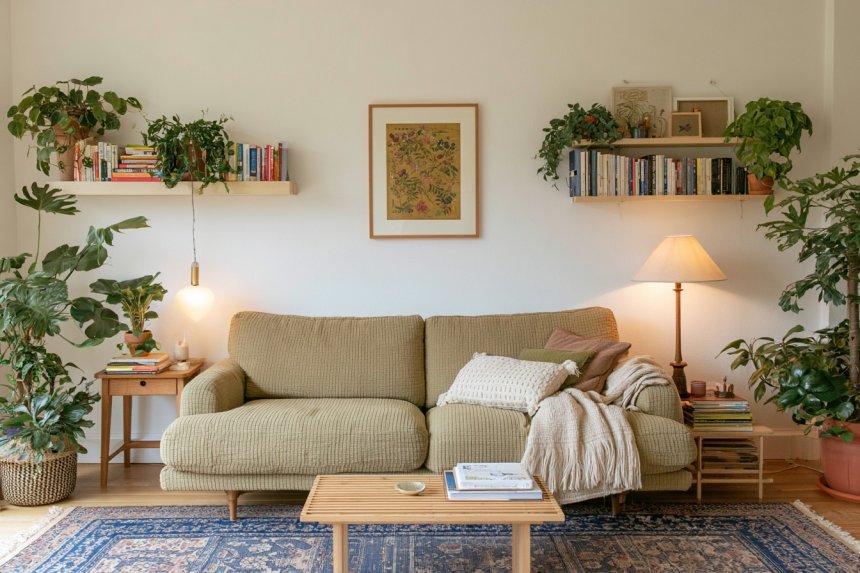
Indoor plants are most successful when their placement is based on growing conditions rather than an empty shelf or decorative trend. Light direction, temperature, humidity, available space, and watering access determine whether a plant will remain manageable in a particular room. A display should also protect furniture and flooring while allowing each container to be inspected, rotated, and cleaned.
Before purchasing a plant, research its mature size and care requirements rather than judging only its current appearance. Check whether the species is appropriate for a home with children or pets, and place potentially harmful plants safely out of reach. Every decorative container should include drainage or hold a removable nursery pot so excess water can be managed without damaging surrounding surfaces.
1. Build a Layered Plant Corner Around Natural Light
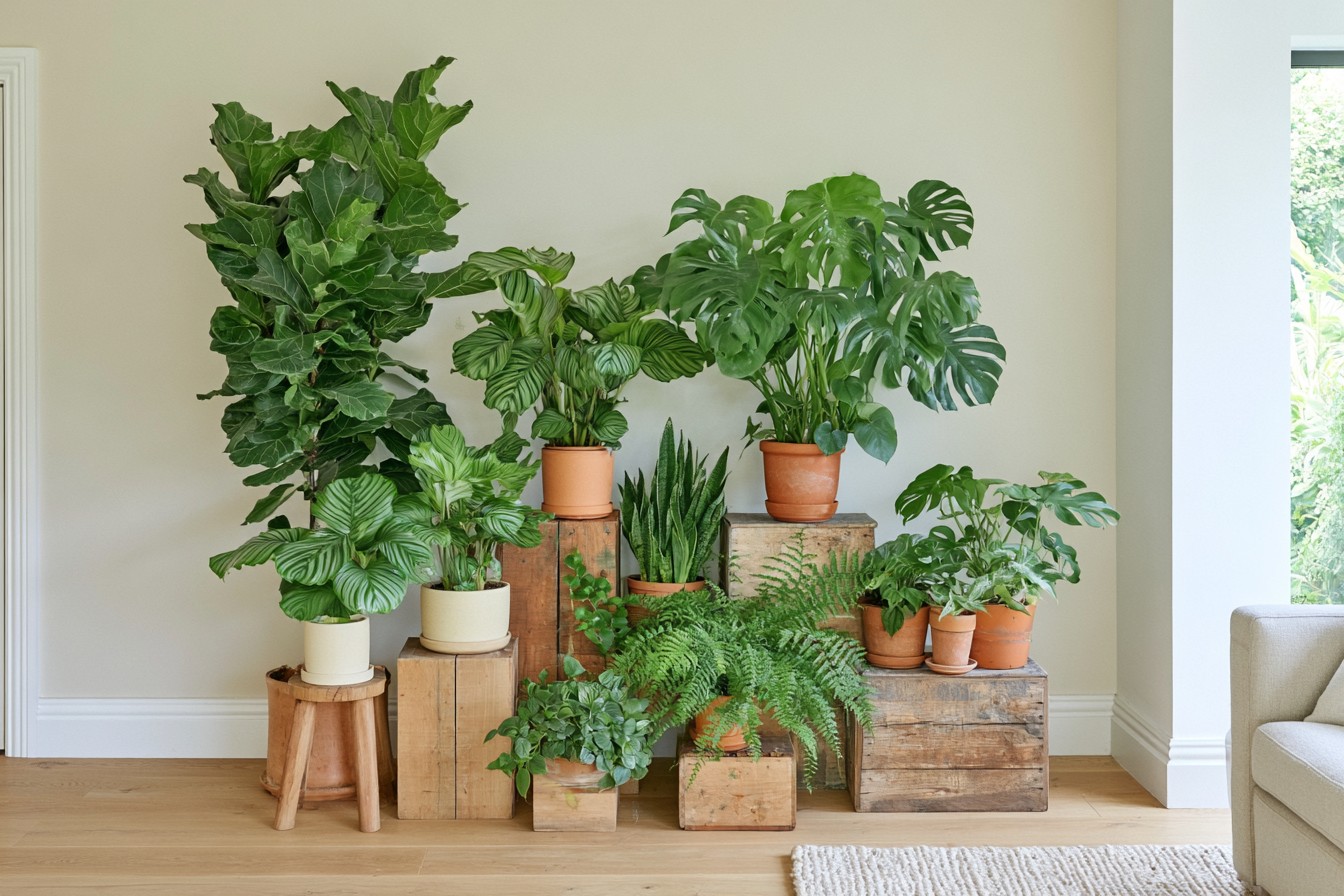
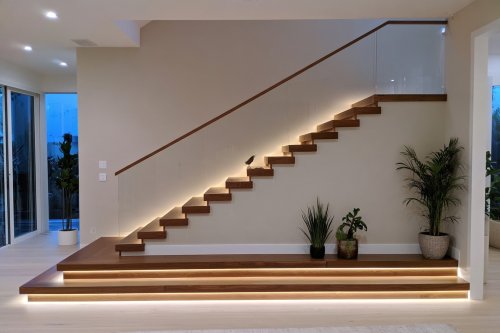
A layered plant corner can combine one floor plant, a medium-height specimen on a stable stand, and smaller pots on a nearby shelf. Different heights allow foliage to remain visible without requiring a large number of plants. Select species with compatible light requirements so they can share the location without some receiving too much or too little exposure.
Leave enough space between containers for airflow and access during watering. Heavy pots should remain on the floor or the lowest level, while stands need broad, stable bases. Use waterproof saucers beneath every container and avoid placing foliage where it blocks curtains, heating controls, vents, or the main route through the room.
2. Arrange a Window Display Without Blocking Ventilation
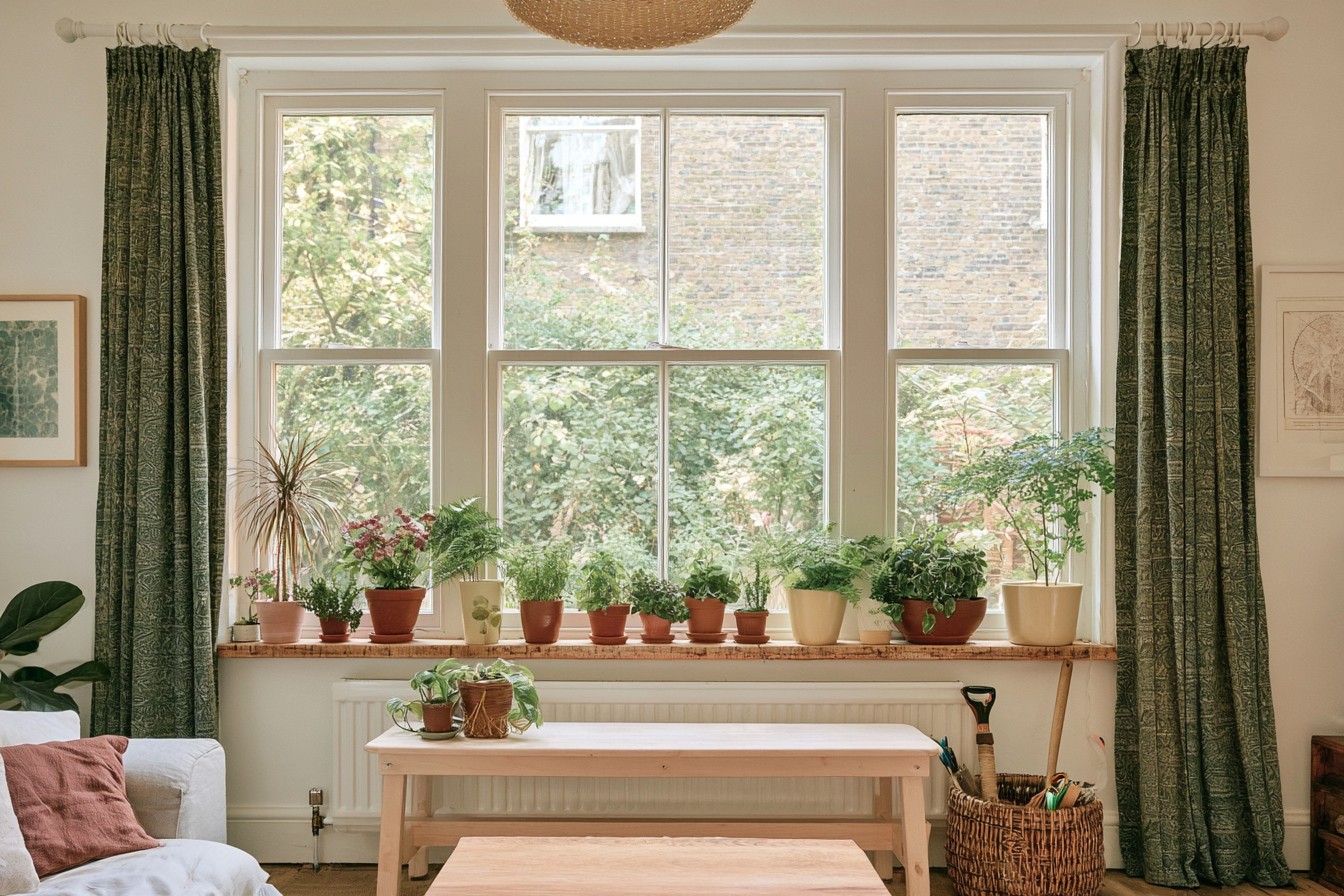
A window ledge or freestanding shelf can provide valuable light for compact plants. Observe how direct sunlight moves across the area throughout the day before deciding what to place there. Intense afternoon sun can damage species that prefer indirect light, while a deeply shaded window may not support sun-loving plants.
Keep handles, locks, blinds, and ventilation openings accessible. Containers should not balance on a ledge narrower than their bases, and hanging systems require fixings suitable for the expected wet weight. Rotate pots gradually if plants lean toward the glass, but avoid repeatedly moving sensitive species between very different light conditions.
3. Position a Kitchen Herb Station for Regular Harvesting
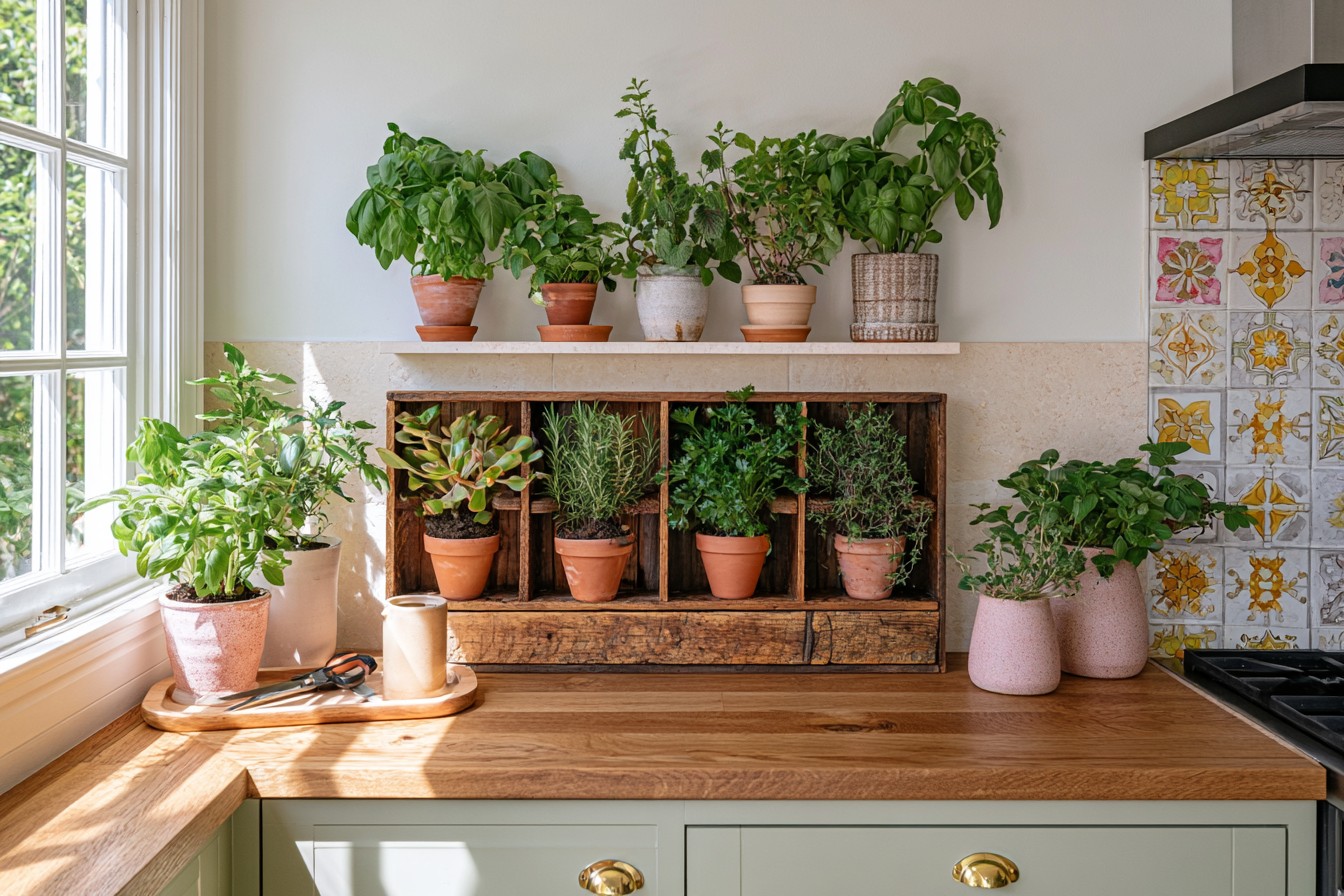
A kitchen herb station is most useful when it contains herbs that are regularly used in cooking. Group pots on a washable tray near adequate light, but keep them away from direct heat, grease, and food-preparation areas where soil could spill. Individual containers make it easier to respond to different watering needs.
Use clean potting material and containers with reliable drainage. Harvest herbs with clean tools and identify every plant correctly before consuming it. Inspect the leaves regularly for pests or deterioration, and replace struggling plants rather than relying on decorative containers to conceal poor growing conditions.
4. Convert Safe Containers into Removable Planter Covers
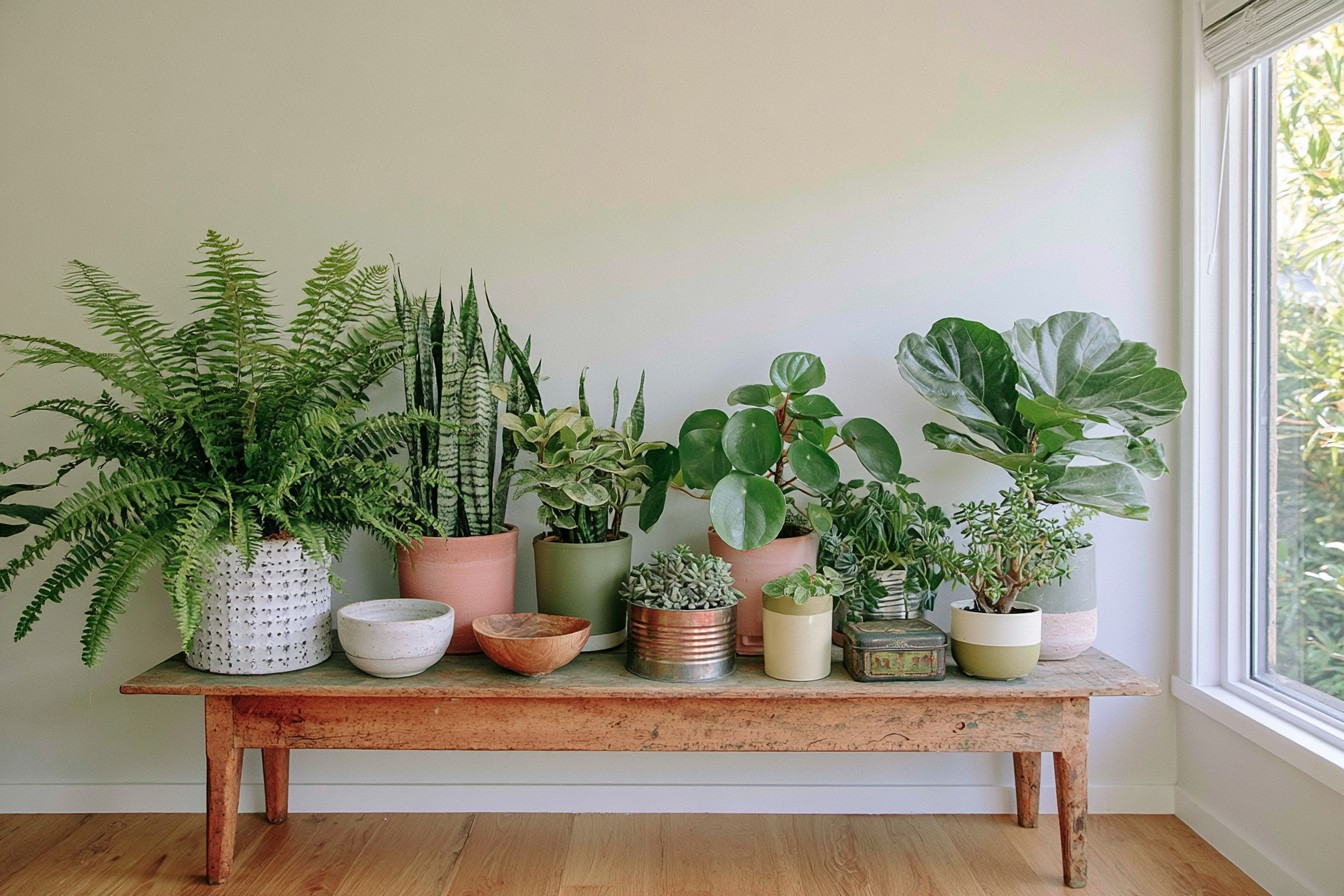
Metal tins, sturdy jars, wooden boxes, and other clean containers can become decorative covers for ordinary nursery pots. Using them as outer covers is often simpler than planting directly inside because the inner pot can be removed for watering and drainage. A repeated paint color or material can make different containers appear connected.
Do not reuse containers that held hazardous substances or materials that cannot be cleaned thoroughly. Cover sharp metal edges, protect surfaces from rust, and confirm that the container will not tip under the plant’s weight. Empty any water collected inside the outer cover so roots do not remain submerged.
5. Define an Open-Plan Room with Freestanding Greenery
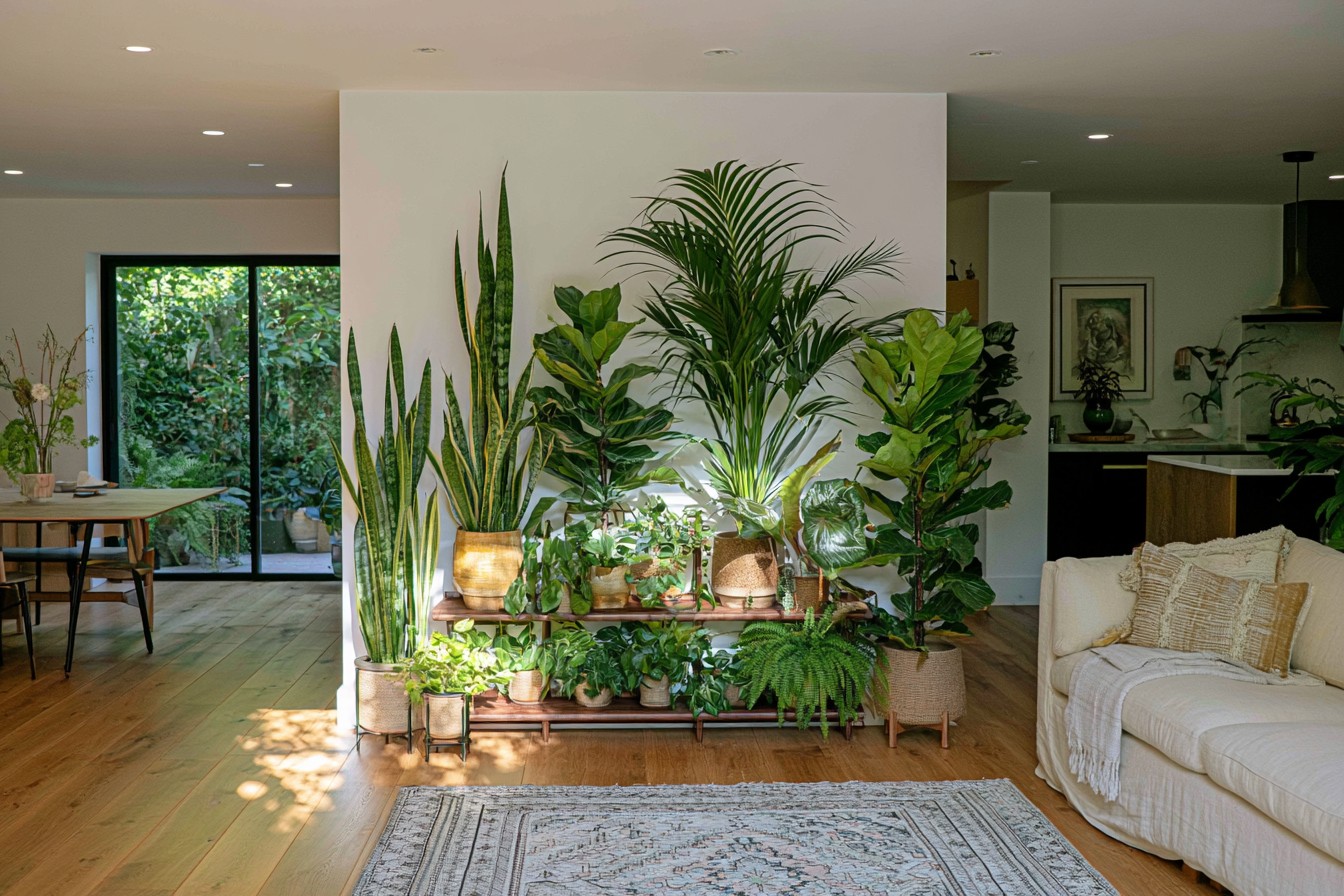
Tall plants can suggest a boundary between dining, working, and seating areas without constructing a solid divider. Use a limited group with foliage that remains reasonably contained so leaves do not project into walkways. A low console or open shelving unit may provide additional stability and define the division more clearly.
Maintain a comfortable passage on both sides and avoid placing pots where they create an obstacle in dim evening light. Large containers become difficult to move once filled, so test the layout with temporary objects first. Wheeled plant platforms should be rated for the total weight and fitted with reliable locks.
6. Combine Shelf Plants with Deliberate Empty Space
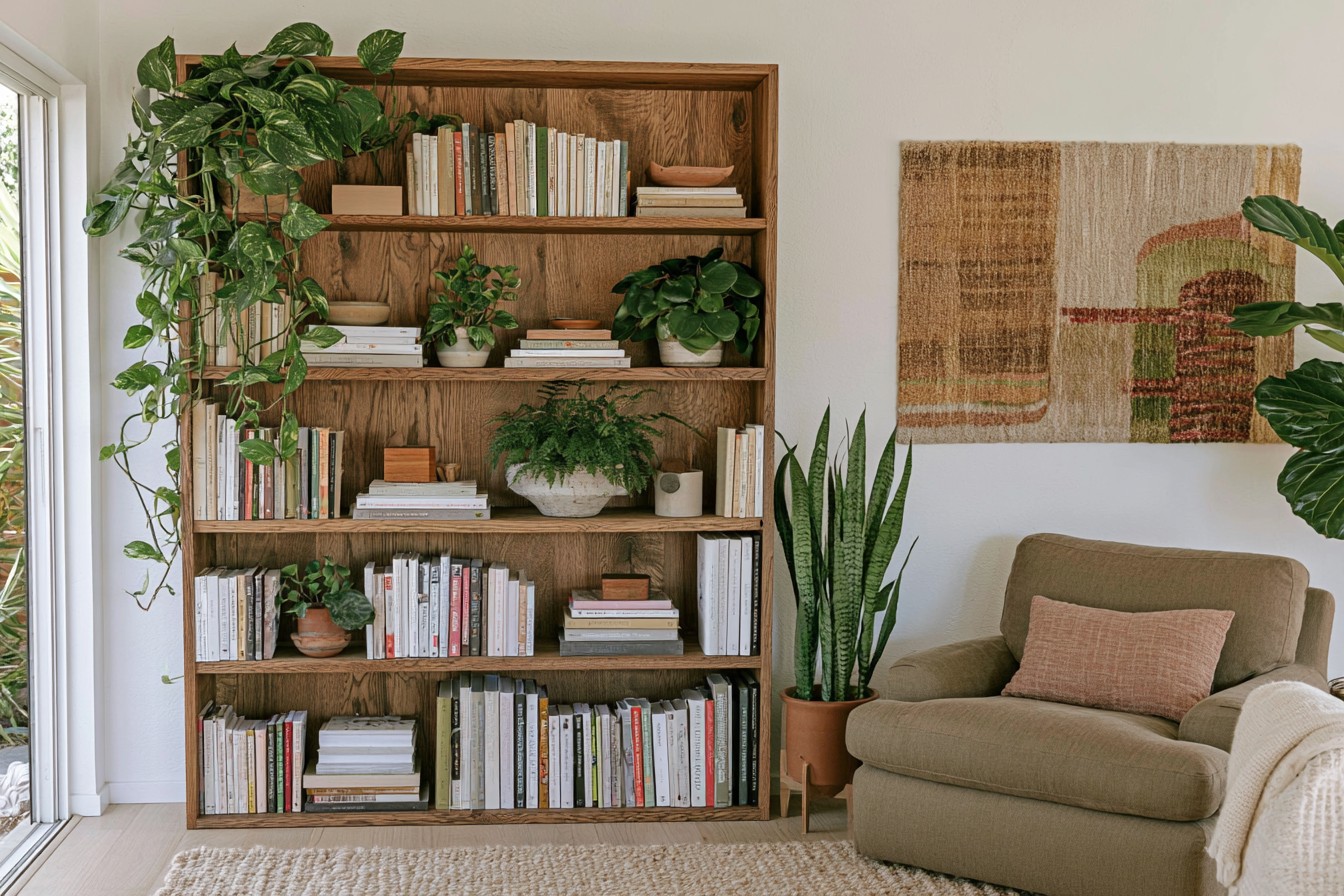
A plant does not need to occupy every shelf opening. Place greenery near objects with different shapes, such as books or a ceramic vessel, and leave open areas around the foliage. This allows the plant’s form to remain visible and makes routine cleaning easier. Trailing growth can soften a shelf but should not conceal items used frequently.
Confirm the shelf’s load capacity and include the weight of saturated soil when evaluating it. Use watertight saucers and remove pots for watering whenever possible. Plants should remain far enough from books, artwork, electronics, and untreated timber to prevent damage from moisture or falling soil.
7. Create a Propagation Area with Clear Labels
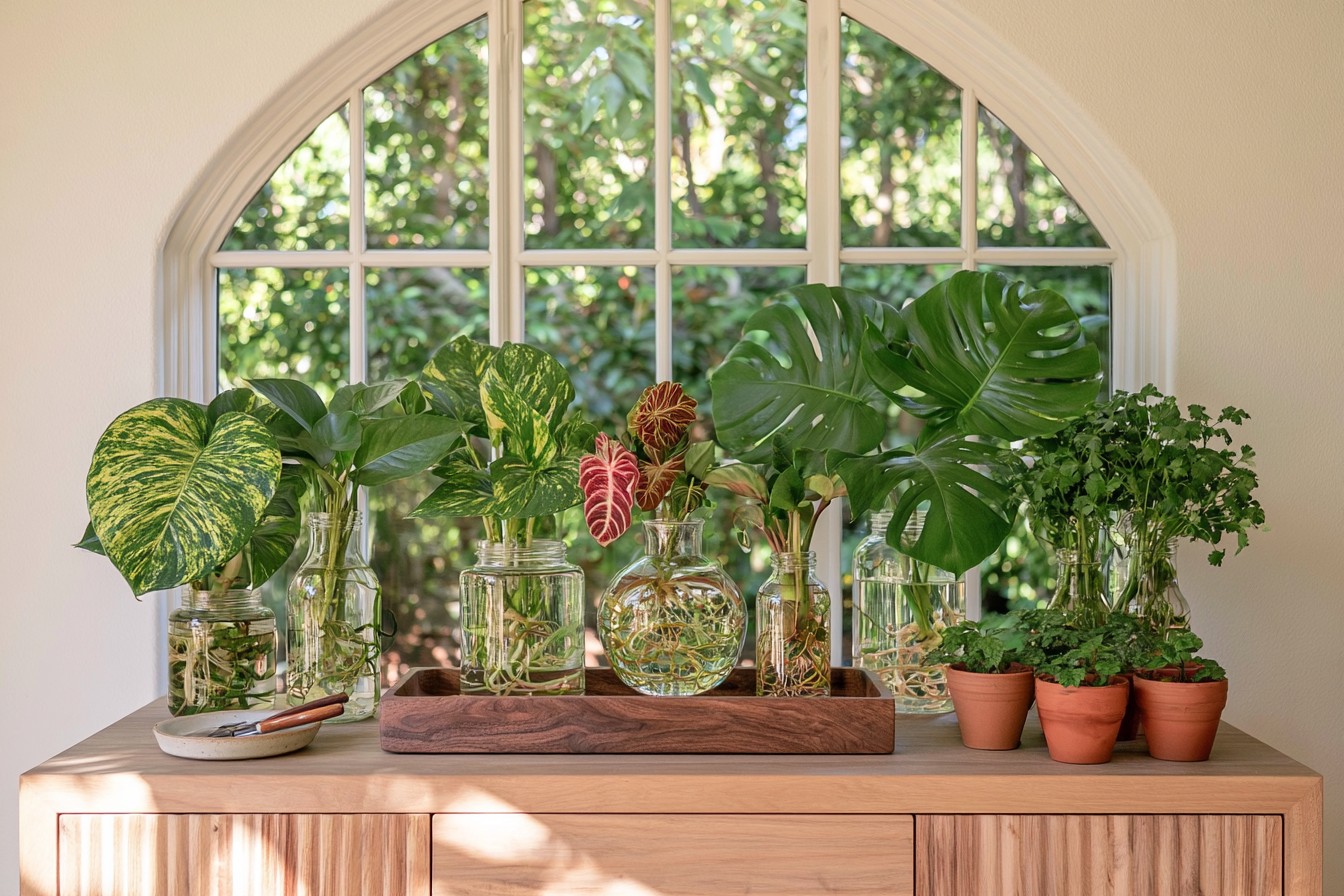
A propagation display can turn plant care into a visible project. Group a small number of compatible cuttings in clean vessels and label each with the plant name and starting date. This record makes it easier to monitor progress and determine when a cutting has remained in water longer than intended.
Research the correct propagation method for each species before cutting the parent plant. Use clean tools, refresh water as needed, and remove deteriorating material promptly. Narrow glass vessels can tip easily, so place them on a stable tray away from electrical equipment, direct heat, pets, and table edges.
8. Use Seasonal Flowers as a Temporary Focal Point
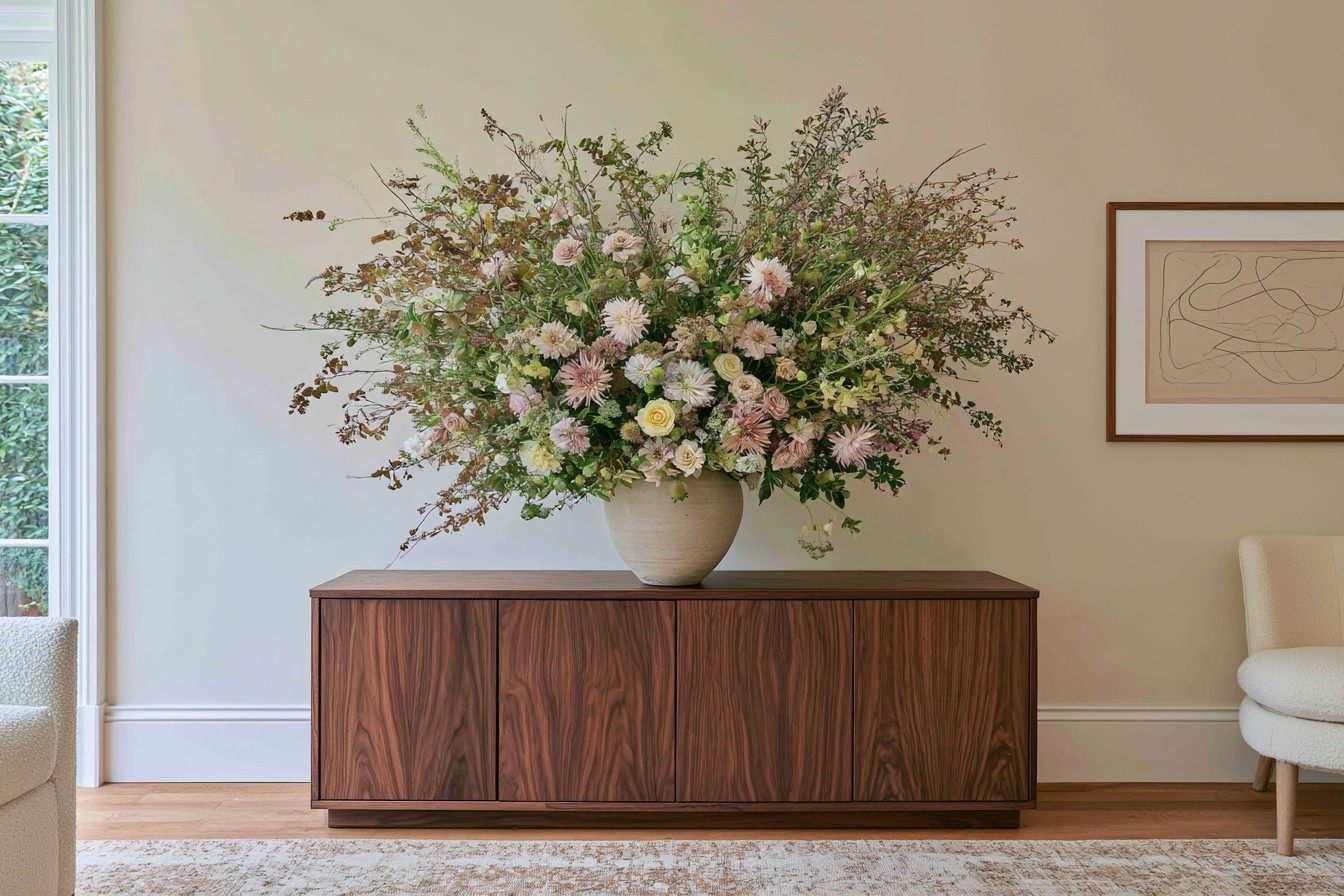
Seasonal flowers can change a room’s color without adding permanent decorative objects. Choose one primary variety and support it with limited foliage rather than mixing many unrelated forms. Short arrangements are practical for dining tables, while taller stems can work on an entry console where they will not interrupt conversation.
Use a clean, stable vase and place a protective mat beneath it. Trim stems with appropriate tools, replace cloudy water, and remove fading material before it drops onto furniture. Consider fragrance sensitivities and the safety of the chosen flowers in households with children or pets.
9. Preserve Dried Flowers in a Protected Wall Display
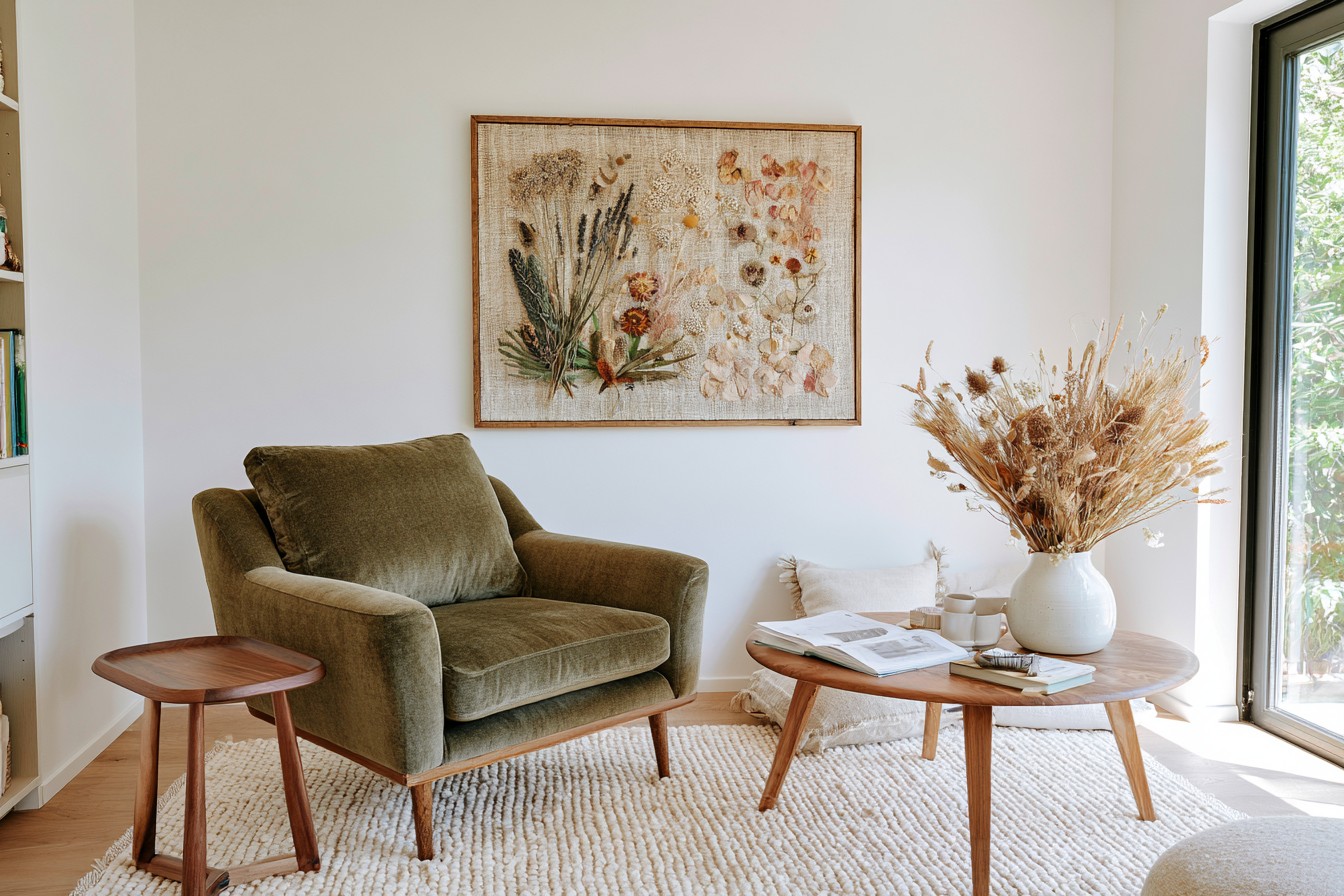
Dried flowers can become a framed composition, shallow wreath, or hanging botanical study. Limit the palette and arrange the material on a table before attaching it permanently. A backing board or deep frame can protect delicate pieces and reduce the amount of loose material that falls into the room.
Dry plant material can be brittle and combustible, so keep it well away from cooktops, heaters, open flames, and hot light fixtures. Use secure wall fixings and avoid placing a fragile arrangement above a bed or busy seating area. Dust it gently and discard any material showing mold or insect activity.
10. Keep Bedroom Plants Simple and Easy to Maintain
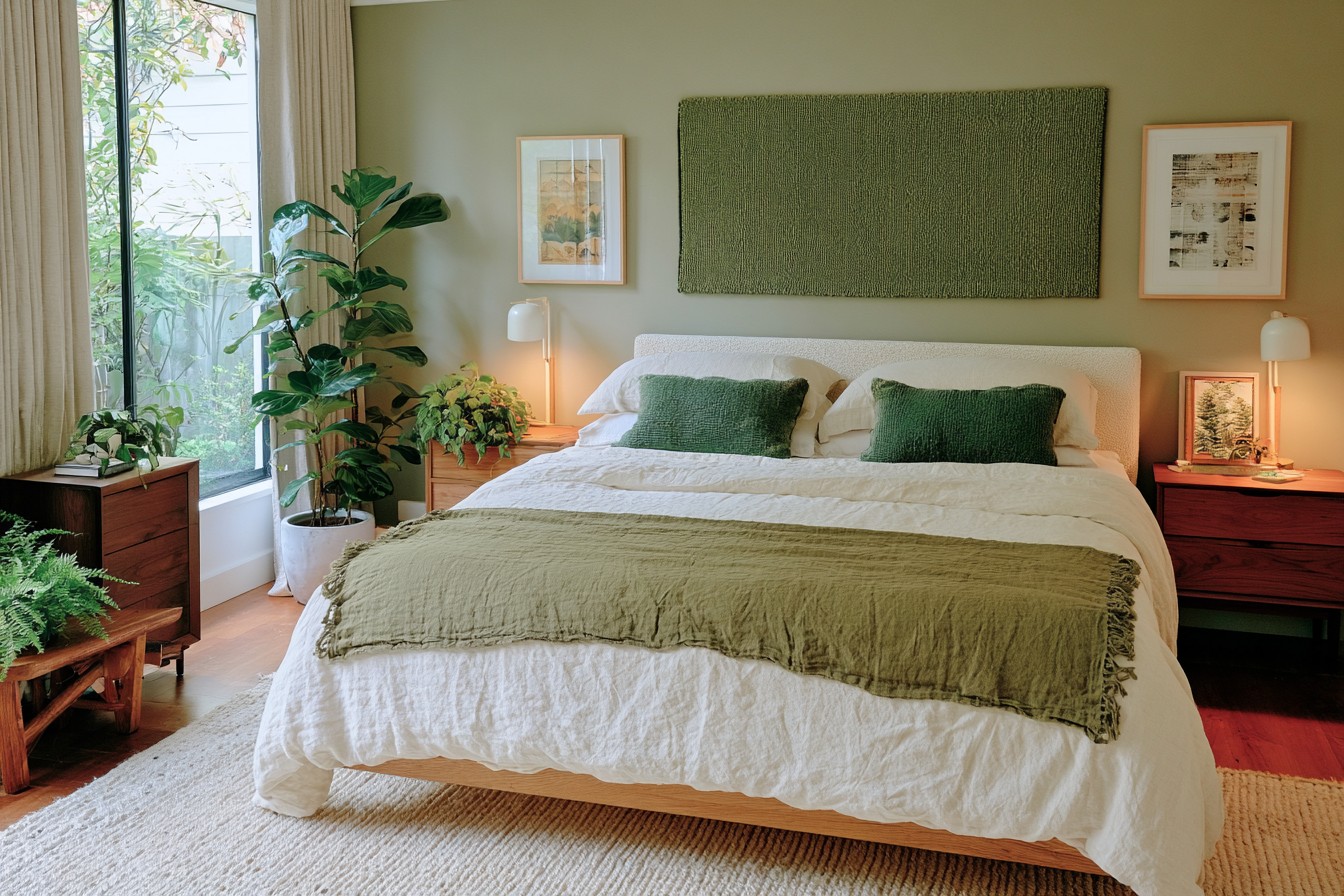
A bedroom does not require a dense collection of plants to benefit visually from greenery. One floor plant or a small pair of containers can introduce color without occupying bedside surfaces or complicating cleaning. Select plants according to the actual light and temperature conditions, not general lists of supposed bedroom varieties.
Keep soil and water away from bedding, outlets, and electronics. Avoid placing containers in nighttime walking routes or where leaves brush the face while entering the bed. Check species safety carefully when animals can enter the bedroom, and use stable pots that cannot be knocked from narrow furniture.
11. Add Greenery to a Home Office Without Reducing Workspace
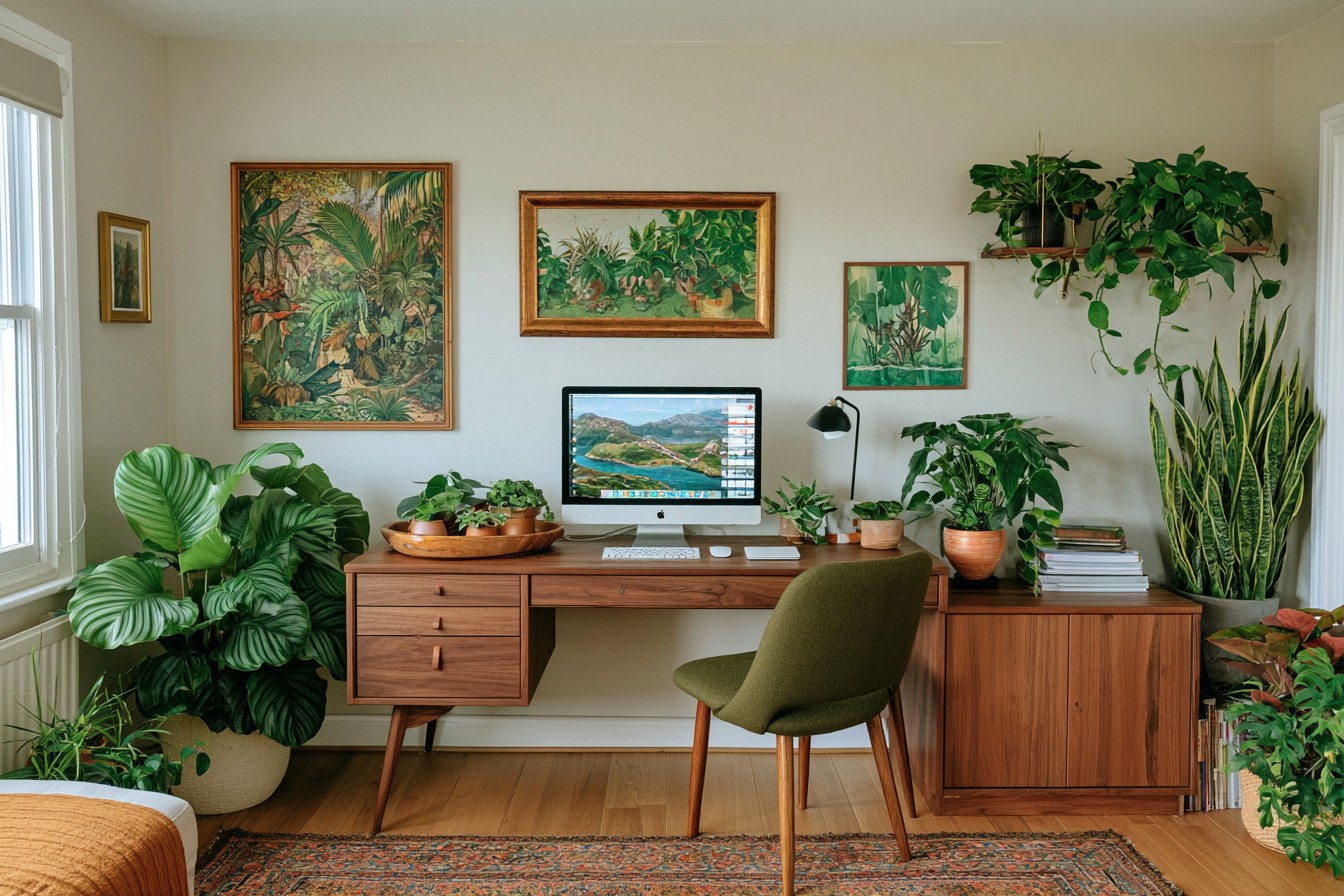
Office plants should leave enough clear desk space for comfortable work. Use a nearby shelf, filing cabinet, or floor stand instead of surrounding the computer with small pots. One plant with an interesting silhouette can provide a visual break without competing with screens, paperwork, and task lighting.
Place containers where watering cannot reach sockets, charging cables, or electronic equipment. Avoid unstable hanging plants above the desk and keep trailing stems away from drawers and chair movement. A consistent weekly inspection is more dependable than watering automatically on a fixed schedule regardless of soil condition.
12. Select Durable Plants for an Active Entryway
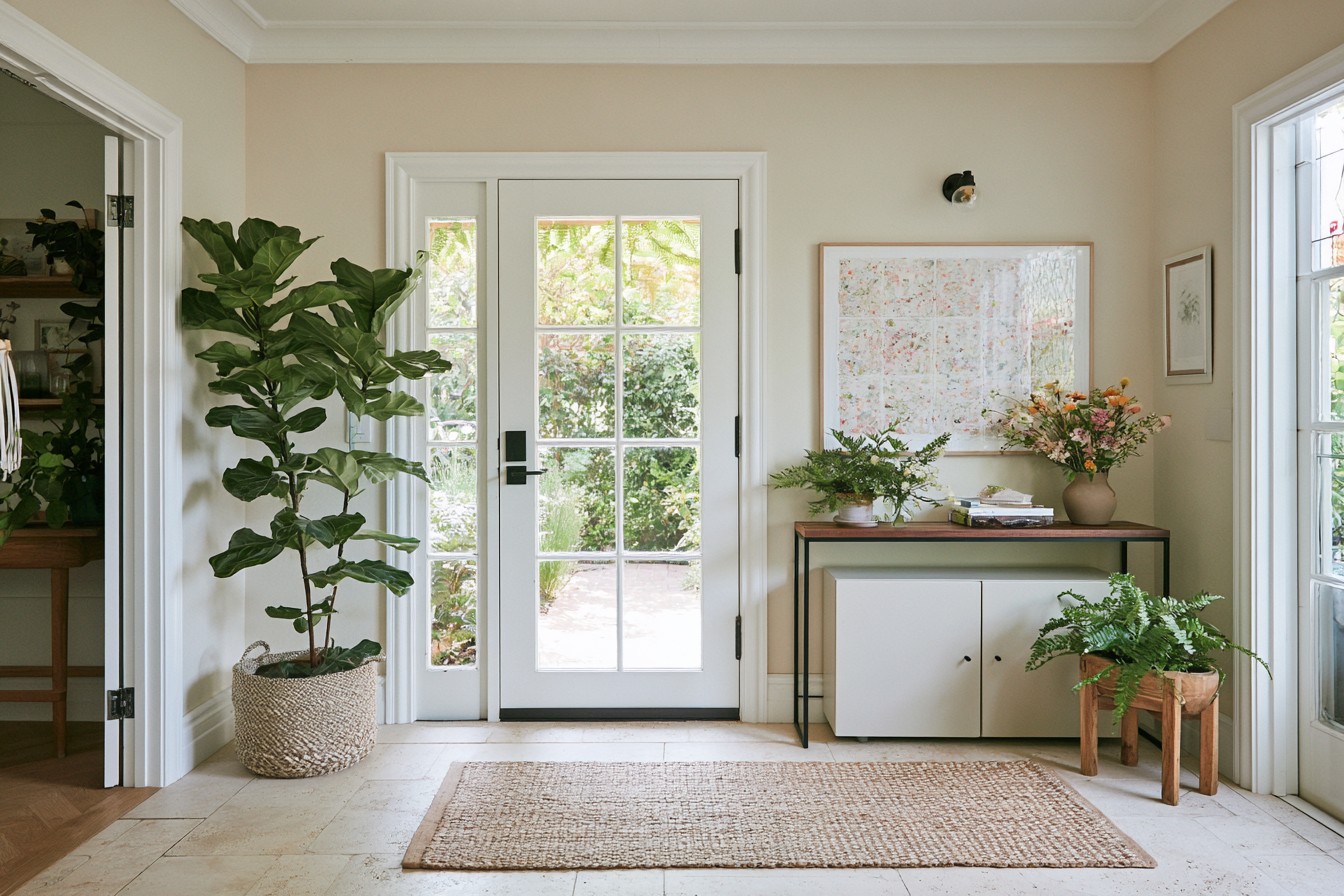
An entryway plant must tolerate the light, drafts, and temperature changes near the door. Choose a location where foliage will not catch on coats, bags, or people moving through the space. A broad, weighted container is safer than a narrow stand in an area with frequent activity.
Protect the floor from drainage and damp soil, particularly near timber or porous stone. The plant should not reduce doorway clearance, hide switches, or interfere with locks. If the entrance receives almost no natural light, artwork or a botanical pattern may be more appropriate than forcing a living plant into unsuitable conditions.
13. Assemble a Mini Garden from Plants with Similar Needs
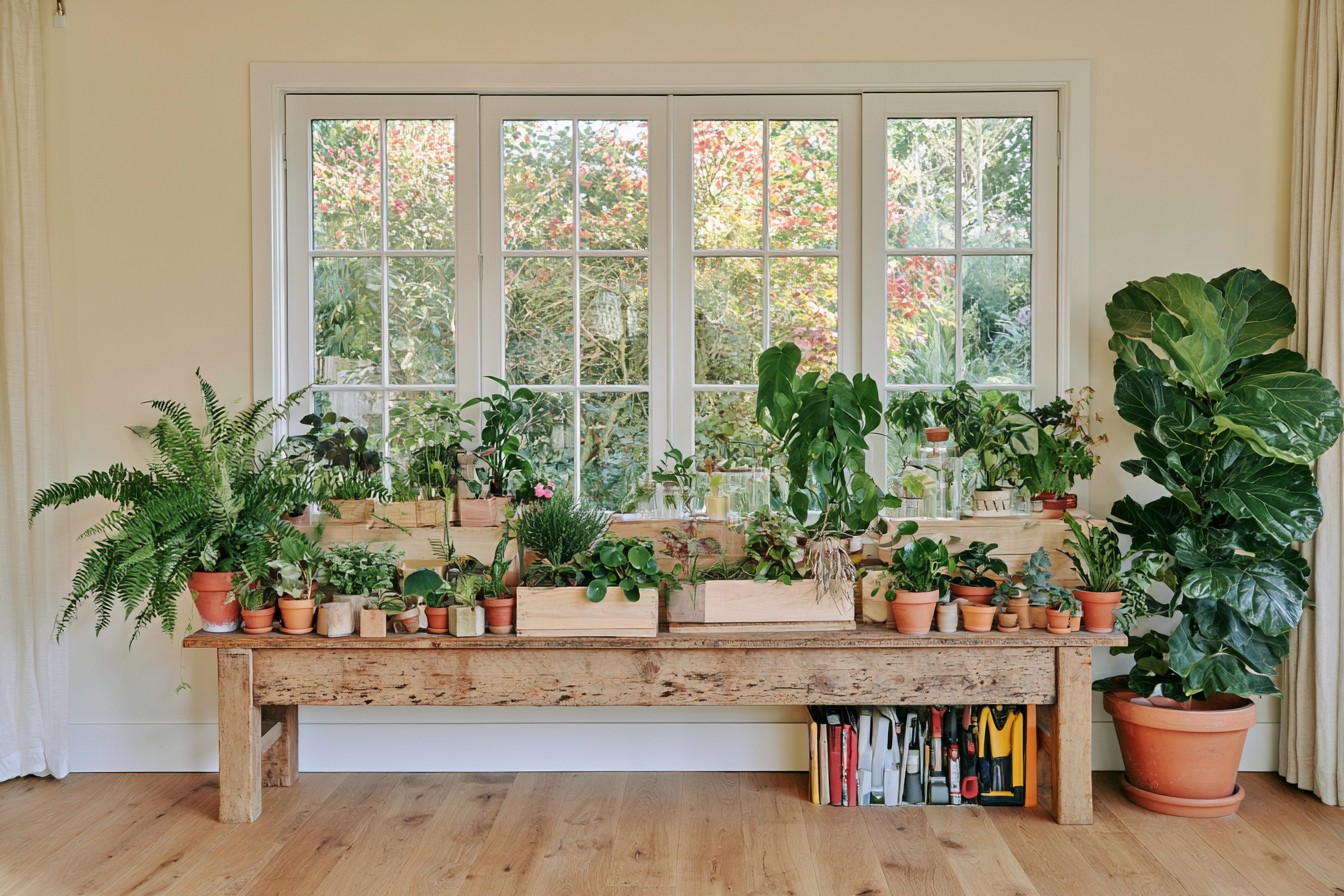
A mini garden can group several small plants on a tray, low table, or contained shelf. Choose species with similar preferences for light, temperature, and moisture so one location can support the entire group. Vary foliage shape and height rather than combining plants solely because their pots look attractive together.
Keeping plants in individual nursery pots makes it easier to adjust watering and remove a struggling specimen. Use a waterproof base beneath the collection and leave space for air circulation. Review the arrangement as plants mature because a compact display may eventually require division, pruning, or relocation.
Let Growing Conditions Determine the Display
A successful indoor plant arrangement is a care system as much as a decorating feature. Every plant needs an appropriate location, stable container, manageable watering routine, and enough space for future growth. Grouping plants by compatible needs makes maintenance easier and reduces the likelihood that decorative placement will work against their health.
Begin with a small collection and observe it through changing seasons before adding more. Light levels, heating, humidity, and watering frequency can vary significantly during the year. When the number of plants remains proportional to the available time and space, greenery can enhance the home without creating damaged surfaces or an unmanageable care routine.
MORE IDEAS


Share
What's Your Reaction?
 Like
0
Like
0
 Dislike
0
Dislike
0
 Love
0
Love
0
 Funny
0
Funny
0
 Angry
0
Angry
0
 Sad
0
Sad
0
 Wow
0
Wow
0