14 Stylish Ways to Use Light as Part of Your Home Decor


Good lighting allows a room to support different tasks while revealing its materials, colors, and proportions. A single ceiling fixture rarely provides all the illumination a space needs. More adaptable rooms combine ambient light for general visibility, task lighting for focused activities, and limited accent lighting for artwork or architectural details.
Before adding fixtures, identify where people read, prepare food, work, relax, and move through the room after dark. Consider glare, shadows, switch positions, cable routes, ceiling height, and the color temperature of nearby bulbs. Any project involving fixed wiring, modified electrical components, or new outlets should be completed by a qualified professional according to local requirements.
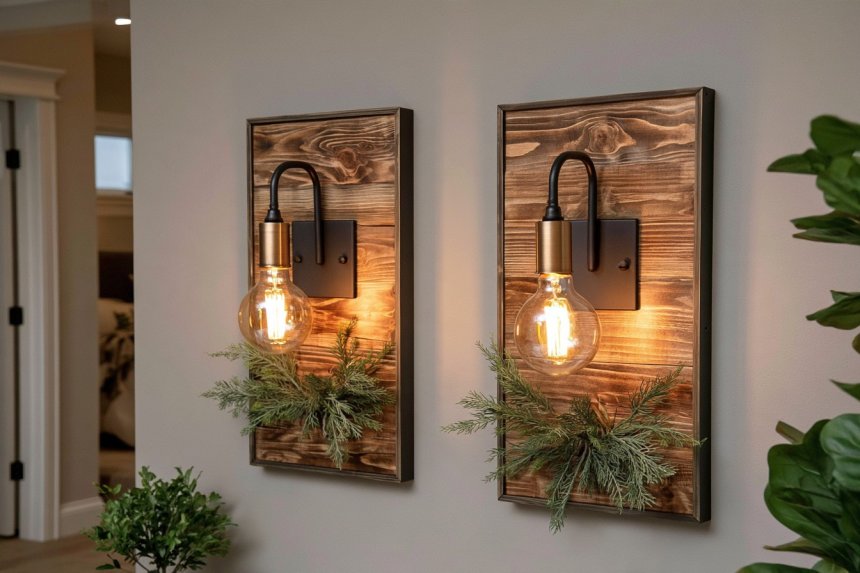
1. Frame a Certified Wall Light with a Wooden Surround
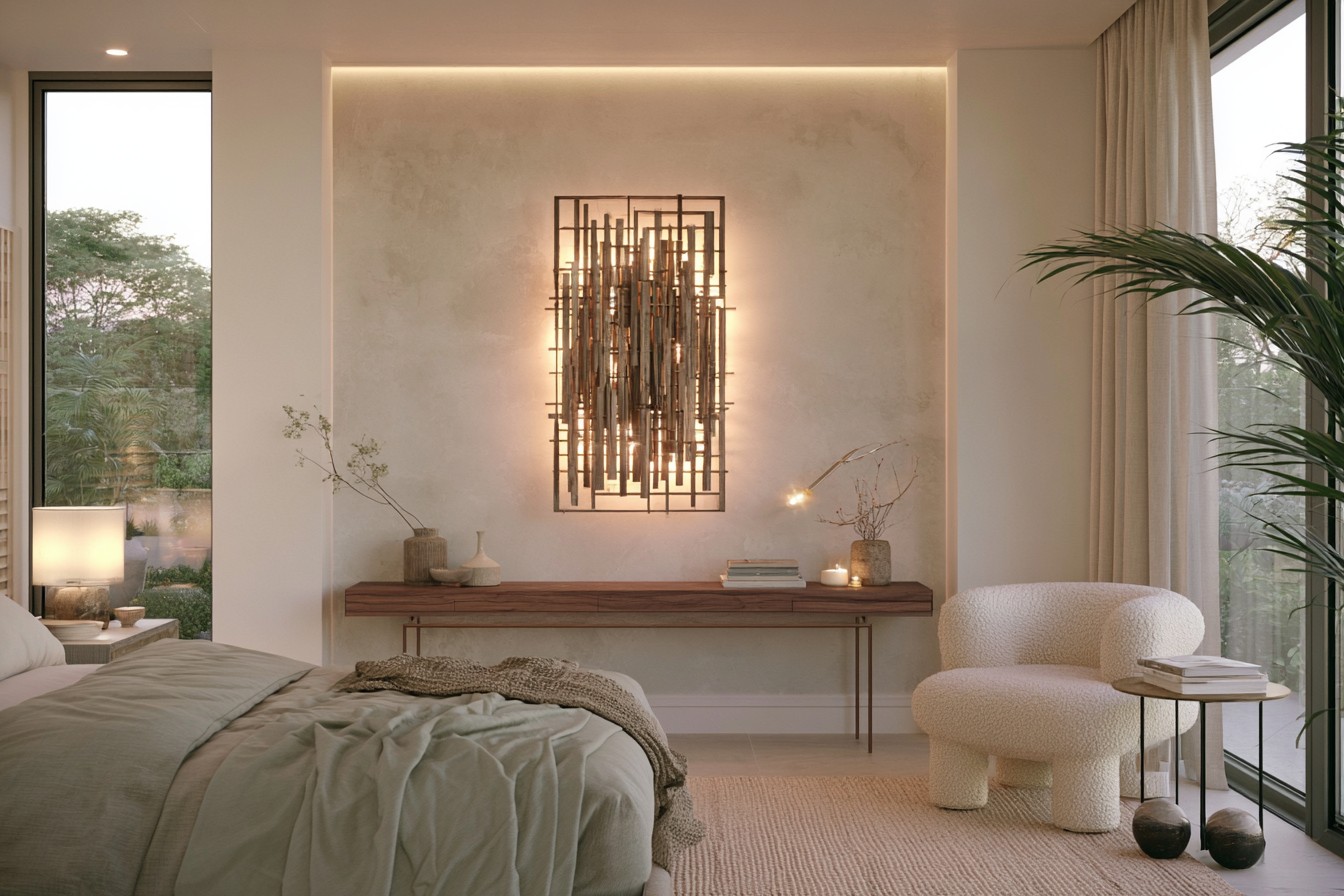
A shallow wooden frame can give a standard wall fixture greater architectural presence. Design the frame as a decorative surround rather than an enclosure, leaving the bulb, shade, vents, and electrical box accessible. Paint or stain the timber to relate to nearby furniture, doors, or wall molding.
Maintain all clearances specified by the fixture manufacturer and never place combustible material where heat can accumulate. Use an appropriately rated fixture and compatible bulb. If the frame requires working near fixed wiring, switch off the circuit and have installation or alteration completed by a qualified electrician.
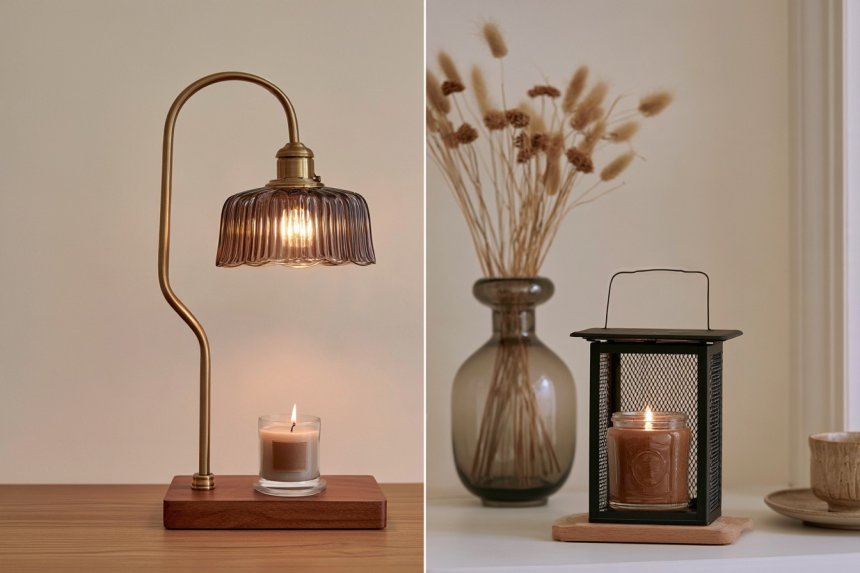
2. Display Glass Jars Around a Separate Low-Heat Light Source
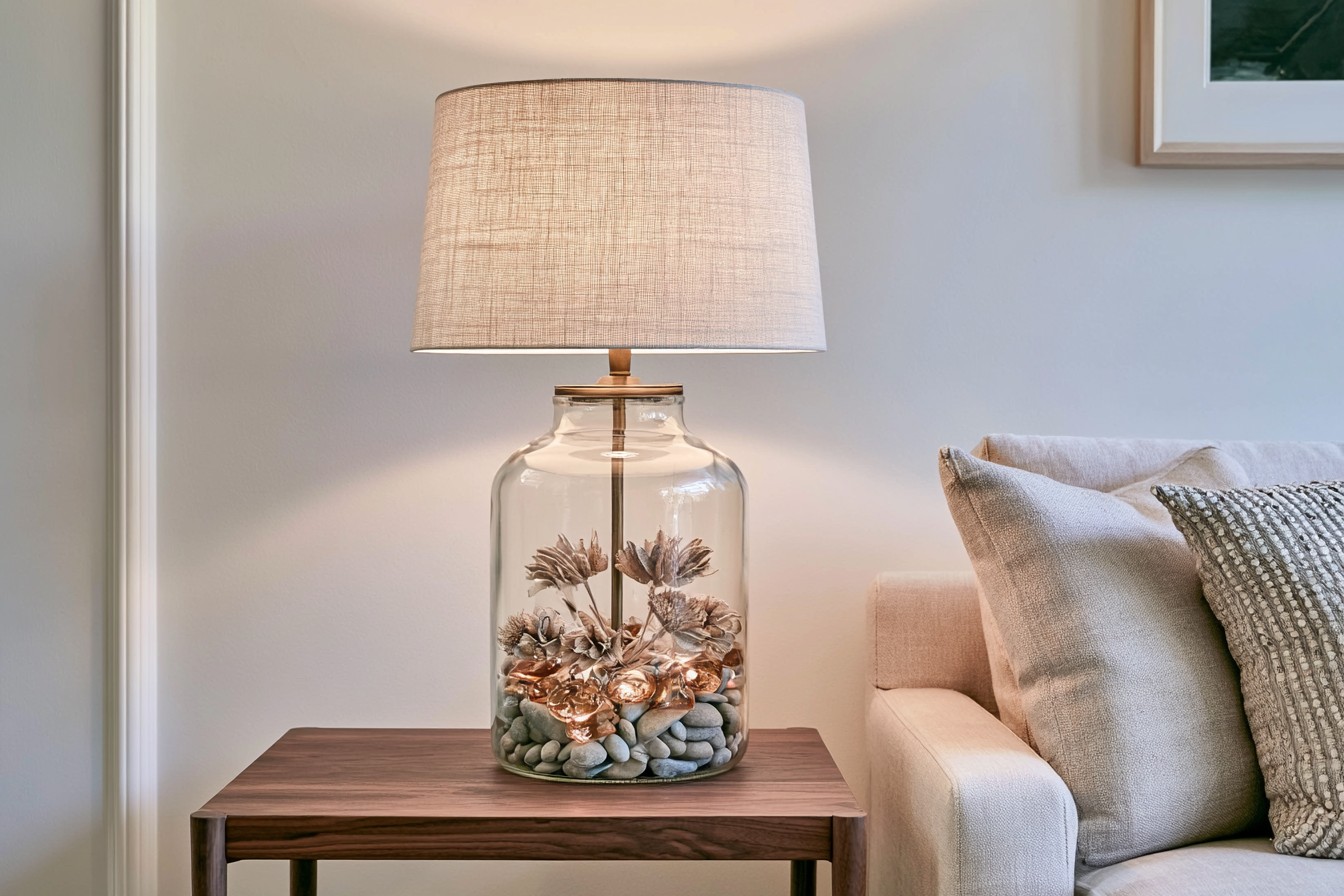
Glass jars can contribute color and texture when arranged beside a certified table lamp or used with purpose-made battery-operated lights. Frosted, ribbed, or tinted glass changes the reflected light without requiring the jar itself to become a homemade electrical fixture. Group only a few vessels so the tabletop remains usable.
Inspect every jar for chips and cracks, and place it on a stable surface away from edges. Do not enclose mains-powered bulbs or improvised wiring inside containers that were not designed as luminaires. Battery products should still be used according to their instructions and kept where children cannot access small batteries.
3. Refresh a Lampshade with Fire-Conscious Materials
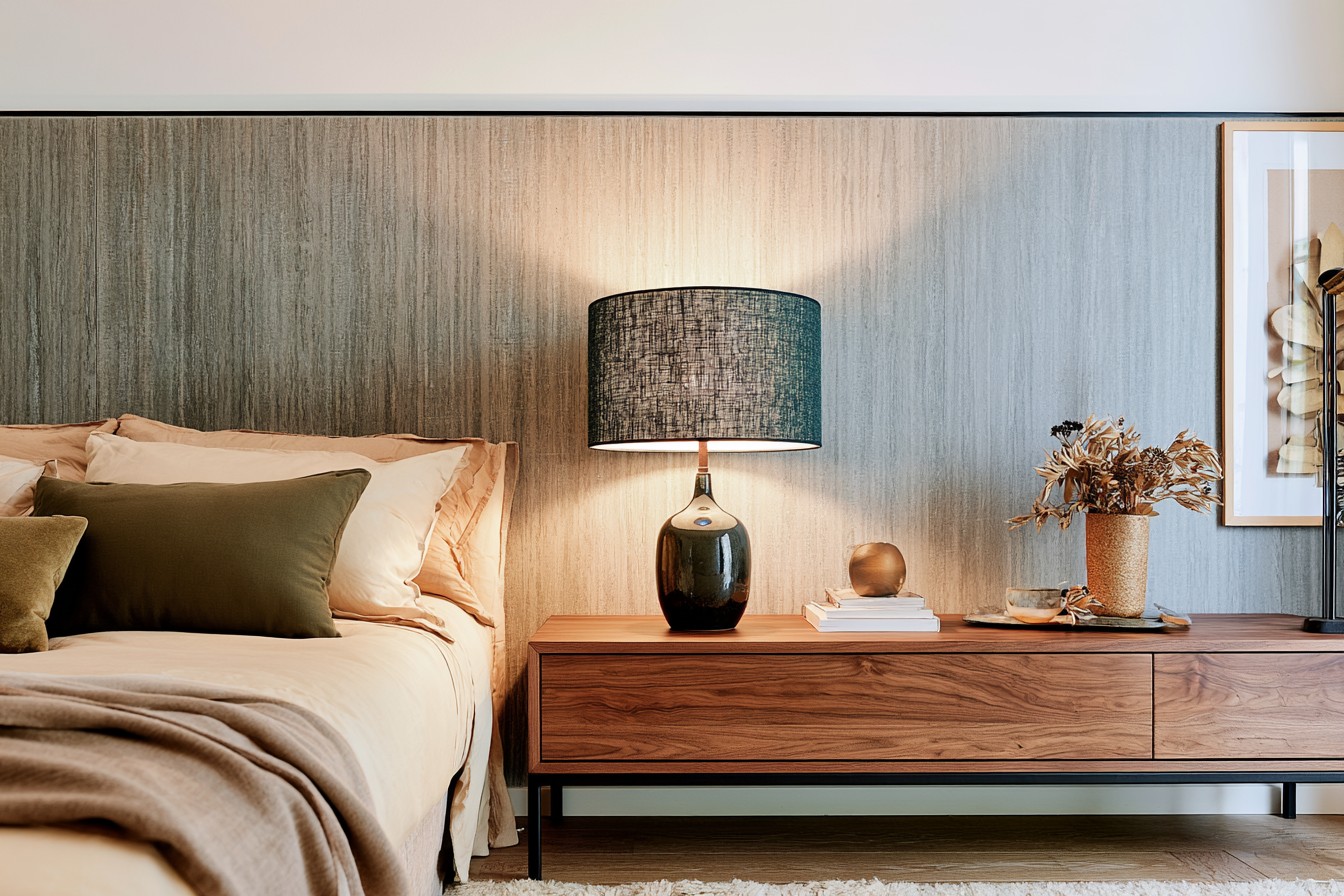
A new lampshade can connect an existing lamp to the room’s textiles and color palette. A restrained stripe, small geometric print, or plain textured fabric is easier to align than a large directional pattern. Use a shade frame and lining materials intended for lamp construction rather than attaching ordinary fabric directly around a bulb.
The shade must maintain the required distance from the bulb and allow heat to escape. Follow the lamp manufacturer’s maximum wattage and bulb-type guidance. Adhesives, trims, and coverings should be suitable for lampshades, and loose edges must not hang toward electrical components.
4. Reflect Indirect Light from a Pale Ceiling
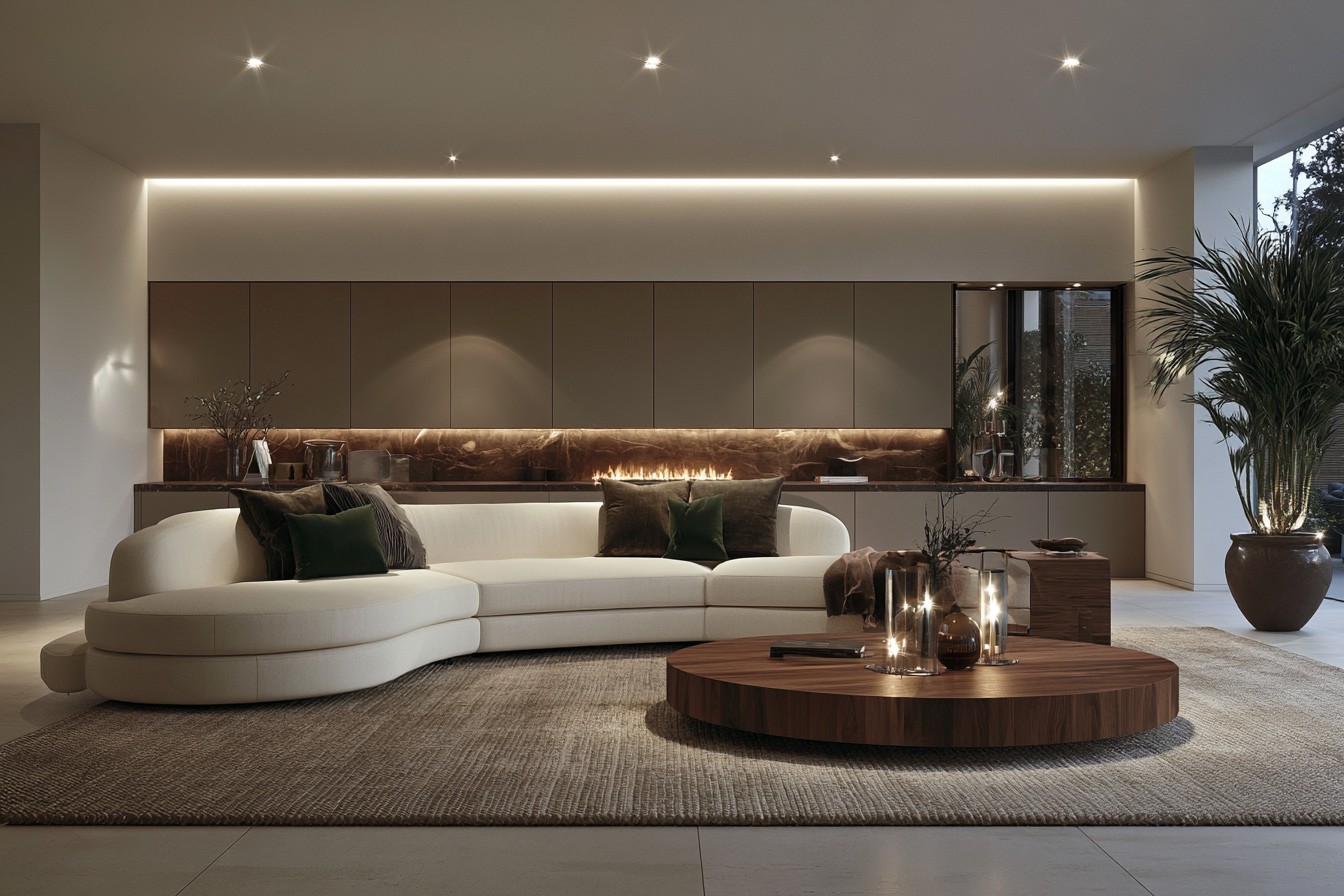
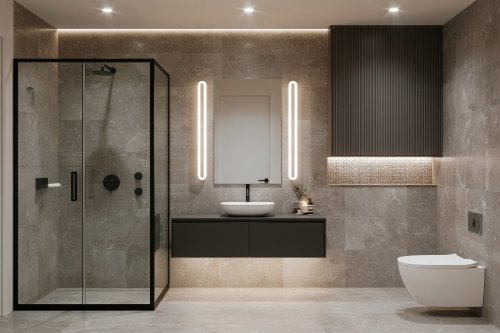
Uplights and concealed linear fixtures can direct illumination toward the ceiling, which then distributes it more softly through the room. This technique reduces the sharp contrast created by an exposed central bulb. It works particularly well in living rooms where comfortable evening light is more important than intense task illumination.
A pale matte ceiling reflects light evenly, while dark or glossy surfaces may produce a different and sometimes less predictable result. Do not place portable uplights where people can look directly into the source or trip over their cables. Concealed installations need ventilation and accessible drivers rather than being sealed permanently inside joinery.
5. Convert Ceramics Only with a Purpose-Made Lamp Kit
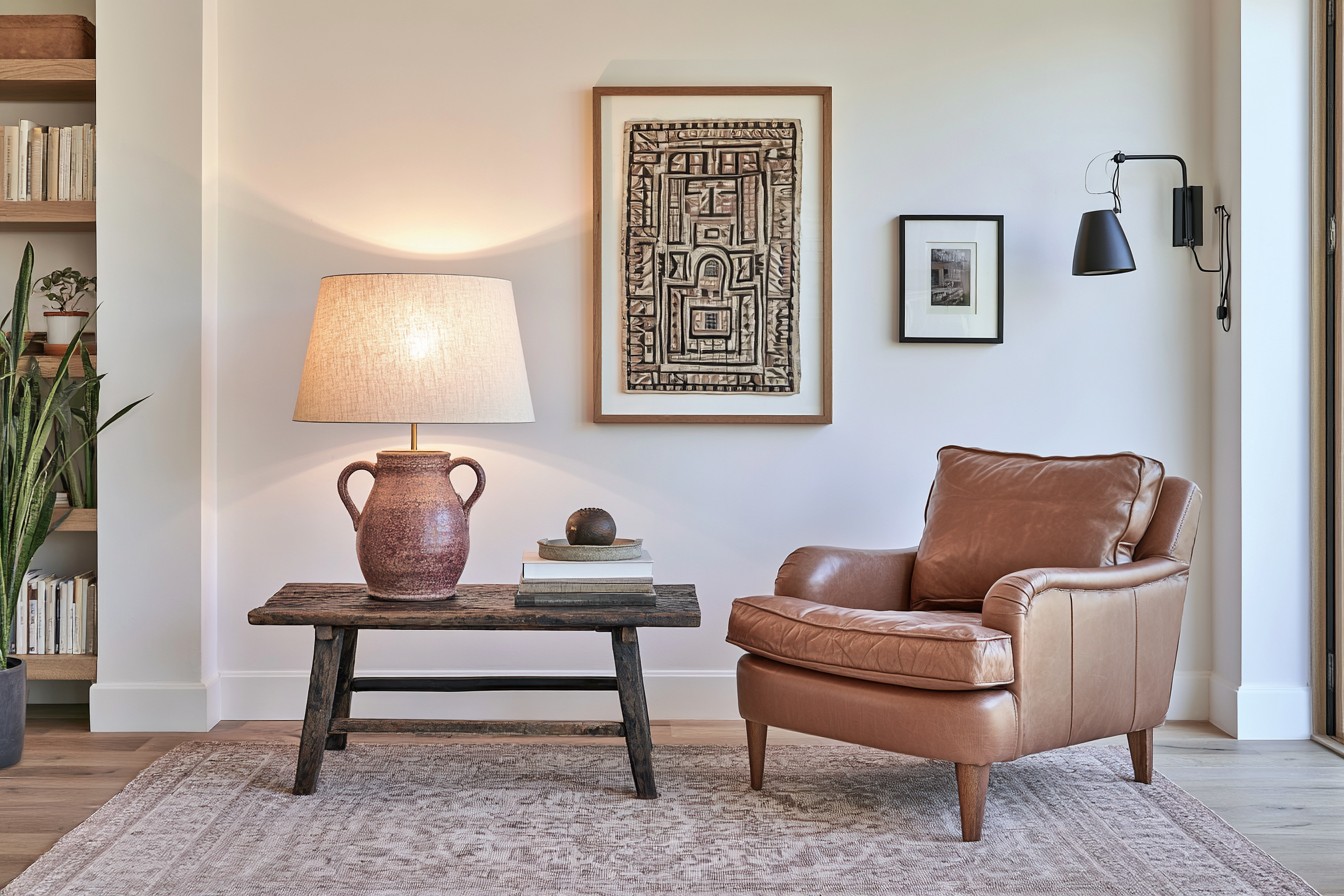
A substantial ceramic piece can become a distinctive lamp base when it is structurally sound and proportionate to the shade. The finished lamp needs a stable bottom, protected cable opening, secure lampholder, and components designed to work together. Valuable, fragile, cracked, or historically important ceramics should not be drilled.
Use a complete certified conversion kit where regulations permit, and follow its instructions exactly. Drilling glazed ceramic can cause breakage and sharp fragments, while incorrect wiring creates shock and fire risks. If any structural or electrical step is uncertain, have the vessel converted and tested by a qualified lamp technician or electrician.
6. Illuminate a Bookcase Without Heating Its Contents

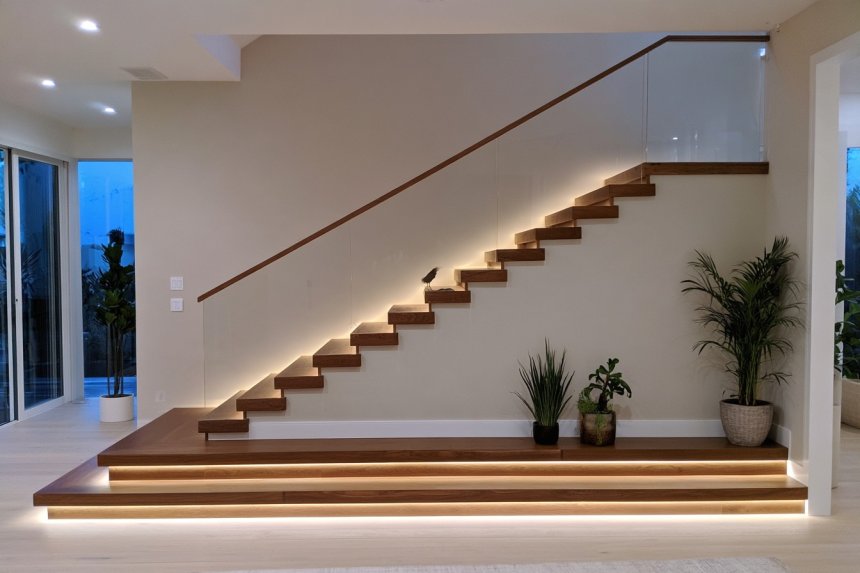
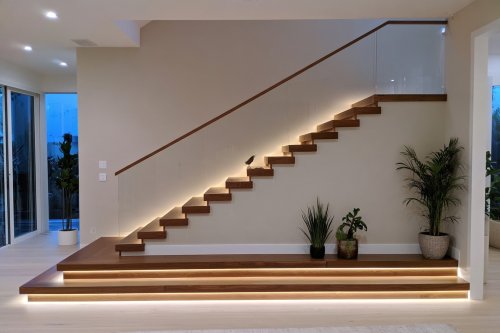
Linear lighting installed along the front or rear of selected shelves can reveal books and objects without lighting every compartment. A diffusing channel softens individual points of light and produces a more finished appearance. Use accent lighting selectively so the bookcase retains areas of shadow and does not resemble a retail display.
Choose components designed for furniture installation and maintain ventilation around drivers and connections. Cables should be secured away from shelf edges and should not be pinched behind books. Protect photographs, artwork, and sensitive materials from excessive light exposure, even when the source produces relatively little heat.
7. Place a Decorative Metal Frame Around a Complete Pendant
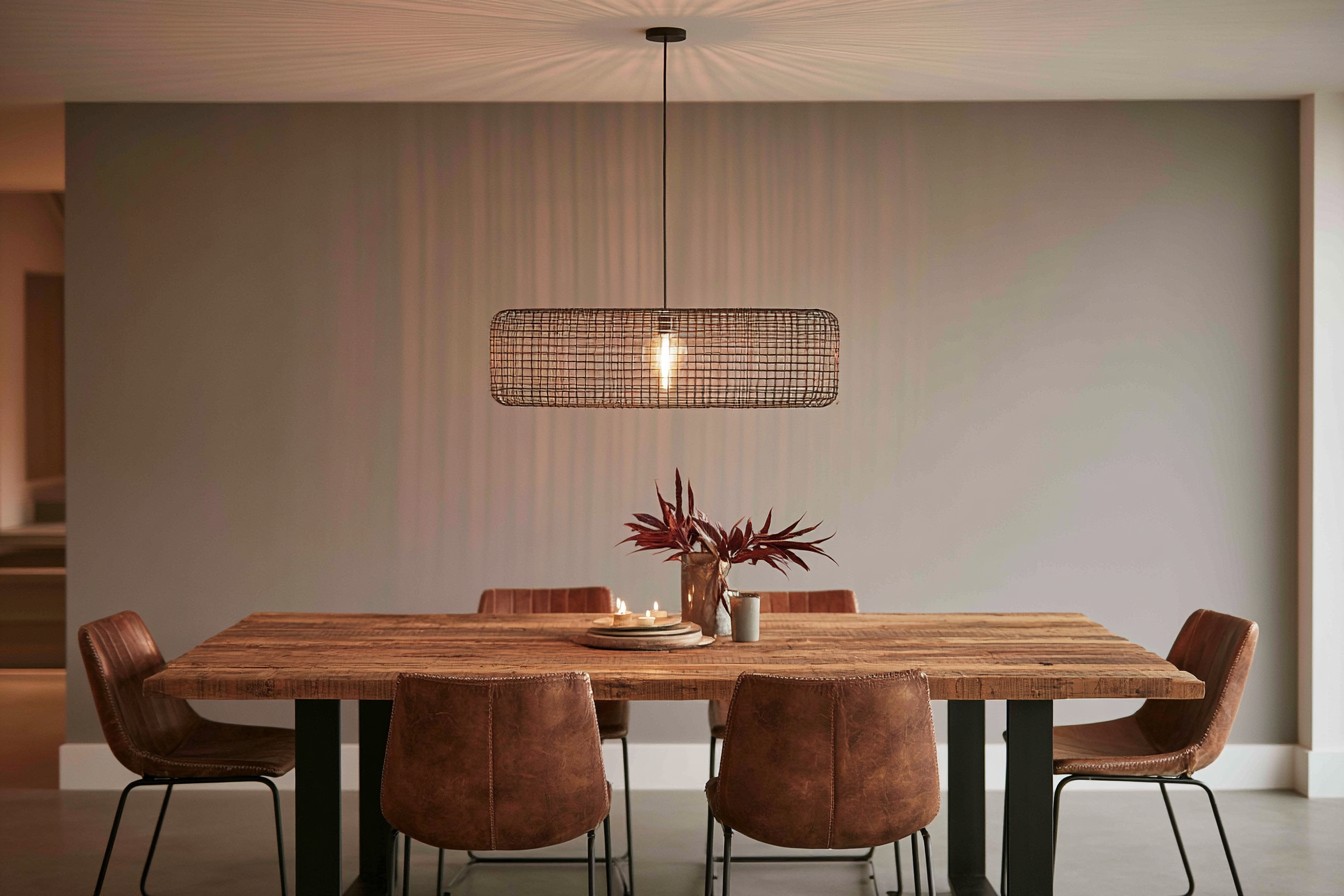
An open metal frame can alter the silhouette of a pendant while allowing light to pass through. Repurposed wire forms or geometric frames must be cleaned, smoothed, and treated for corrosion. Use the metal component only as a decorative exterior around a complete, appropriately rated pendant assembly.
Sharp edges should be removed, and the frame must not contact electrical terminals or rest against the bulb. Its weight must be supported by the ceiling structure rather than the electrical cable. Fixed pendant installation and earthing requirements should be handled by a qualified electrician.
8. Assign Color Temperature According to Each Activity
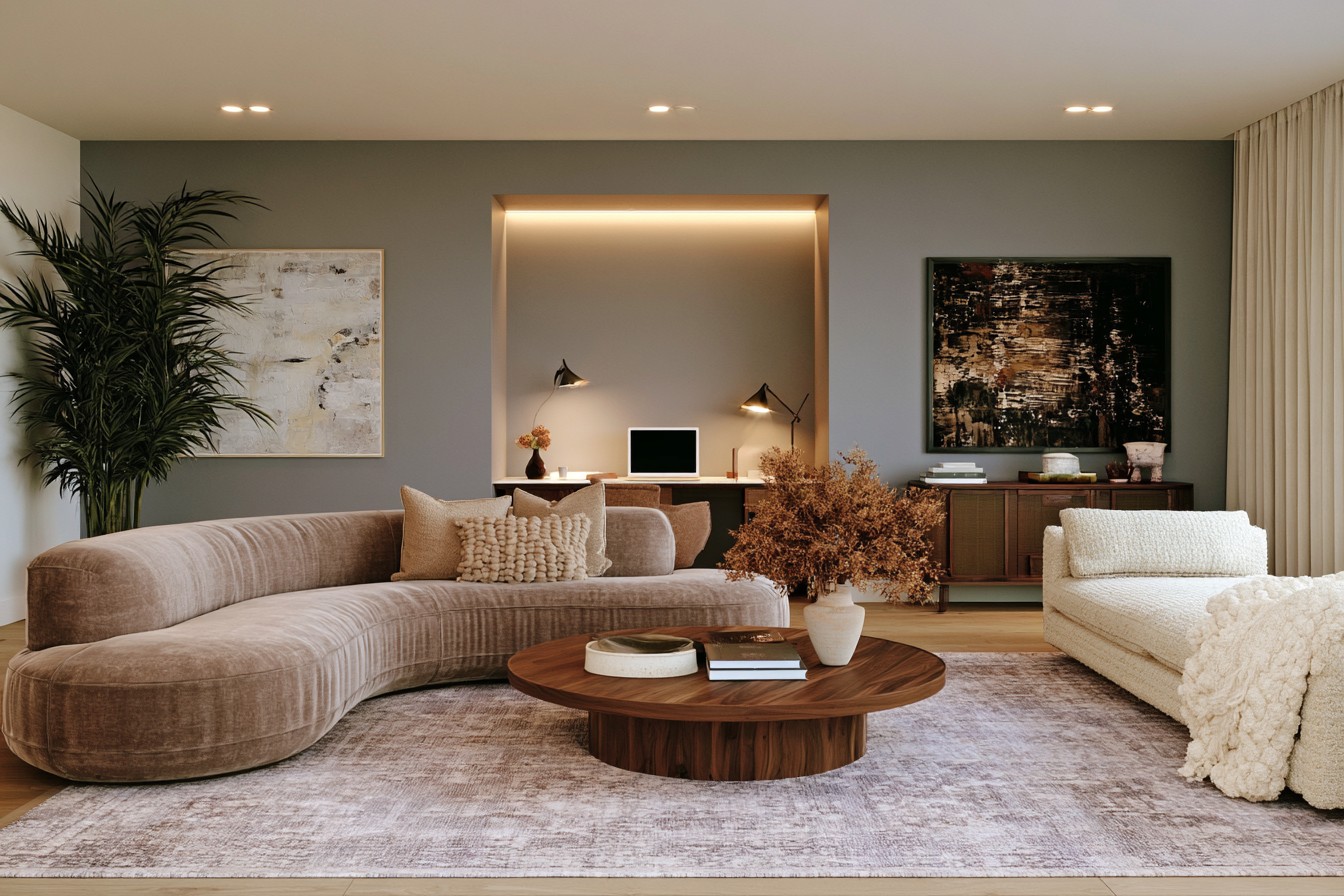
Warm white light often complements relaxing areas and warm-colored materials, while a more neutral white can improve visibility at desks and work surfaces. The exact choice should respond to the room’s finishes and activity rather than a claim that one color automatically creates a particular emotion.
Keep bulbs within the same visible zone reasonably consistent so adjacent fixtures do not produce distracting color differences. Dimming can make one fixture more adaptable, but the bulb, dimmer, and driver must be compatible. Check product specifications before mixing components to avoid flickering or unreliable operation.
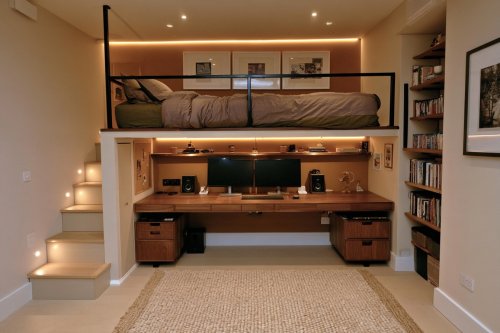
9. Add Task Lighting Beneath Functional Shelves
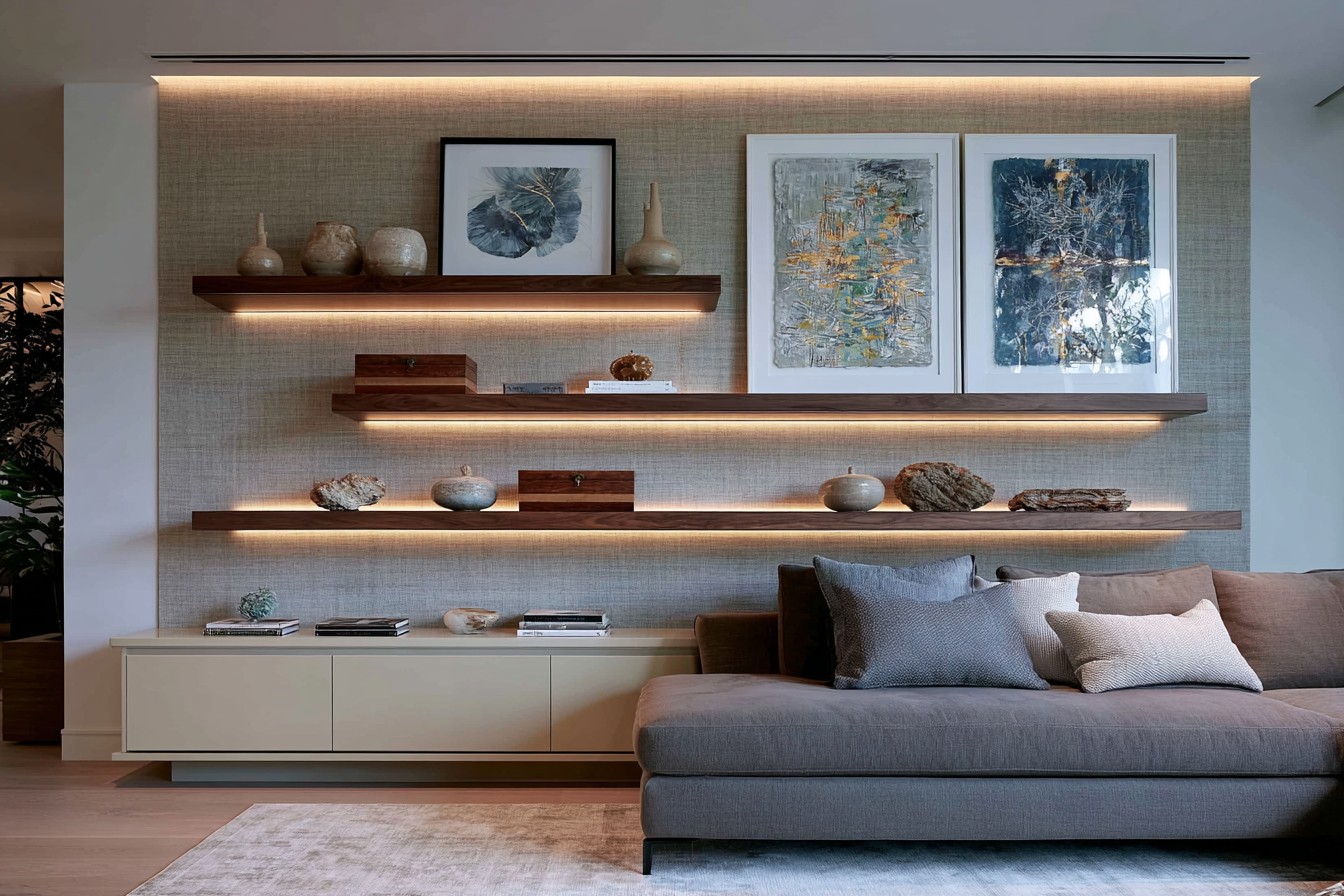
Lighting beneath a shelf can illuminate a desk, reading surface, or display without using additional floor space. Position the source toward the front edge so the shelf does not cast a shadow over the working area. A diffuser can reduce visible light points and uncomfortable reflections from polished surfaces.
Use a system approved for the location and mount it according to the manufacturer’s instructions. Keep drivers and connections accessible and allow required ventilation. In kitchens or bathrooms, the fixture must have a rating appropriate for moisture and its distance from water sources.
10. Use Colored Bottles as Reflective Objects, Not Lamp Housings
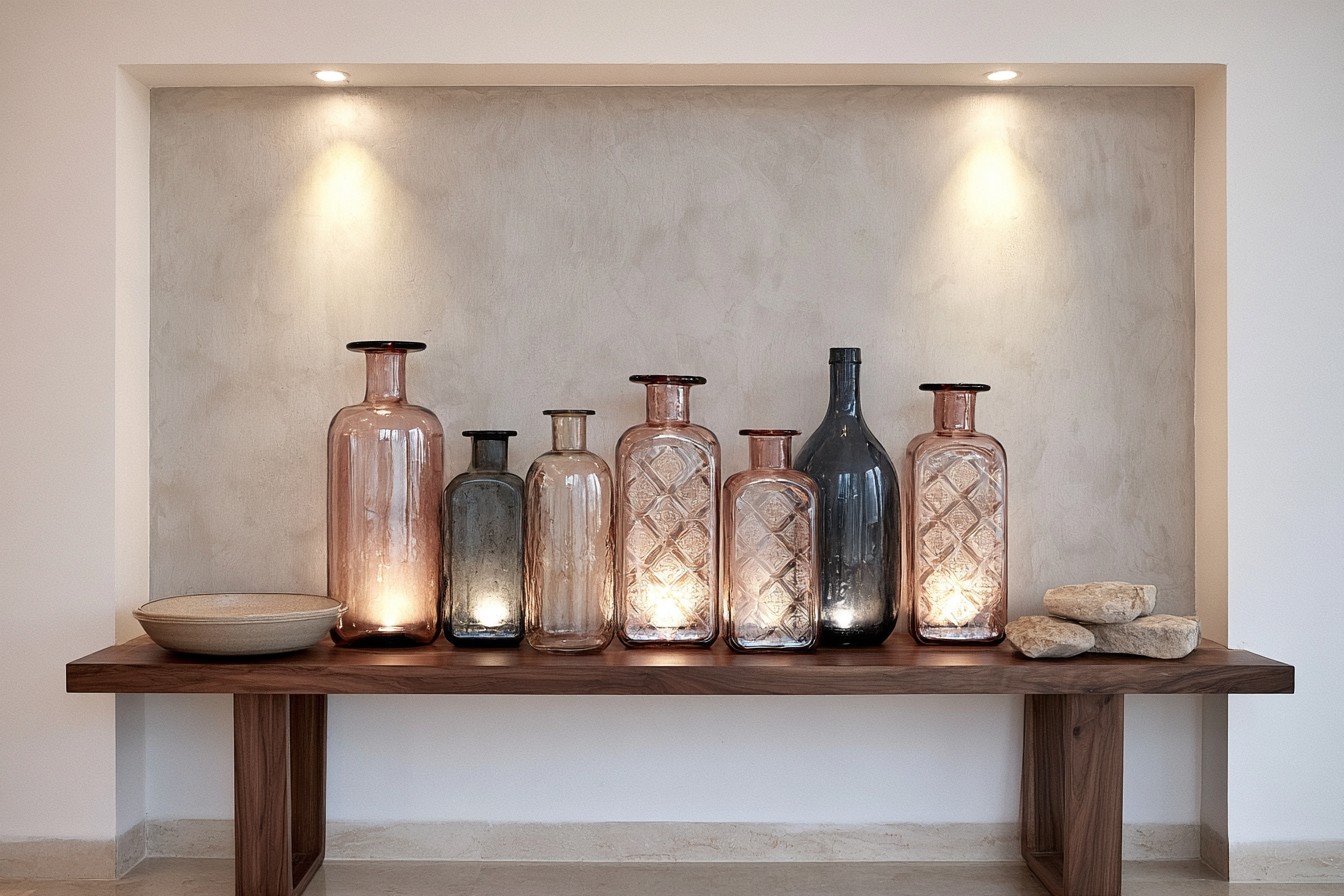
Colored bottles can filter and reflect light when arranged near a separate lamp or against a naturally illuminated surface. Amber, green, and blue glass create different highlights without requiring permanent modification. Group bottles with varied heights but related colors on a tray to give the arrangement a defined boundary.
Clean the glass, remove damaged pieces, and keep narrow bottles away from table edges. Do not insert improvised mains wiring, sockets, or hot bulbs into glass containers. If a bottle is to become an actual lamp, use an appropriate kit and have any drilling and electrical assembly completed by someone qualified.
11. Place Indirect Bedroom Light Behind a Stable Headboard
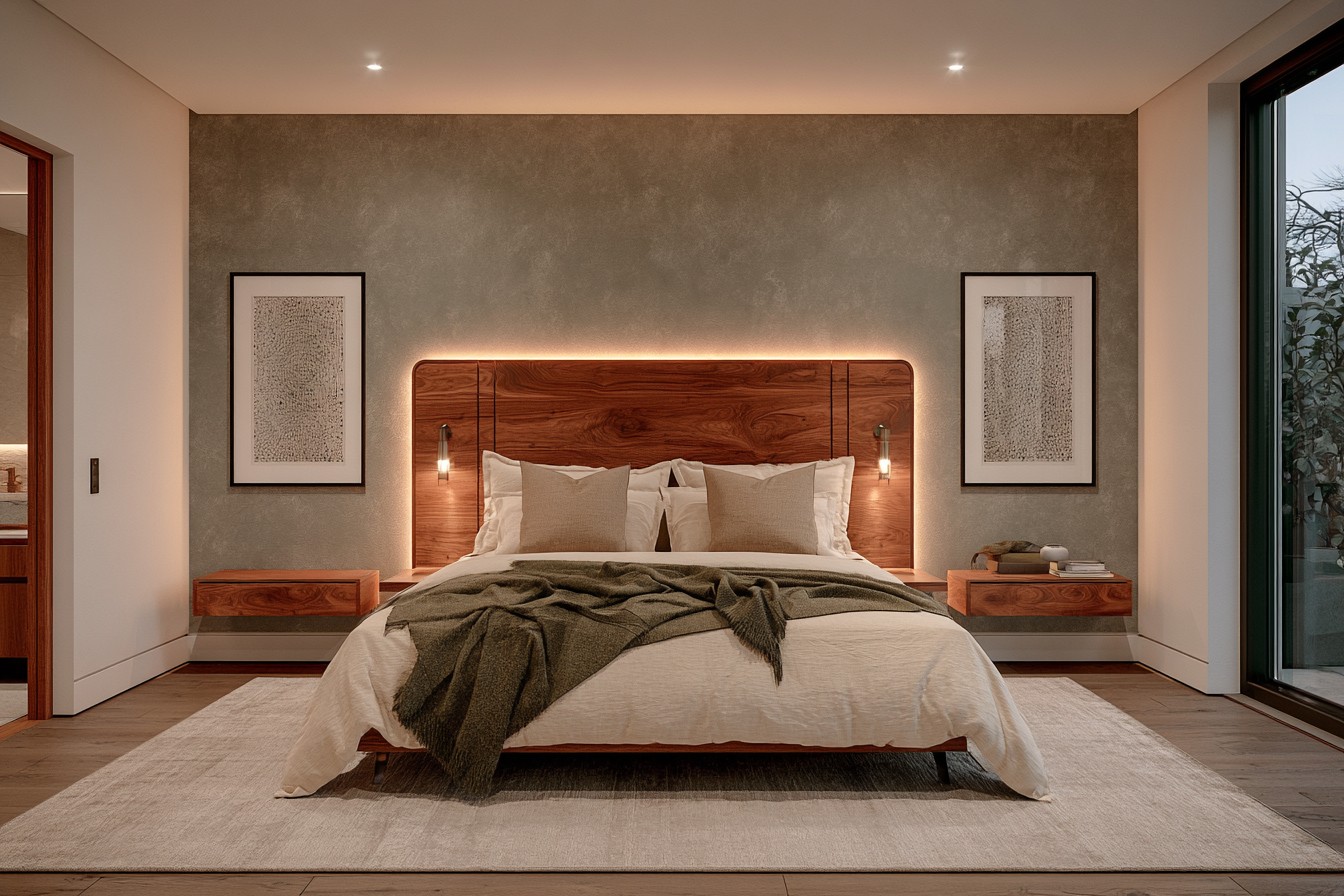
A concealed linear light behind a headboard can produce a soft outline for evening use. The effect works best as low-level ambient illumination rather than a replacement for proper bedside reading lights. A dimmer or separate control allows the indirect source to be turned off without operating every bedroom fixture.
The headboard must be securely fixed and leave enough ventilation for the selected lighting system. Cables and power supplies should not be trapped beneath the mattress or bed frame. Use components intended for furniture installation, keep controls accessible, and avoid products with damaged or exposed wiring.
12. Treat a Wooden Crate as a Screen Around a Complete Lamp
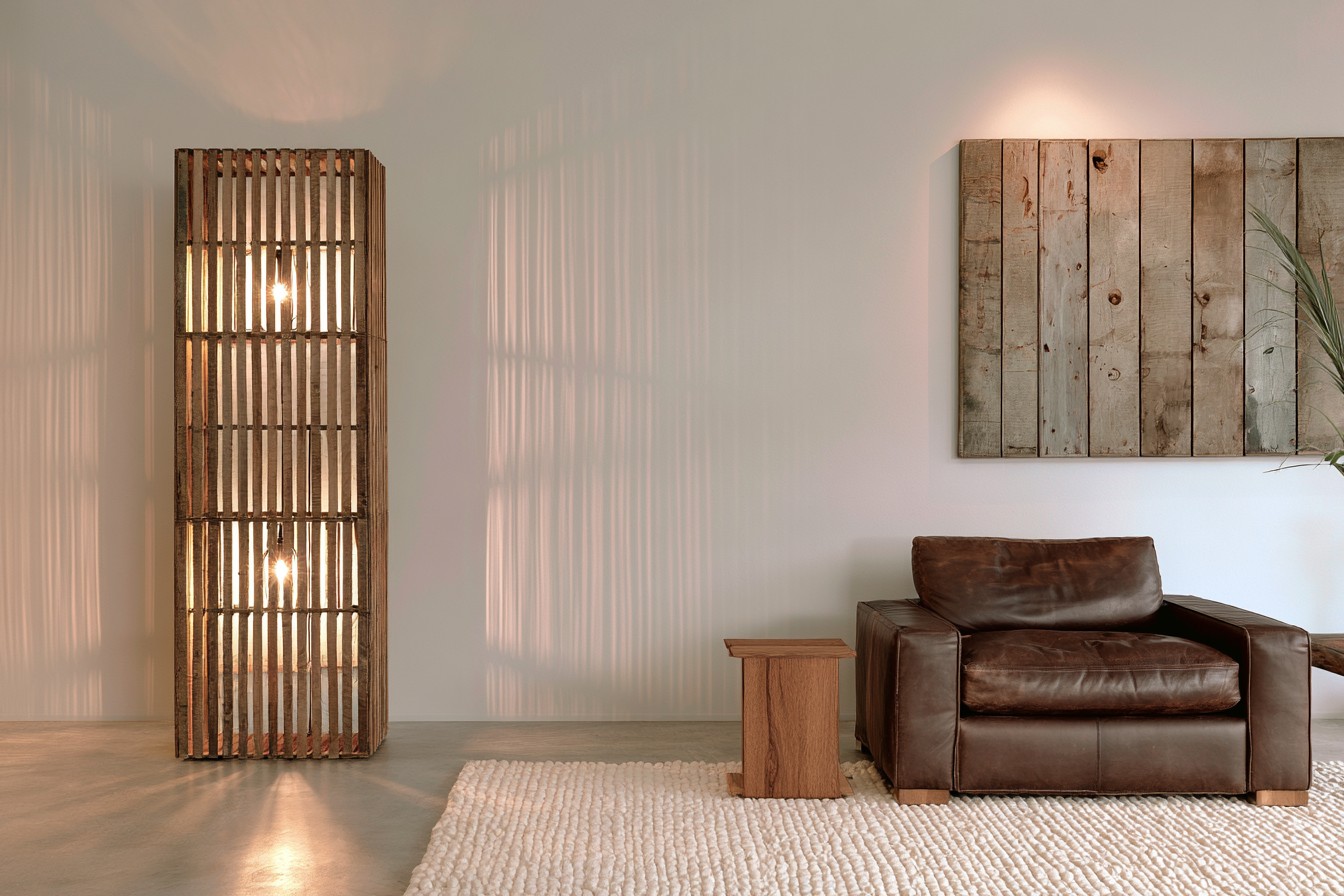
A clean open-sided crate can act as a decorative screen around a complete low-heat floor light. The timber should be sanded, stable, and free from stains, chemical contamination, rot, and protruding fasteners. The lamp must stand independently rather than relying on the crate to support electrical components.
Maintain generous clearance around the fixture and do not cover the crate with fabric or other combustible material. Follow the lamp manufacturer’s ventilation and bulb requirements. Position the finished piece away from curtains, bedding, children’s play areas, and routes where it could be kicked or overturned.
13. Use Reflected Light to Brighten Compact Rooms
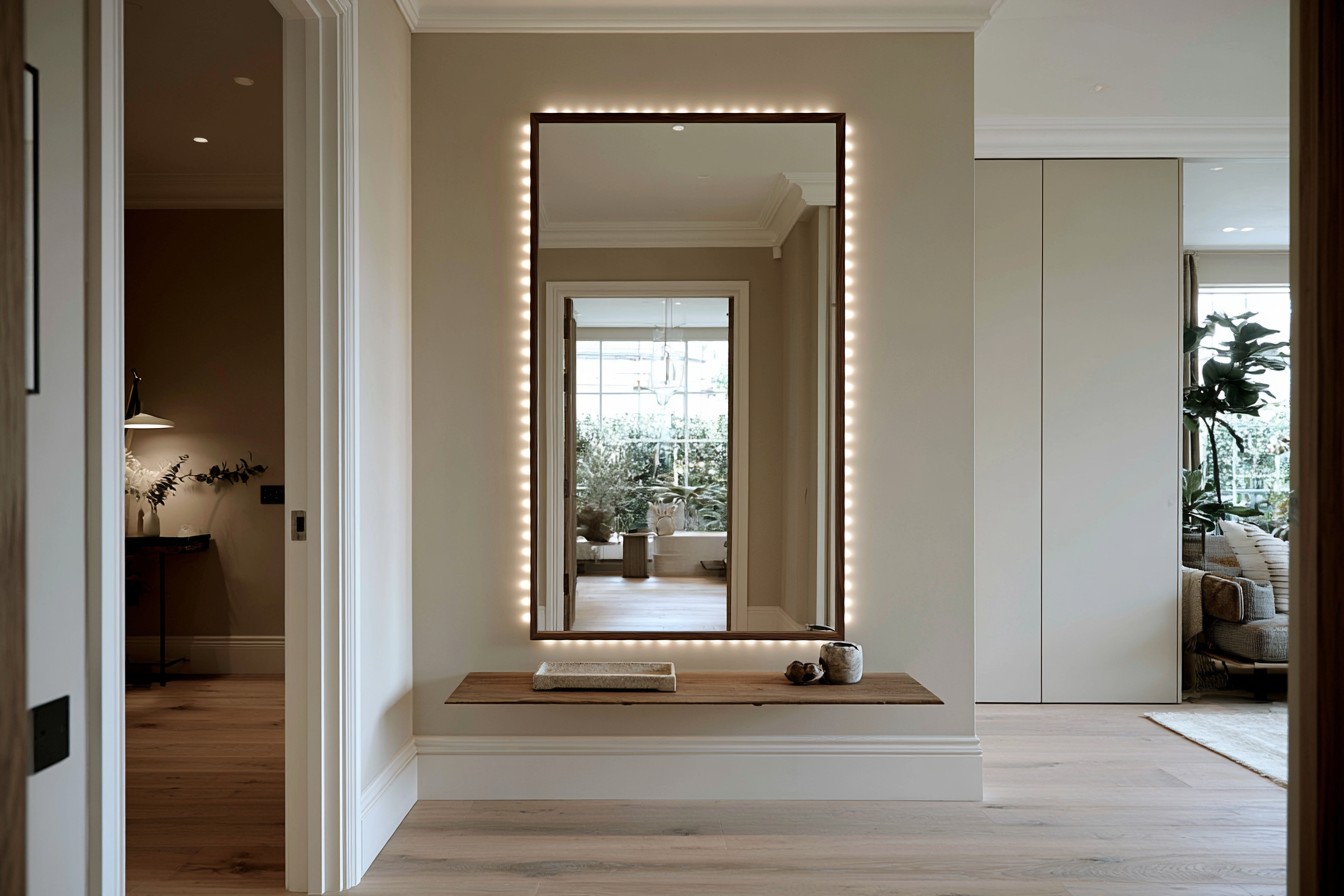
Directing light toward a pale wall or ceiling can reduce harsh contrast and distribute illumination across a compact room. A shaded floor lamp, adjustable wall fixture, or carefully positioned table lamp can create this effect. Mirrors may increase reflected brightness, but they should not send a concentrated glare directly toward seating or screens.
Test portable fixtures in several positions before installing anything permanently. Keep lamps clear of doors and narrow walkways, and route cables along protected edges rather than across the floor. Clean shades and reflective surfaces periodically because accumulated dust noticeably reduces useful light.
14. Distribute Lighting at Several Useful Heights
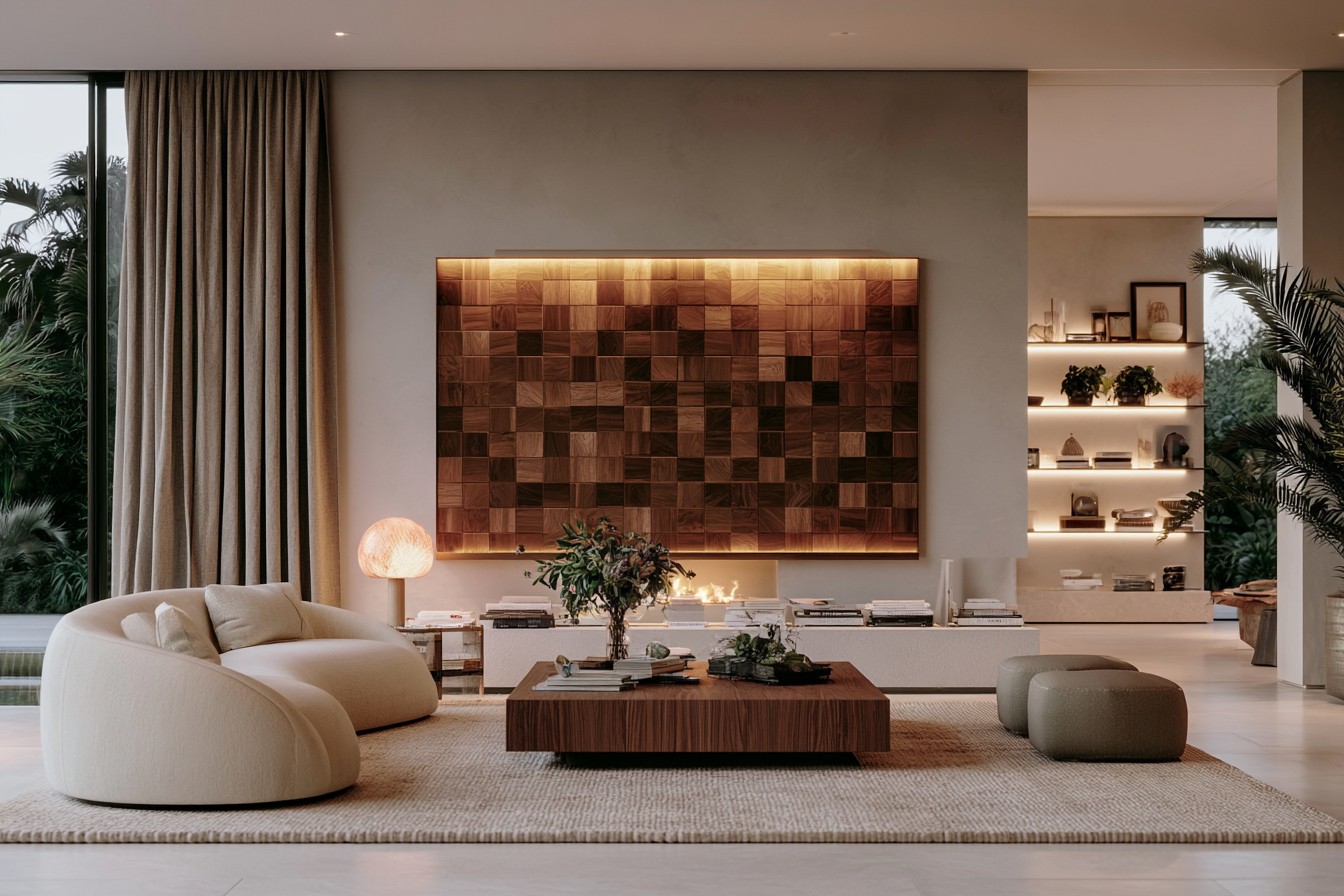
A balanced room may combine ceiling illumination, wall lights, table lamps, and one floor lamp. Each fixture should have a defined role rather than being added only to fill an empty surface. General light supports movement, task light serves reading or work, and accent light draws attention to selected details.
Control the layers independently so the room can adapt without every fixture operating at once. Position shades to prevent exposed bulbs from entering normal sightlines. Before adding more lamps, confirm that outlets are not overloaded and avoid creating chains of extension leads or adapters behind furniture.
Plan Lighting as a Complete System
Begin with the activities that require clear visibility, then add ambient and accent lighting around them. Consistent color temperature, controlled glare, suitable fixture scale, and accessible switches will usually improve a room more than a large number of decorative lamps. Viewing the lighting after dark is essential because daytime placement alone cannot reveal every shadow or reflection.
DIY creativity should be limited to safe decorative components unless the maker is qualified to complete electrical work. Certified fixtures, compatible bulbs, adequate ventilation, secure mounting, and professional installation where required protect both the user and the home. Lighting succeeds as decor only when it also operates safely and comfortably.
MORE IDEAS


Share
What's Your Reaction?
 Like
0
Like
0
 Dislike
0
Dislike
0
 Love
0
Love
0
 Funny
0
Funny
0
 Angry
0
Angry
0
 Sad
0
Sad
0
 Wow
0
Wow
0