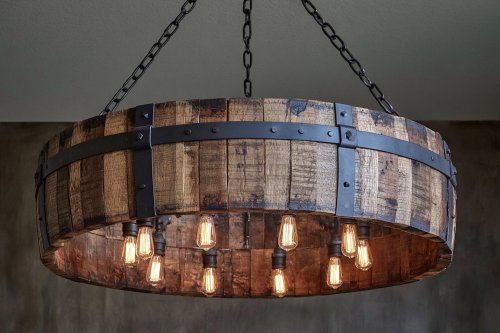
18 DIY Planter Projects to Refresh Every Corner of Your Home

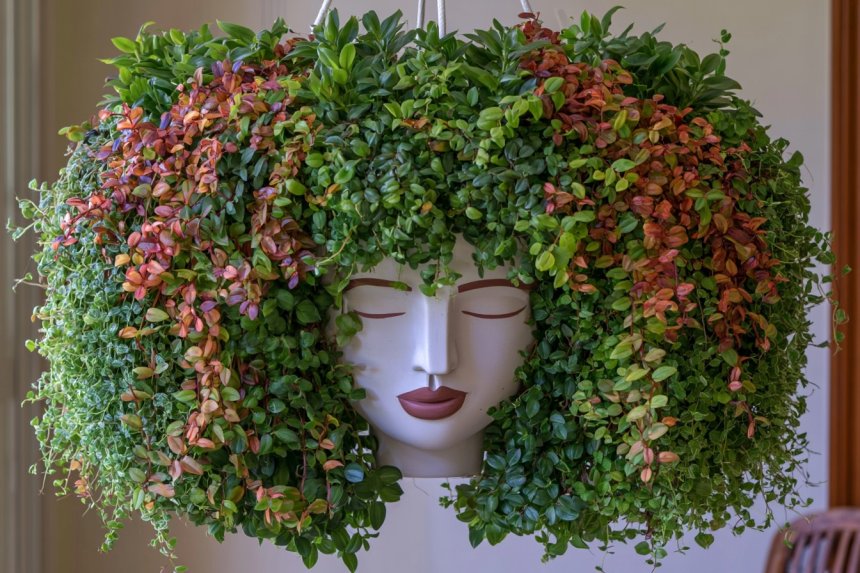
DIY planters make it possible to introduce greenery into almost any room or outdoor area without relying on standard store bought containers. Everyday materials such as timber, concrete, baskets, metal containers, ceramics, fabric, and reclaimed furniture can all become attractive plant holders with a few practical modifications. The most successful homemade planters balance appearance with plant health by considering drainage, moisture protection, container depth, and suitable positioning. They can also be customized to complement modern, rustic, minimalist, coastal, or colorful interiors. These DIY planter ideas offer creative ways to display herbs, flowers, succulents, and houseplants while giving unused materials an entirely new purpose.
1. Build a Modern Wooden Box Planter
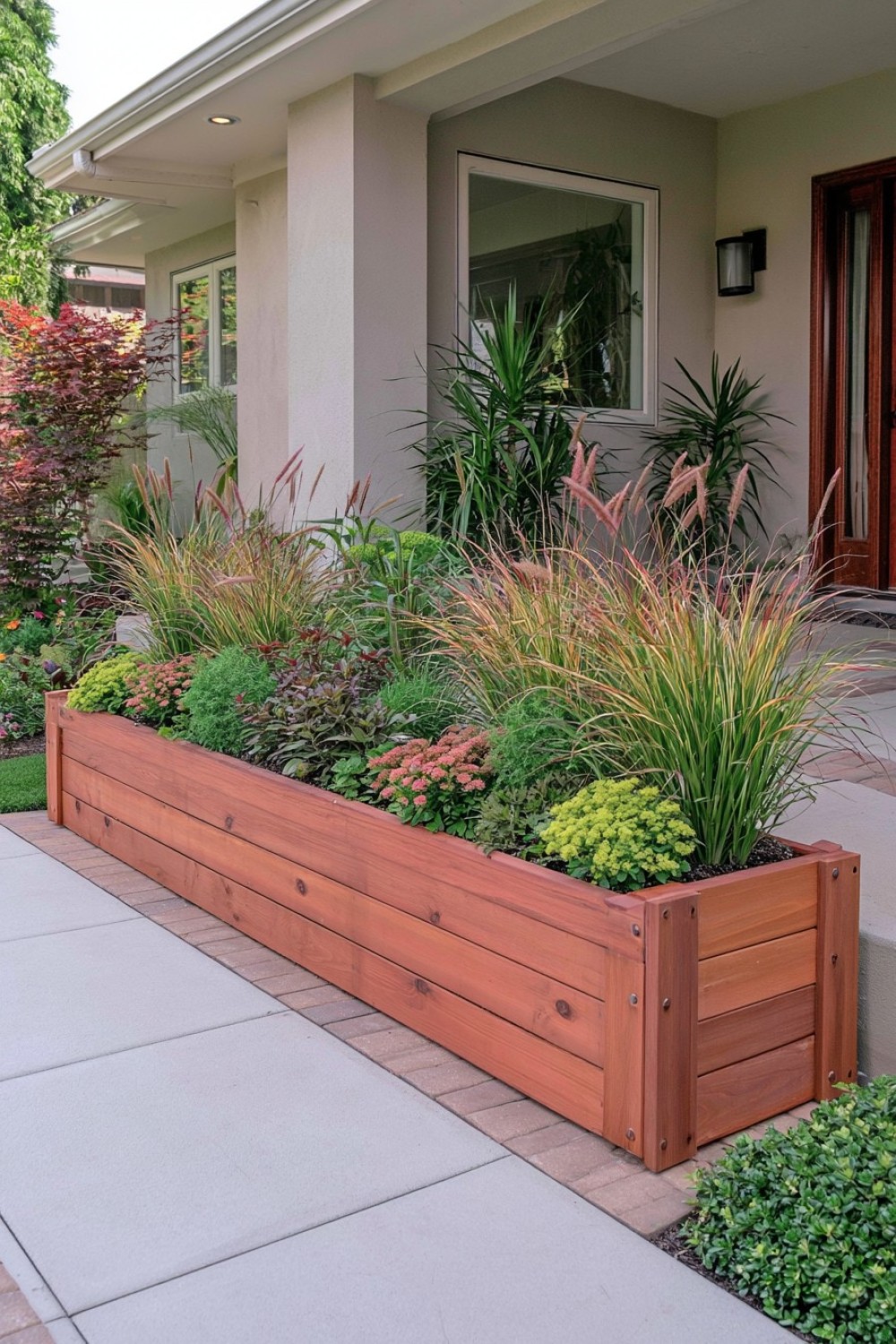
A simple wooden box planter is one of the most adaptable projects for both indoor and outdoor spaces. Cut weather resistant boards to your preferred dimensions, then assemble the sides around a sturdy base using exterior screws. Drill several drainage holes before adding a protective liner that still allows excess water to escape. Sand the wood thoroughly and finish it with outdoor oil, stain, or a clear protective coating. For a contemporary appearance, keep the shape rectangular and the finish understated. Fill the planter with ornamental grasses, herbs, flowers, or compact shrubs. It works especially well beside entryways, patios, balconies, and large windows.
2. Turn a Woven Basket into a Decorative Planter
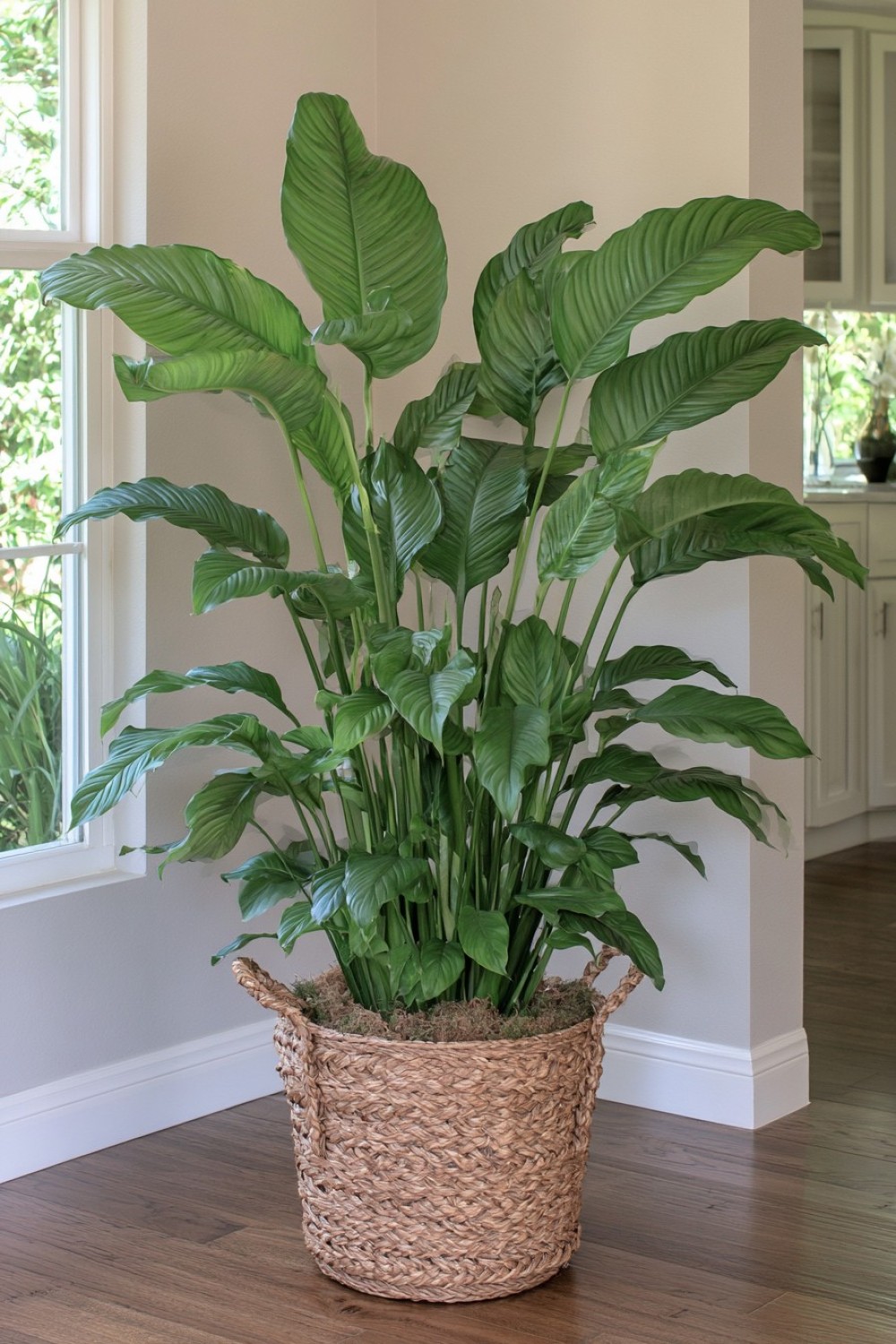
Woven baskets can quickly become warm, textured plant containers without permanent alterations. Choose a sturdy basket slightly larger than the nursery pot you intend to place inside. Protect the basket by inserting a waterproof tray or removable plastic liner at the bottom rather than planting directly into the fibers. Place the plant and its original container inside, then cover any visible gaps with natural moss or decorative bark. Seagrass, rattan, and jute baskets complement leafy houseplants especially well. This idea works beautifully in living rooms, bedrooms, offices, and covered patios where natural texture helps soften modern furniture and architectural surfaces.
3. Create a Concrete Bowl Succulent Planter
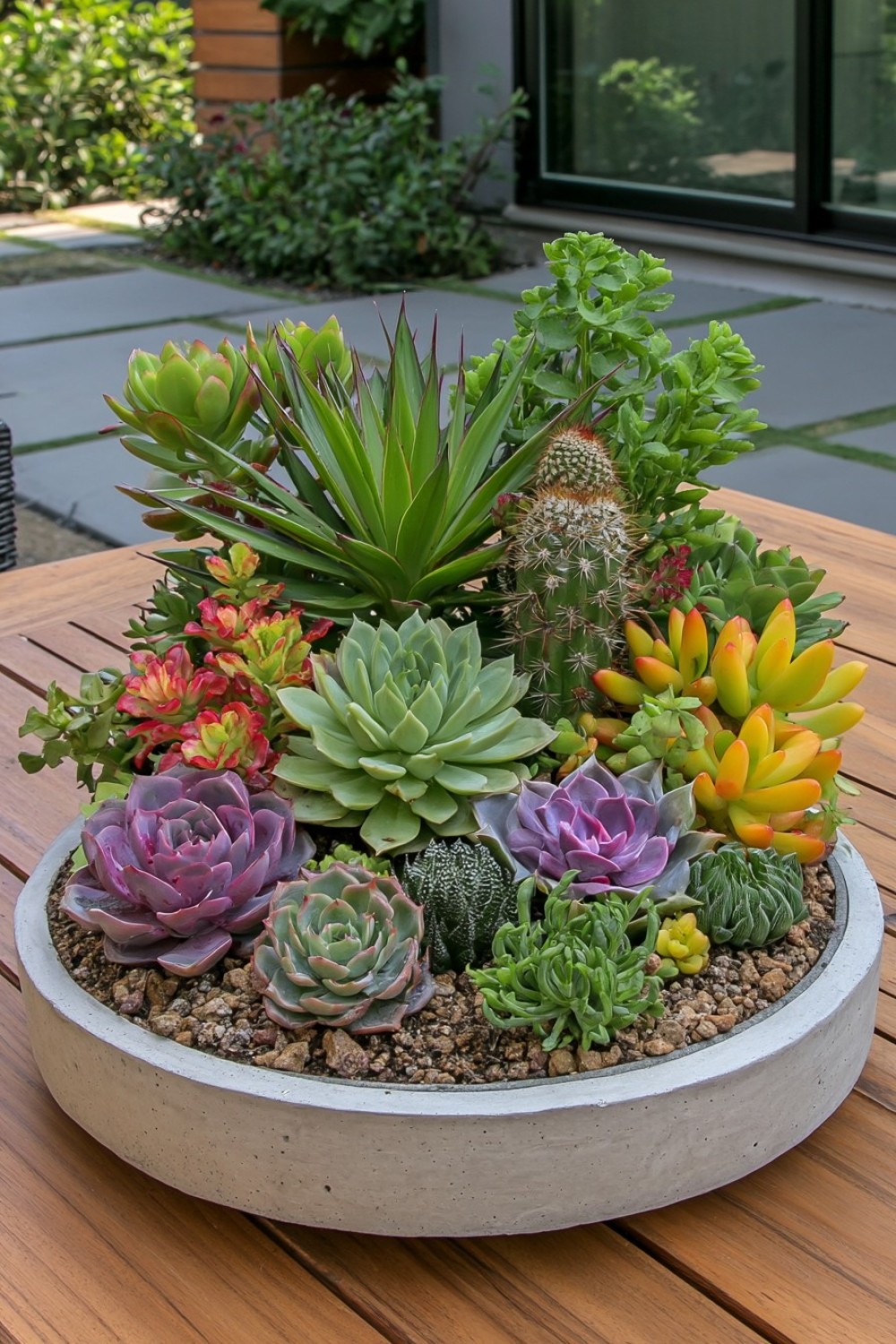
Concrete offers a sculptural look that pairs naturally with compact succulents and modern interiors. Use two differently sized plastic bowls to create a simple mold, placing the smaller one inside the larger container after pouring the concrete mixture. Keep the wall thickness even and form a drainage opening before the material completely hardens. Once cured, remove the molds and lightly sand rough edges. Leave the planter raw for an industrial appearance or apply a subtle mineral finish. Add gritty succulent soil before arranging echeveria, haworthia, sedum, or small cacti. The finished bowl looks striking on coffee tables, patios, shelves, and minimalist garden displays.
4. Repurpose Tin Containers for an Herb Garden
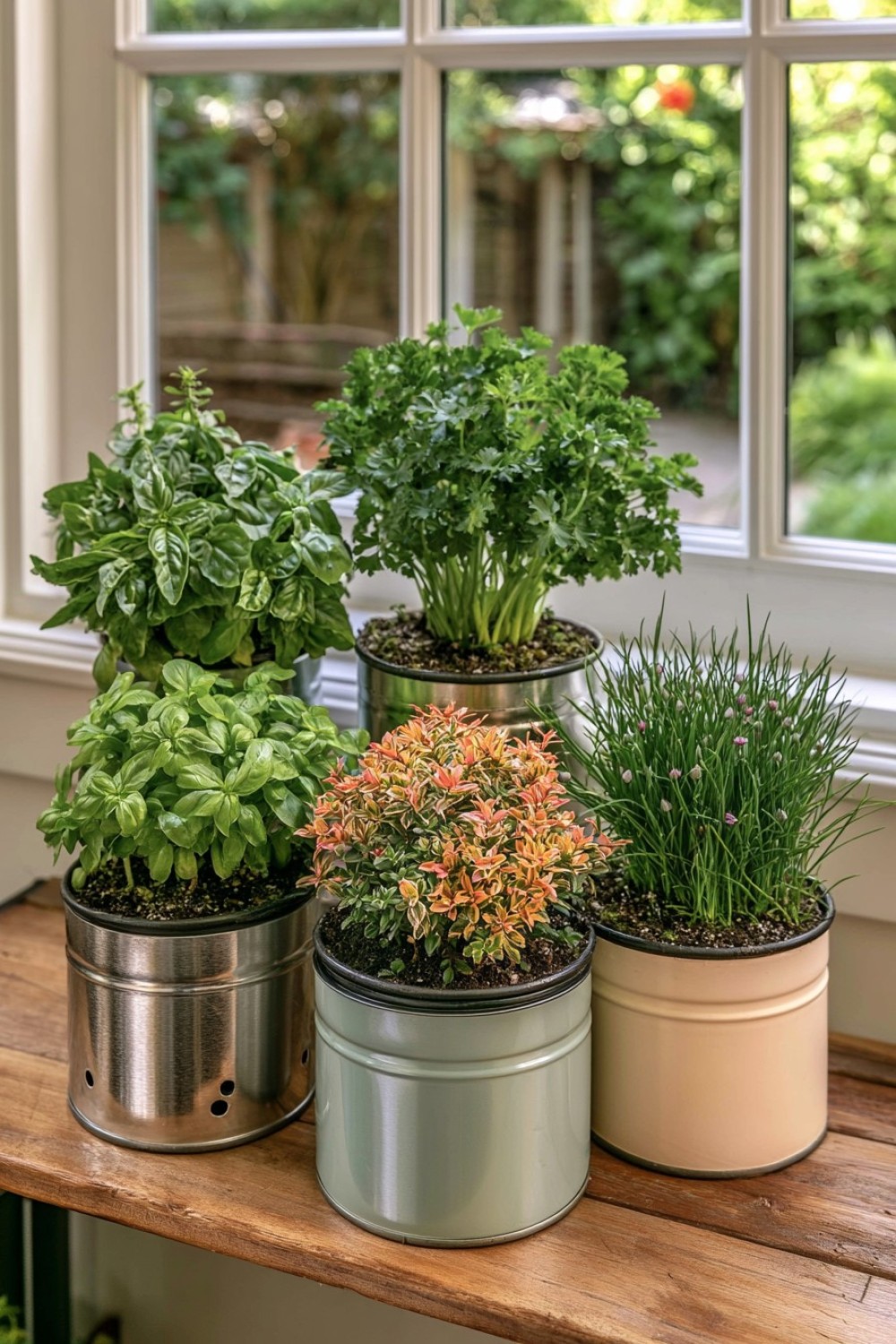
Large food tins and metal containers can become practical herb planters with very little expense. Remove labels and smooth any sharp edges before drilling drainage holes through the bottom. Apply a rust resistant exterior coating if the planter will be used outdoors. You can leave the metal visible for an industrial look or paint each container in a different muted shade. Add lightweight potting soil and plant commonly used herbs such as basil, parsley, chives, thyme, or mint. Arrange several containers together on a kitchen windowsill or outdoor shelf. Their compact size makes this project particularly useful for apartments and small homes with limited gardening space.
5. Make a Hanging Macrame Planter
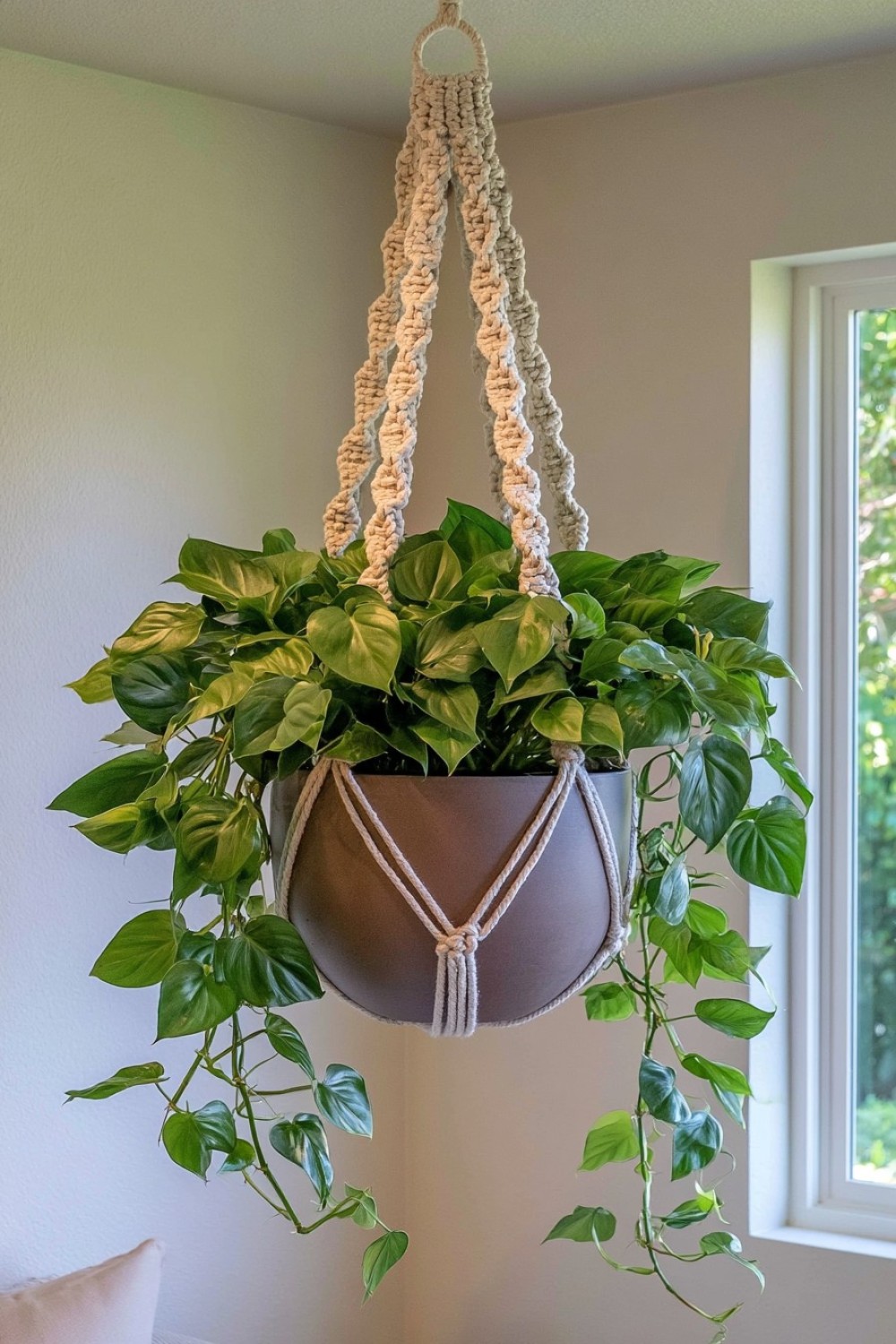
A handmade macrame holder can turn an ordinary plant pot into a vertical decorative feature. Cut several equal lengths of strong cotton cord and knot them together beneath the pot to create a supportive cradle. Continue upward using square knots or simple alternating knots until the planter is held securely. Finish the cords with a strong hanging loop and test the structure before adding the plant. Lightweight pots are generally easier to support than heavy ceramic containers. Trailing plants such as pothos, philodendron, spider plants, or string varieties work particularly well. Hang the planter near windows, in bedroom corners, or above compact furniture.
6. Upcycle an Old Wooden Drawer into a Planter
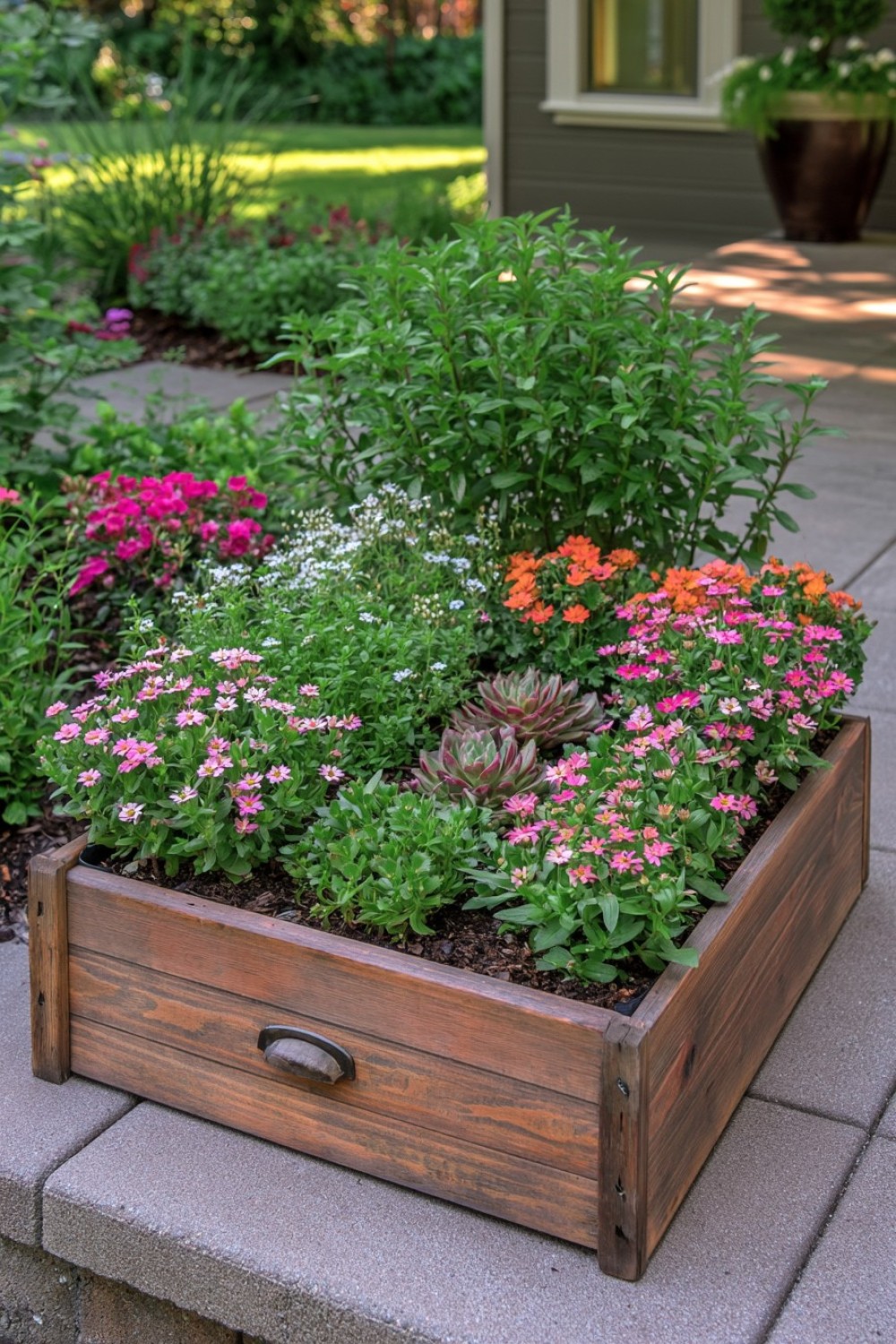
A discarded furniture drawer can become an unusual planter with plenty of character. Remove damaged hardware, reinforce loose corners, and drill drainage holes through the bottom. Line the interior with waterproof material while keeping the drainage openings accessible. Sand the exterior and apply outdoor paint, stain, or protective oil depending on the desired look. The original handle can remain as a decorative feature or be replaced with something more distinctive. Fill the drawer with shallow rooted flowers, herbs, or succulents. Place it on a sturdy bench, patio surface, garden step, or balcony shelf. Several mismatched drawers can also create an eclectic planted arrangement.
7. Design a Vertical Pallet Planter
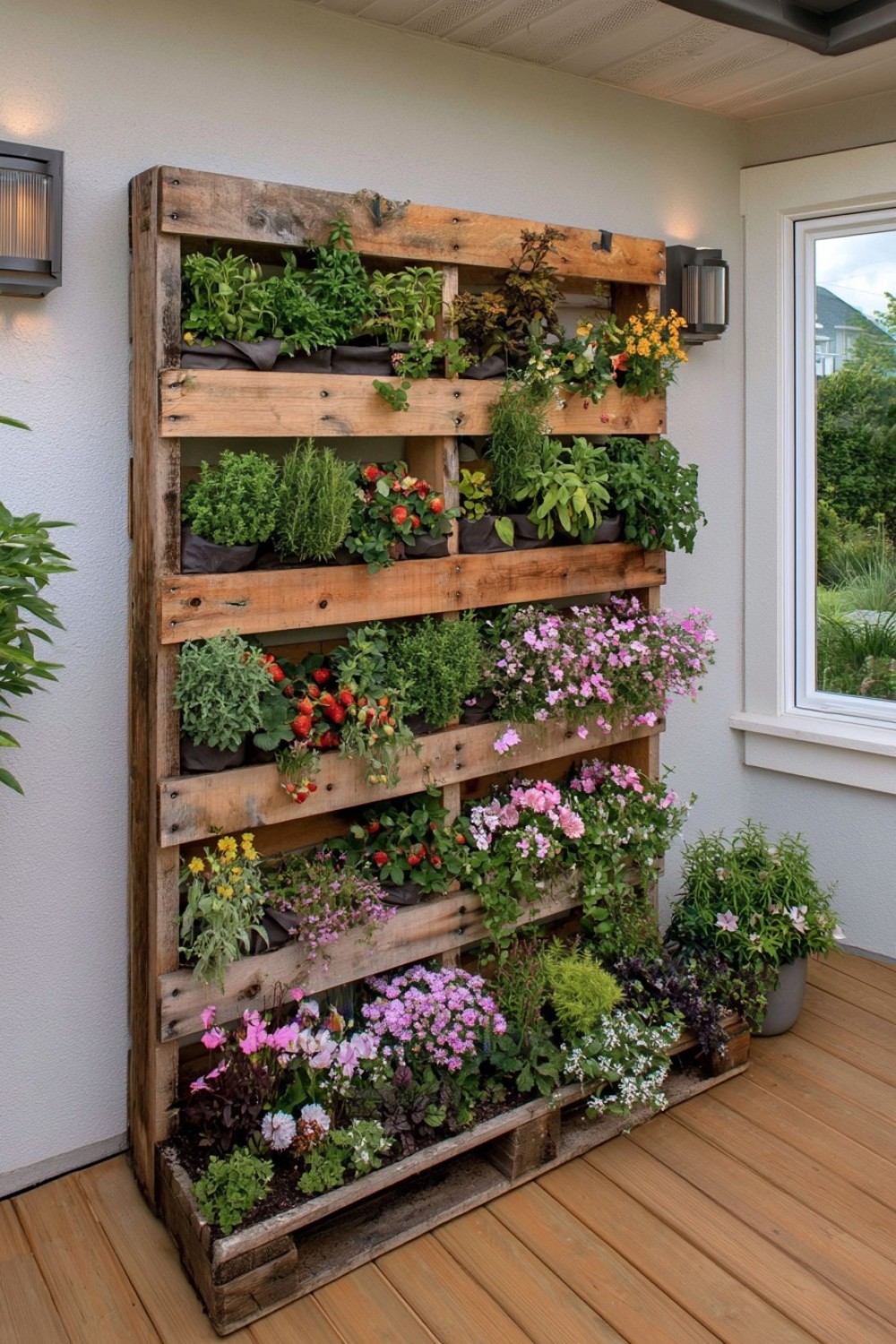
A wooden pallet can provide generous planting space without occupying much floor area. Select a clean, untreated pallet and reinforce any loose boards before sanding rough surfaces. Attach landscaping fabric or durable planter pockets to the back and underside of selected sections to hold soil securely. Position herbs, strawberries, compact flowers, or trailing plants between the wooden slats. Keep heavier plants closer to the bottom to improve stability. The pallet can be leaned securely against a wall or mounted using suitable brackets. This project is particularly effective on balconies, patios, courtyards, and small gardens where vertical surfaces offer valuable growing space.
8. Convert Ceramic Bowls into Mini Planters
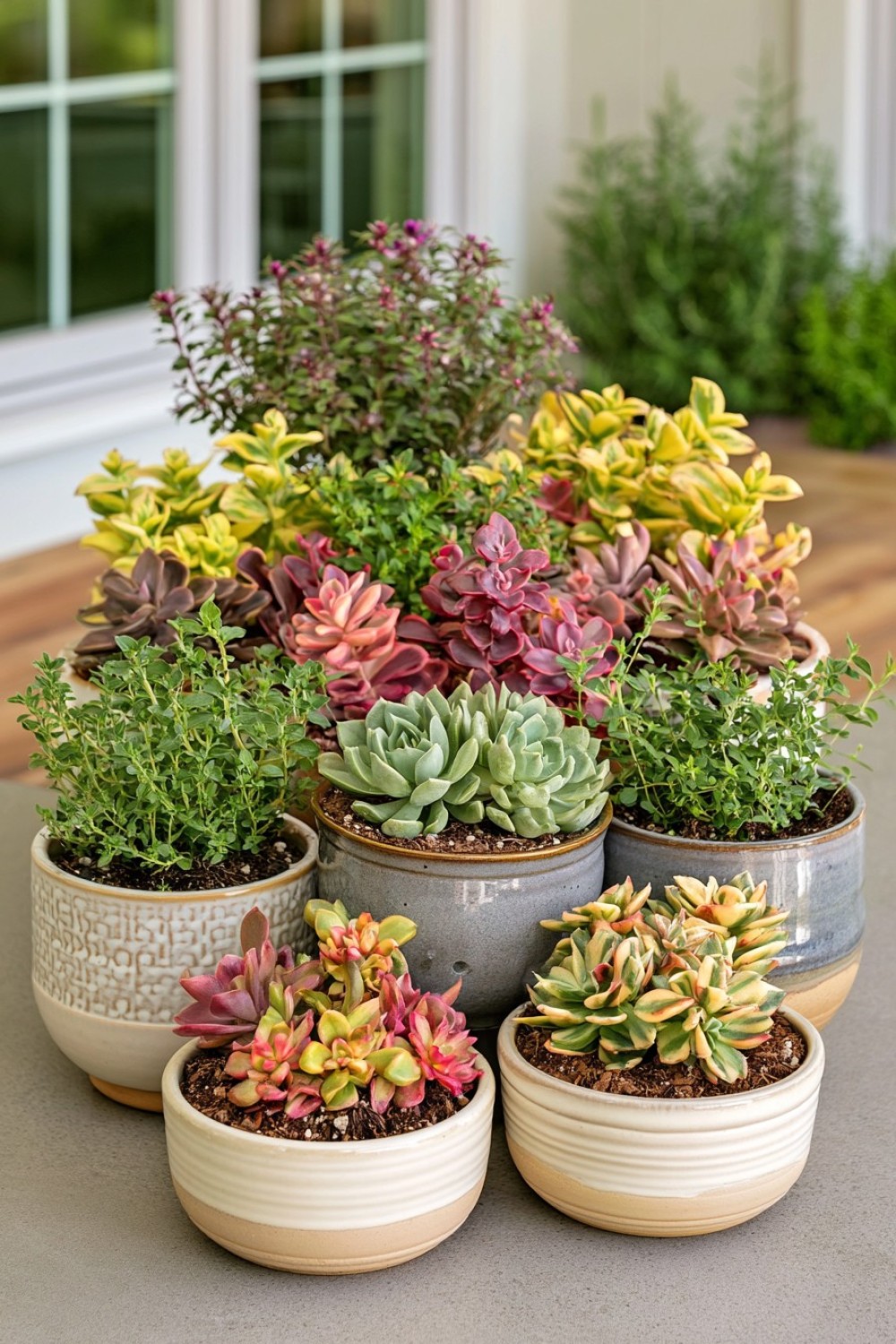
Unused ceramic bowls can become stylish plant containers for small succulents, herbs, or compact houseplants. If possible, create a drainage hole using a suitable ceramic drill bit, working slowly to avoid cracking the material. If drilling is not practical, keep the plant in a removable nursery pot and place a small drainage tray inside the bowl. Mix different ceramic textures, glazed finishes, and neutral colors for a collected appearance. Small bowls work particularly well with succulents, while deeper pieces can hold herbs or young foliage plants. Display them on kitchen shelves, windowsills, coffee tables, bathroom counters, or sideboards for an easy decorative update.
9. Build a Tiered Herb Planter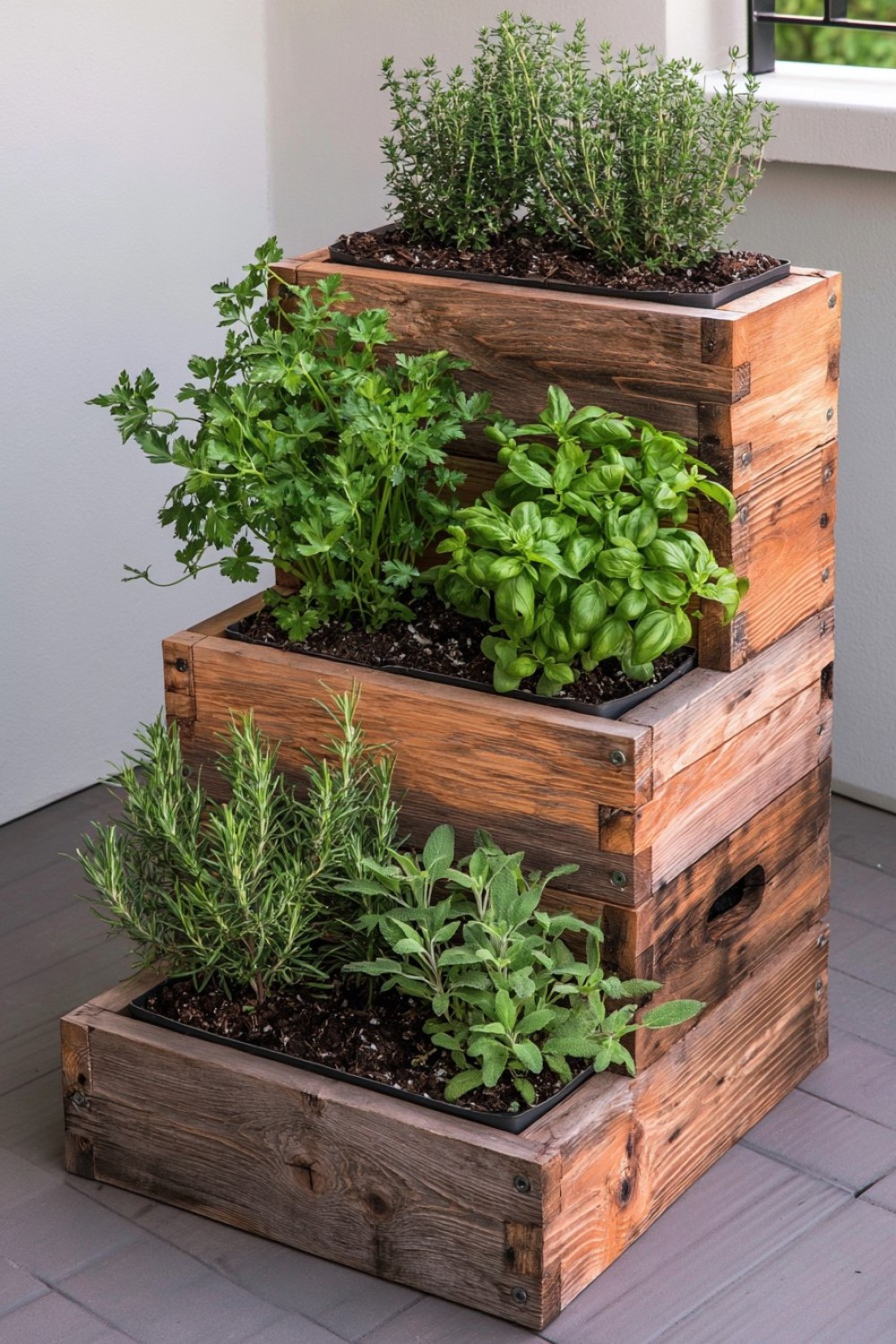
A tiered planter can provide multiple growing levels while keeping herbs organized in a compact footprint. Construct three wooden boxes in decreasing sizes, then secure them together in a stepped arrangement. Drill drainage holes in each level and line the interior with moisture resistant material if needed. Fill the lower tier with larger herbs such as rosemary or sage, while using upper levels for thyme, parsley, basil, or chives. The different heights make every plant easier to reach and allow trailing varieties to cascade naturally. Position the finished planter near a sunny kitchen door, patio, or balcony where herbs can be harvested conveniently throughout the growing season.
10. Make a Fabric Grow Bag Planter
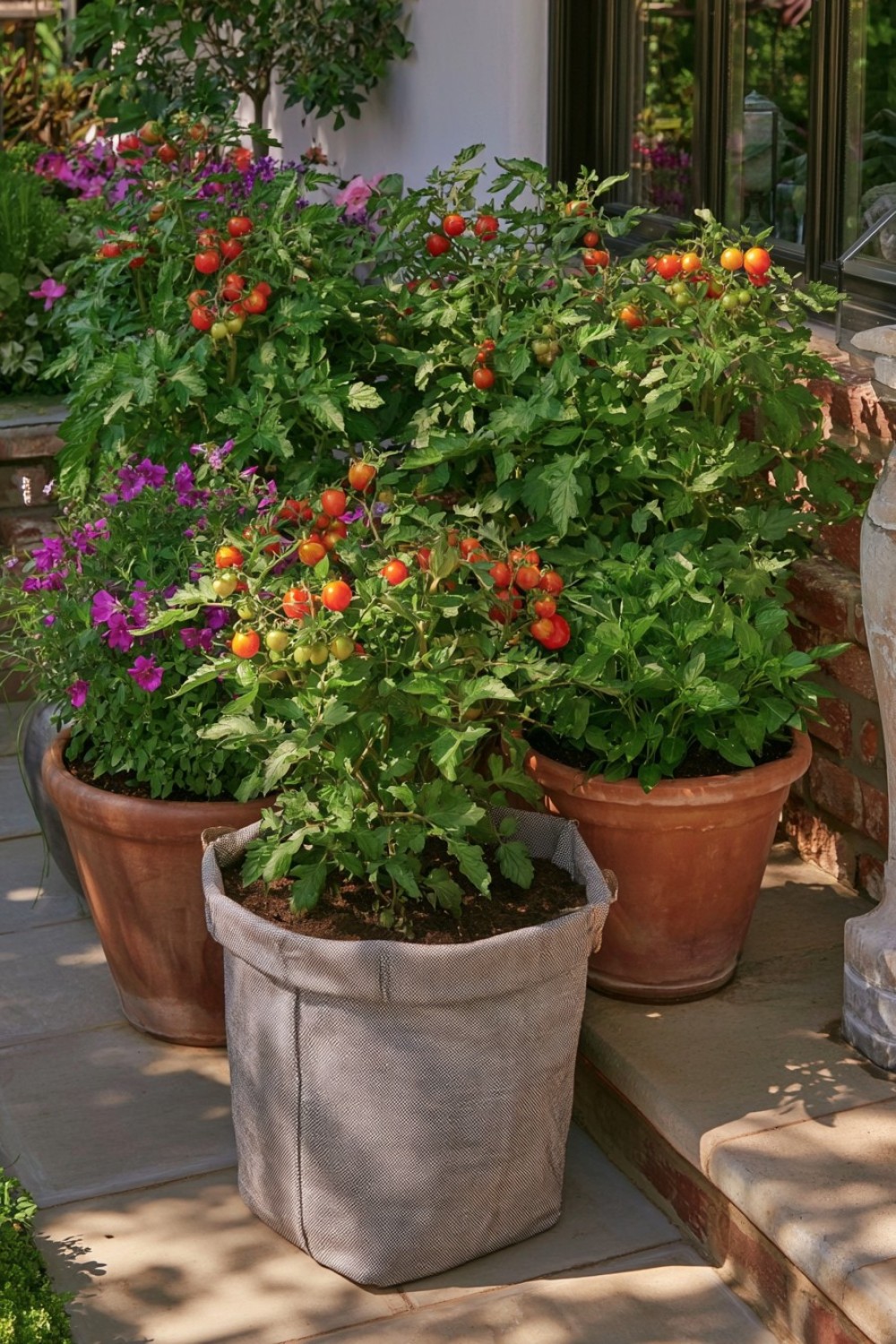
Fabric grow bags are lightweight, flexible, and particularly useful when traditional containers feel too heavy. Sew thick landscape fabric, canvas, or another breathable material into a cylindrical or rectangular bag with reinforced seams. Add sturdy handles if you want the planter to remain portable. Because fabric naturally allows excess moisture and air movement, it can support healthy root development when paired with suitable potting soil. Grow bags work especially well for herbs, tomatoes, peppers, strawberries, and compact vegetables. They can be placed on balconies, patios, garden paths, or temporary growing areas. Choose neutral fabric for subtle styling or patterned material for decorative impact.
11. Turn a Colander into a Hanging Planter
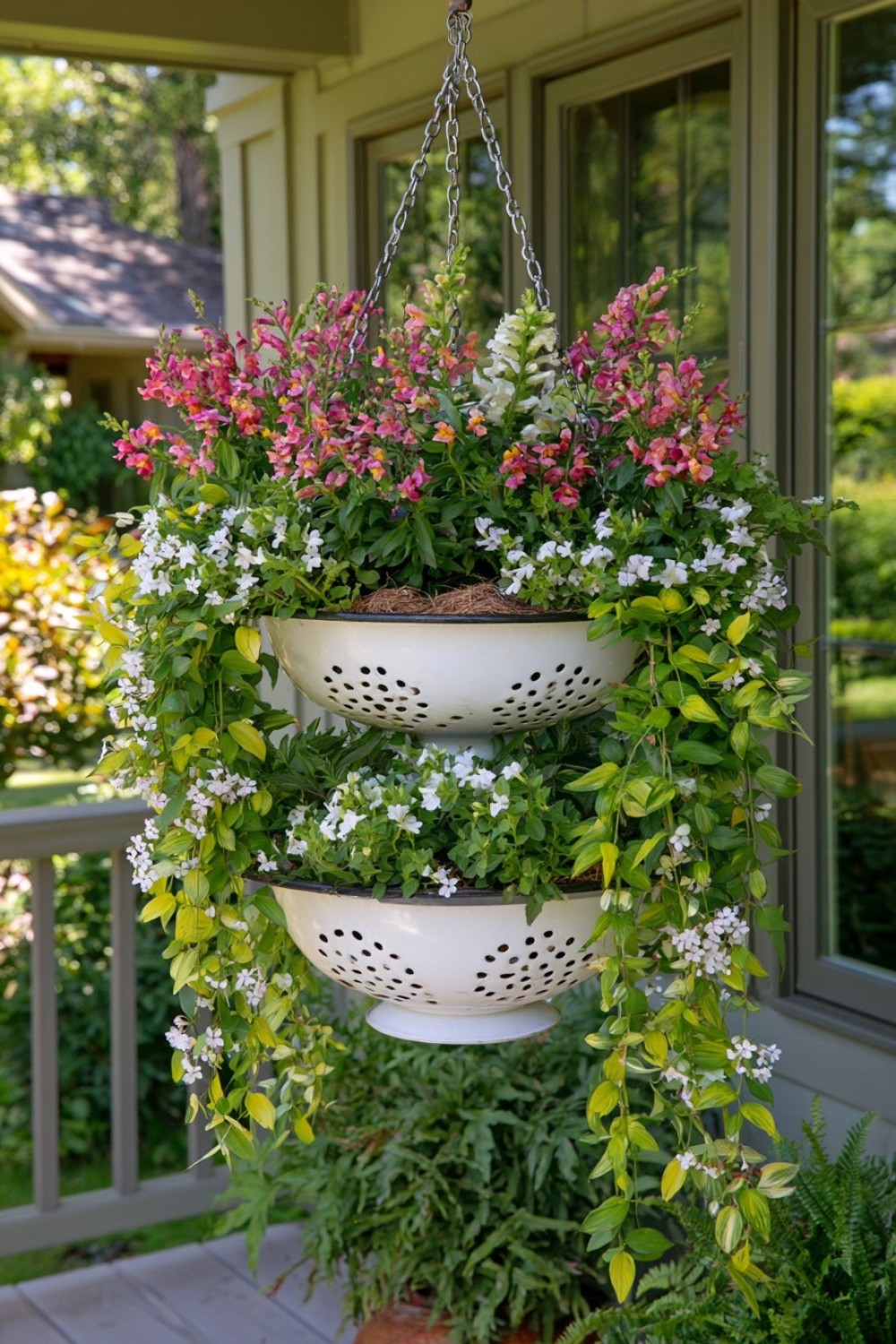
An old metal colander already contains drainage holes, making it surprisingly suitable for a hanging planter. Line the interior with coconut fiber, landscape fabric, or moss so soil stays inside while water can still escape. Fill it with lightweight potting mix and add trailing flowers or cascading foliage. Attach three strong chains or cords evenly around the rim and join them securely at the top. Vintage enamel colanders create a cottage look, while stainless steel versions feel more contemporary. This planter works best in covered outdoor areas, balconies, porches, or bright kitchen spaces where its unusual shape can become an interesting decorative feature.
12. Create a Pebble Covered Plant Pot
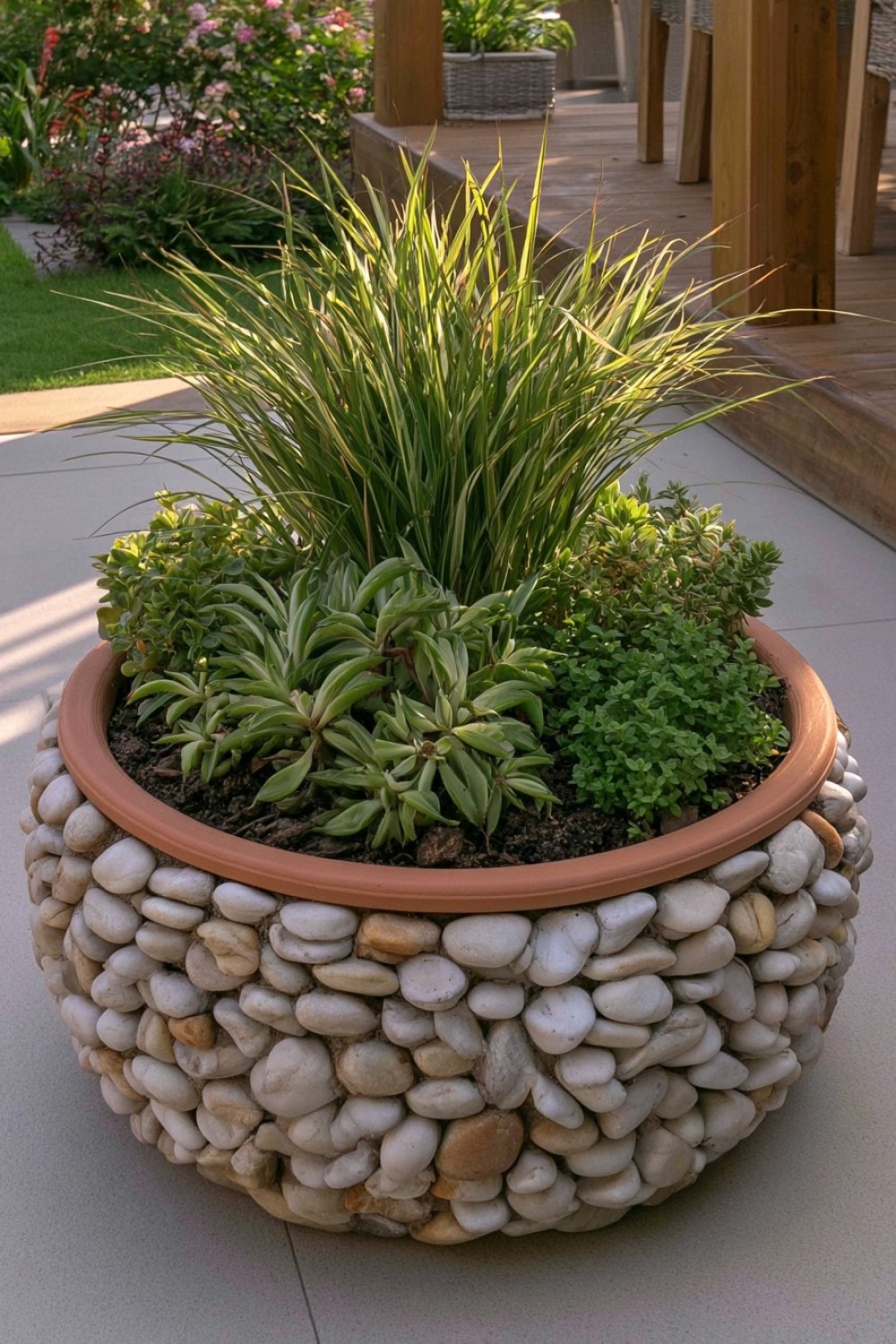
Refresh a plain plastic or terracotta pot by covering its exterior with small pebbles. Clean the pot thoroughly and use strong waterproof adhesive to attach smooth stones one section at a time. Keep the stones relatively similar in thickness so the finished surface remains balanced. Leave the drainage area underneath completely unobstructed. Pale river stones create a calm natural look, while darker gravel can suit more contemporary settings. Once the adhesive cures, fill the planter with ornamental grasses, succulents, herbs, or compact flowering plants. This textured DIY pot works particularly well in bathrooms, patios, garden rooms, and interiors inspired by natural materials.
13. Build a Raised Planter on Wooden Legs
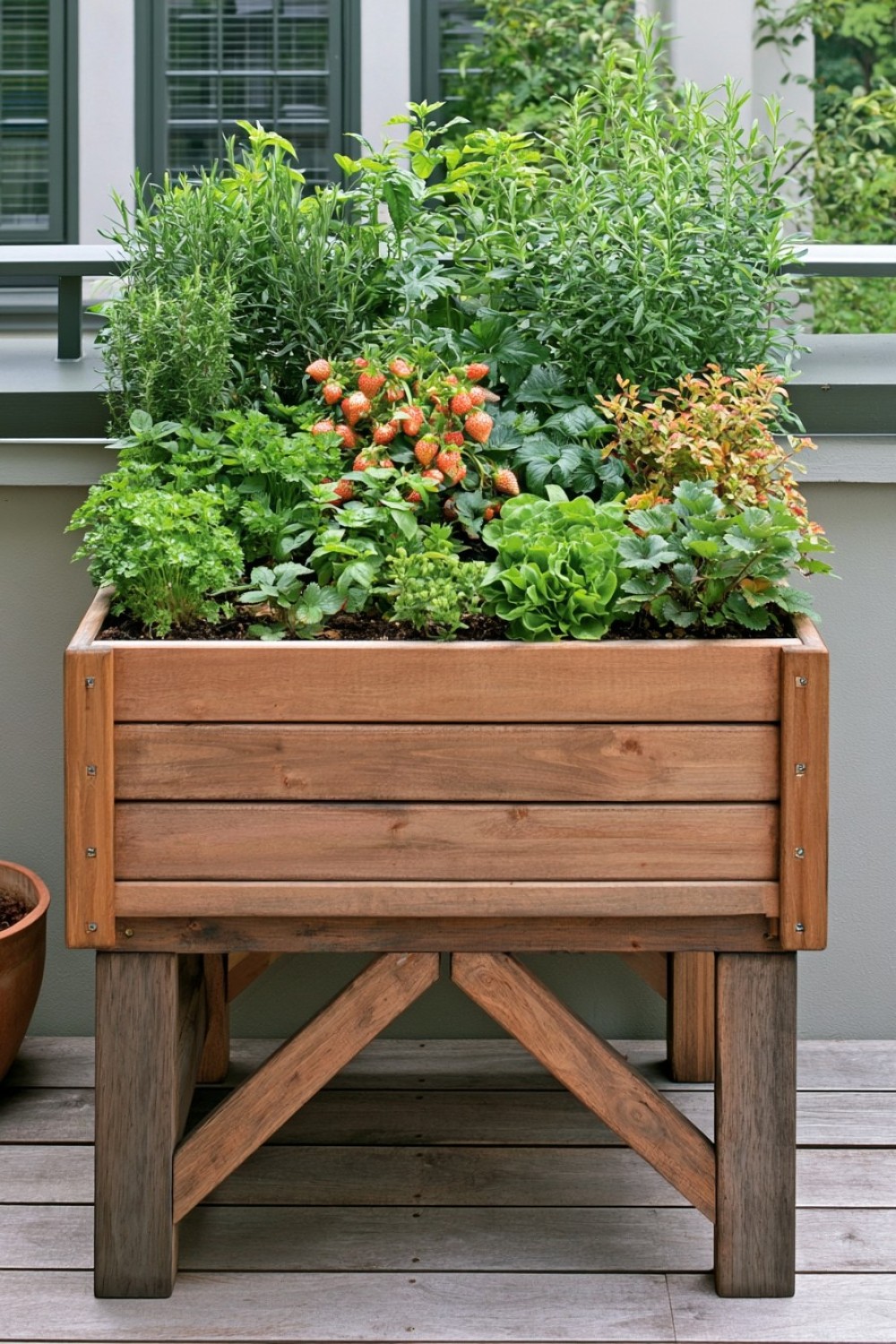
Elevating a planter makes gardening more comfortable while creating a furniture like feature for patios and balconies. Build a rectangular wooden planting box and attach four reinforced legs underneath, adding cross supports if the structure is wide. Drill adequate drainage openings and protect the interior with a suitable liner. Choose rot resistant timber or apply an exterior finish before planting. The raised height is particularly convenient for herbs, salad greens, strawberries, and shallow rooted vegetables. It can also be positioned near outdoor dining areas for easy access. For a more polished appearance, stain the legs differently from the planter box to create subtle visual contrast.
14. Repurpose an Enamel Basin as a Flower Planter
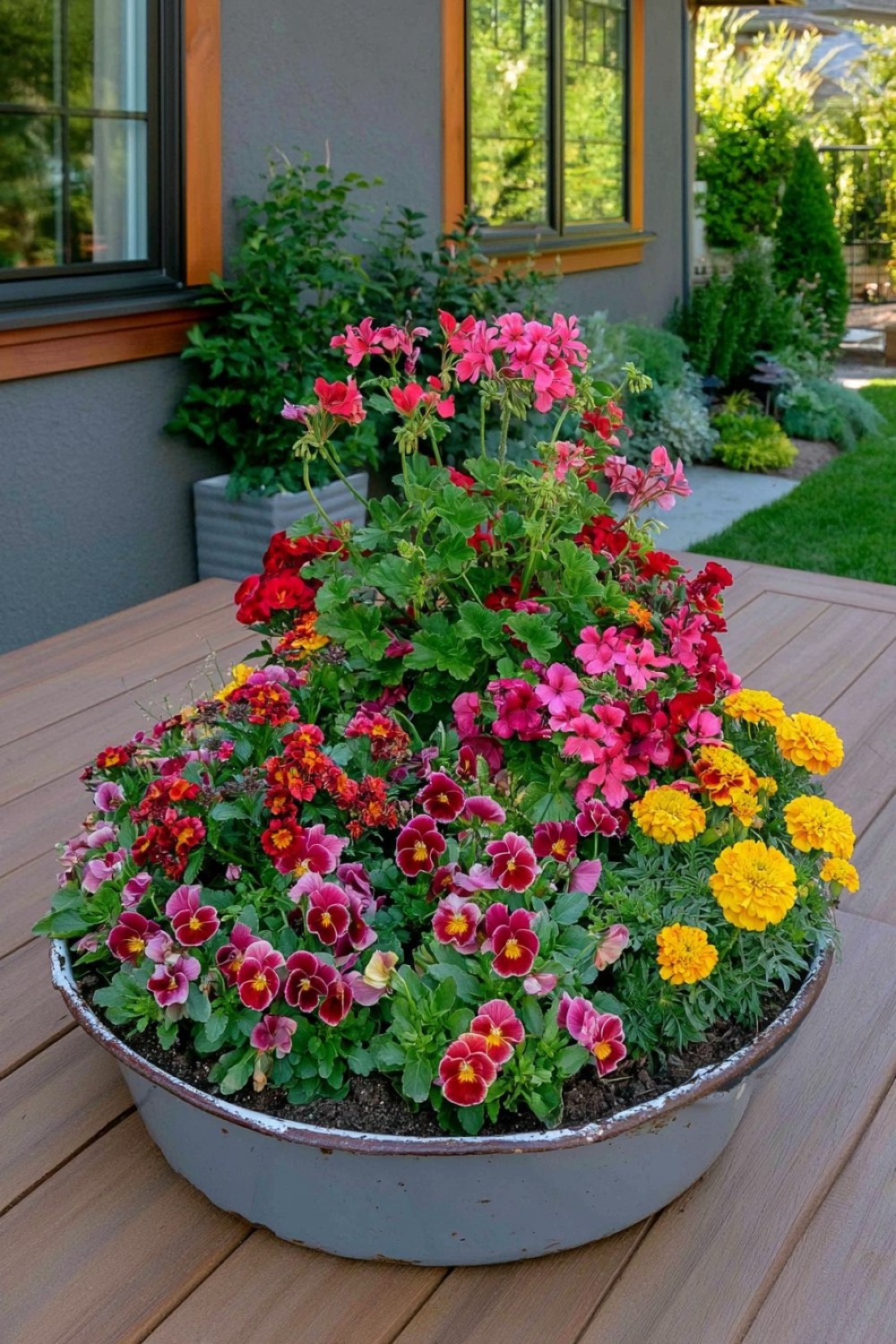
Vintage enamel basins can provide an appealing cottage style container for seasonal flowers. Check the basin for damaged sharp areas before drilling several drainage holes in the base. Add a thin layer of drainage material followed by quality potting soil. Plant geraniums, pansies, petunias, marigolds, or other compact flowering varieties depending on the season. A naturally weathered basin can be left unchanged, while a very damaged exterior can be refreshed with suitable metal paint. Place it on a garden table, porch, patio step, or wooden bench. The combination of aged enamel and fresh flowers gives the arrangement an informal, collected character.
15. Create a Wall Mounted Pocket Planter
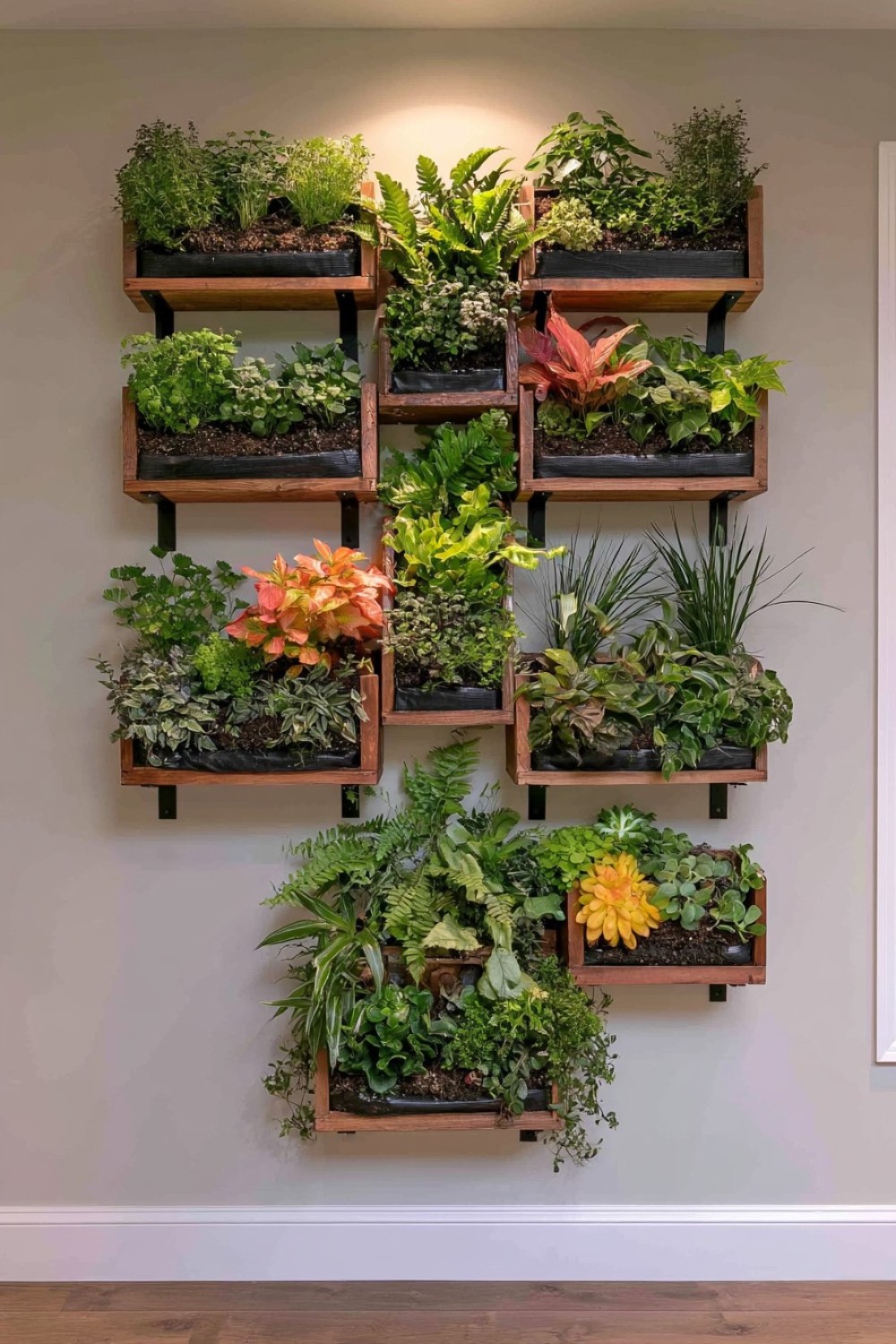
Wall mounted pockets are ideal for introducing greenery where floor and shelf space is limited. Build shallow planting containers from thin wood or use sturdy recycled wall pockets that can tolerate moisture. Attach a waterproof liner inside and include drainage at the lowest point. Mount the planter securely using hardware appropriate for the wall material. Choose shallow rooted plants such as compact herbs, succulents, small ferns, or trailing foliage. Several pockets can be arranged vertically or in an offset composition for greater visual interest. This project works especially well on balconies, courtyards, entry areas, kitchen walls, and small patios where every surface needs to work harder.
16. Transform a Wooden Ladder into a Planter Stand
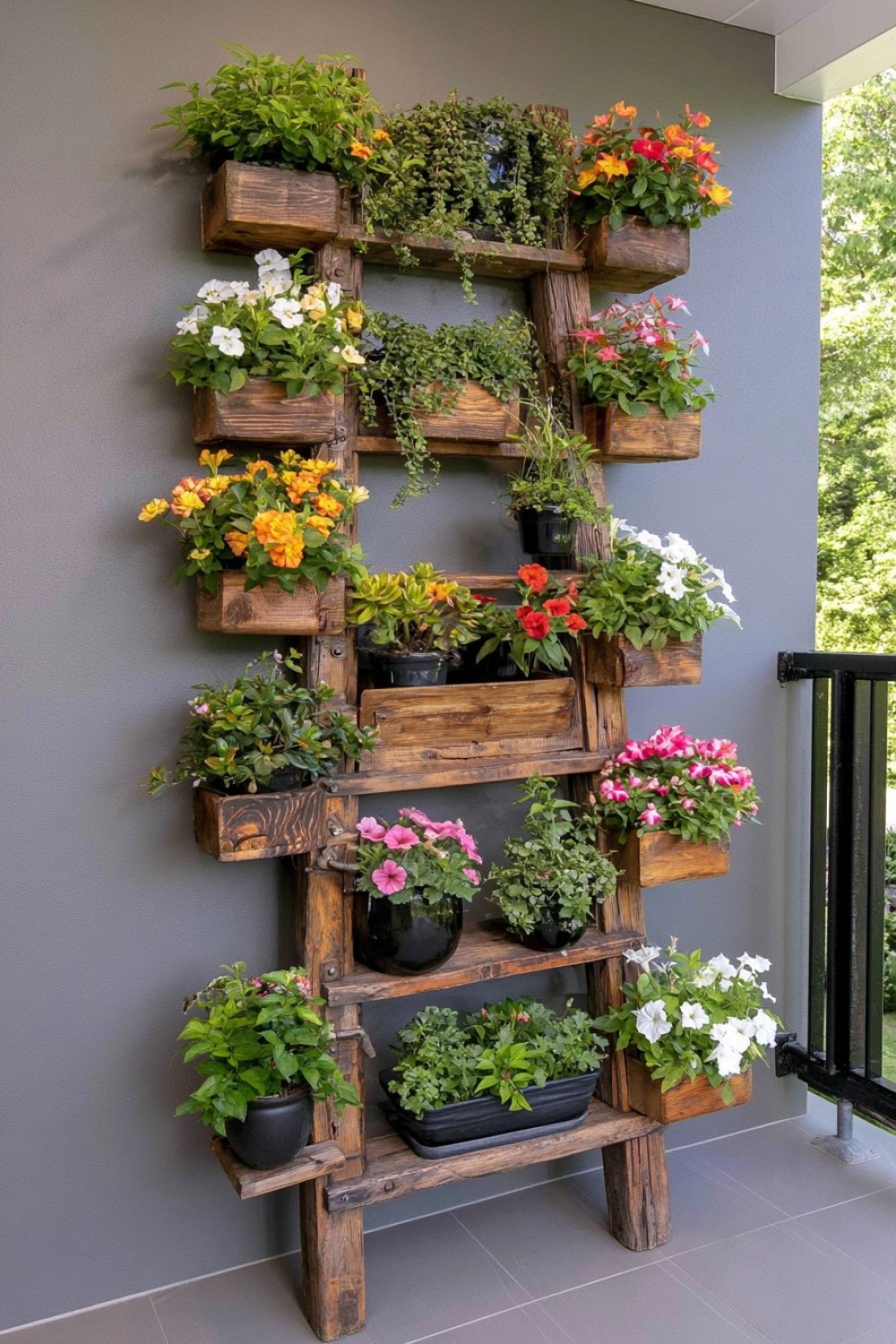
An old ladder can become a multi level plant display without being permanently altered. Clean and stabilize the ladder first, repairing any loose joints before adding plants. Place small planter boxes or individual pots across the steps, keeping heavier containers toward the bottom. A leaning ladder can also support lightweight hanging pots from selected rungs. Paint the frame for a cleaner appearance or preserve worn wood for a rustic look. Combine plants with different heights and foliage shapes so every level remains visible. This planter stand is ideal for balconies, porches, garden corners, and sunrooms where vertical display can create impact without consuming much floor space.
17. Make a Reclaimed Wood Trough Planter
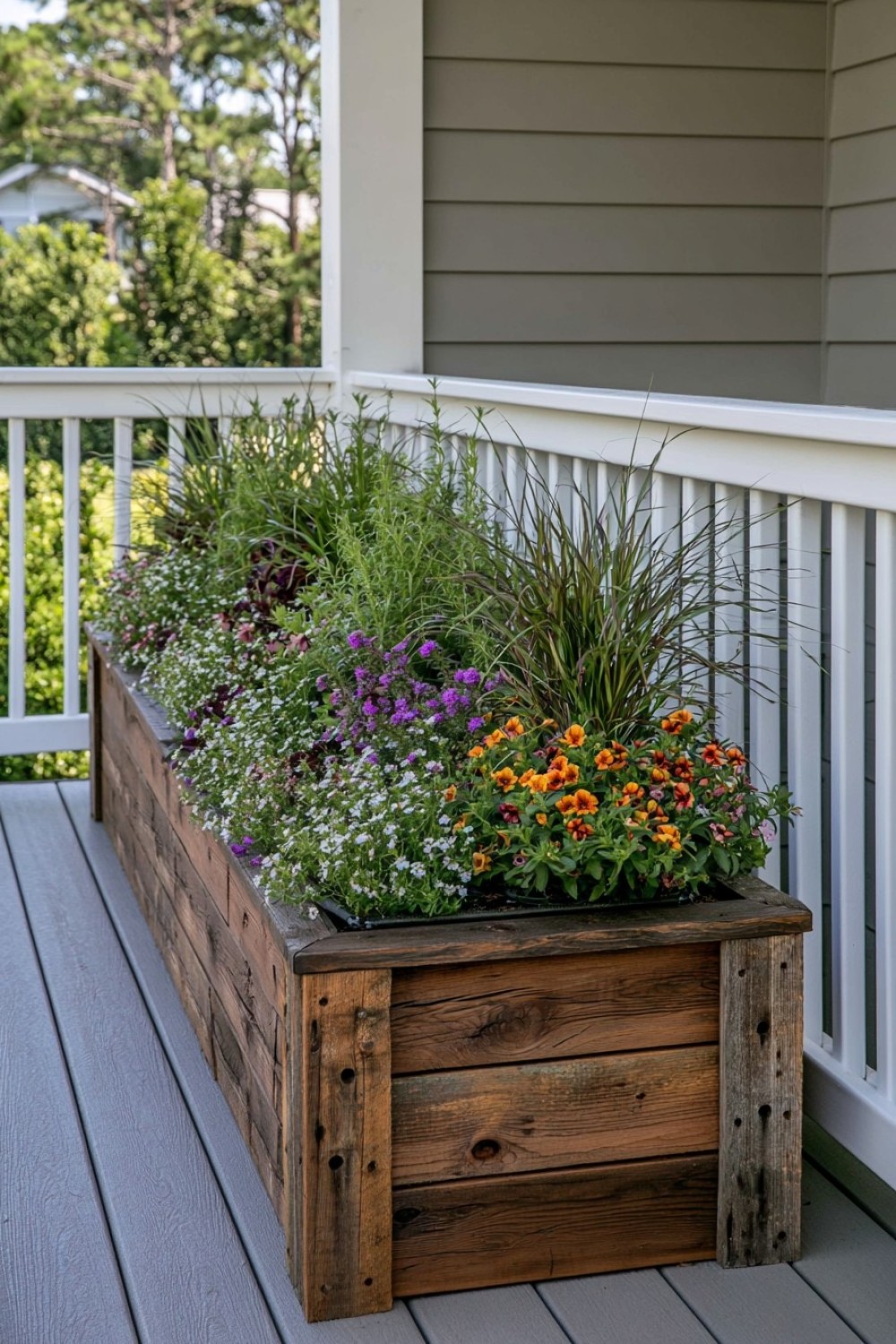
Long wooden troughs work especially well beneath windows, along railings, or on narrow patios. Build the container from reclaimed boards that are structurally sound and free from harmful treatments. Reinforce the corners with interior blocks and drill several drainage openings along the base. Line the inside to slow moisture damage without sealing the drainage holes. Keep the weathered exterior visible or apply a transparent protective finish. Fill the trough with trailing flowers, herbs, ornamental grasses, or a mixed seasonal planting. The elongated shape makes it easy to create repeating color patterns and works particularly well when you want greenery to soften long architectural edges.
18. Create a Mixed Material Statement Planter
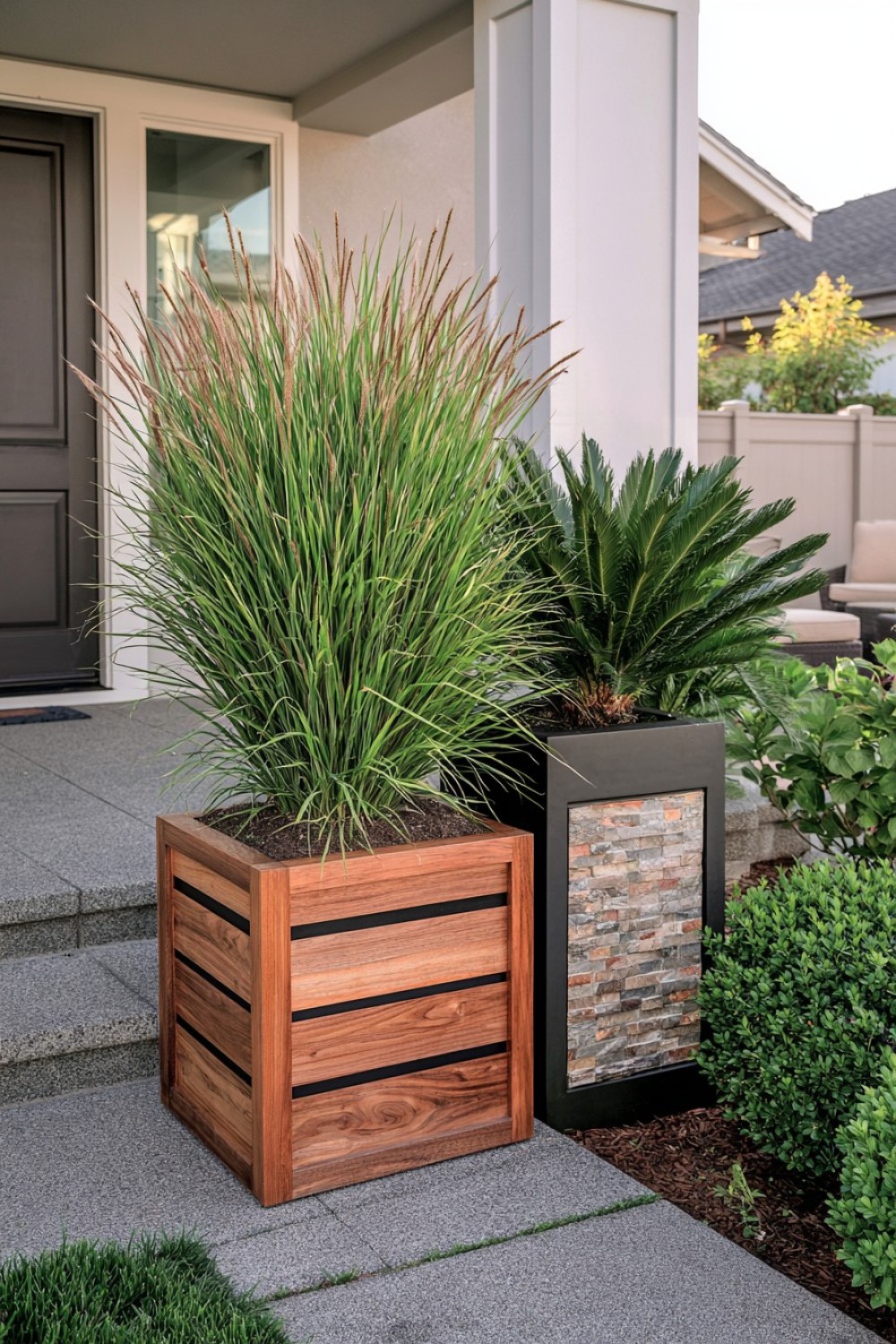
Combine wood, metal, stone, or painted surfaces to create a planter that functions as a decorative focal point. Begin with a simple wooden or concrete container, then introduce one contrasting material rather than covering every surface. Metal bands can wrap around a wooden planter, small stone sections can accent concrete, or painted geometric panels can refresh an otherwise plain box. Keep the planting arrangement relatively simple so the container design remains visible. Tall grasses, structured foliage, or one dramatic houseplant usually work well. Place the finished piece near an entrance, beside patio furniture, or in an empty interior corner where a handcrafted planter can anchor the surrounding decor.
MORE IDEAS


Share
What's Your Reaction?
 Like
0
Like
0
 Dislike
0
Dislike
0
 Love
0
Love
0
 Funny
0
Funny
0
 Angry
0
Angry
0
 Sad
0
Sad
0
 Wow
0
Wow
0