17 Cottage Kitchen Details for a Warm and Characterful Home

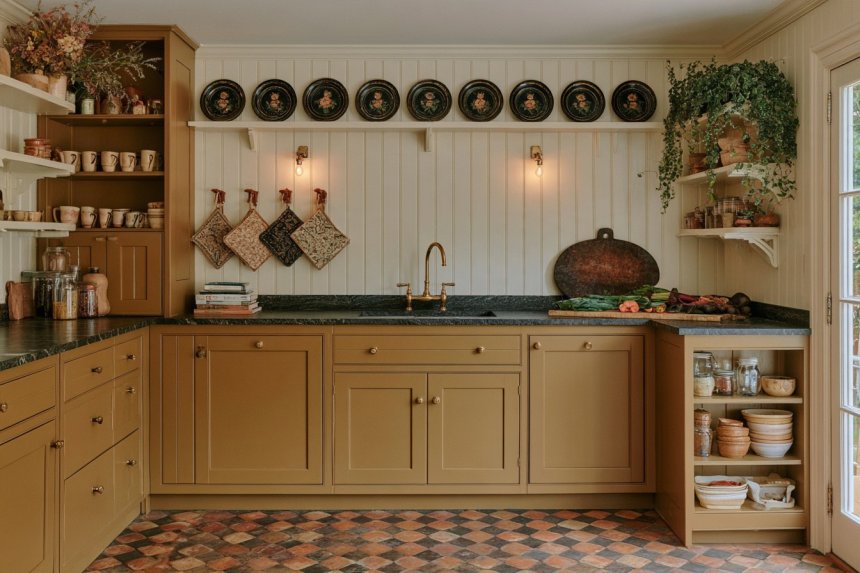
Cottage kitchen decoration feels most convincing when the room looks naturally collected instead of perfectly coordinated. Practical storage, warm finishes, painted furniture, natural wood, ceramics, woven baskets, and subtly aged metal can all contribute to this welcoming character. The key is to choose details that support the way the kitchen is used every day. Materials near sinks and cooking areas should tolerate moisture, heat, and frequent cleaning, while decorative pieces should remain easy to reach and maintain. The following cottage kitchen ideas combine visual warmth with sensible planning, helping you create a comfortable room that feels personal without becoming cluttered or overly themed.
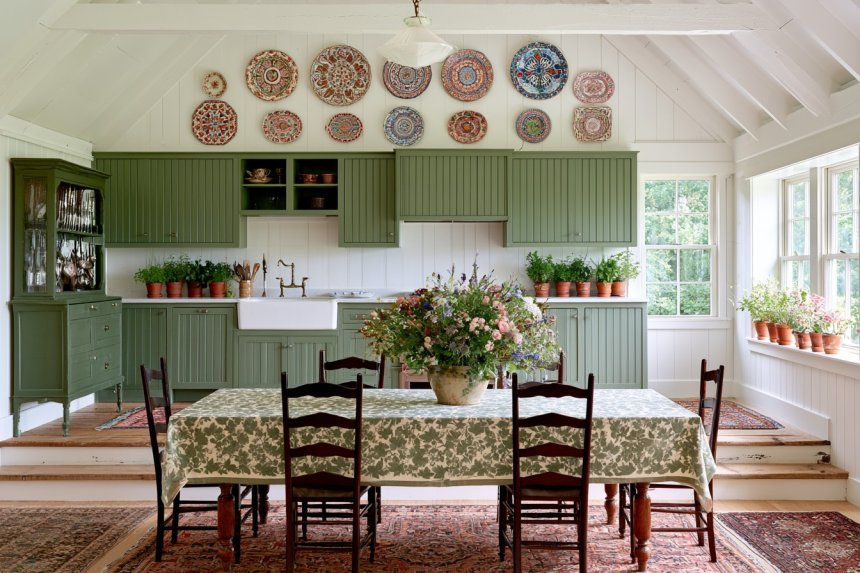
1. Replace One Cabinet Run With a Freestanding Kitchen Dresser
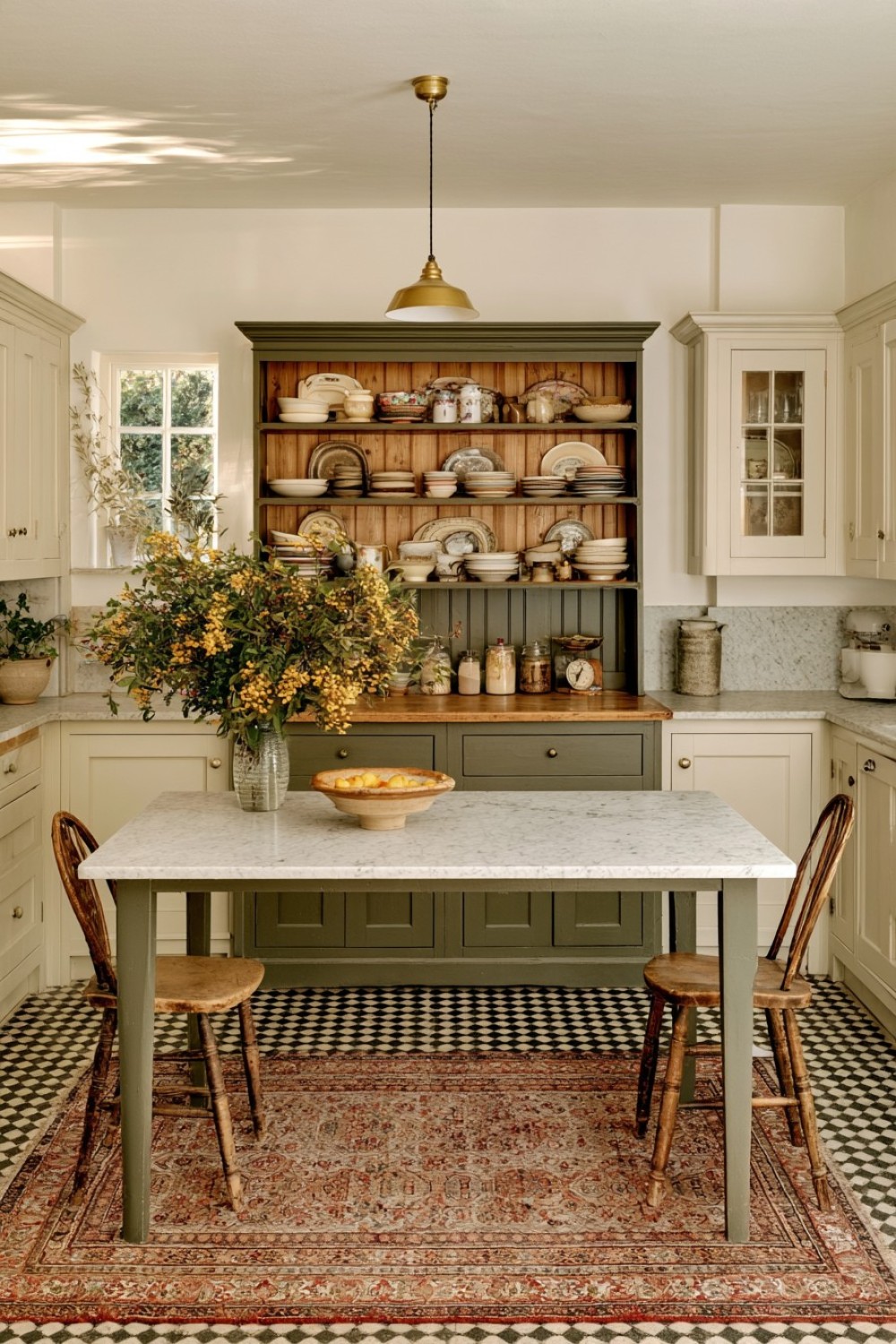
A freestanding dresser can make a cottage kitchen feel more personal than a room filled entirely with matching fitted cabinets. Use it to store plates, bowls, table linens, pantry jars, or serving pieces that are needed regularly. A model with glazed upper doors keeps dust away while allowing attractive ceramics to remain visible. Before buying a vintage piece, measure its width, depth, and door clearance so it does not interrupt a walkway or prevent nearby appliances from opening fully.
Choose a finish that relates to the kitchen palette without matching every cabinet exactly. Muted sage, warm cream, soft blue, natural pine, and lightly weathered oak are adaptable choices. Check older furniture for loose joints, damaged shelves, odors, and signs of wood-boring insects. If the dresser will hold heavy dishes, reinforce weak shelves and secure tall furniture to the wall. Position it away from direct sink splashes and intense cooking heat to protect the finish.
2. Add a Traditional Plate Rack Above the Preparation Area
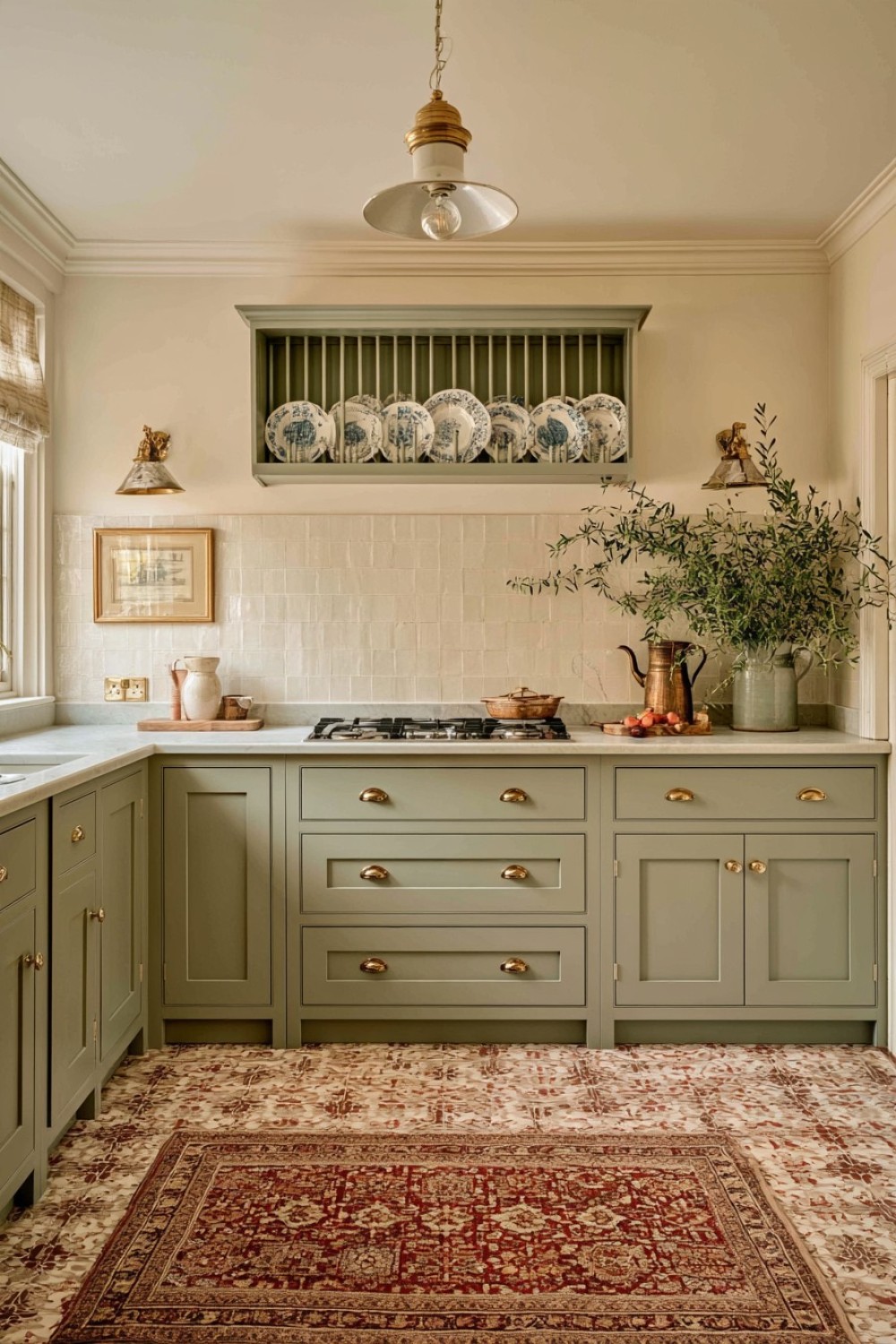
A wall-mounted plate rack provides storage while adding the handcrafted appearance associated with cottage kitchens. Install it near the dishwasher or main preparation area so everyday plates can be returned without crossing the room. Measure the diameter and thickness of the dishes before selecting the rack; narrow grooves may not support deep bowls or heavier stoneware. The lower edge should remain high enough to preserve usable counter space without making the plates difficult to reach.
Keep the display selective rather than filling every opening. A coordinated collection of white, cream, blue, or subtly patterned plates creates interest without making the wall appear crowded. Use secure wall fixings suited to the wall material and the combined weight of the rack and dishes. Open storage collects cooking residue more quickly than closed cabinets, so avoid placing it directly beside the range. Plates used frequently will also stay cleaner than pieces left untouched for long periods.
3. Use a Butcher Block Worktable Instead of a Conventional Island
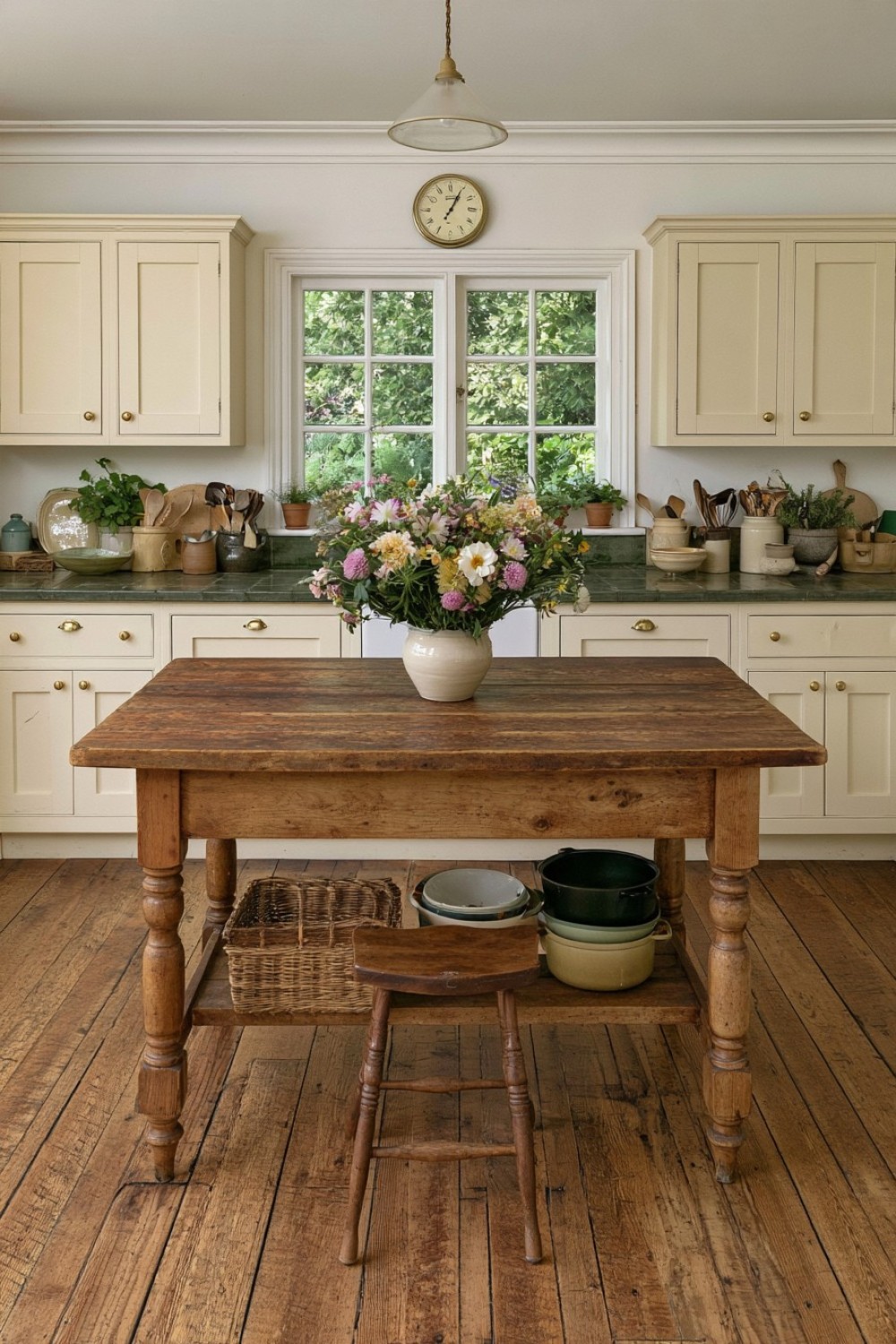
A freestanding butcher block table offers preparation space without the visual weight of a large built-in island. It works especially well in a compact or irregular kitchen because it can be narrower than standard cabinetry. Aim to preserve approximately 90 centimetres of clear circulation around the table, with additional room near an oven, dishwasher, or refrigerator door. A lower shelf can hold mixing bowls and cookware, while a shallow drawer keeps frequently used utensils nearby.
Select the surface according to how it will be used. A food-safe wooden top can be prepared directly on when maintained correctly, while a sealed decorative top may require separate cutting boards. Wipe spills promptly and follow the manufacturer’s oiling or sealing instructions to prevent staining and warping. Lockable casters can make the table movable, but they should be strong enough for the total load. A fixed table is usually safer when it will support heavy appliances or vigorous food preparation.
4. Combine Two Soft Cabinet Colors Instead of Matching Everything
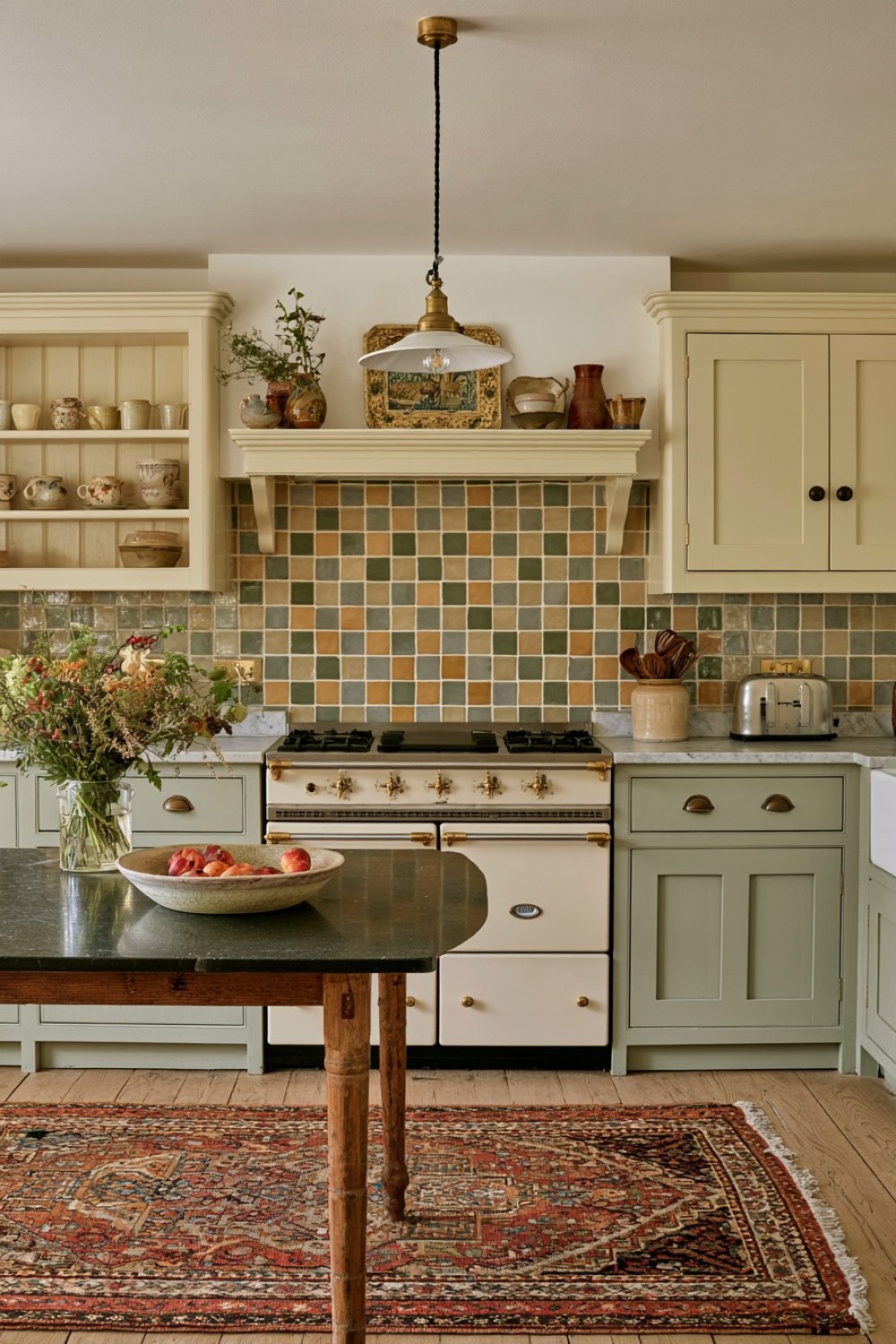
Using two restrained cabinet colors can give a cottage kitchen depth while keeping the room calm. One practical approach is to use a lighter shade on upper cabinets and a slightly deeper color below. This keeps the upper portion visually open while making marks less noticeable on lower doors. Warm white with sage, cream with dusty blue, or pale gray with muted olive can work well when their undertones also coordinate with the floor and countertop.
Test painted samples vertically on different sides of the room and observe them during morning, afternoon, and evening light. A shade that appears soft in daylight may become unexpectedly yellow, blue, or gray under artificial lighting. Keep permanent finishes in mind before committing: countertops, tiles, and flooring are more expensive to replace than paint. Use a washable cabinet coating appropriate for kitchens, prepare the surfaces carefully, and allow the recommended curing time before returning knobs or cleaning the doors.
5. Introduce Beadboard Inside Selected Cabinet Sections
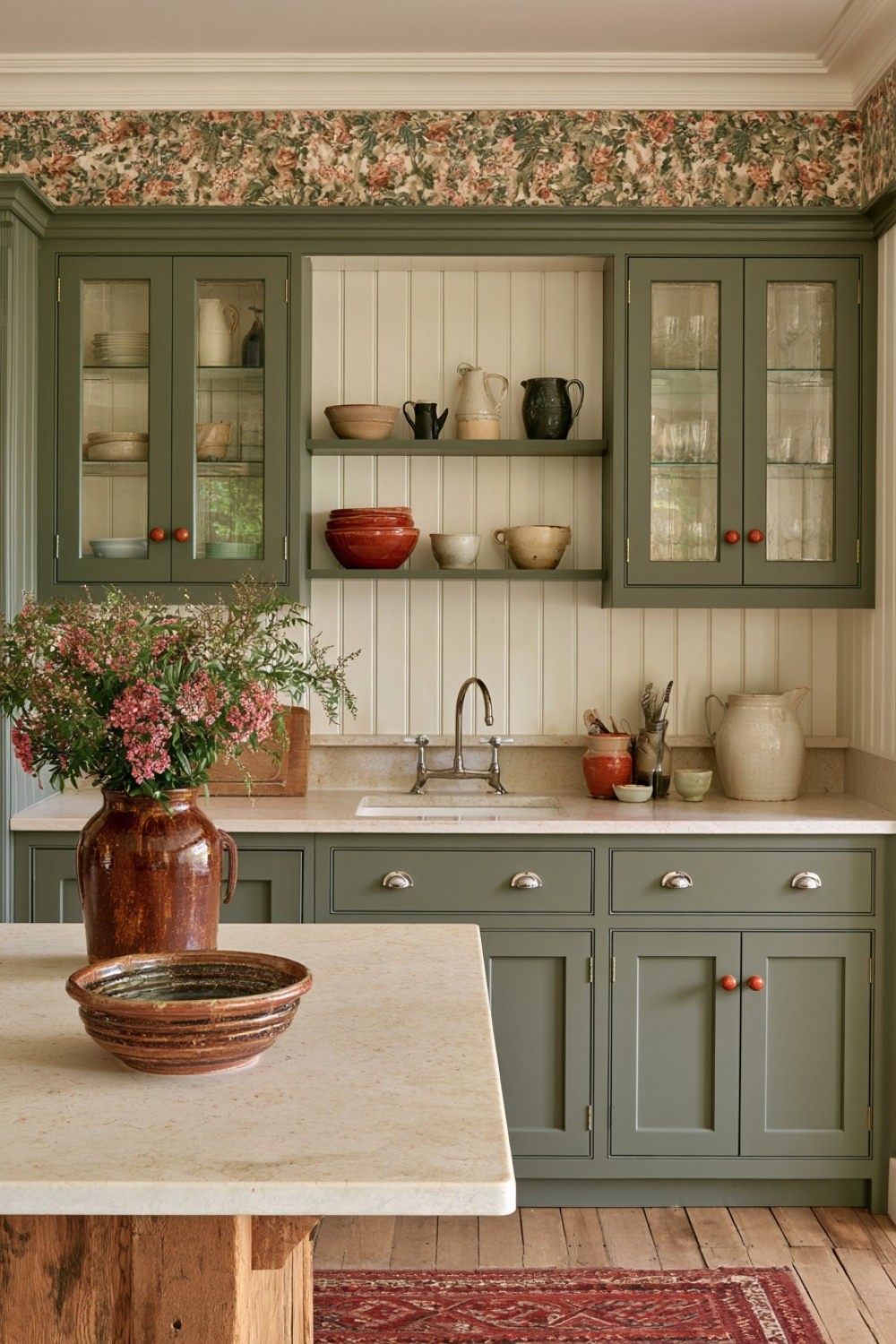
Beadboard can bring subtle texture to glass-fronted cabinets, open shelving, or the exposed side of a pantry cupboard. Limiting it to a few selected areas prevents the vertical lines from overwhelming the room. A painted backing in warm white, muted green, or pale blue can also help white dishes and clear glassware stand out. For a removable update, attach a thin beadboard panel to the cabinet back instead of altering the original cabinet structure permanently.
Confirm that the added panel will not reduce shelf depth enough to affect stored items. Real timber, moisture-resistant MDF, and lightweight decorative panels require different installation and finishing methods. Near sinks or humid areas, seal edges carefully so moisture cannot enter the material. Grooved surfaces hold more dust and grease than flat panels, making regular wiping necessary. Use beadboard where it can be maintained comfortably rather than directly behind a range or another area exposed to heavy cooking residue.
6. Create a Skirted Storage Area Beneath the Sink
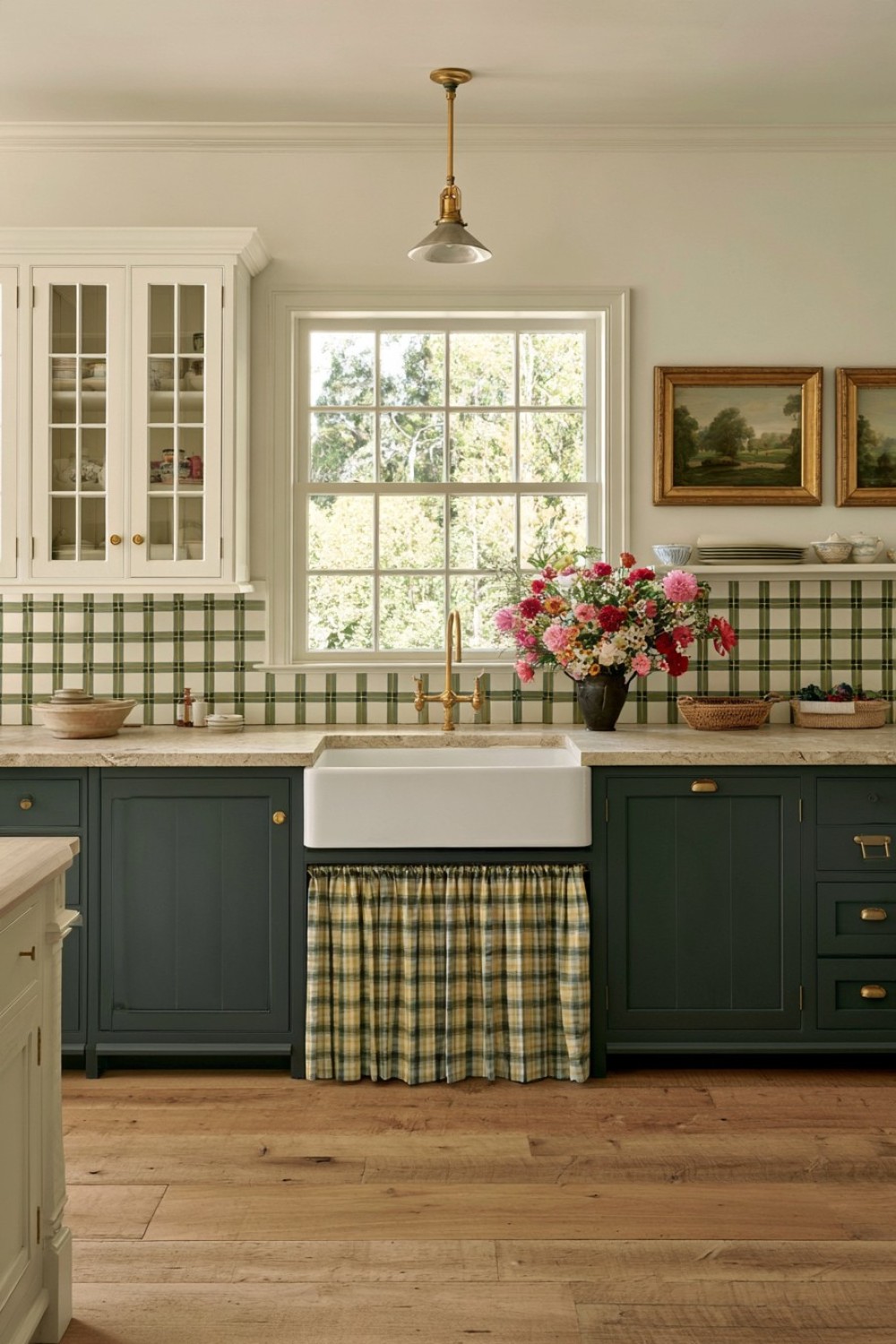
A fabric skirt beneath the sink introduces softness and can conceal plumbing or practical storage. It is particularly suitable for a farmhouse sink or a kitchen where traditional cabinet doors would feel too rigid. Choose a washable, tightly woven fabric that will hold its shape and resist frequent handling. Small checks, narrow stripes, and understated botanical patterns can add character, although a plain linen-look fabric is easier to combine with patterned tiles or curtains.
Mount the skirt on a removable tension rod, hook-and-loop strip, or slim rail so it can be taken down for cleaning. Keep the hem above the floor to prevent it from collecting dirt or absorbing water. The fabric must not obstruct ventilation, access to shutoff valves, or the inspection of possible leaks. Avoid storing open food, paper products, or moisture-sensitive objects beneath the sink. Cleaning supplies should remain sealed and inaccessible to children and pets.
7. Turn an Awkward Corner Into a Ceramic Display Niche
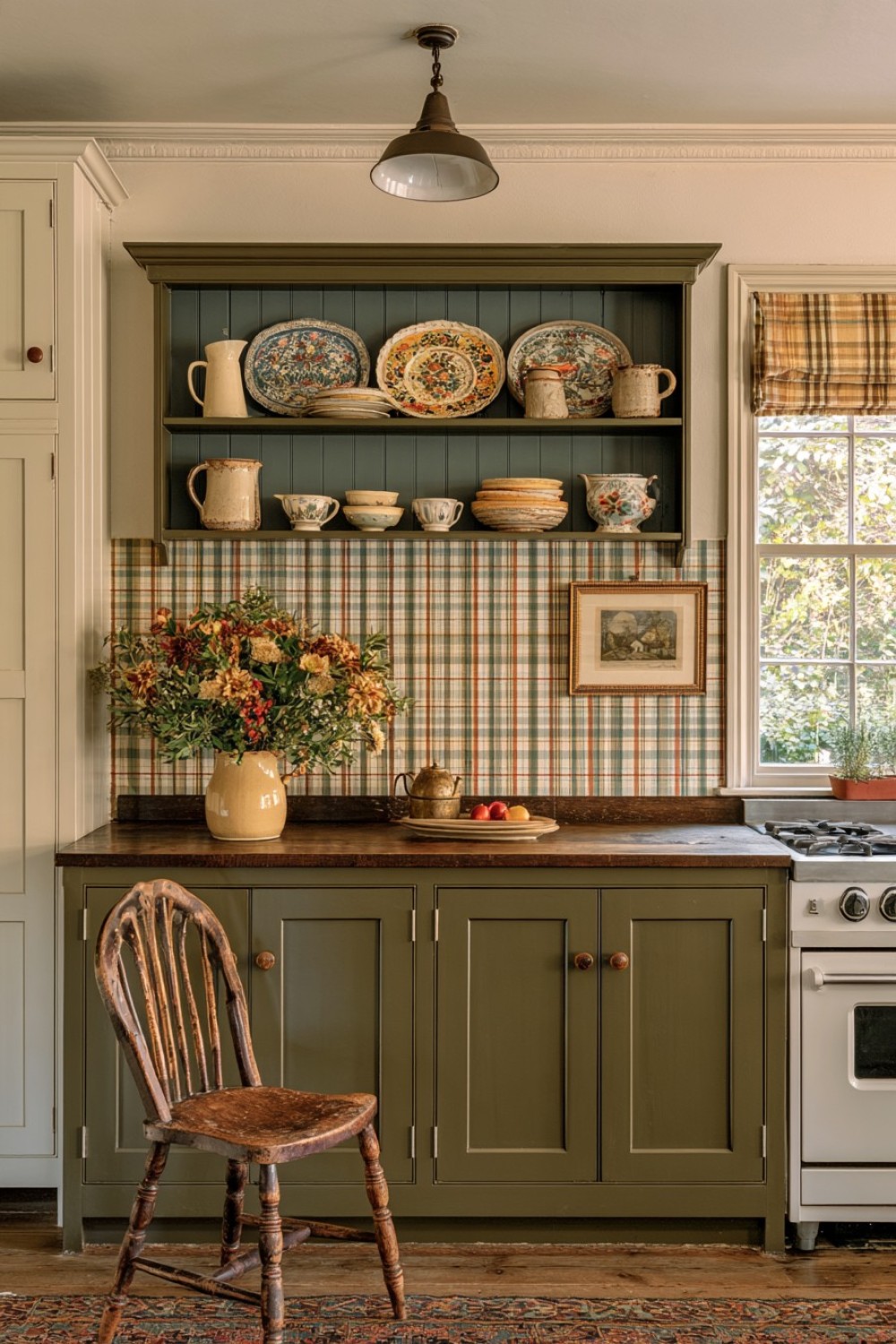
An unused recess or shallow corner can become practical display storage without requiring a full cabinet. Fit two or three shelves for mugs, bowls, small pitchers, or frequently used serving pieces. Repeating a limited palette creates a calmer arrangement than combining many unrelated colors. Leave visible space around the objects so the niche reads as an intentional architectural feature rather than an overflow area for items that do not fit elsewhere.
Measure the largest object before deciding the shelf depth and vertical spacing. Plates displayed upright need a retaining groove or secure stand, while heavy stoneware requires strong brackets and dependable wall anchors. If the corner receives direct sunlight, avoid displaying objects or artwork that may fade. A wipeable paint finish makes the back of the niche easier to maintain. Recessed lighting can be attractive, but electrical work and fixtures near water or heat should comply with local safety requirements.
8. Use Shallow Drawers for Linen and Table Accessories
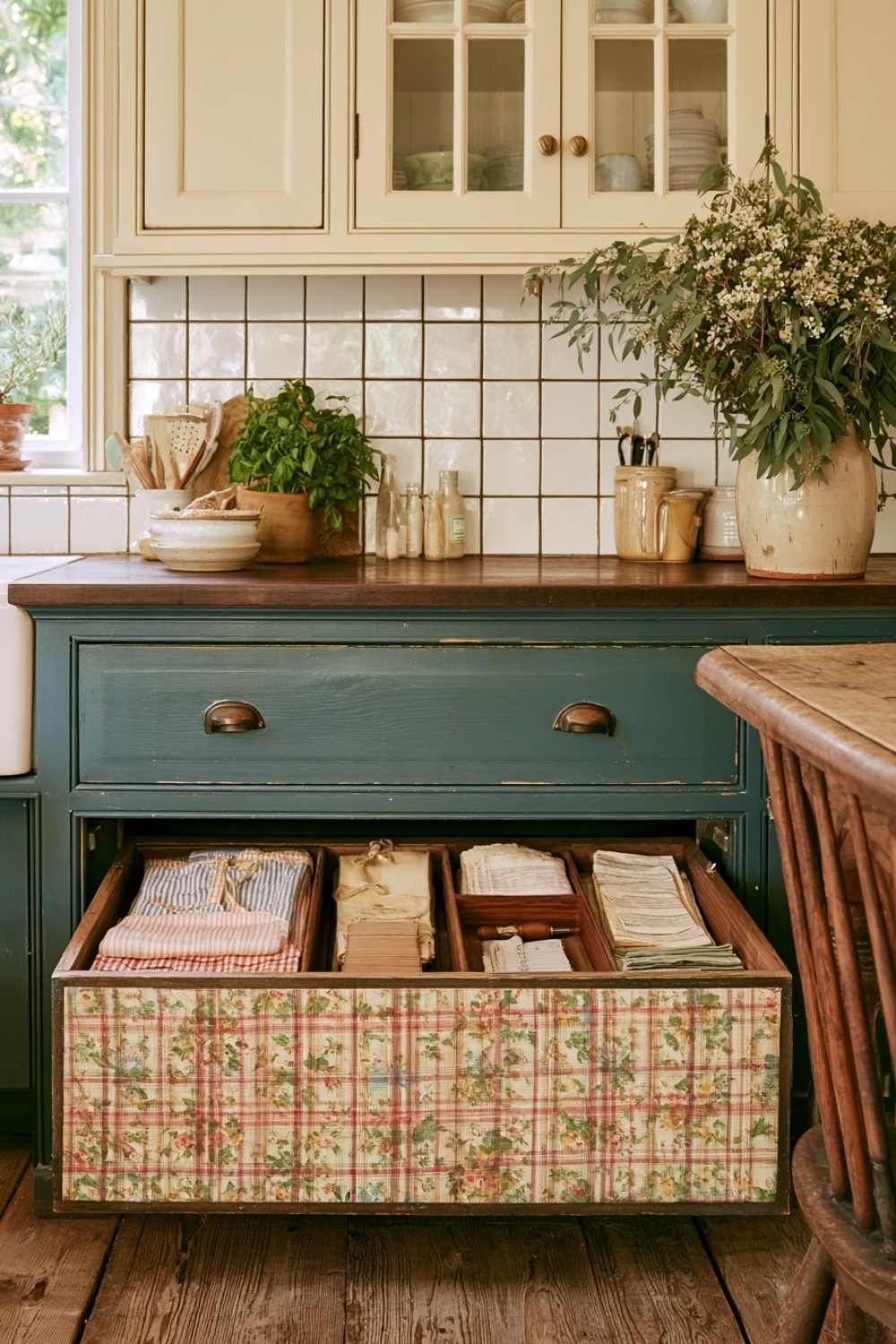
Shallow drawers prevent napkins, placemats, tea towels, trivets, and small serving accessories from becoming buried beneath larger kitchen items. Place them near the dining area or preparation surface according to what they hold. Simple dividers can separate everyday linens from seasonal pieces and make the entire contents visible at a glance. Rolling rather than stacking some textiles can reduce disturbance when a single item is removed.
Allow freshly washed linens to dry completely before storing them, particularly in humid kitchens. Cedar accessories or strongly scented liners may transfer odors to fabric, so use them carefully. Check the drawer runners before loading heavy tableware into a unit intended mainly for textiles. If converting an older dresser, clean and seal unfinished drawer interiors where necessary. Labeling is optional, but discreet handwritten tags can reinforce the cottage appearance while making less frequently used accessories easier to locate.
9. Frame the Range With Simple Cottage Shelving
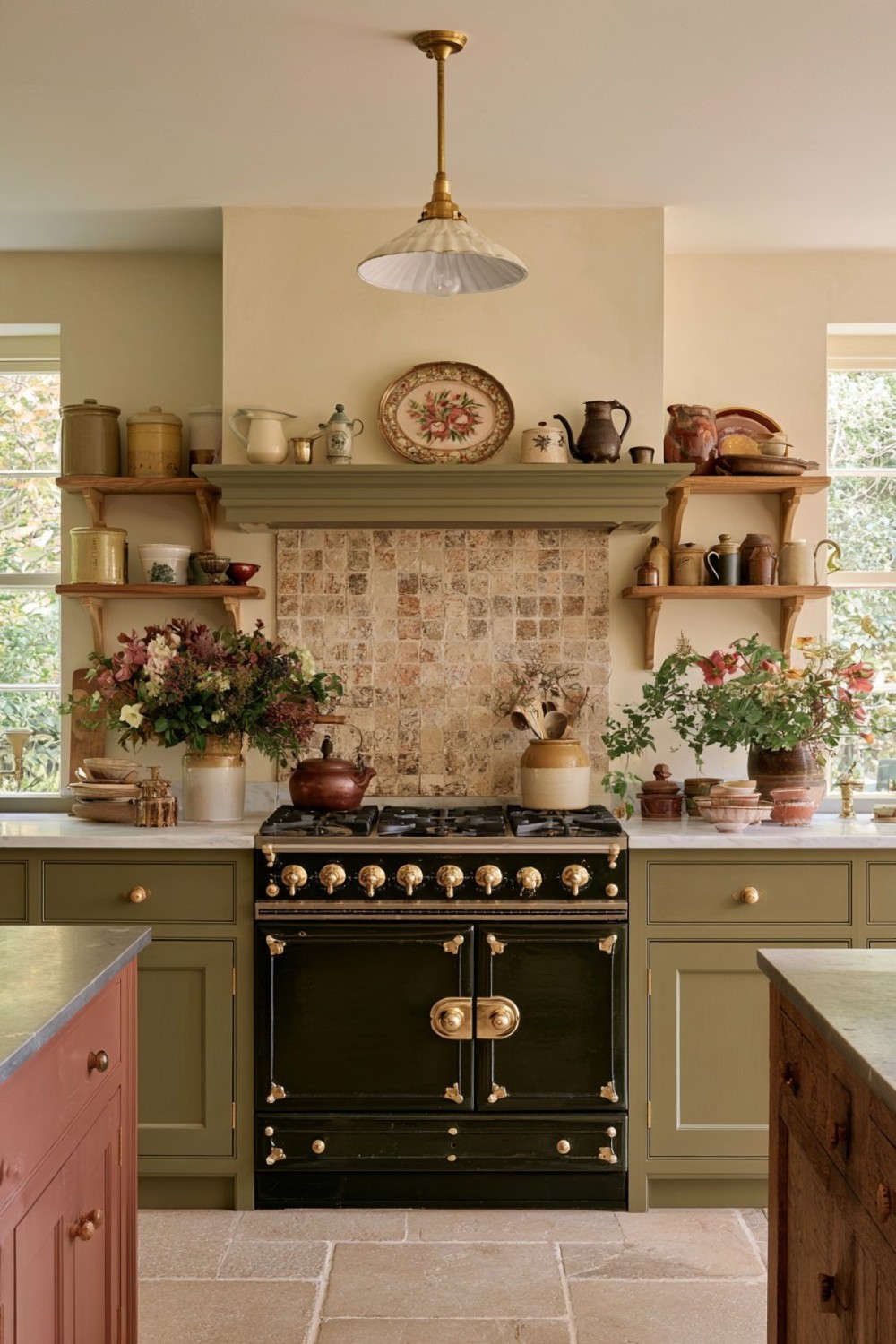
Narrow shelves positioned near the range can keep cooking oils, salt, frequently used spices, and utensils within reach. They can also visually frame the cooking zone when balanced on both sides. Store only items used regularly because open shelves near a range collect airborne grease. A small collection of practical objects will be easier to clean and safer to handle than a densely layered decorative display.
Maintain suitable clearance from burners, hot surfaces, and the extractor hood according to the appliance and shelf manufacturers’ instructions. Avoid installing timber shelves where prolonged heat could damage the finish. Oils should be kept away from strong light and heat, even when their bottles look attractive. Use stable containers with clear labels, and avoid placing fragile ceramics directly above active cooking areas. A washable backsplash and sealed shelf finish will make routine cleaning considerably easier.
10. Create an Old Pantry Look With Louvered or Paneled Doors
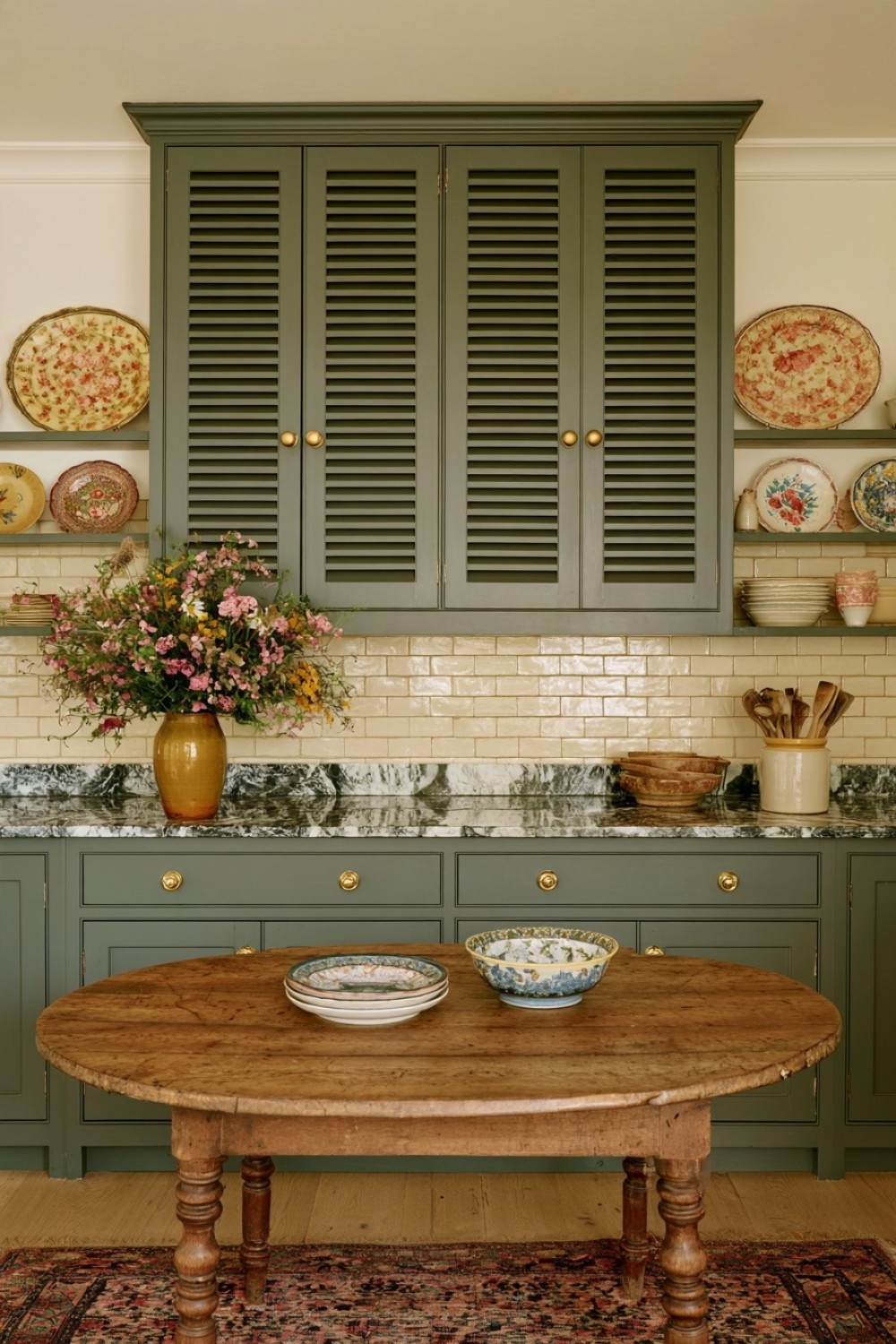
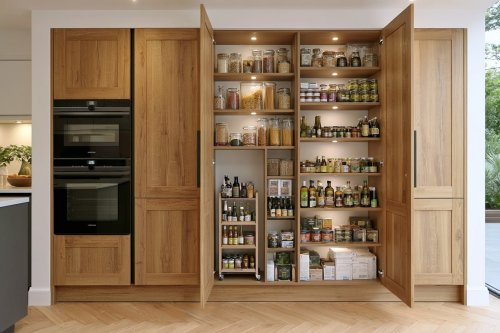
Paneled or louvered doors can give an ordinary pantry the appearance of an older built-in cupboard. Paint them in the same color as the surrounding wall for a quiet architectural effect, or use a complementary cabinet shade to make the pantry more visible. Traditional hinges, wooden knobs, or aged metal hardware can complete the look, although every fitting should still operate smoothly and support the door’s weight.
Louvered doors allow airflow but collect dust in their angled slats and take longer to clean. They may suit a ventilated dry-food cupboard, while solid paneled doors are often better when a more sealed interior is preferred. Check that the door swing will not block a walkway, appliance, or neighboring cabinet. Inside, use adjustable shelves with enough depth for containers without hiding smaller items. Store food in sealed packages and keep stock organized by expiry date rather than using the pantry only as a decorative feature.
11. Pair Honed Stone Counters With Painted Wood Cabinets
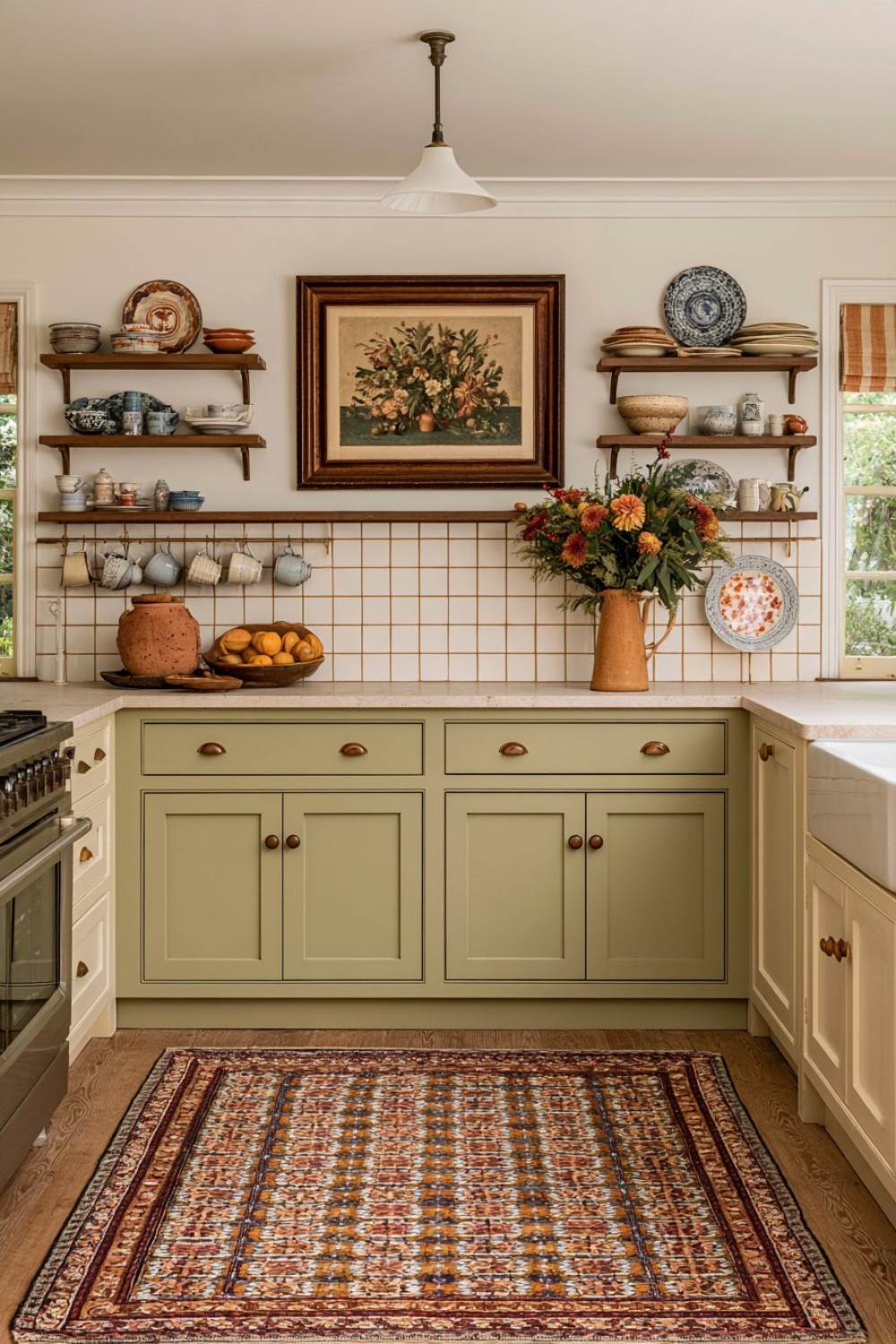
Honed stone has a softer, less reflective appearance than a highly polished surface, making it a natural partner for painted cottage cabinetry. Its muted texture works particularly well with warm white, mushroom, sage, and dusty blue finishes. Obtain full-size samples whenever possible because small samples may not show the variation, veining, or overall movement of the slab. View them beside the cabinet paint, flooring, backsplash, and lighting before making a final decision.
Maintenance depends on the chosen material. Marble, limestone, soapstone, quartzite, and engineered surfaces react differently to acids, heat, stains, and sealing products. Ask the supplier for written care instructions and consider whether natural patina will suit your expectations. Rounded or subtly eased edges can reinforce the relaxed cottage character and feel less formal than elaborate profiles. Use trivets and cutting boards even when the material is described as durable, since preventive care extends the counter’s useful life.
12. Use Wicker Baskets as Integrated Lower Cabinet Storage
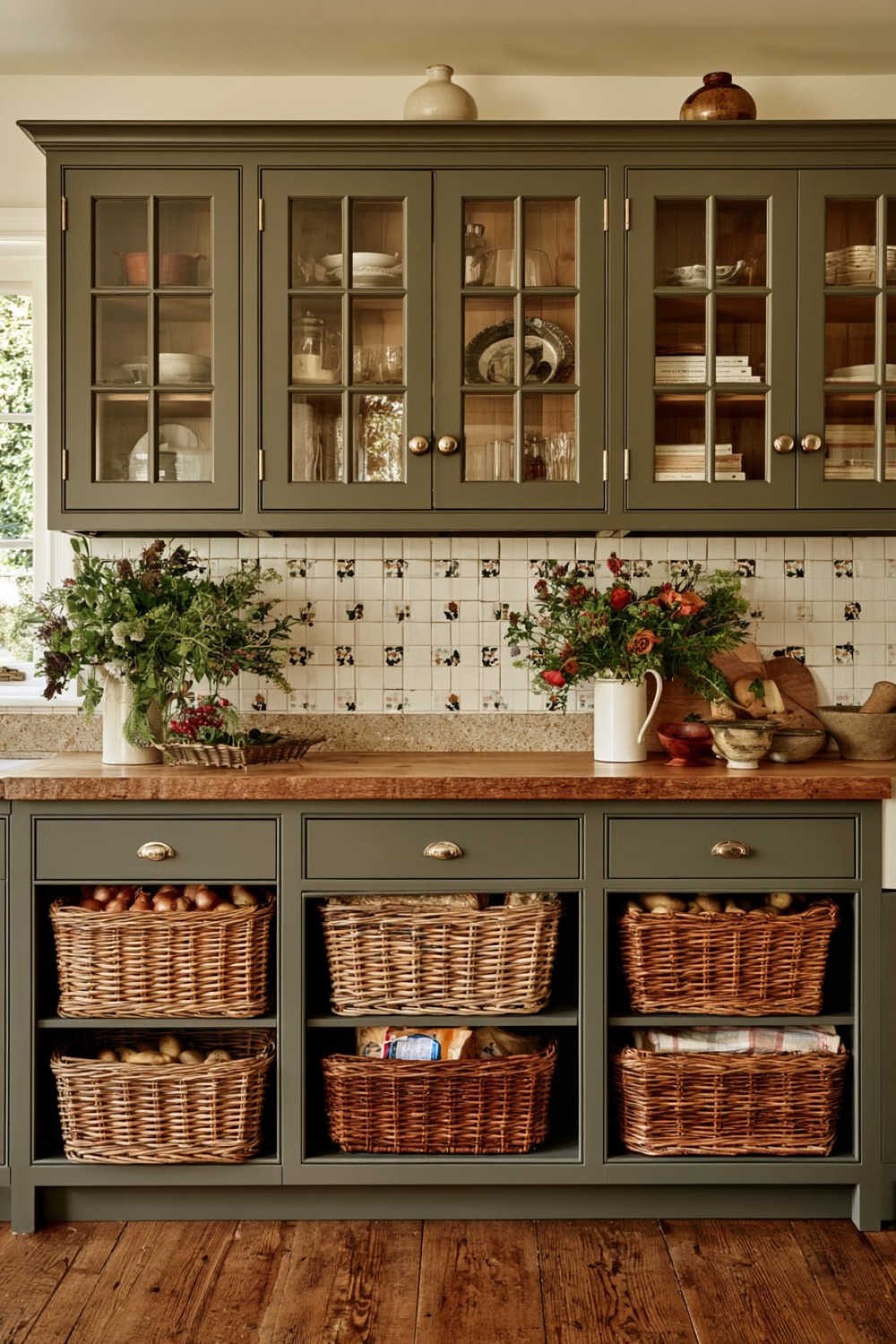
Wicker baskets can soften the straight lines of cabinetry while providing accessible storage for table linens, packaged food, reusable bags, or lightweight produce. Built-in cubbies keep the baskets aligned and prevent them from appearing temporary. Measure the opening carefully and leave enough clearance for the widest part of each basket. Handles should remain easy to grip, particularly when a basket is positioned close to the floor.
Add removable, washable liners when storing items that may leave crumbs or soil. Natural fibers can absorb moisture and odors, so baskets should not be placed where they will receive regular sink splashes. They are also less suitable for very heavy cookware because repeated pulling may weaken the weave. Vacuum the crevices and inspect the bases periodically for wear. For a similar appearance with simpler maintenance, consider durable woven-look containers sized to fit the cabinet openings.
13. Create a Small Baking Cupboard With a Pull-Out Work Surface
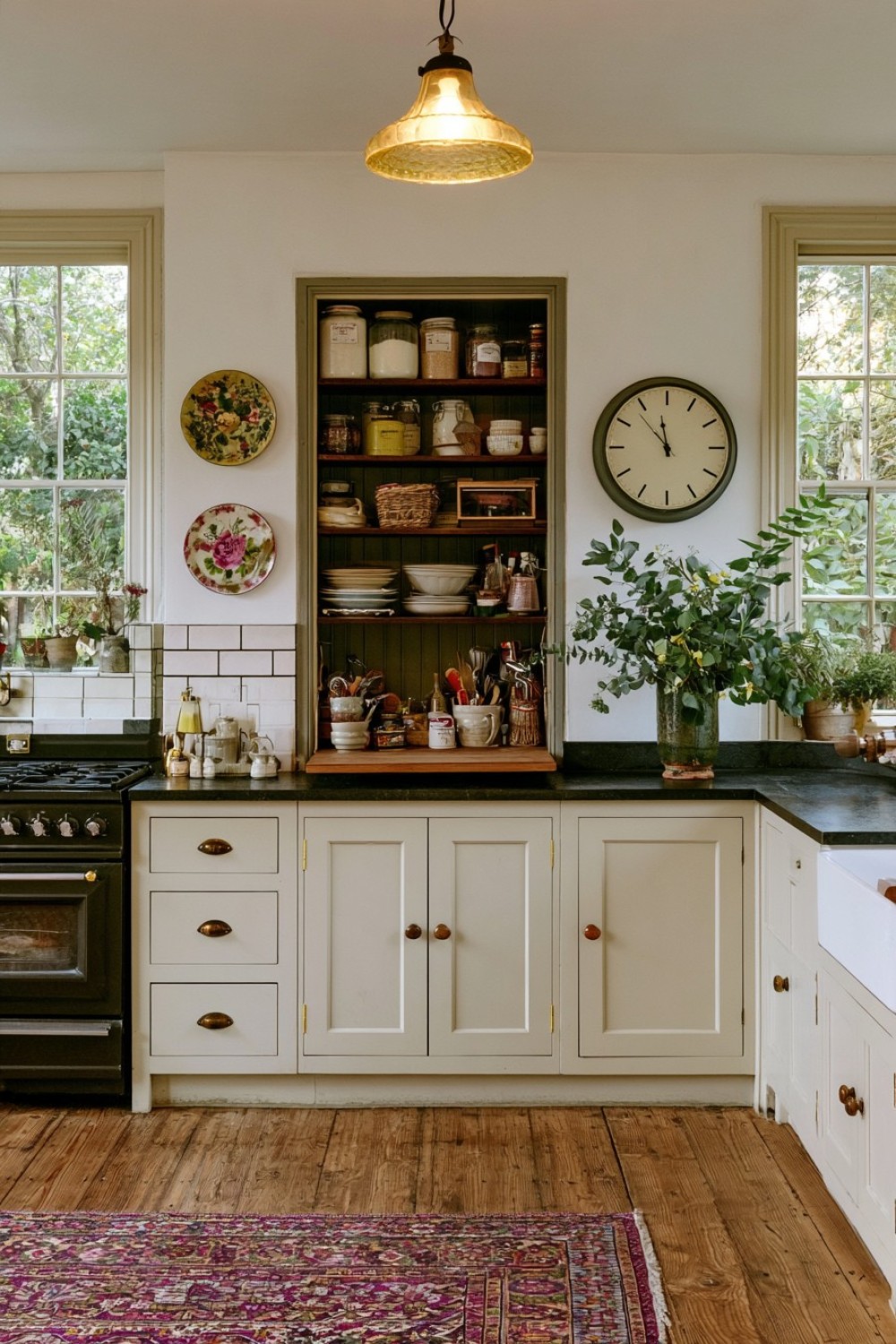
A dedicated baking cupboard can organize flour, sugar, mixing bowls, measuring tools, and small appliances in one location. A pull-out work surface adds temporary preparation space and can be closed when it is no longer needed. Position frequently used ingredients at eye or waist level, with heavy appliances on a strong lower shelf. Airtight containers help protect dry goods and make quantities easier to monitor.
The extending surface requires runners and supports rated for the expected load. Confirm that it locks securely when open and does not project into a busy circulation route. Choose a smooth, food-safe surface that can be cleaned without moisture entering exposed joints. Electrical appliances should only be operated inside the cupboard when ventilation, outlet placement, and manufacturer guidance allow it. Otherwise, move them onto the extended worktop before use and unplug them before storing.
14. Add a Window Shelf for Useful Kitchen Pieces
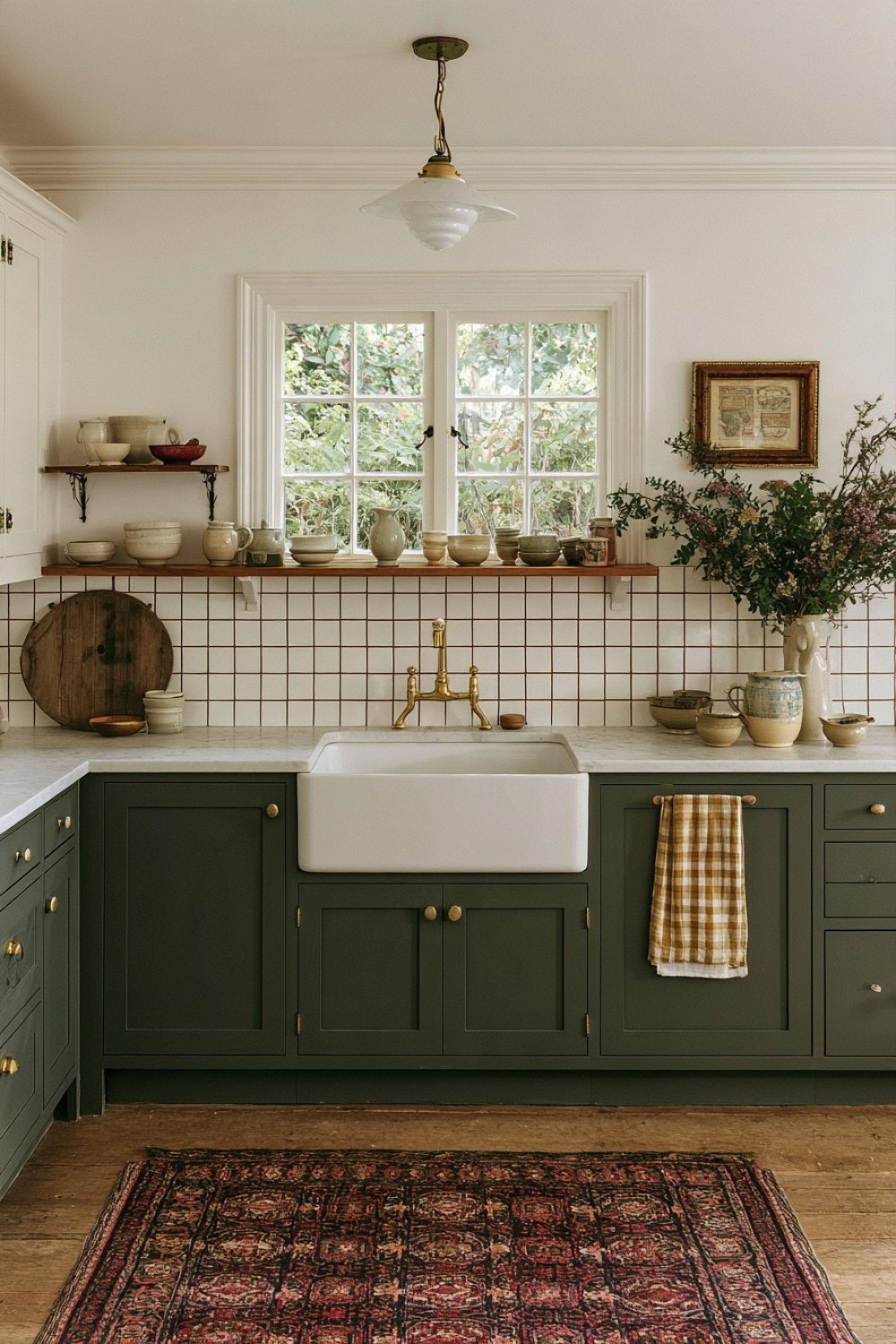
A slim window shelf can provide extra space for herbs, glassware, small bowls, or frequently used kitchen objects without occupying another wall. Transparent or lightly colored pieces allow daylight to continue entering the room. Before installation, check how the window opens and where its handles, locks, and ventilation points are located. The shelf should not interfere with cleaning the glass or provide an unstable obstacle above the sink.
Select materials that tolerate sunlight, temperature changes, and occasional moisture. Tempered glass maintains an open appearance, while sealed timber brings additional warmth. Use brackets suited to the shelf material and wall structure, and avoid overloading the span. Plants should match the available light and remain in containers with reliable drainage trays. Keep edible herbs away from cleaning-product spray, cooking grease, and excessive heat so the display remains both attractive and useful.
15. Mix Traditional Cupboard Knobs With Cup Pulls
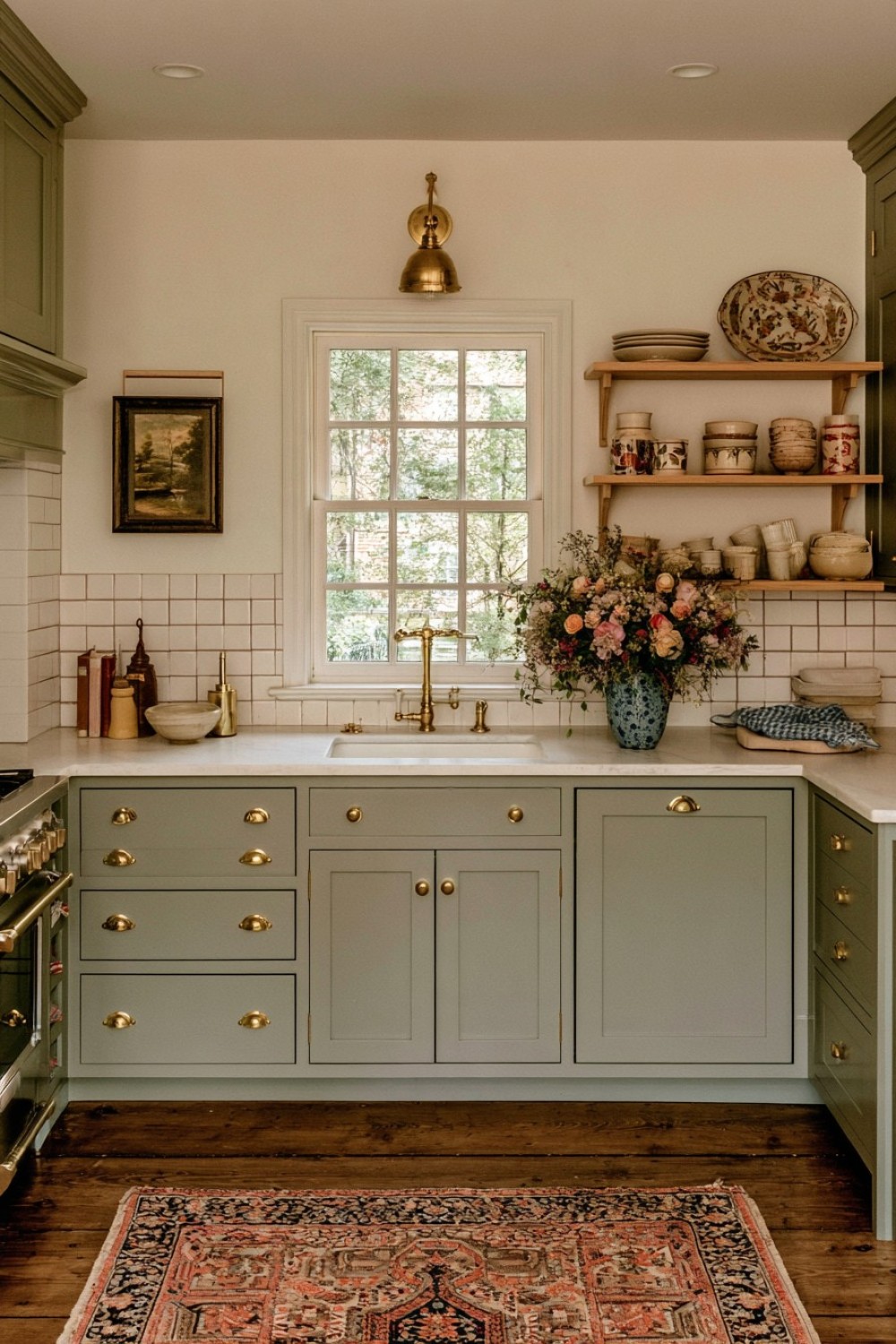
Combining round knobs on cabinet doors with cup pulls on drawers creates subtle variety while preserving a coordinated cottage appearance. Unlacquered brass, aged bronze, blackened metal, pewter, ceramic, and timber can all work, depending on the room’s other finishes. Repeat the same metal or color in at least one nearby feature, such as a tap, shelf bracket, or light fitting, to make the mixture feel deliberate.
Comfort matters as much as appearance. Test samples with wet hands and confirm that fingers fit comfortably behind each pull. Measure existing screw holes before replacing hardware; choosing the same center-to-center spacing can avoid filling and repainting cabinet fronts. Solid metal fittings generally tolerate frequent use better than thin decorative alternatives. In a busy kitchen, use finishes that age attractively or can be cleaned without removing a fragile surface coating.
16. Introduce a Small Built-In Breakfast Bench
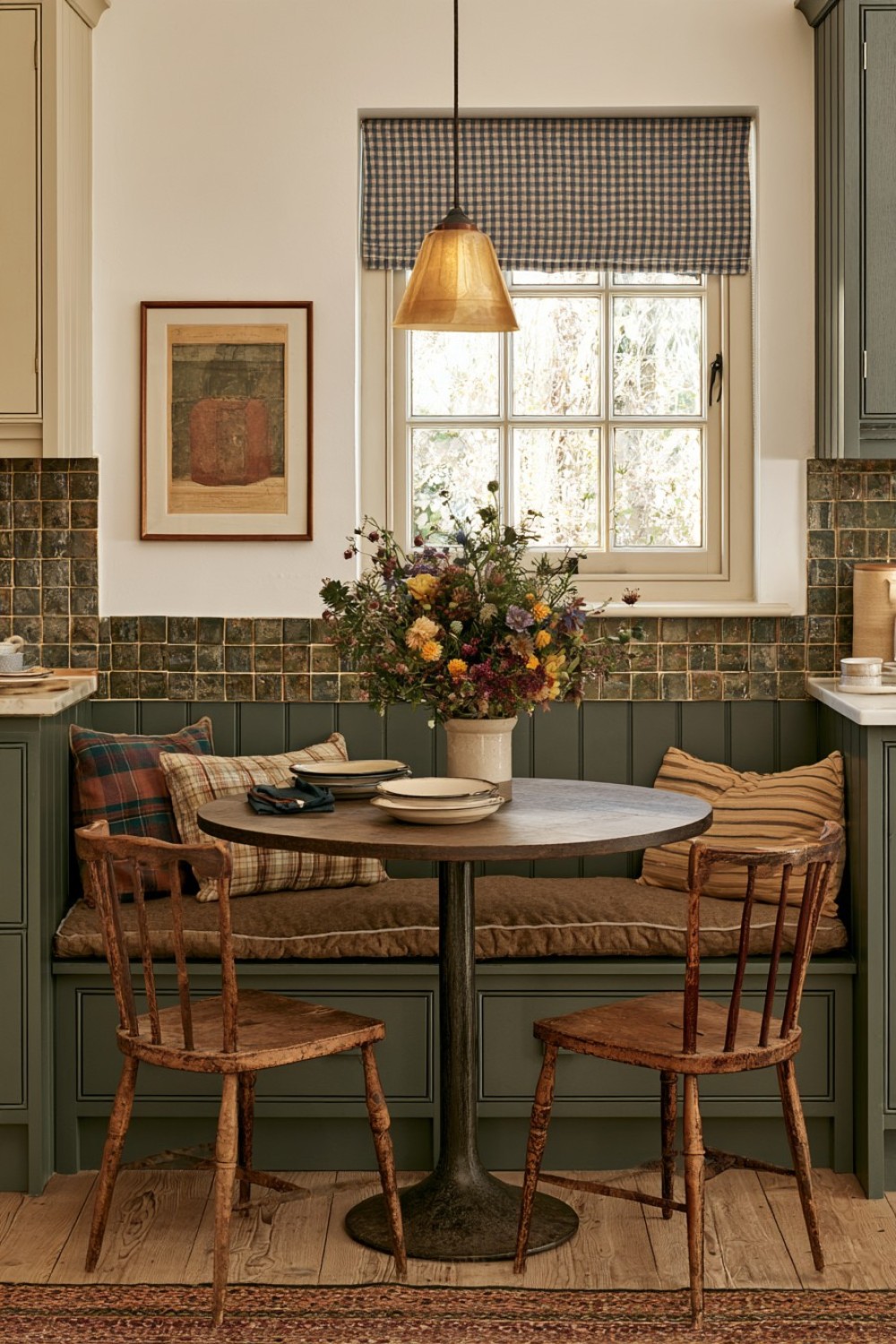
A built-in bench can turn a compact corner into a comfortable breakfast area while using less floor space than several individual chairs. Storage beneath the seat is useful for occasional tableware, linens, or small appliances. Plan the table position and leg design carefully so people can sit down without striking their knees. A pedestal table or one with legs positioned near the ends often provides better access around a fixed bench.
Choose firm seat cushions covered in removable, washable fabric suitable for food areas. Back cushions can improve comfort, but they should not push diners too far forward. Lift-up storage lids require safe hinges or supports that prevent sudden closing, particularly in homes with children. Keep radiators, electrical outlets, and ventilation grilles accessible. Before constructing a permanent bench, mark its footprint with tape and place temporary chairs inside the area to test the remaining walkway.
17. Leave One Wall Intentionally Unfitted
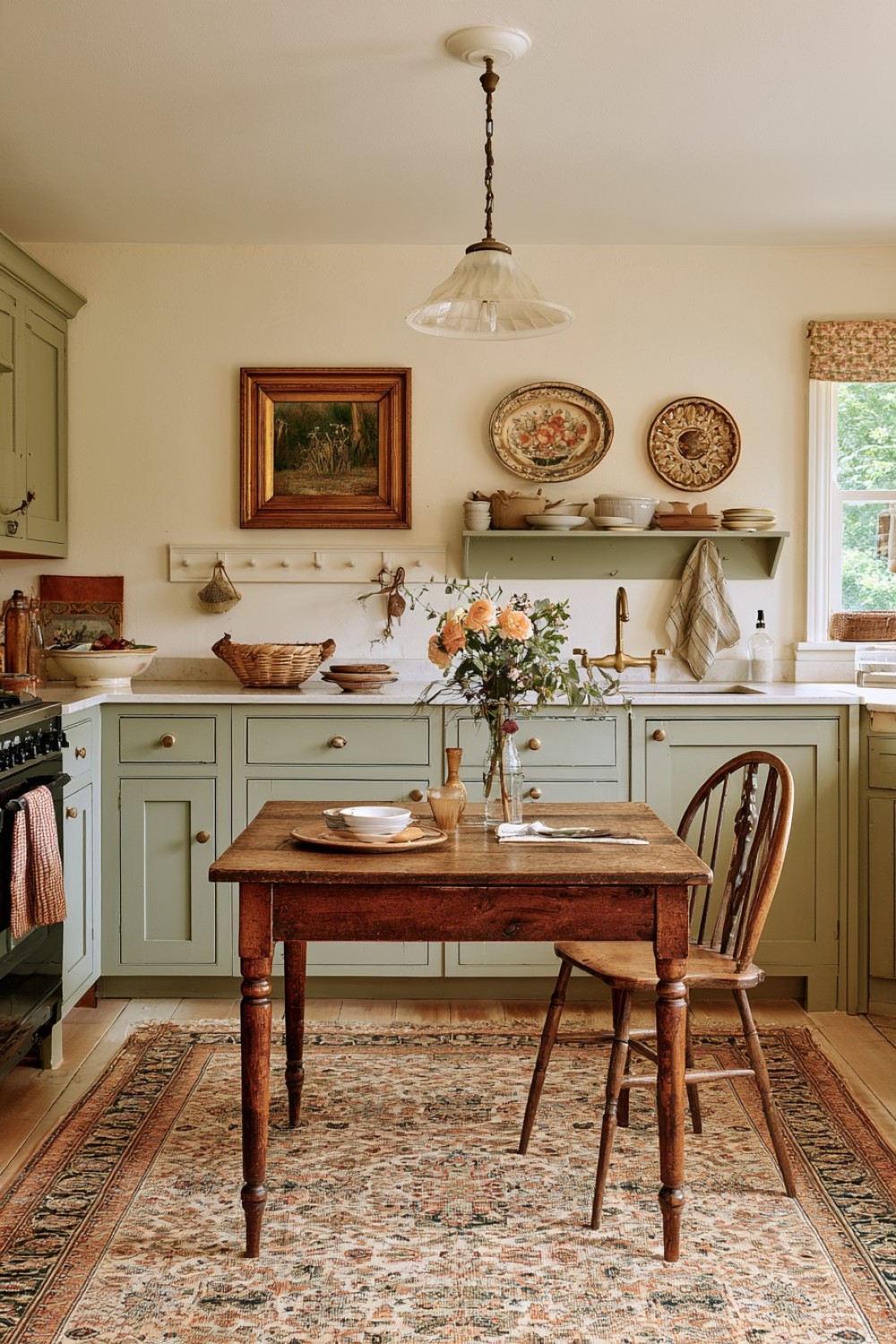
Leaving one wall without continuous fitted cabinetry can prevent a cottage kitchen from feeling overly planned. Use the space for a narrow dresser, wooden bench, wall rail, artwork, clock, or a small collection of useful objects. The open area also gives the eye a place to rest when other walls contain storage and appliances. In a small kitchen, a lighter wall treatment can preserve this sense of breathing room.
Make the decision according to actual storage needs rather than appearance alone. Inventory cookware, food, cleaning supplies, and small appliances before removing cabinets or abandoning a possible storage area. Freestanding furniture should not narrow important walkways or obstruct doors. If additional storage may be required later, retain suitable electrical access and avoid permanent decorative work that would make future cabinetry difficult to install. A restrained arrangement will usually create stronger cottage character than filling every available surface with themed accessories.
MORE IDEAS


Share
What's Your Reaction?
 Like
0
Like
0
 Dislike
0
Dislike
0
 Love
0
Love
0
 Funny
0
Funny
0
 Angry
0
Angry
0
 Sad
0
Sad
0
 Wow
0
Wow
0