12 Seasonal Decorating Strategies for a Home That Evolves Naturally Each Year

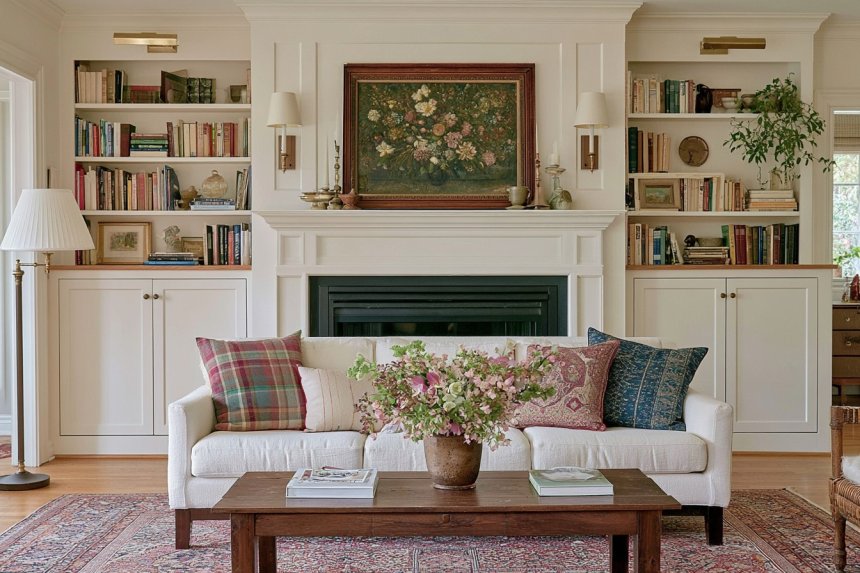
Seasonal decorating works best when the home has a dependable foundation that can be adjusted rather than completely replaced. Neutral furniture, versatile containers, washable textiles, and a restrained collection of decorative objects can support many different arrangements. Seasonal character can then come from color, plant material, texture, and the way familiar pieces are grouped.
Before introducing new decorations, decide which areas will have the greatest visual impact. An entryway, dining table, mantel, or living room seating area may be enough to communicate the change of season. Decorations should not block circulation, ventilation, switches, doors, or heating equipment. Planning storage and maintenance at the beginning also prevents seasonal objects from becoming permanent household clutter.
1. Adjust Accent Colors Instead of Replacing the Entire Palette
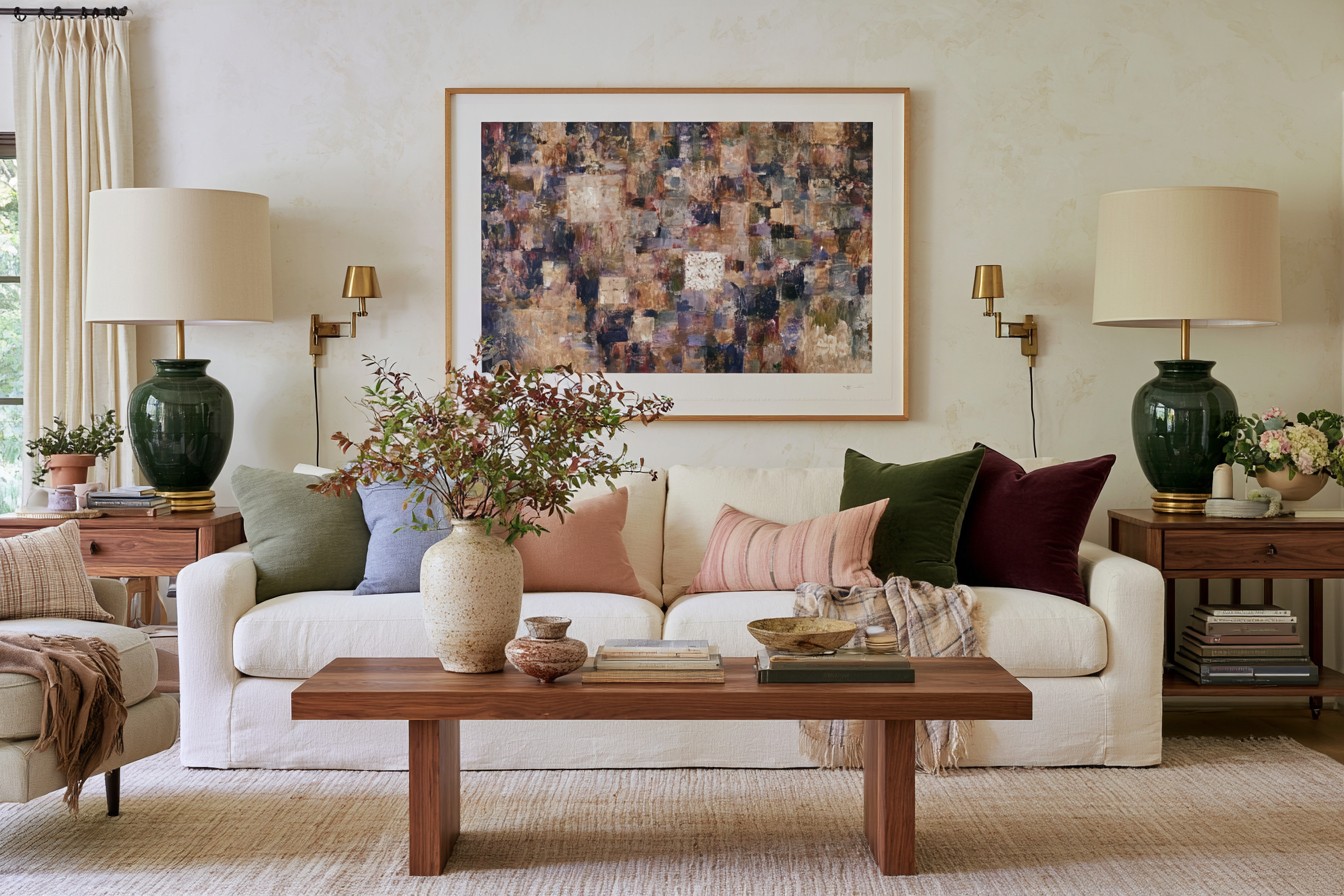
A stable base of warm white, gray, beige, wood, or another adaptable neutral makes seasonal changes easier. Introduce one leading accent and one quieter supporting color rather than distributing many seasonal shades around the room. Cushion covers, table linens, artwork, and small vessels can carry these colors without requiring permanent changes.
Draw the seasonal palette from colors already present in the room so it feels connected rather than applied temporarily. Spring green might repeat a tone in an existing painting, while autumn rust may relate to the floor or furniture. Test colors under daytime and evening lighting because artificial light can alter how muted shades appear.
2. Rotate Selected Textiles According to Comfort and Climate
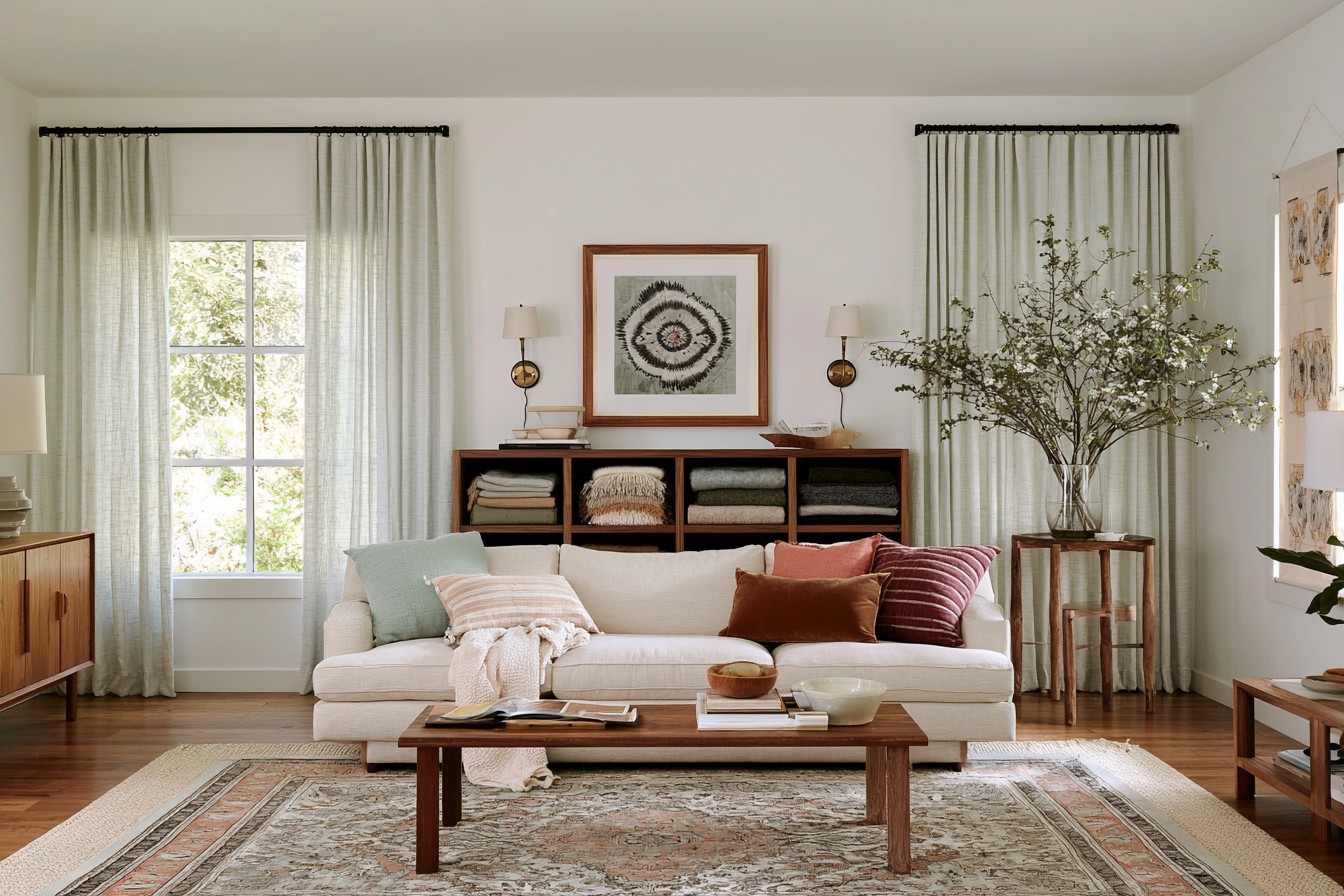
Textiles can change a room’s weight and color without altering its furniture. Breathable cotton and linen covers suit warmer periods, while wool blends, brushed cotton, and denser weaves add comfort in cooler months. Changing two or three cushion covers and one throw often creates enough variation without filling the room with seasonal accessories.
Select washable fabrics that can be folded compactly and reused in more than one room. Clean and dry every textile before storing it to prevent stains and odors from setting. Avoid draping fabric across heaters, electrical fixtures, air vents, or narrow walking routes, even when the arrangement is temporary.
3. Mark the Beginning of Spring with Fresh Growth
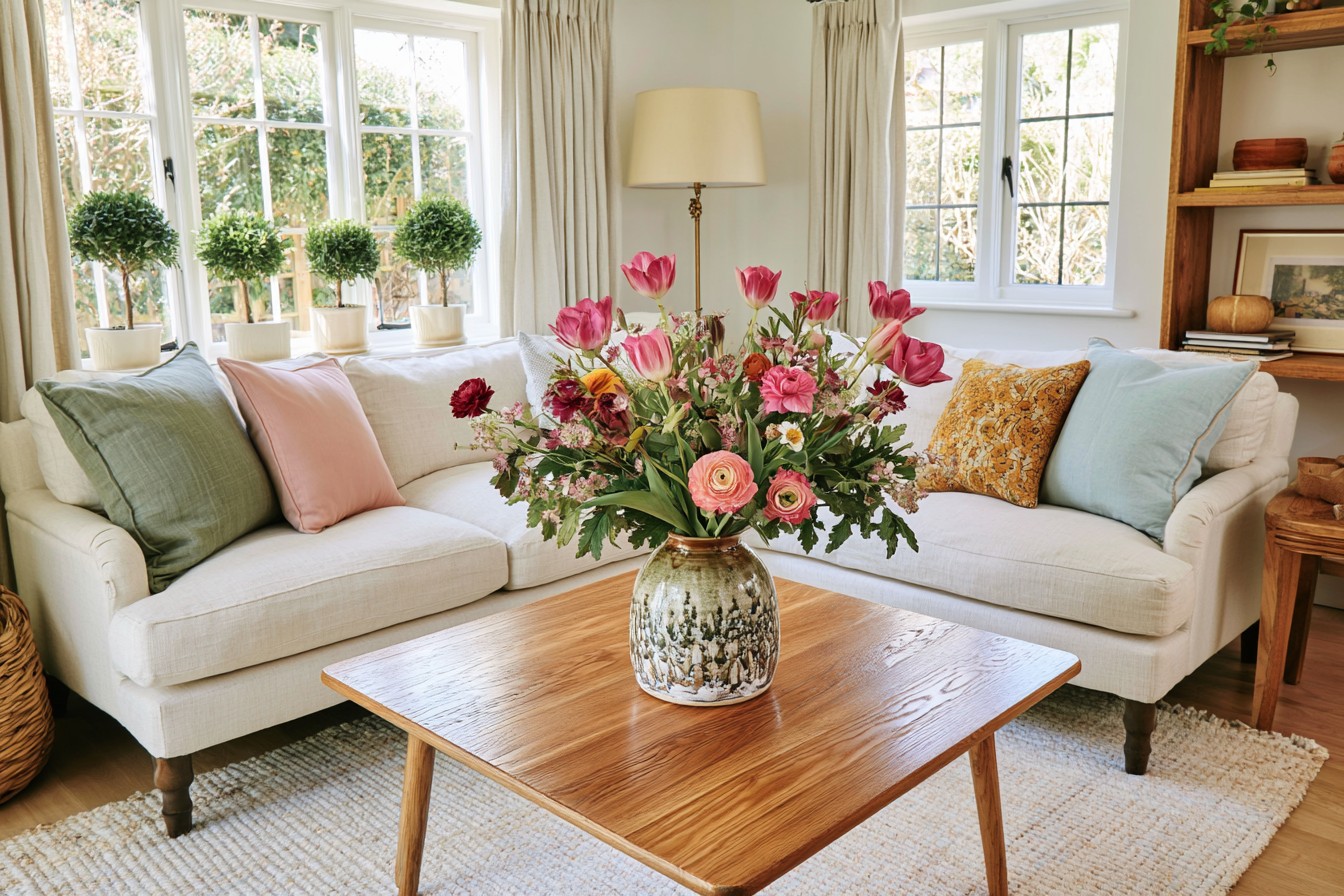
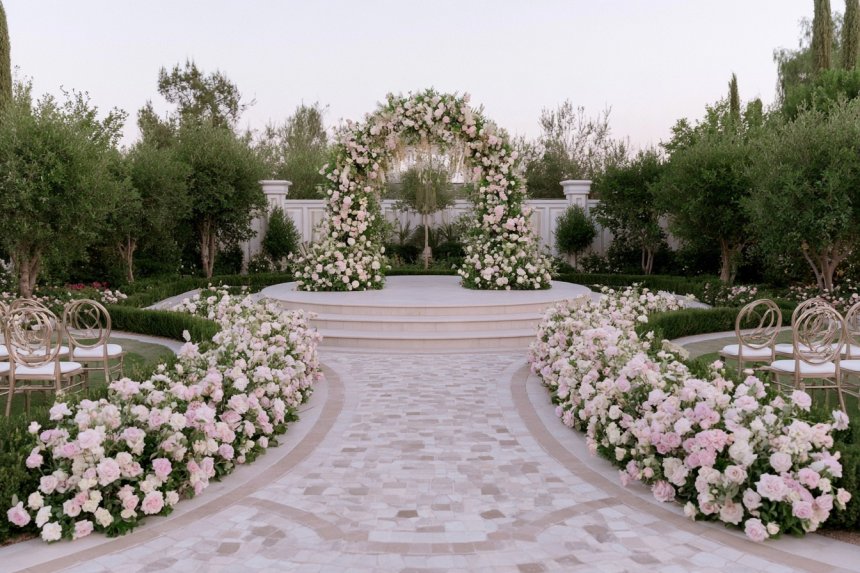
Flowering branches, young foliage, bulbs, and small botanical arrangements can introduce spring without requiring themed ornaments. Place one substantial arrangement where it can be noticed, such as on an entry console or dining table. Pale green, soft yellow, and chalky blue can appear in small supporting details rather than across every surface.
Choose plants according to the available light and check whether they are appropriate for homes with children or pets. Use watertight containers and protective trays beneath pots or vases. Collected branches should be inspected for insects and mold before being brought indoors, and arrangements should not obstruct views or frequently used surfaces.
4. Prepare Summer Rooms for Heat and Strong Daylight
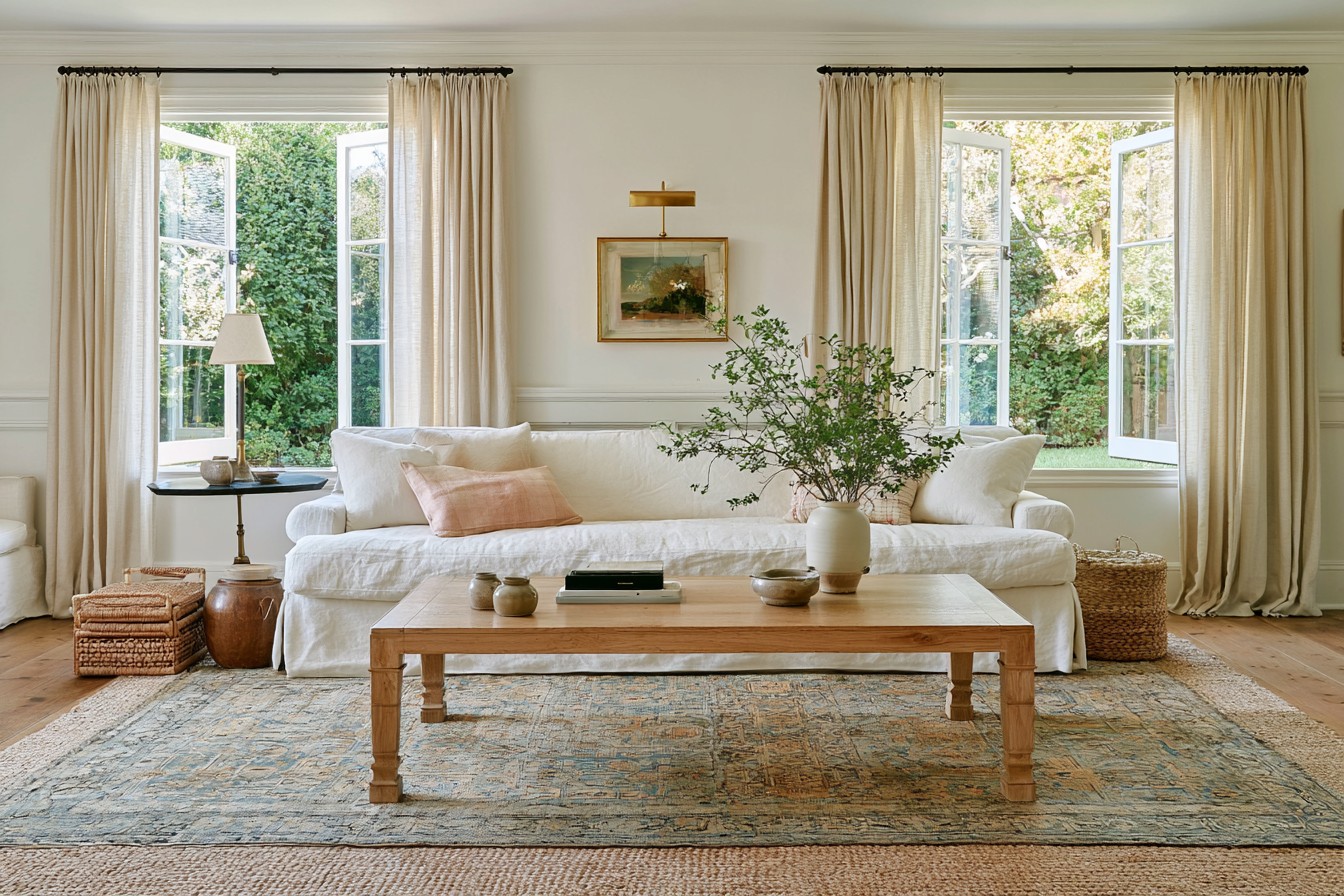
A summer update should improve comfort as well as appearance. Remove unnecessary textile layers, replace heavy covers with washable lightweight alternatives, and keep windows accessible for ventilation. Light-filtering curtains or adjustable blinds can soften intense sun while allowing the room to remain bright.
Move delicate artwork, photographs, and easily faded textiles away from prolonged direct sunlight. Natural baskets and pale ceramics can add seasonal texture without making the room visually busy. Keep fans and cooling vents unobstructed, and avoid arranging tall decorations where they interfere with open windows or air movement.
5. Develop an Autumn Scheme from Earth and Harvest Tones
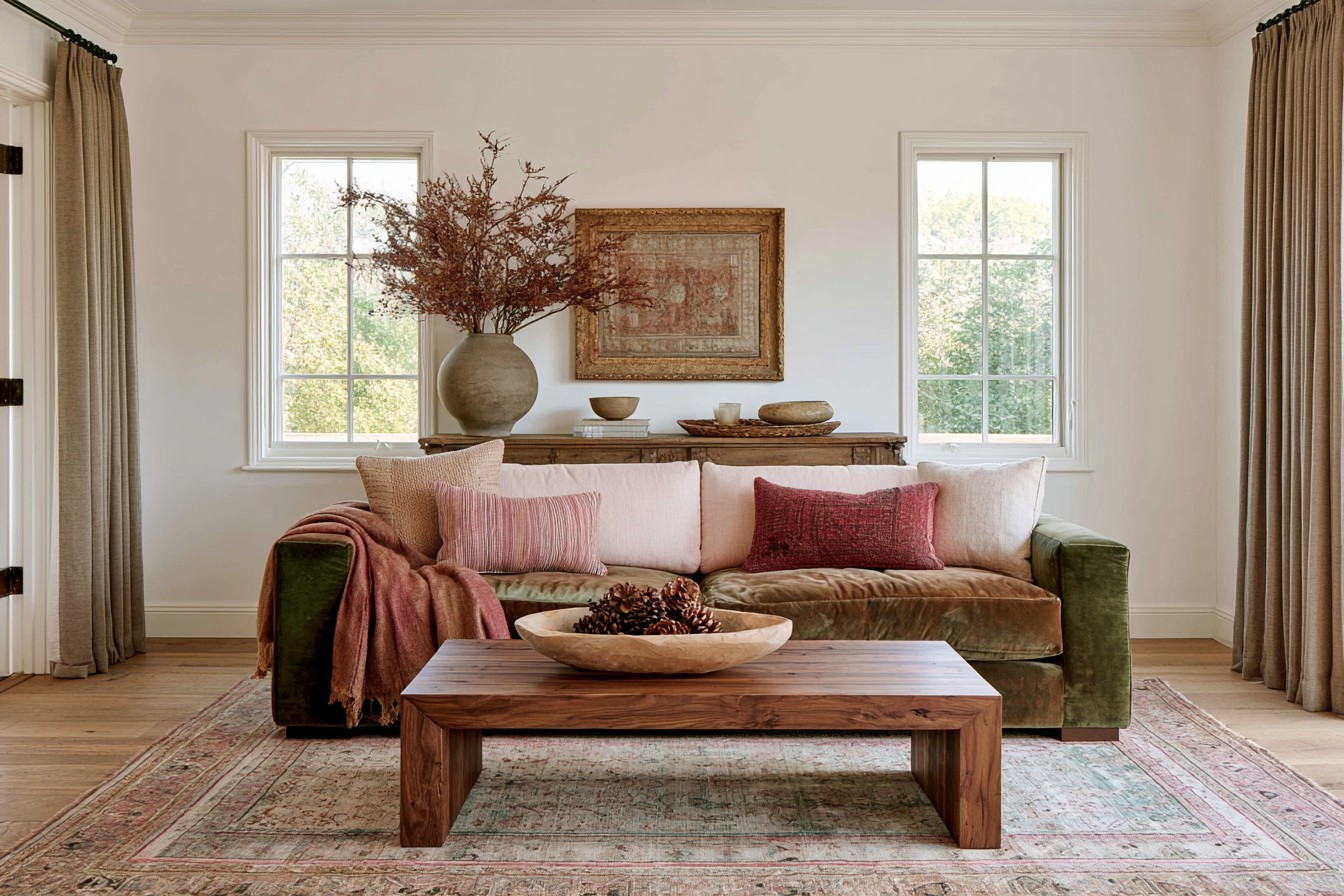
Rust, ochre, tobacco, olive, and deep plum can bring autumn depth to an existing neutral room. Use these shades selectively through a throw, cushion covers, table linens, or a framed print. Natural timber and aged metal provide texture that can remain useful after the seasonal colors are removed.
Avoid relying entirely on disposable decorations. A bowl filled with suitable seasonal produce or a vase containing prepared branches can provide a temporary focal point and be dismantled easily. Natural material should be clean, dry, and free from insects, while food displays must be checked regularly for spoilage.
6. Add Winter Comfort with Layered but Manageable Texture
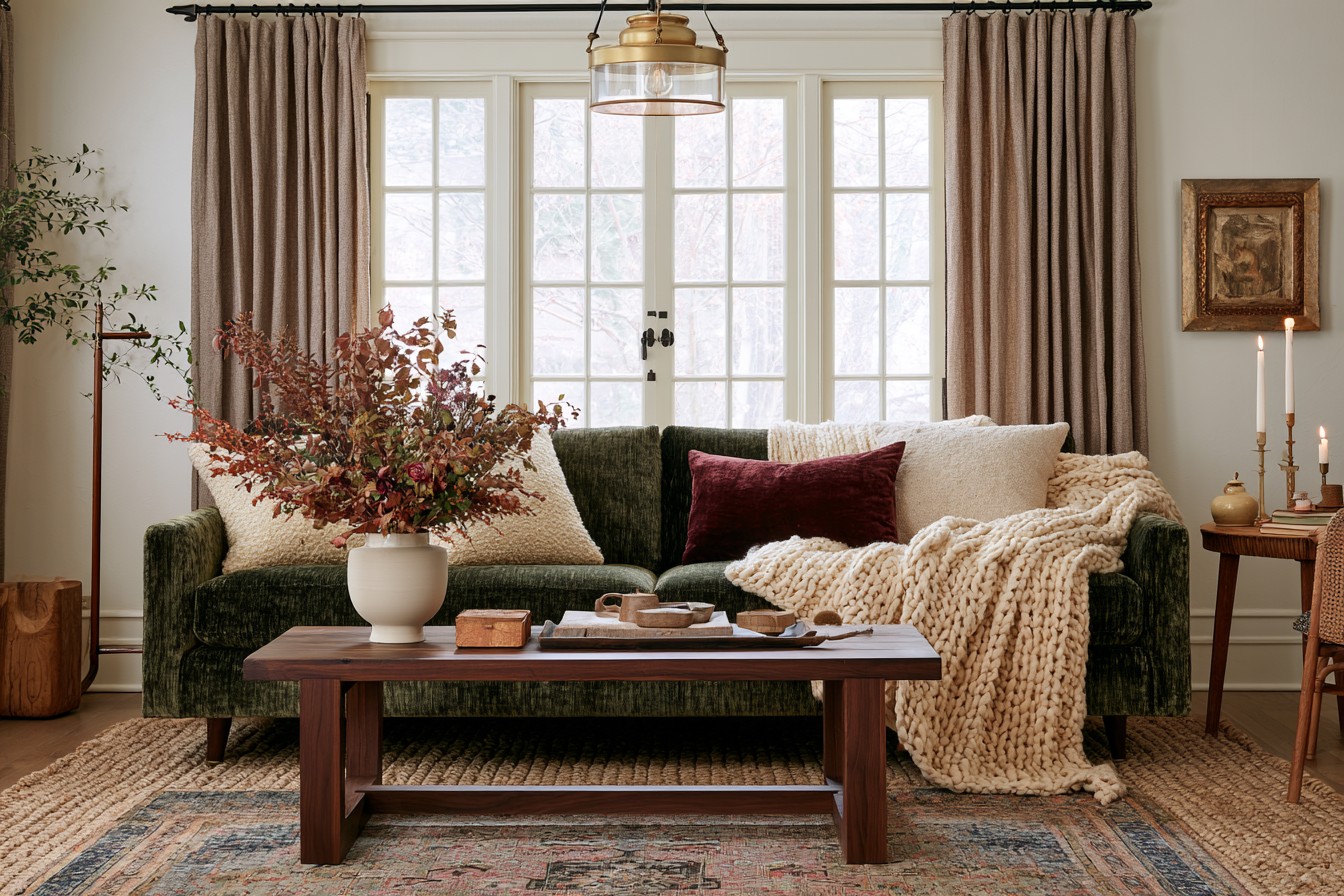
Winter rooms benefit from tactile materials and lighting distributed at several heights. A heavier throw, textured cushion, and substantial rug can soften the space, while floor and table lamps reduce dependence on one harsh ceiling fixture. Deep blue, evergreen, burgundy, and warm brown can add depth in controlled amounts.
Additional layers should not interfere with heating efficiency or create tripping hazards. Keep fabric clear of radiators and portable heaters, secure rug edges, and preserve unobstructed paths through the room. Choose only the textiles that will be used rather than covering every chair and surface for appearance alone.
7. Use the Entryway as a Small Seasonal Introduction
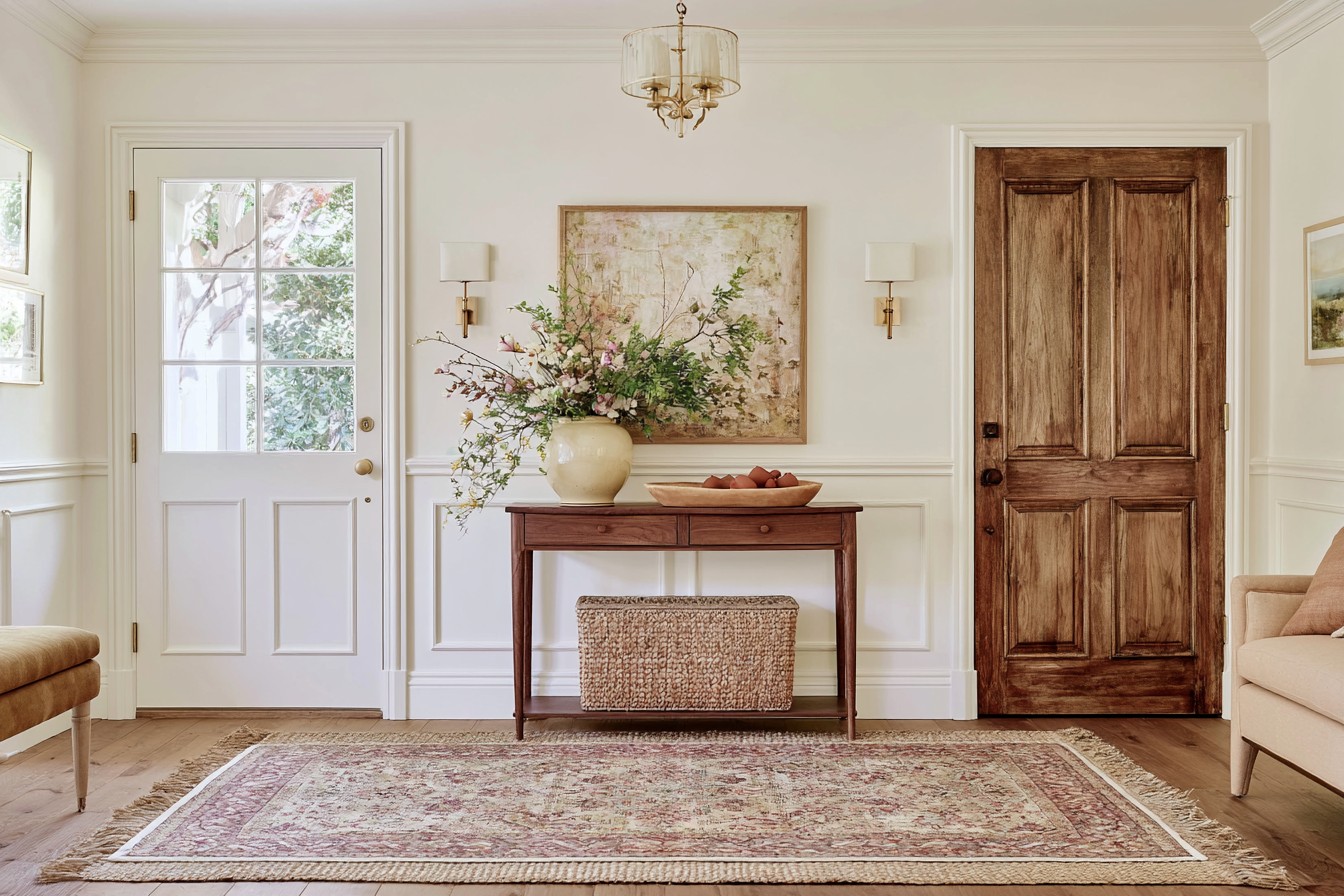
An entryway can communicate the season before changes are made throughout the house. A branch arrangement, small framed print, different basket, or seasonal textile may be sufficient. Keep functional requirements first by preserving space for keys, bags, shoes, coats, and anything needed when entering or leaving.
Decorations must not narrow the doorway, conceal switches, or interfere with the door swing. Avoid unstable floor objects where they may be struck by bags or feet. If wet shoes and coats are common during the season, prioritize washable mats, drainage trays, and accessible hooks before adding decorative elements.
8. Refresh the Table with a Reusable Foundation
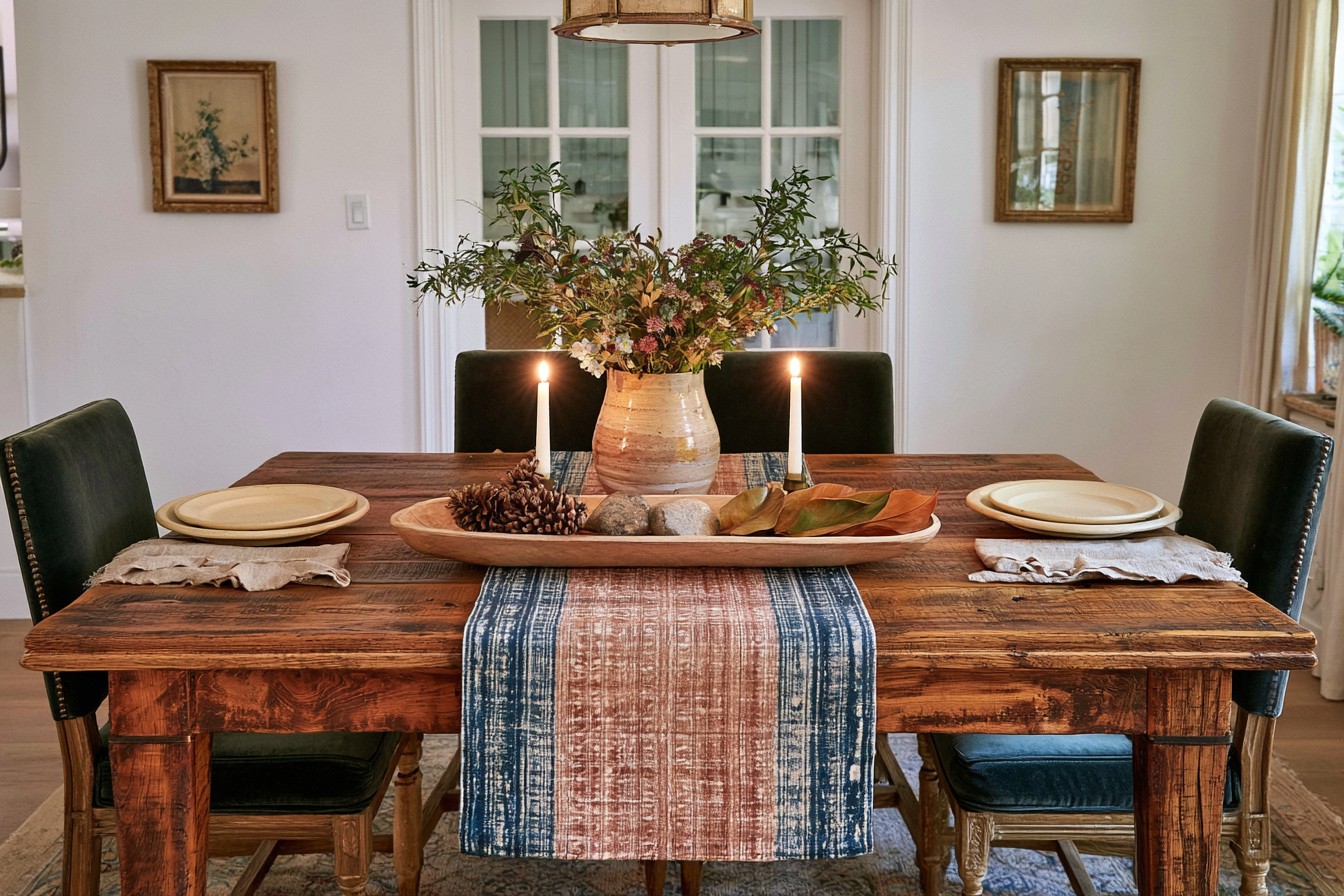
Neutral dishes, clear glassware, simple napkins, and a group of small vessels can support many seasonal table arrangements. Change the color of the runner or add appropriate flowers, branches, fruit, or foliage instead of purchasing a new coordinated set. Low decorations preserve conversation and leave more room for serving dishes.
Set out plates, glasses, and essential serving pieces before deciding how much decorative space remains. Natural elements should be clean and kept away from uncovered food when their safety is uncertain. Place water-filled vases on protective bases and remove anything unstable before the meal begins.
9. Make Temporary Decorations from Responsible Natural Materials
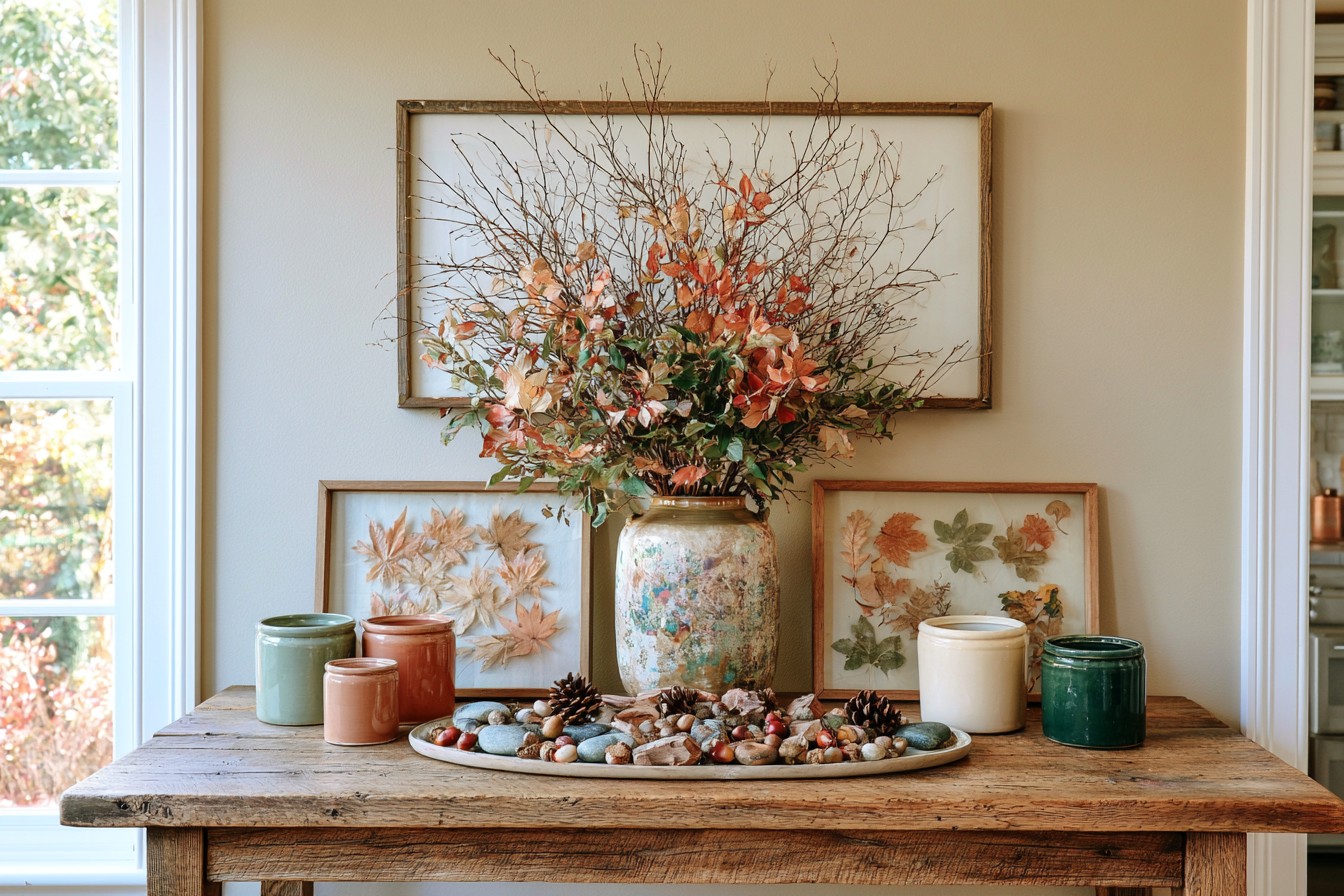
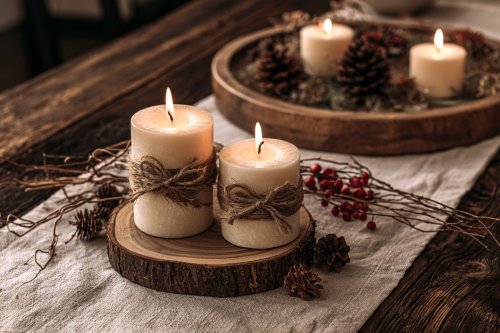
Branches, seed heads, leaves, pinecones, dried grasses, and fallen bark can become wreaths, garlands, or simple vessel arrangements. Collect only where permitted and take modest quantities of material that has already fallen. A limited group of similar materials generally produces a more cohesive result than mixing every available texture.
Identify, clean, and dry collected materials before using them indoors. Wear suitable protection when handling thorny, irritating, or dusty plants, and avoid unidentified berries in homes with children or animals. Natural decorations should be kept away from cooking areas, open flames, heaters, and electrical equipment.
10. Edit the Quantity of Decor as Rooms Change
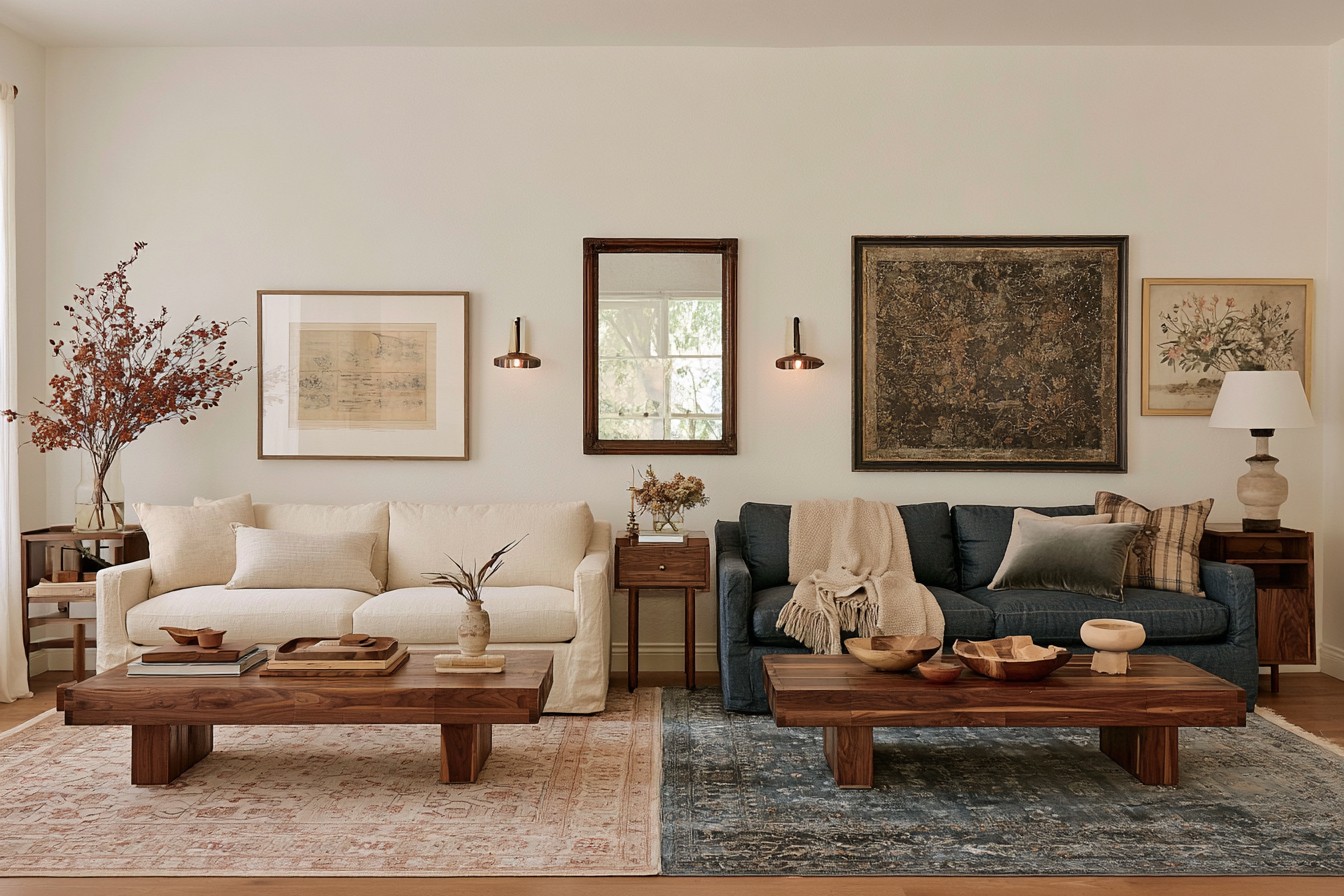
The amount of decoration should respond to how the room is used during each season. Summer may require clearer surfaces and fewer textile layers, while colder months can support additional texture and warmer color. Remove an existing accessory before placing a seasonal one in the same area to prevent gradual overcrowding.
Preserve working surfaces, comfortable circulation, and easy cleaning. Shelves do not need decorations in every opening, and a coffee table should still have room for daily objects. Photographing a successful arrangement can make it easier to recreate later without keeping every item on display throughout the year.
11. Store Seasonal Pieces by Location and Material
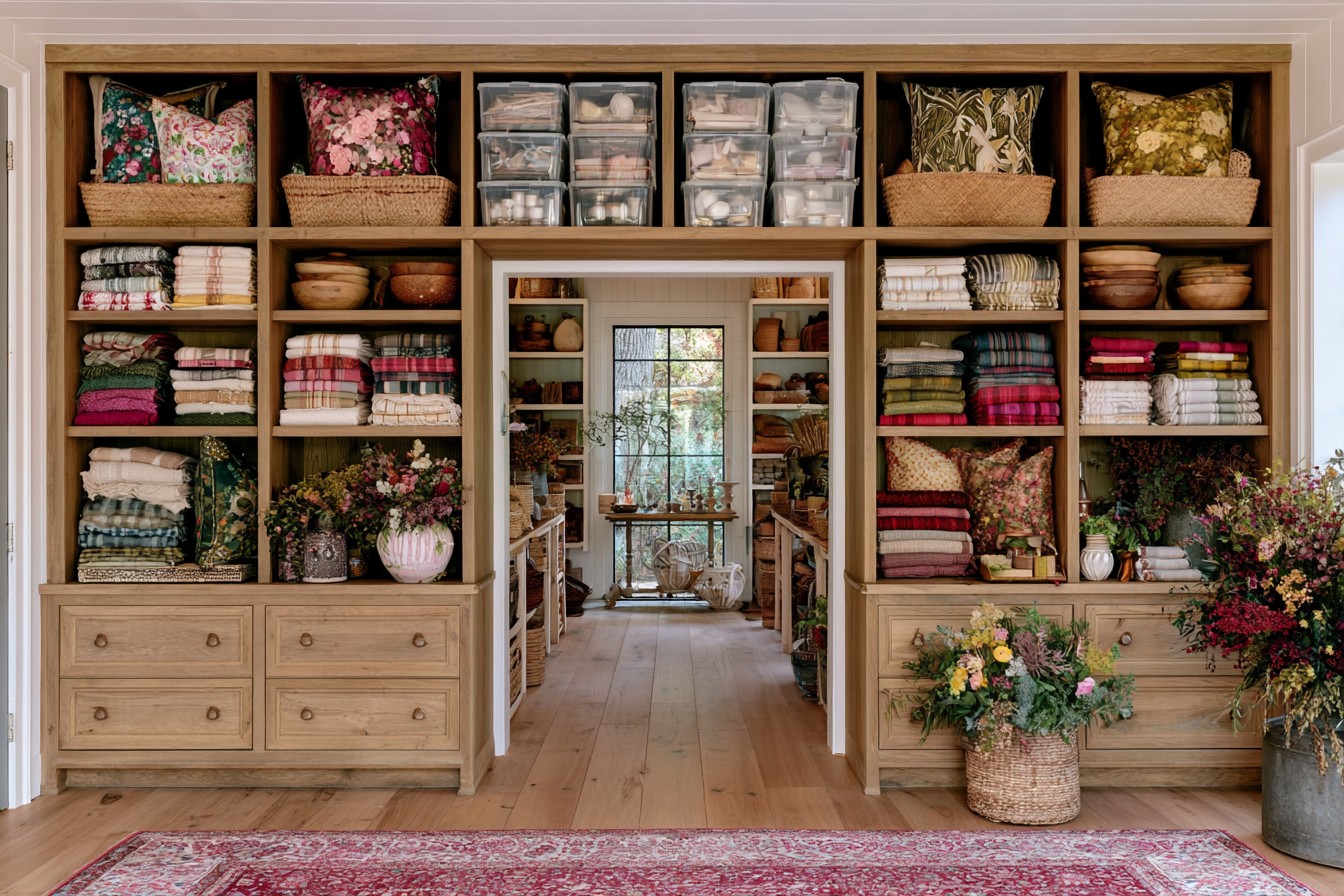
Organized storage protects decorations and prevents duplicate purchases. Group objects by the room where they are used or by material rather than placing every seasonal item in one large container. Clear labels and a simple inventory make it easier to locate table linens, entryway pieces, or fragile ornaments without opening every box.
Wash textiles and remove plant material before storage. Use acid-free wrapping or protective dividers for delicate objects and avoid placing heavy items above fragile pieces. Containers should be stored in a dry, accessible location rather than an area affected by leaks, excessive heat, or uncontrolled humidity.
12. Test One New Direction Using Existing Objects
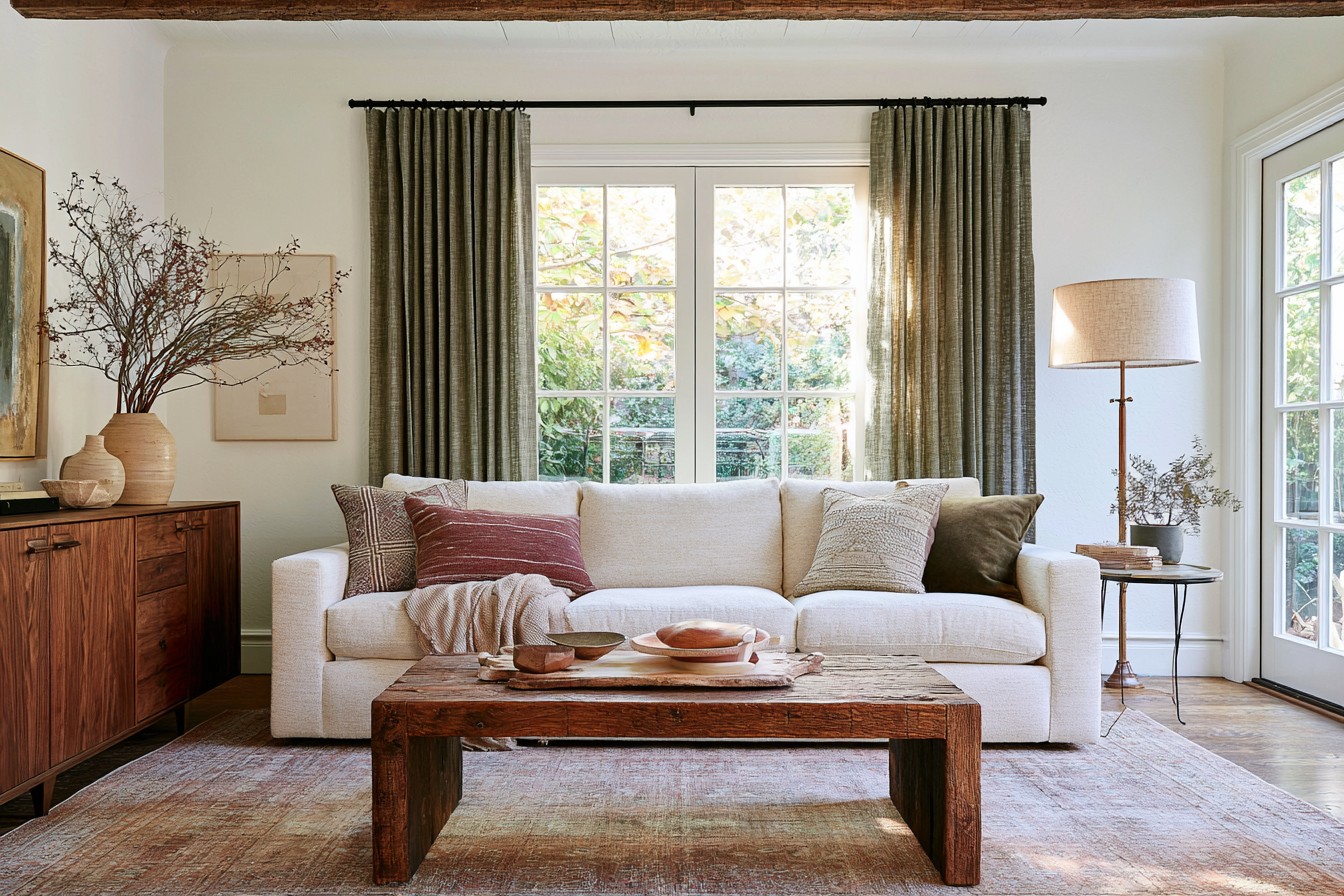
Seasonal decorating can evolve without adopting a completely new theme every year. Move a familiar vase to another room, combine existing artwork differently, or use textiles in a new color relationship. Restricting an experiment to one area makes it easier to evaluate before purchasing additional pieces.
Allow the arrangement to remain in place for several days and observe whether it interferes with cleaning, storage, light, or everyday activities. If it functions well, repeat one element elsewhere in the home. If it does not, return the objects to their previous uses without having invested in a full collection.
Create a Seasonal System Rather Than a Decorating Cycle
A sustainable seasonal approach relies on a small group of adaptable objects, textiles, and containers. Changing their placement, color relationships, and natural accents can give the home a different atmosphere without requiring extensive shopping. Decorating fewer high-impact areas also makes each transition easier to complete and maintain.
Review the collection at the end of every season. Repair useful pieces, recycle or donate items that no longer suit the home, and store the remainder carefully. When function, safety, and storage are considered alongside appearance, seasonal decorating becomes an enjoyable adjustment rather than a recurring source of clutter.
MORE IDEAS


Share
What's Your Reaction?
 Like
0
Like
0
 Dislike
0
Dislike
0
 Love
0
Love
0
 Funny
0
Funny
0
 Angry
0
Angry
0
 Sad
0
Sad
0
 Wow
0
Wow
0