15 Attic Bedroom Styles Designed Around Sloped Ceilings and Limited Space

An attic bedroom requires a different approach from a conventional rectangular room. Sloped ceilings, low eaves, structural beams, limited wall space, and changing temperatures all influence where furniture can be positioned. Instead of treating these features as obstacles, a successful design uses the tallest section for standing and circulation while reserving lower areas for the bed, storage, seating, or decorative elements.
Before decorating, confirm that the attic is suitable and legally permitted for use as a bedroom. Safe stair access, adequate floor capacity, insulation, ventilation, electrical work, smoke detection, and an appropriate escape route should be evaluated according to local requirements. Once these fundamentals are resolved, the room can support many decorating directions without sacrificing comfort or safety.
1. Keep a Scandinavian Attic Bedroom Light and Adaptable
A Scandinavian scheme helps a compact attic feel open through pale walls, lightly finished wood, and furniture with clean profiles. Warm white, soft gray, oatmeal, and muted blue work well beneath changing daylight. Use natural texture through linen bedding, a flat-woven rug, and one or two wooden pieces rather than filling the room with small decorative accessories.
Place the bed beneath a slope only when there is enough clearance to sit up comfortably without striking the ceiling. Keep the tallest part of the room available for walking, dressing, and opening wardrobes. Wall-mounted reading lights can release space on narrow bedside surfaces, but wiring and fixtures should be installed without compromising the roof’s insulation or air-sealing layers.
2. Give a Mountain Retreat Warmth Without Excess Weight
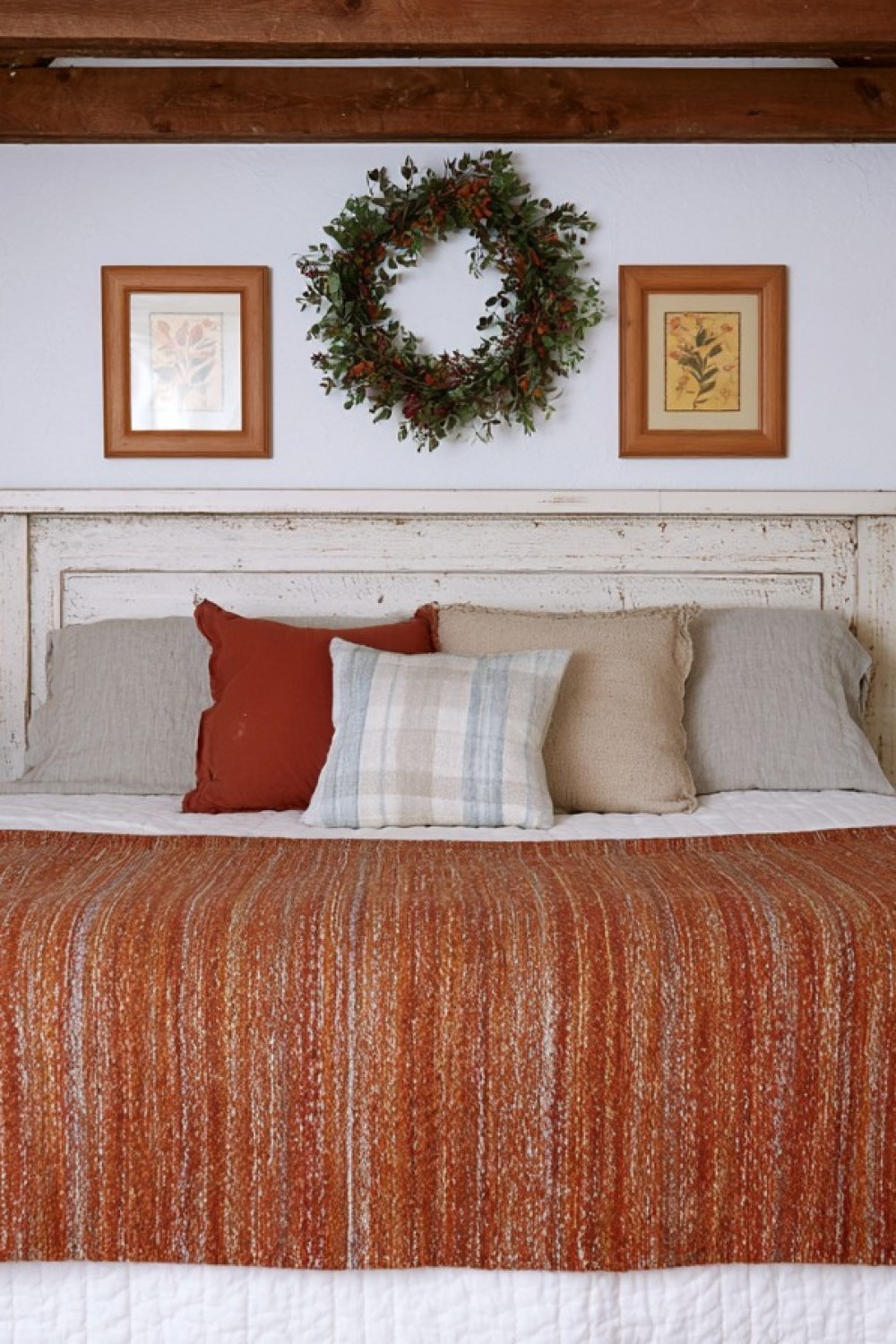
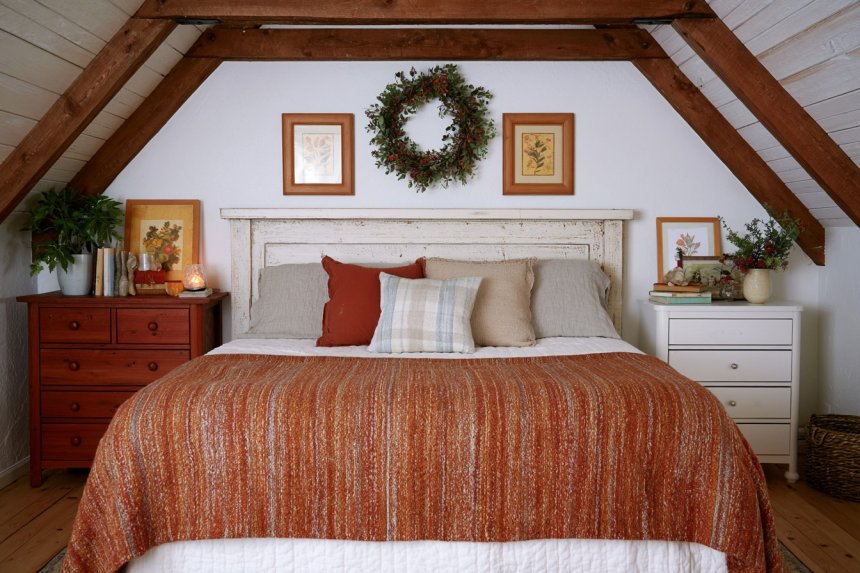
A rustic mountain bedroom can highlight existing rafters or introduce timber through a headboard, low chest, or limited wall cladding. Balance darker wood with warm neutral plaster or paint so the roof structure remains visible without making the entire attic feel enclosed. Wool, checked fabric, leather, and textured cotton can reinforce the retreat-like character.
Existing beams should be inspected before sanding, drilling, or attaching decorative objects. Avoid covering unknown structural or ventilation problems simply to obtain a rustic finish. If the room already contains extensive timber, keep furniture silhouettes straightforward and use a lighter floor covering to prevent multiple heavy wood tones from competing.
3. Reduce Visual Clutter with a Minimalist Layout
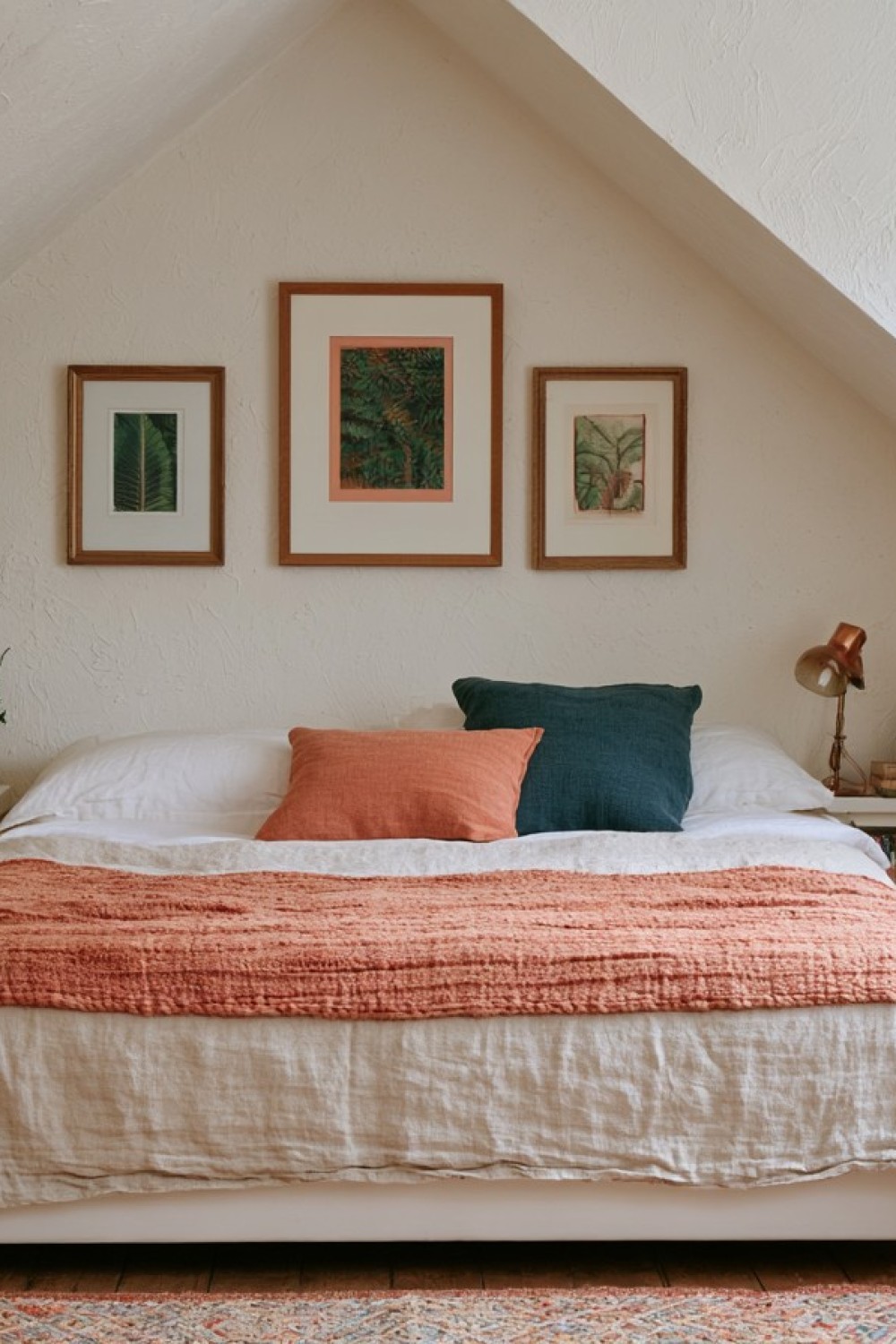
Minimalism is useful in an attic because every additional object affects circulation and sightlines. Begin with the essential furniture: a properly sized bed, accessible clothing storage, adequate lighting, and one practical bedside surface. Built-in drawers beneath the eaves can contain belongings while preserving the open central floor area.
Minimal does not have to mean cold or unfinished. Varying the textures of bedding, timber, plaster, and flooring provides depth within a restrained palette. Concealed storage should include ventilation where necessary and must not block access to wiring, roof voids, plumbing, or other components that may require inspection.
4. Build a Botanical Scheme Around Attic Light Levels
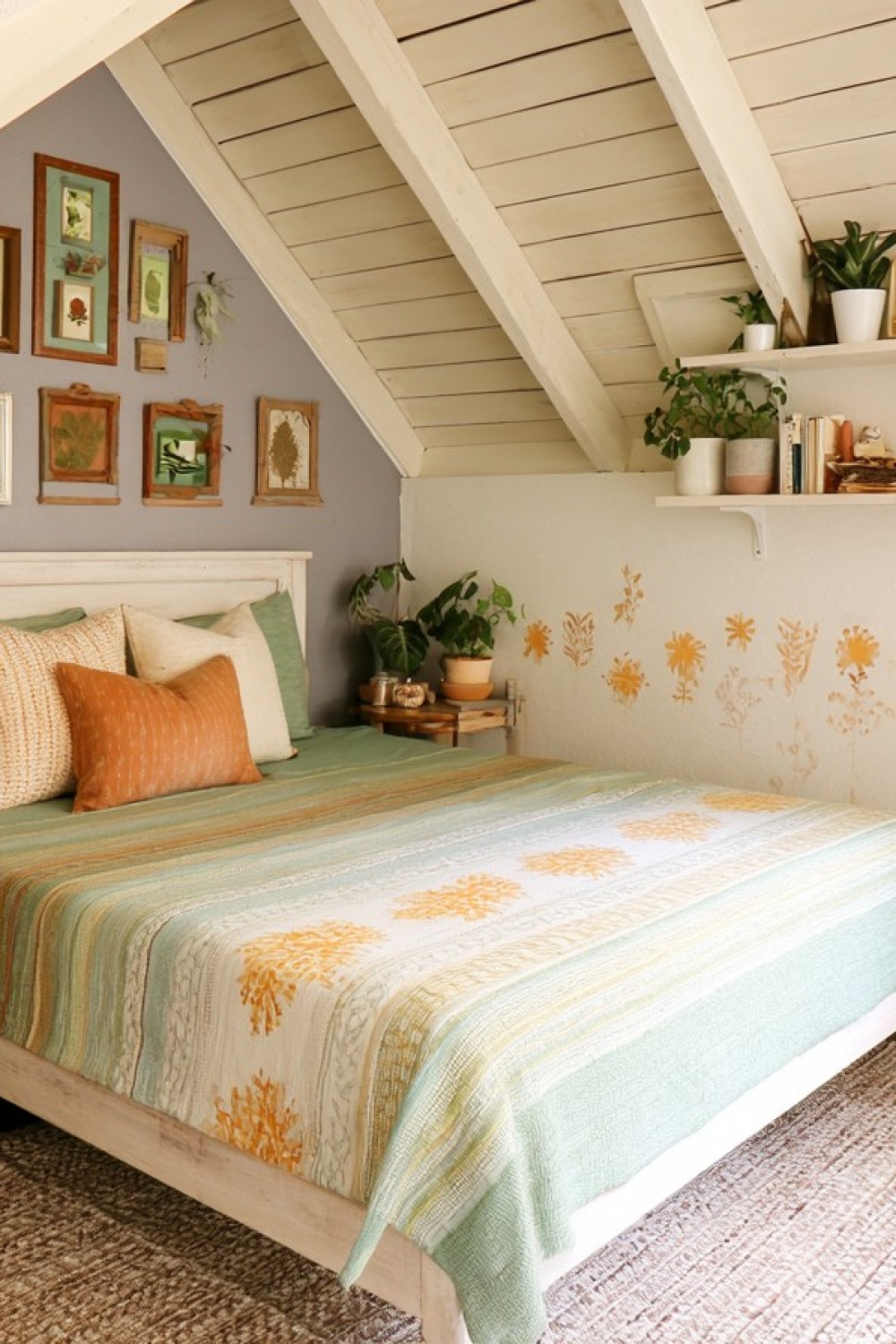
A botanical bedroom can combine muted greens, natural fibers, leaf-patterned textiles, and a carefully chosen group of plants. Evaluate the direction and duration of sunlight before deciding which living plants belong in the attic. Roof glazing may create intense heat and direct exposure, while deep eaves can remain much darker than the center of the room.
Place pots in stable containers with protective trays and keep them away from bedding, electronics, and narrow walking routes. If conditions are unsuitable for plants, botanical prints and patterned fabric can supply the same theme without ongoing maintenance. One larger plant often creates a calmer result than numerous small pots scattered across limited surfaces.
5. Introduce Parisian Character with Curves and Restraint
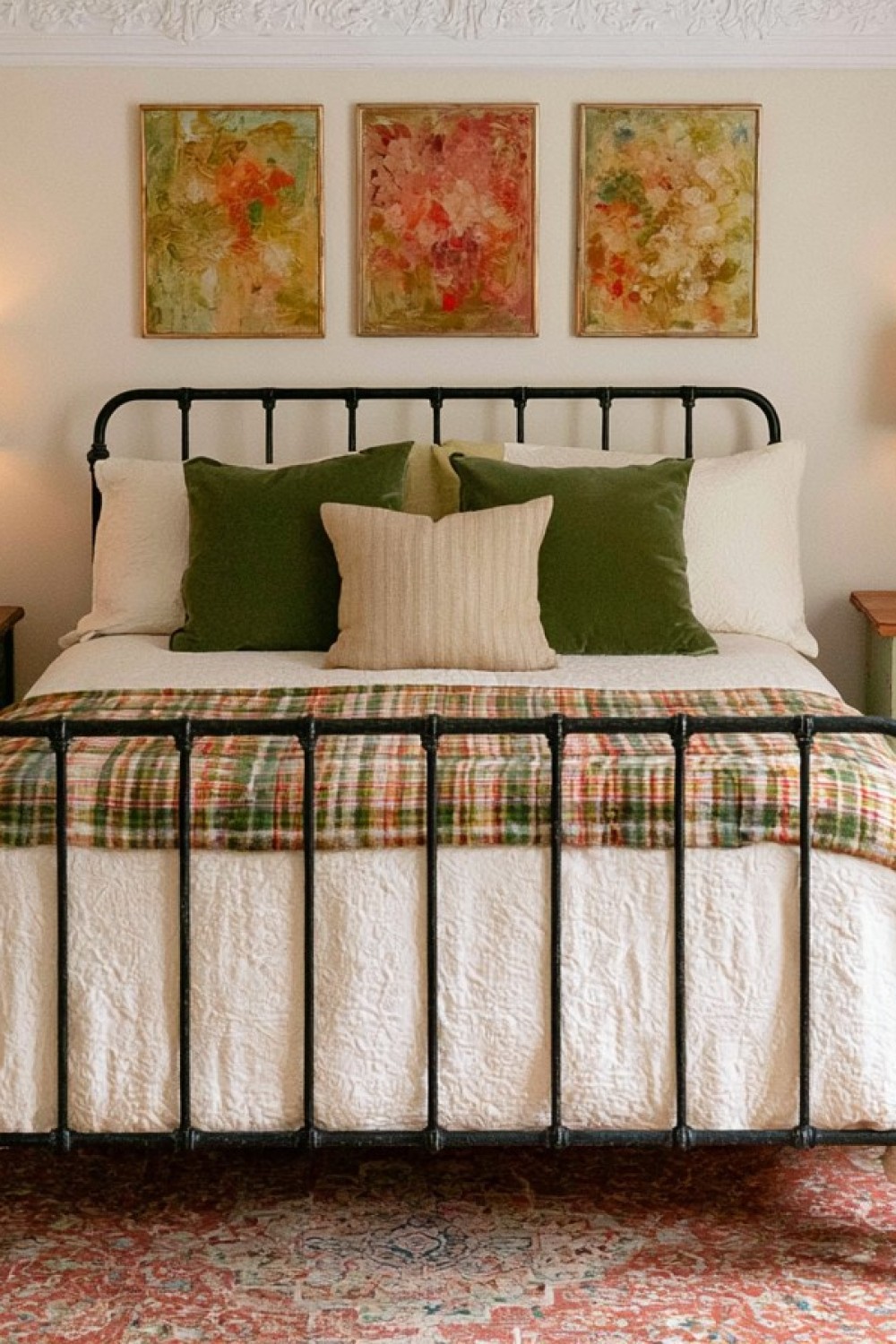
A Parisian-inspired attic can feel collected and elegant through a curved headboard, small antique-style table, aged mirror, and softly layered neutral fabrics. Instead of using a complete matching set, combine a few pieces with different histories and related proportions. Black, cream, faded blue, brass, and medium-toned wood create a refined but comfortable palette.
Use decorative molding only where the wall shape allows it to terminate cleanly. Complicated trim fitted around multiple slopes may make the architecture appear busier. Secure tall mirrors and heavy artwork with suitable fixings, and avoid hanging substantial framed pieces directly above the bed unless the wall structure and anchoring method have been properly assessed.
6. Shape a Japandi Room with Low, Purposeful Furniture
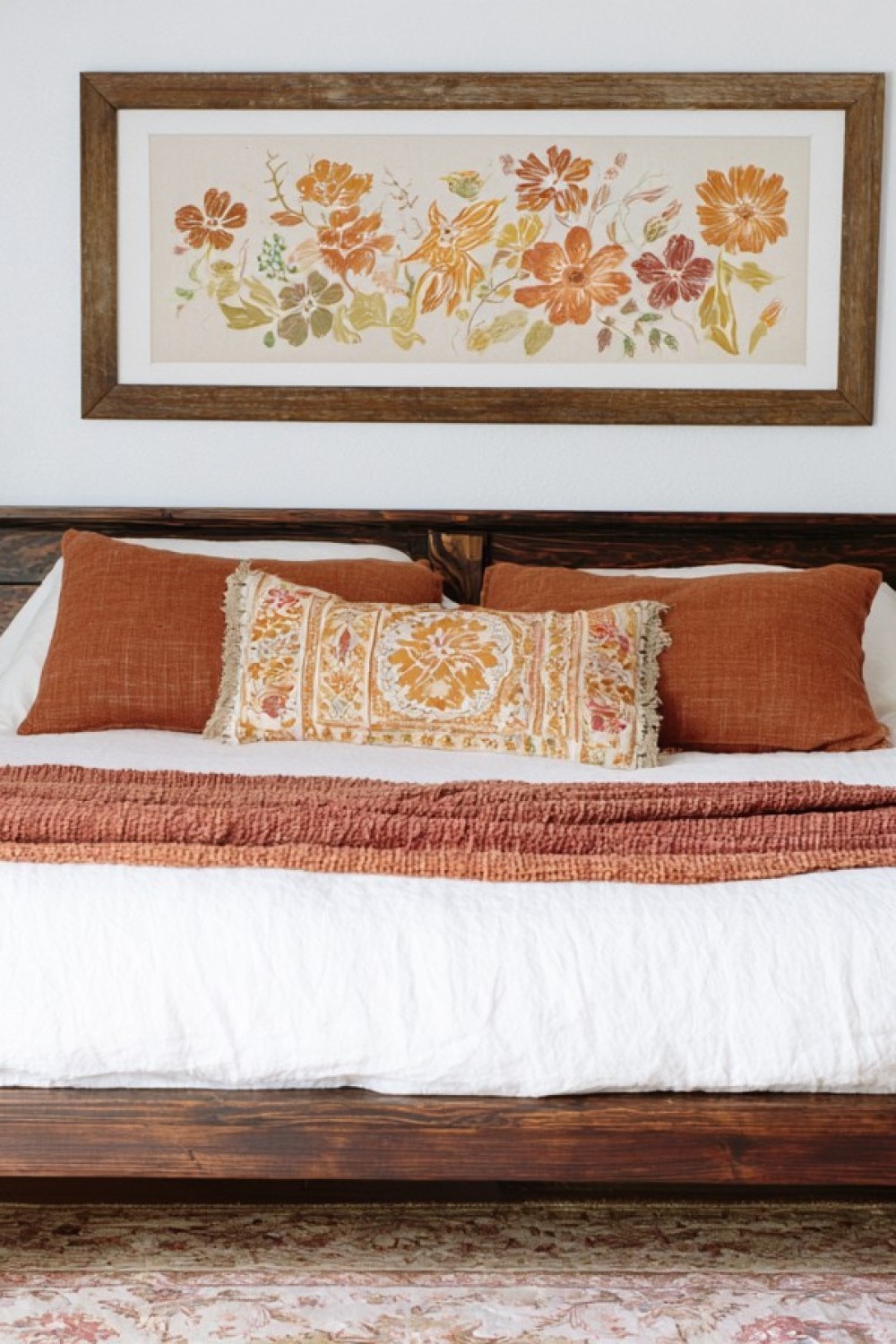
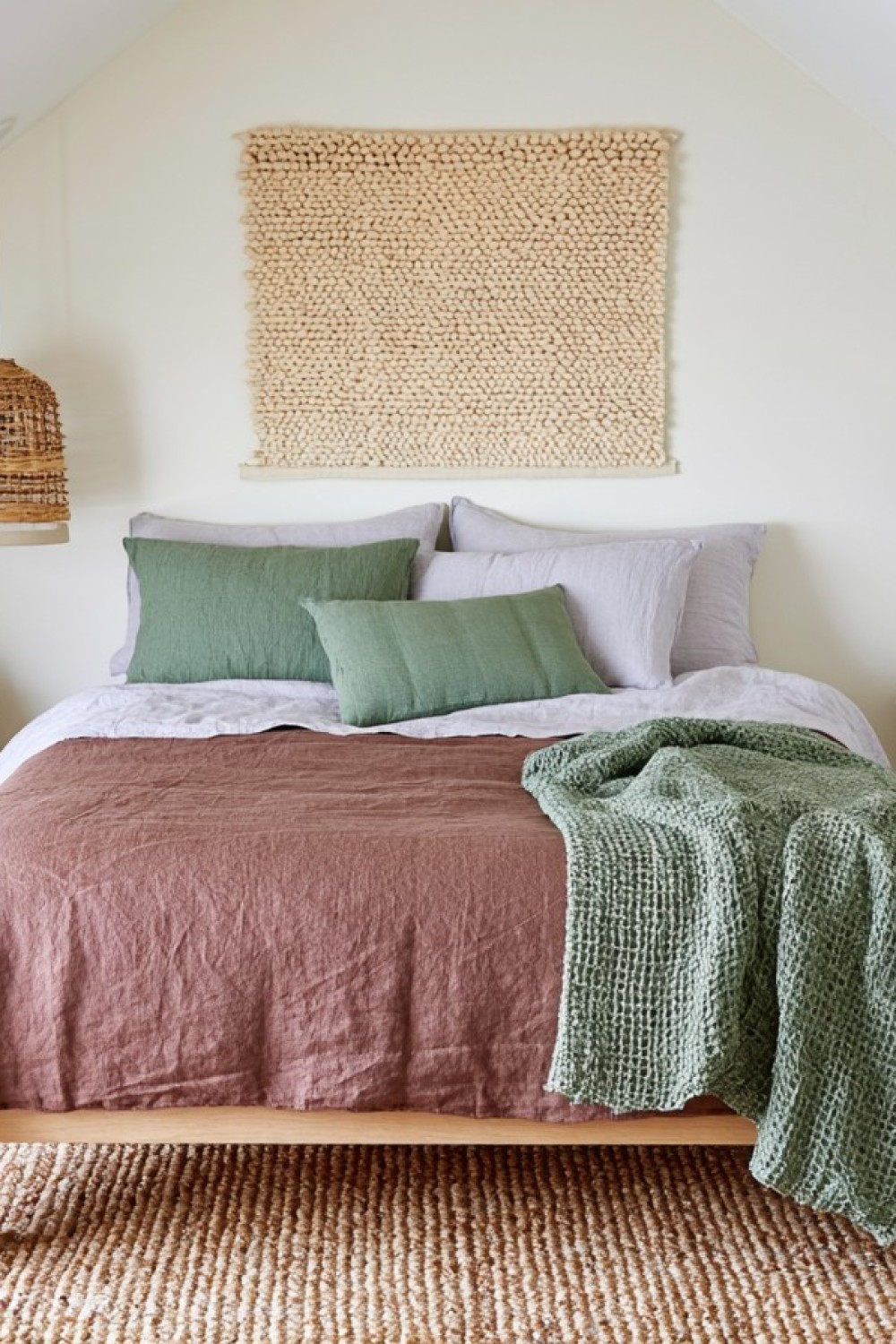
Japandi design suits sloped rooms because low furniture follows the architecture and maintains open sightlines. A simple timber bed, woven shade, neutral rug, and textured bedding can provide warmth without requiring many accessories. Select a small number of useful objects and allow visible space around them.
A low bed still needs sufficient airflow around and beneath the mattress. Avoid placing a mattress directly on an unventilated floor, particularly where condensation or temperature changes may occur. Built-in storage should follow the roofline while keeping handles and projecting corners away from the main path through the room.
7. Create a Coastal Atmosphere Without Themed Decorations
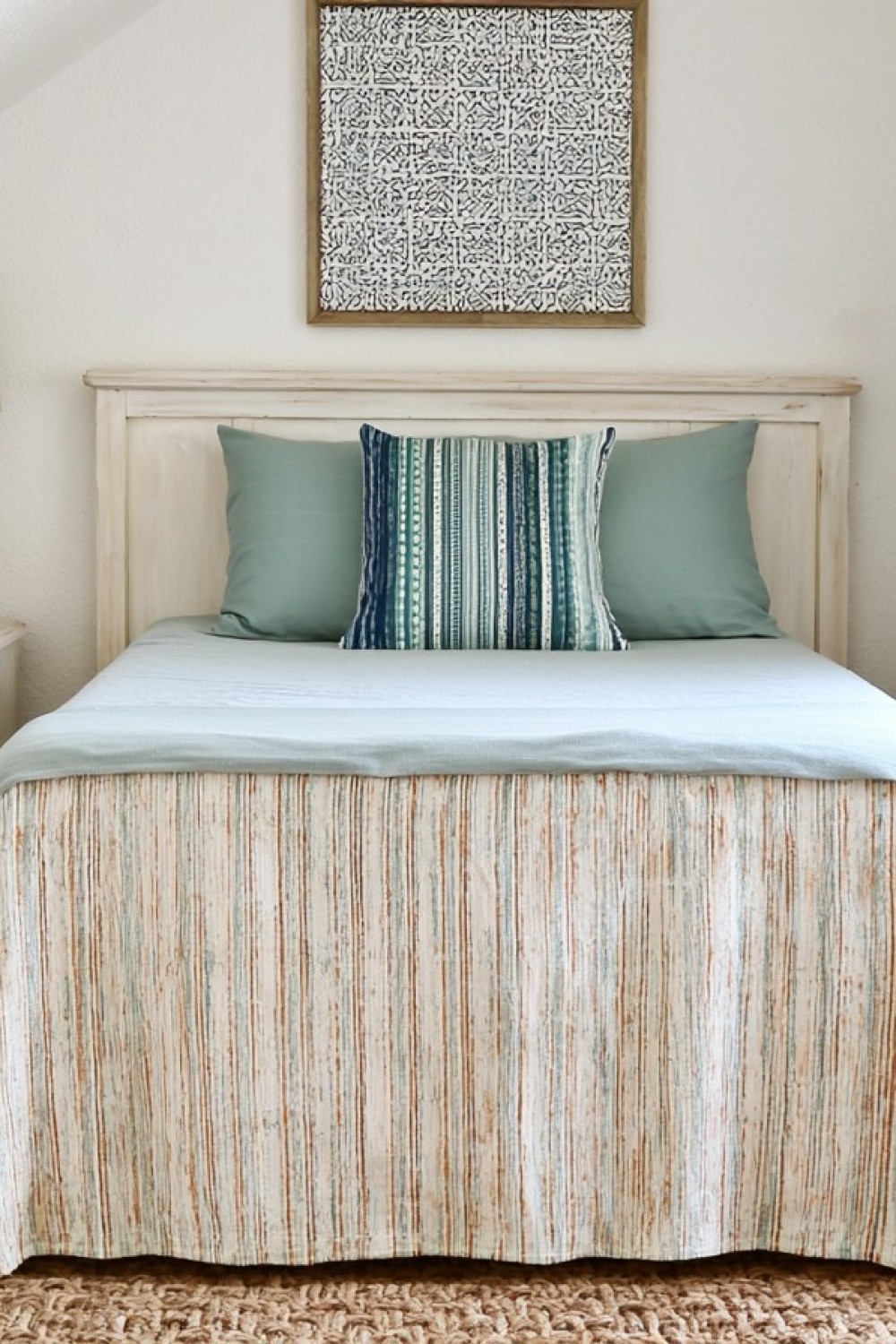
A coastal attic bedroom can be expressed through light, texture, and relaxed materials instead of obvious nautical ornaments. Chalky white, sand, pale blue, and weathered timber make the room feel fresh, while linen curtains and cotton bedding keep the arrangement soft. A striped cushion or woven pendant may provide enough pattern.
Attics often become warmer than rooms below, so window shading and ventilation are particularly important to this airy style. Choose blinds or curtains that can control direct sun without preventing the window from opening. Keep electrical fixtures and hanging decorations clear of low headroom where they could become an obstruction.
8. Turn Low Eaves into a Bedroom Library
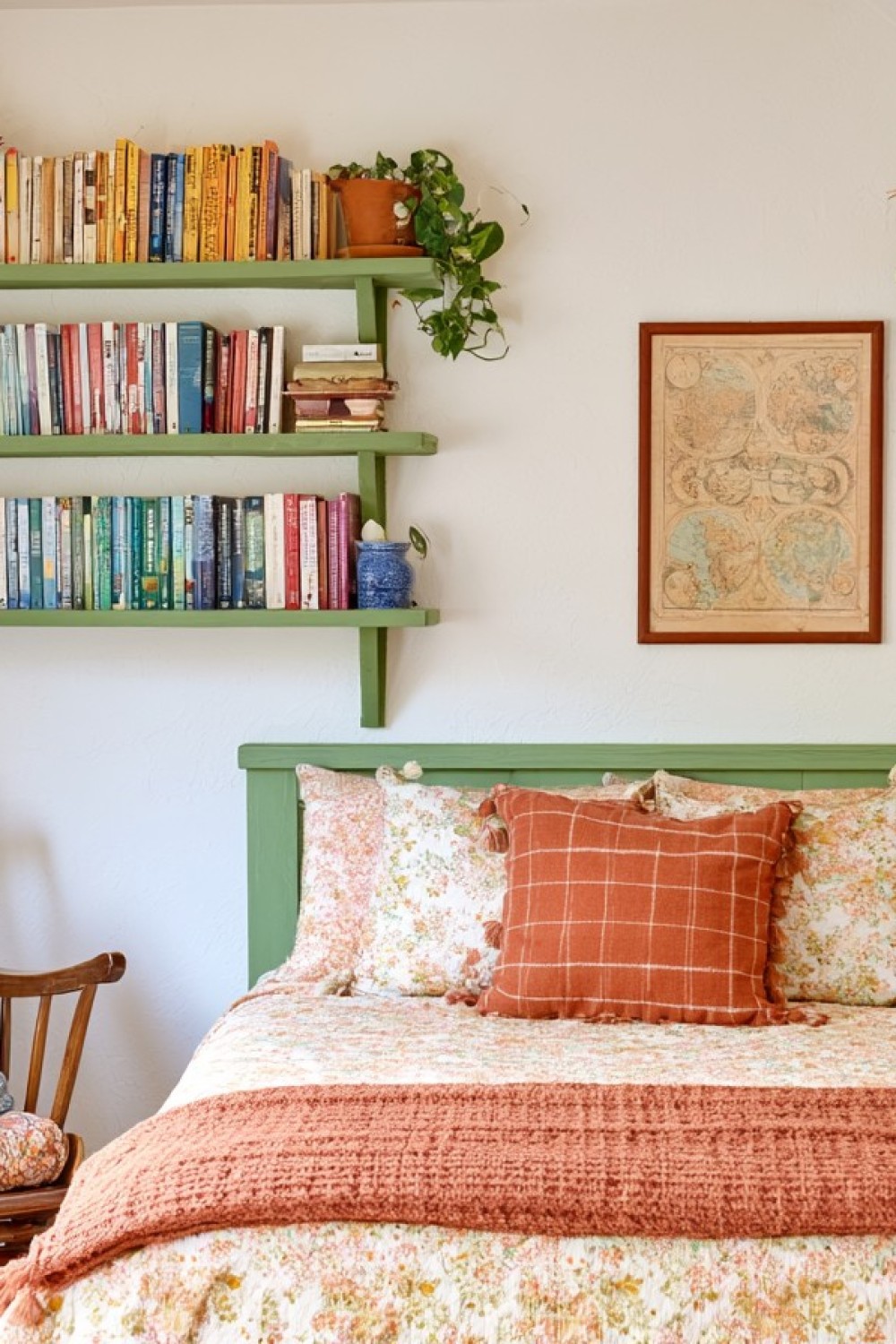
Low bookcases can transform otherwise awkward eaves into useful storage. Arrange shelves along the shortest walls while preserving the highest zone for circulation. A reading chair, focused lamp, and small table can create a separate activity area without requiring a full study. Mixing books with limited closed storage keeps the display from becoming visually dense.
Books add considerable weight, so long shelves require strong supports and secure attachment. Avoid fastening units through unknown roof components, and confirm the attic floor is suitable for concentrated loads before installing a large collection. Keep paper away from condensation, roof leaks, and intense direct sunlight that may cause fading or deterioration.
9. Give a Bohemian Bedroom Structure Beneath the Layers
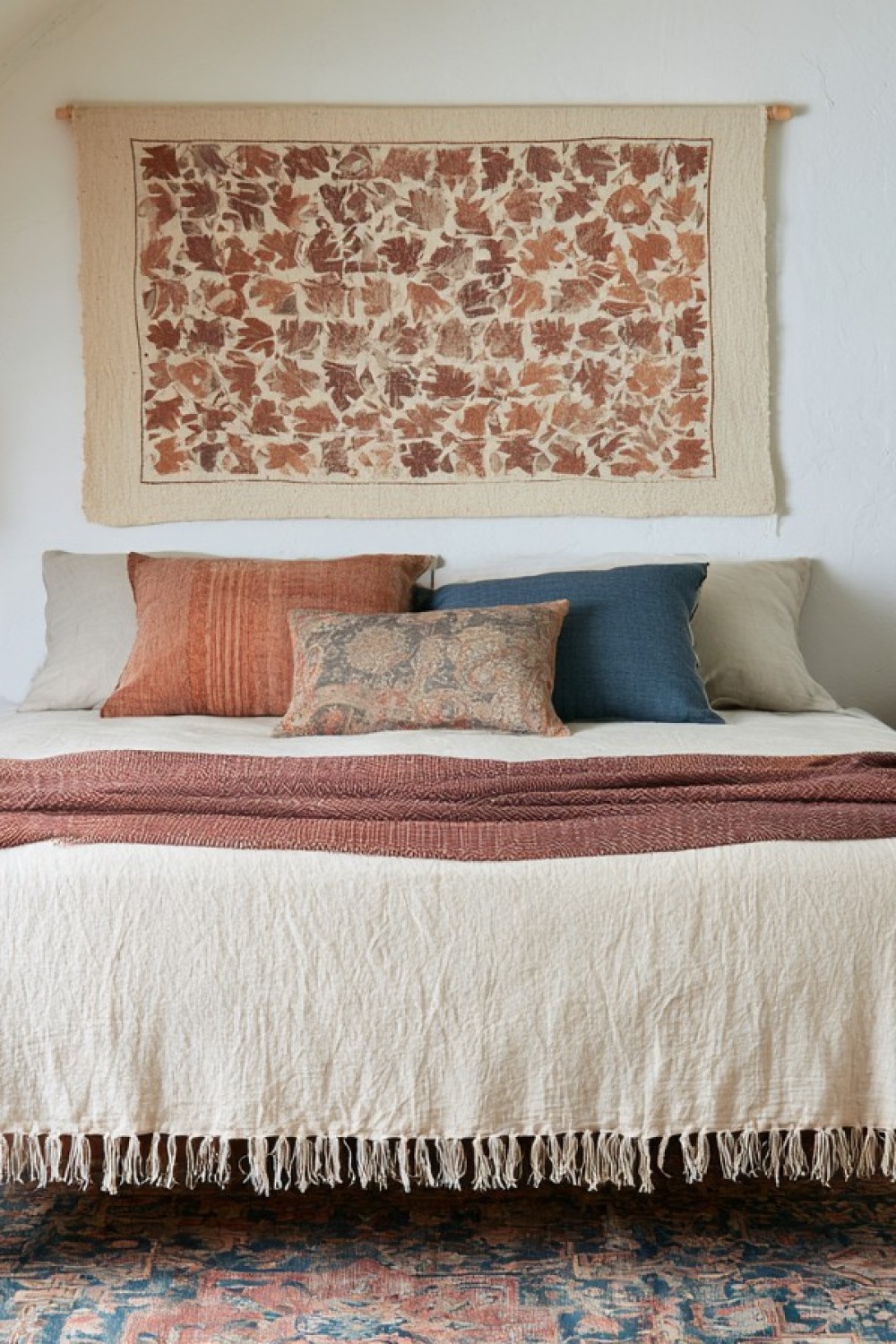
A bohemian attic can use embroidered textiles, handcrafted objects, woven materials, and warm earthy colors to soften difficult angles. Establish a controlled base palette before adding patterns. Repeating two or three colors across the bed, rug, and cushions helps varied pieces feel related rather than randomly accumulated.
Keep textiles away from heaters and avoid draping fabric across electrical fixtures or ventilation openings. Several rugs layered on an attic floor may create raised edges in already narrow passages, so use nonslip pads and maintain an unobstructed route to the stairs and exit. Closed baskets can contain smaller belongings without removing the relaxed character.
10. Refine Industrial Features Instead of Imitating Them
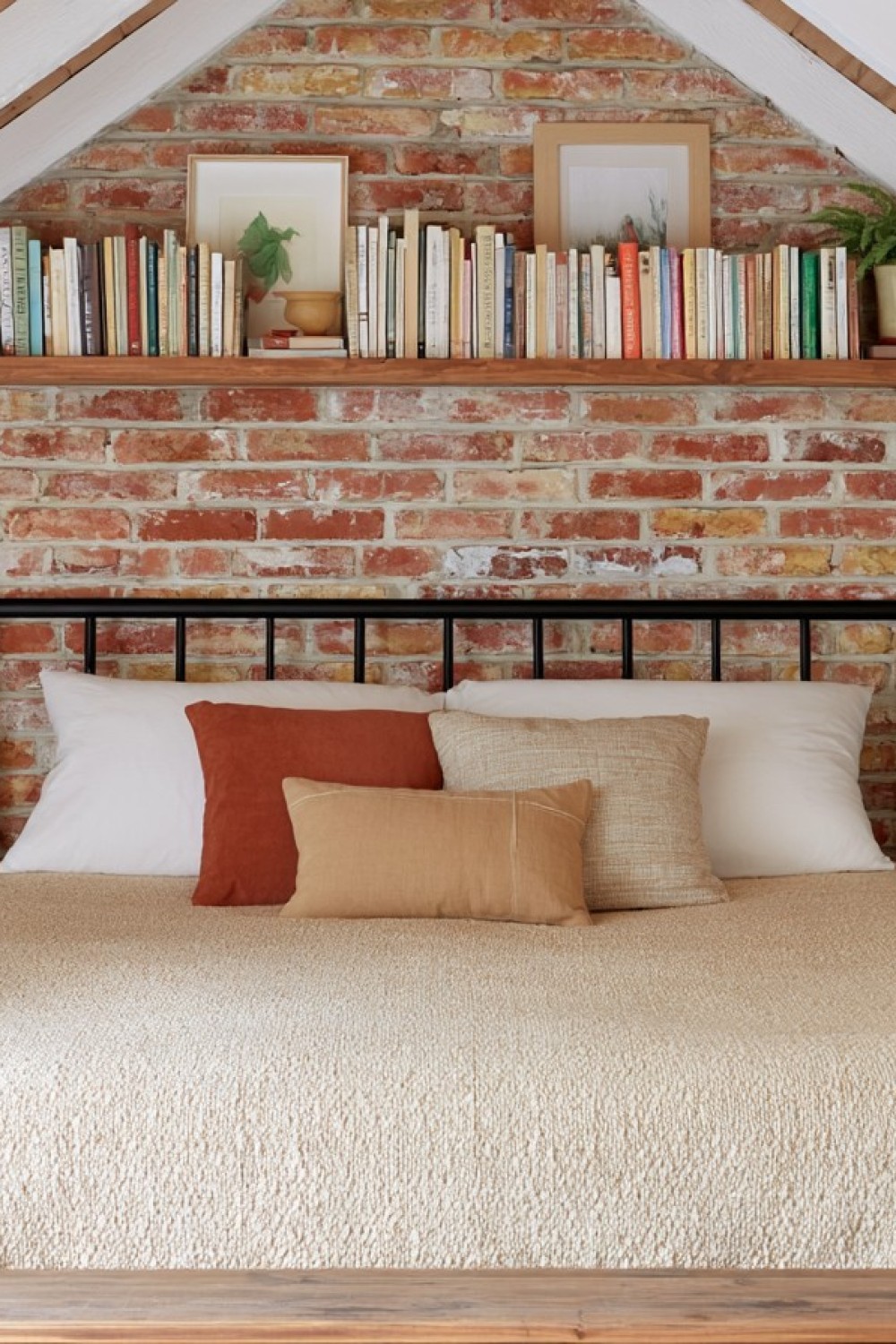
An industrial scheme works best when it responds to genuine attic features such as brickwork, beams, metal supports, or visible roof angles. Black metal furniture, simple wall lights, and reclaimed timber can reinforce that character. Warm bedding and an upholstered headboard prevent the combination of hard surfaces from making the bedroom feel unfinished.
Exposed pipes, wiring, masonry, and structural elements should be inspected rather than treated automatically as decoration. Old brick may release dust or require repair, while pipes may become hot or produce condensation. Electrical cables should never be left exposed merely for appearance. Use qualified professionals when existing services need alteration.
11. Use Cottage Details at a Manageable Scale
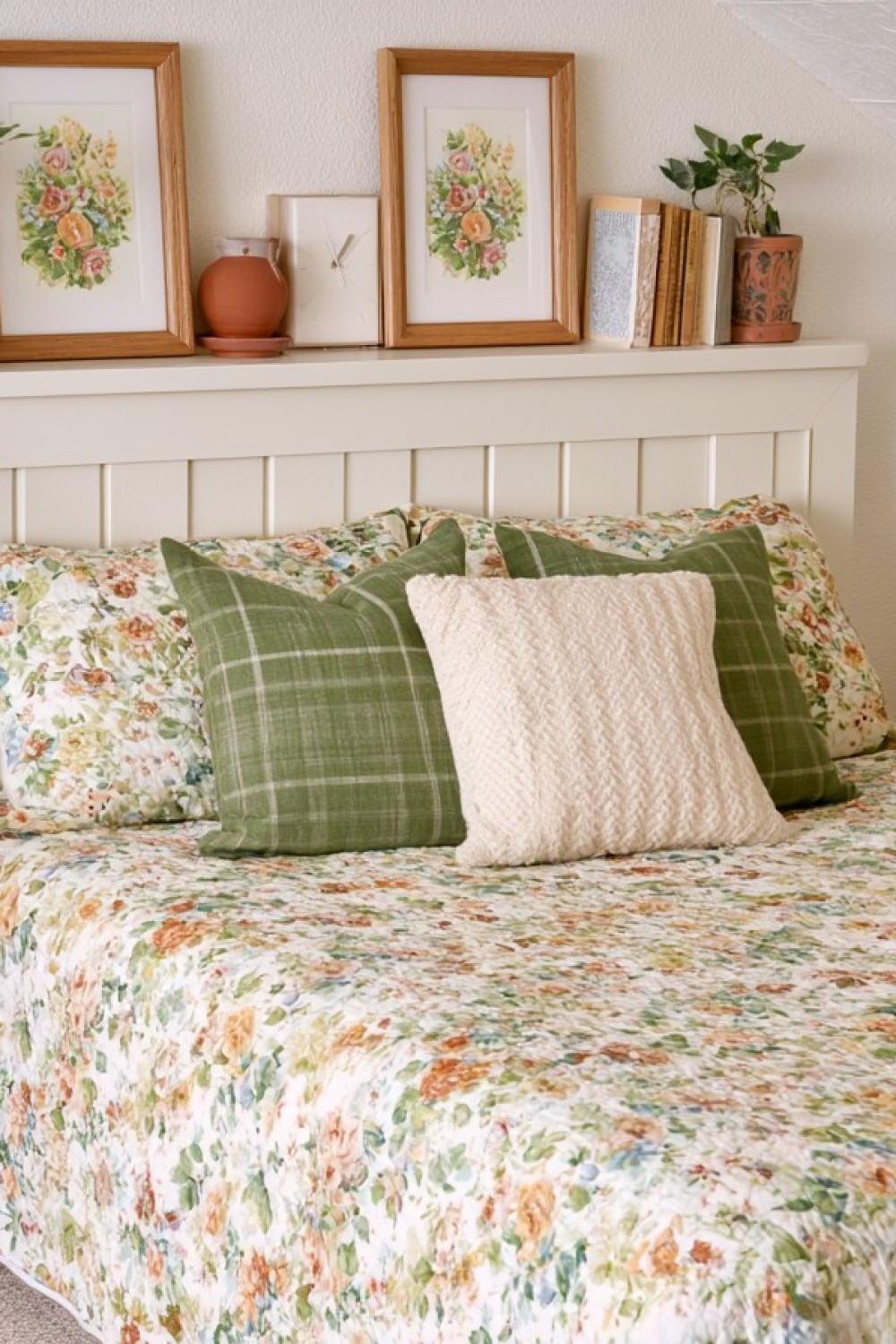
A cottage-style attic can combine painted furniture, small floral patterns, quilts, and gently aged wood. Use pattern on one leading surface—such as the bedcover, a curtain, or a small section of wallpaper—then support it with quieter colors. This prevents the many ceiling angles from competing with an equally complex decorative scheme.
Vintage furniture should be checked for stability, peeling finishes, and odors before it is carried into the attic. Small bedside chests and low dressers often fit beneath sloping walls more effectively than tall wardrobes. If wallpaper is used, confirm that the roof and wall surfaces are dry and stable before covering signs of dampness.
12. Create Depth in a Monochrome Attic with Texture
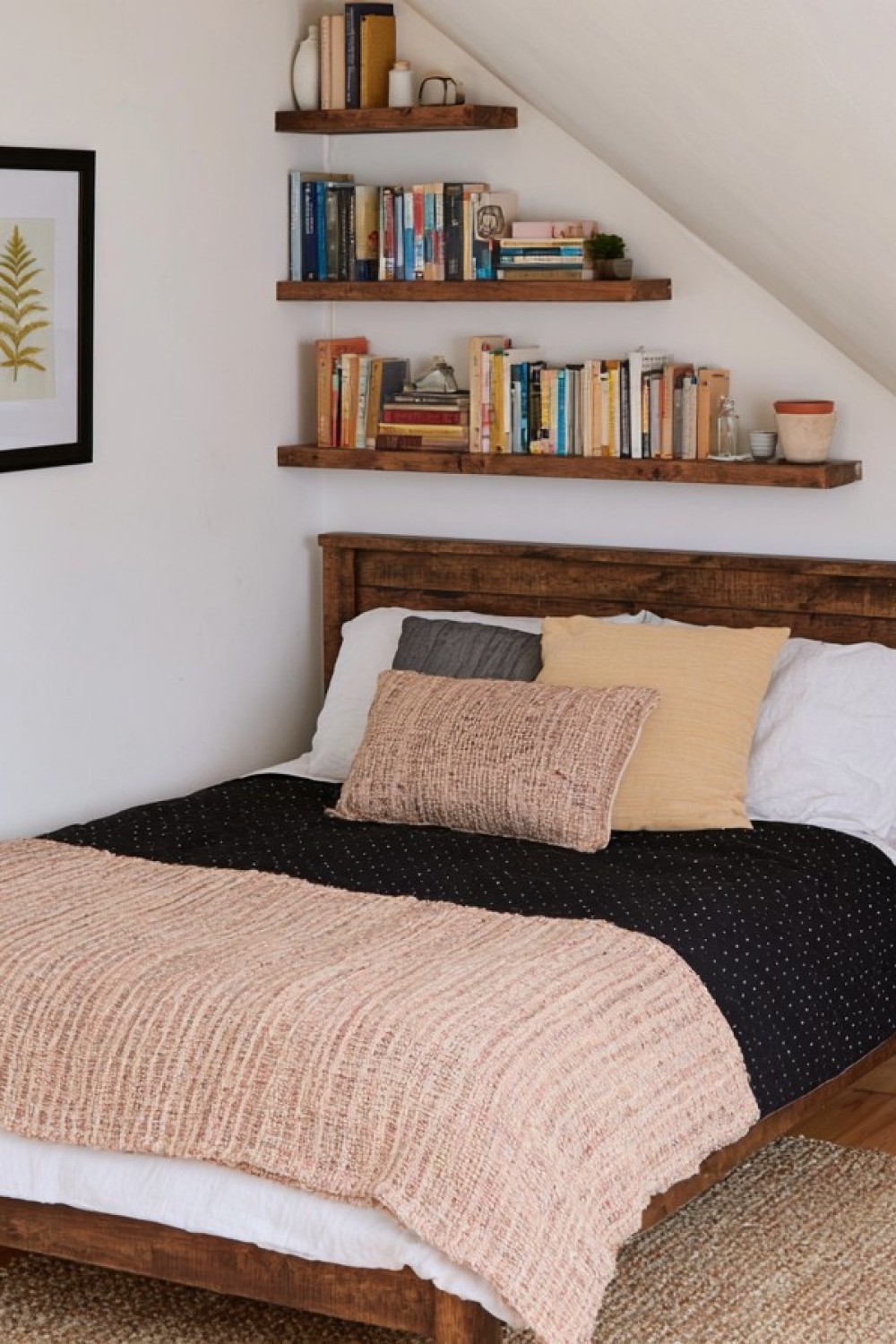
A monochrome palette can simplify an attic containing many competing lines. Combine black, white, charcoal, and several middle grays instead of relying on two extreme colors. Bouclé, linen, timber grain, matte paint, and woven flooring keep the scheme visually varied even when the color range remains narrow.
Use the darkest shade to define selected features rather than covering every low surface. A dark headboard or eave cabinet can anchor the bed, while lighter slopes reflect available light. Test paint samples throughout the day because roof windows and angled surfaces can produce stronger changes in brightness than conventional vertical walls.
13. Balance Dark Academia Style with Adequate Lighting
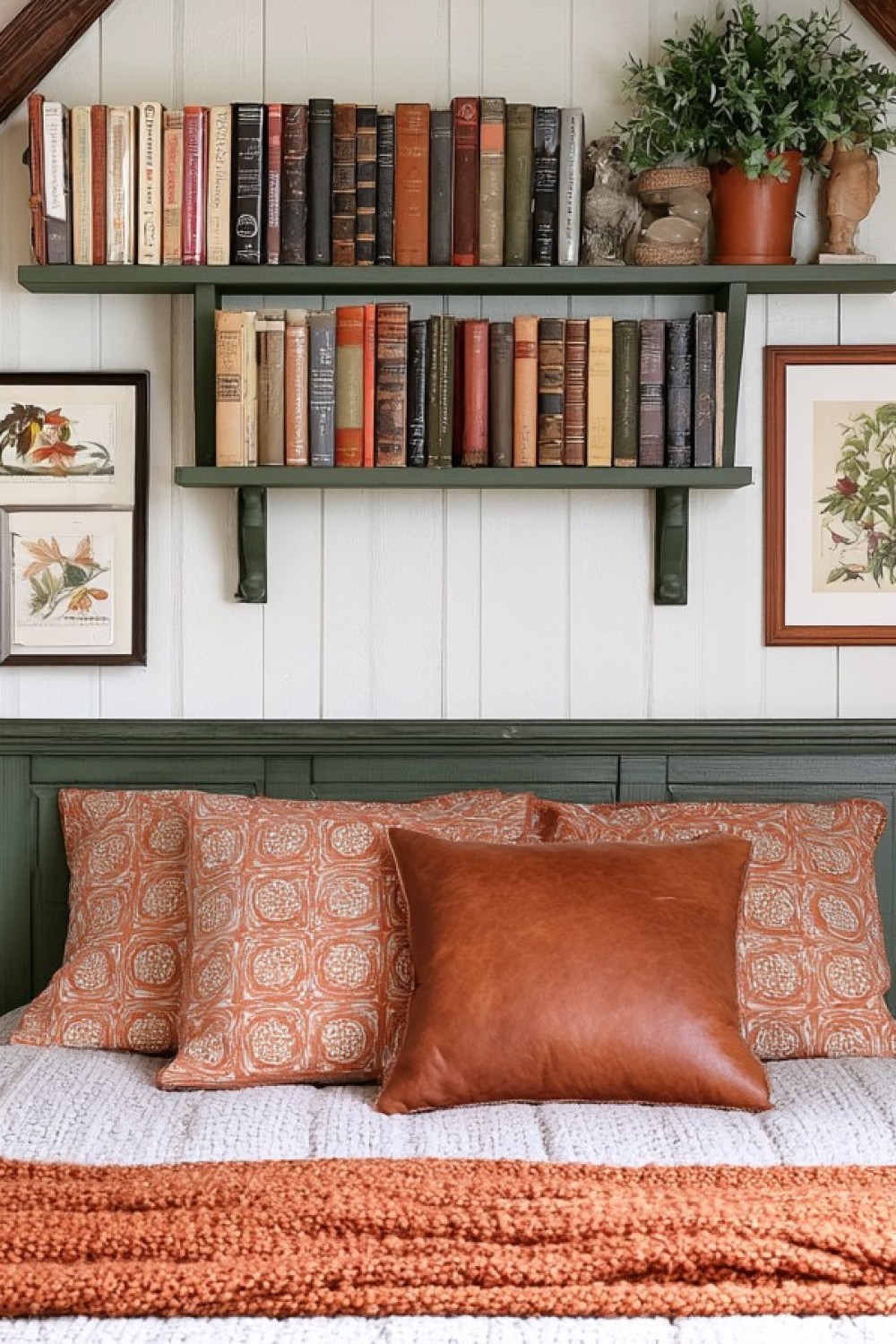
Dark academia character can be developed through deep green or brown walls, traditional wood furniture, framed artwork, and a focused collection of books. Burgundy, tobacco, navy, and antique brass introduce variation while maintaining the scholarly mood. Keep the bedding lighter than the surrounding walls to preserve a visible focal point.
A single central light will leave deep shadows beneath sloped ceilings. Combine general illumination with bedside lamps, reading lights, and subtle lighting near storage. Use LED bulbs with suitable output to reduce unnecessary heat in the attic, and ensure fixtures are positioned where occupants cannot strike them when moving through low areas.
14. Bring Mediterranean Warmth Through Mineral Colors
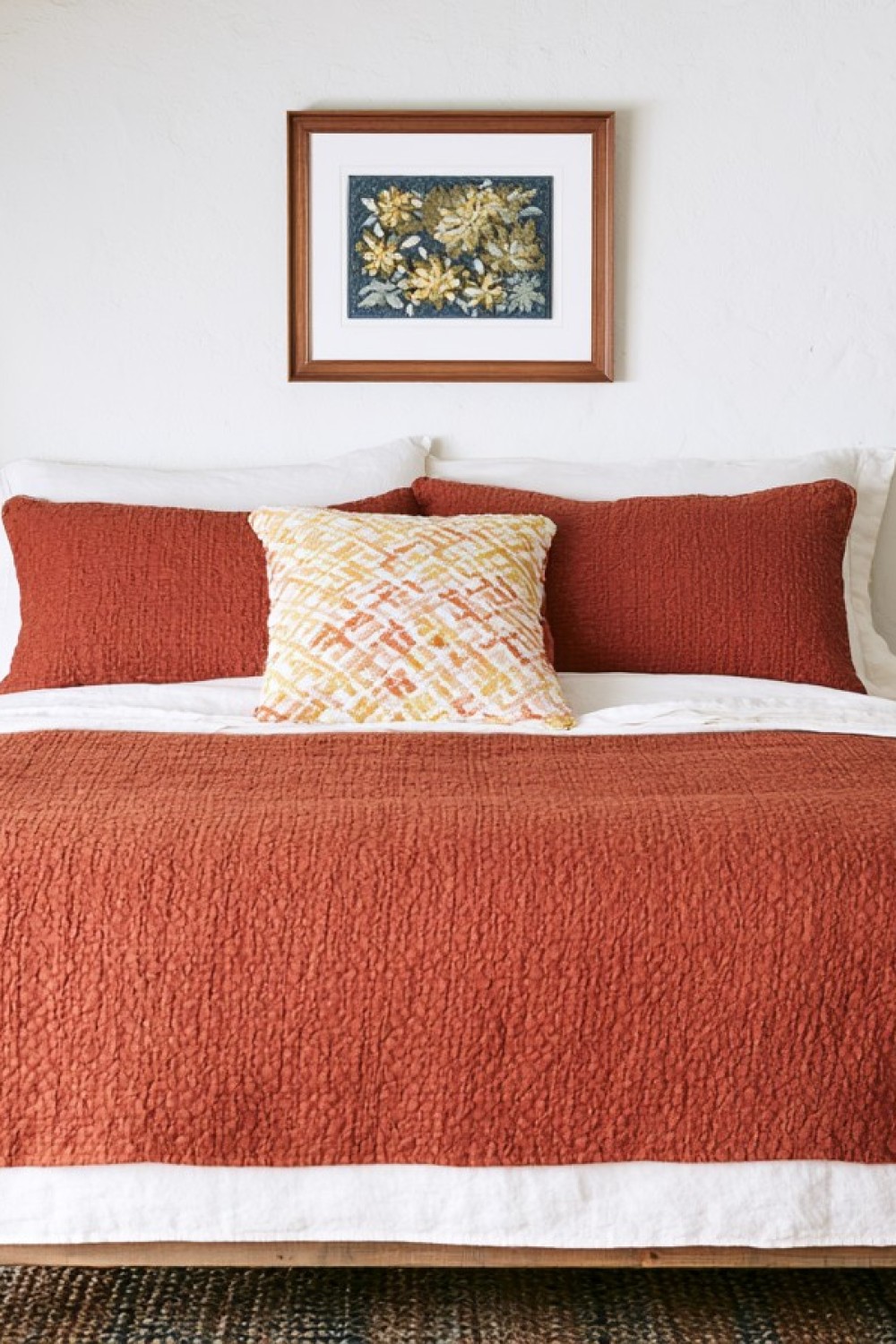
A Mediterranean-inspired attic can use chalky plaster tones, terracotta, olive, muted blue, and warm timber. Rounded accessories or an arched headboard can soften the sharp roof geometry. Choose breathable-looking natural fabrics and a few handmade ceramic pieces rather than covering the room with themed ornaments.
Textured wall finishes should be appropriate for the existing construction and should not conceal cracks or moisture. Terracotta flooring can be heavy and may require sealing, making terracotta-colored textiles or paint a more practical alternative in some attics. Introduce deeper colors near the bed while keeping low ceiling slopes comparatively light.
15. Design a Quiet Zen-Inspired Sleeping Area
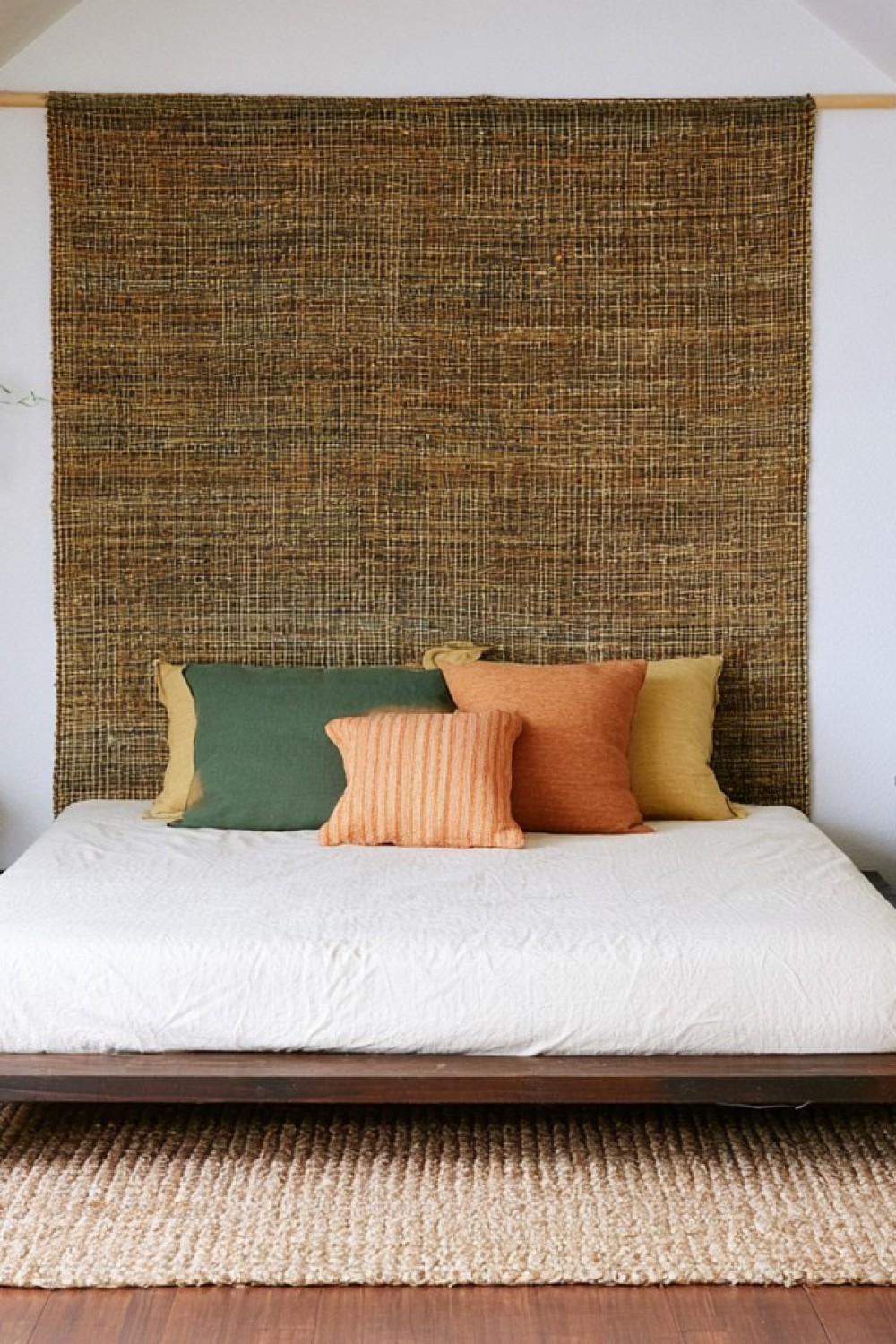
A Zen-influenced attic focuses on clear circulation, subdued color, tactile natural materials, and furniture selected for a specific purpose. A low timber bed, one bedside surface, concealed storage, and soft directional lighting may be sufficient. Warm beige, clay, stone, and muted green can create calm without making the room appear sterile.
Do not reduce the furniture so far that basic comfort is lost. The mattress still needs suitable support and ventilation, and occupants need enough clearance to enter and leave the bed safely. Keep decorative stones, floor objects, and low tables away from walking paths, particularly between the bed, stairs, and nighttime lighting controls.
Make the Roof Shape Part of the Bedroom Plan
An attic bedroom should be organized according to ceiling height before a decorative style is selected. Use the tallest section for movement and dressing, position lower furniture beneath the slopes, and preserve access to windows and building services. Custom storage can be valuable, but it should never prevent inspection of the roof or conceal moisture problems.
Insulation, ventilation, safe access, electrical installation, smoke detection, and emergency escape provisions have a greater effect on long-term comfort than any color or furniture choice. Once these requirements are properly addressed, the attic’s unusual angles can become its strongest design feature rather than a limitation.
MORE IDEAS


Share
What's Your Reaction?
 Like
0
Like
0
 Dislike
0
Dislike
0
 Love
0
Love
0
 Funny
0
Funny
0
 Angry
0
Angry
0
 Sad
0
Sad
0
 Wow
0
Wow
0