11 Home Storage Systems Built Around Real Rooms and Daily Routines

Effective storage begins with understanding what a room needs to hold, how frequently each item is used, and who must be able to reach it. Adding more shelves does not automatically create better organization. Poorly positioned storage can make objects difficult to retrieve, interrupt circulation, or encourage rarely used possessions to accumulate in visible areas.
Measure the available wall space, record the depth of nearby furniture, and identify switches, outlets, vents, pipes, and door swings before installation. Shelves must be supported according to their material, span, and expected load. Tall or wall-mounted units should use fixings suited to the wall construction. These room-specific systems combine practical capacity with safer, more manageable organization.
1. Build a Flexible Living Room Display Wall
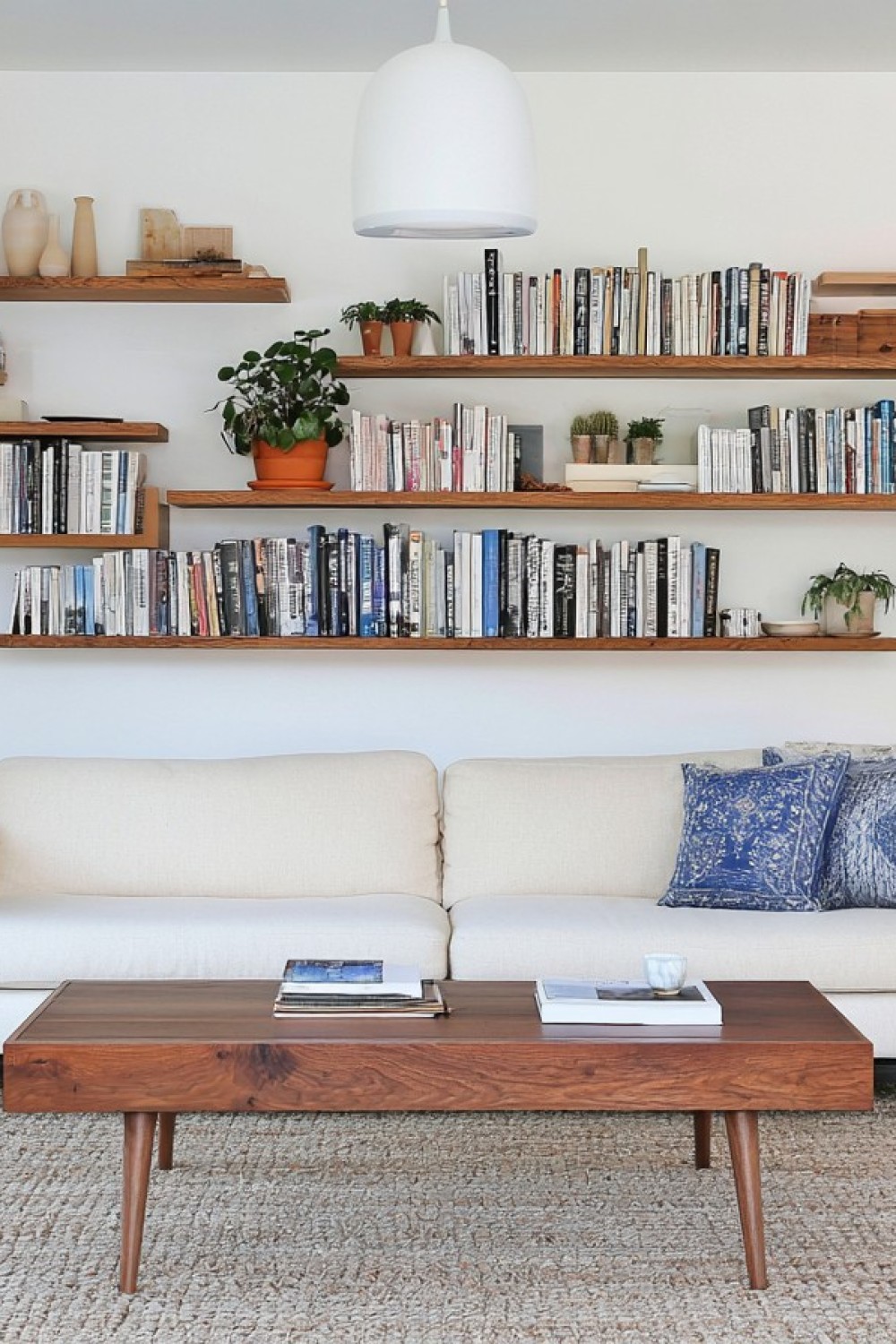
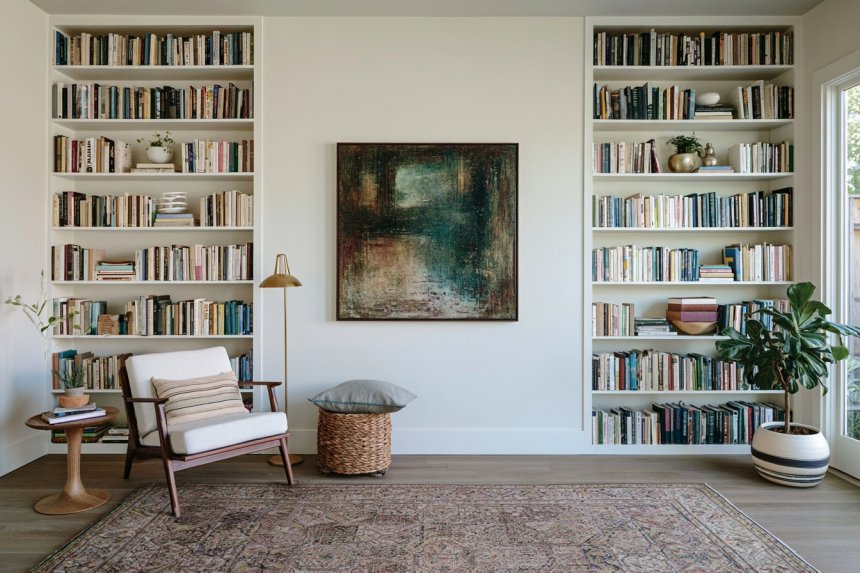
Modular shelves allow a living room wall to change as books, artwork, and media equipment evolve. Begin with closed cabinets at the bottom for visually distracting items, then place adjustable open shelves above. Varying the shelf spacing is usually more useful than dividing the wall into identical compartments because books, framed pictures, and objects have different heights.
Plan the heaviest items close to the floor and leave open space around the objects intended for display. Long shelves may sag without intermediate support, even when their brackets appear strong. Anchor the system with hardware appropriate for the wall and keep ventilation space around media equipment, game consoles, or other electronics.
2. Frame the Bed with Storage Without Crowding It
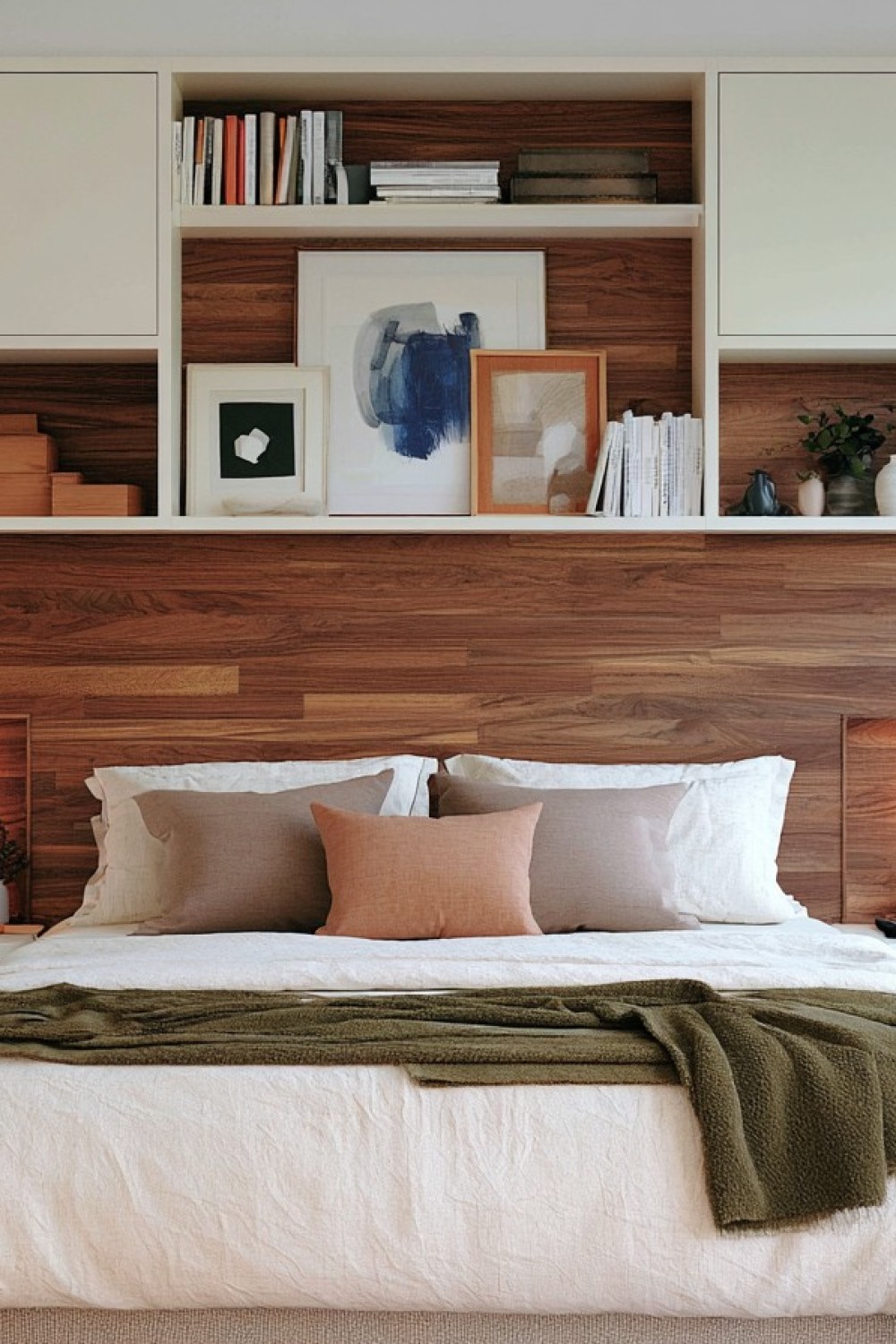
The wall around a headboard can provide wardrobes, bedside niches, and overhead cabinets when ordinary furniture will not fit comfortably. Use shallow compartments beside the bed for books and personal items, reserving deeper sections for clothing. Integrated lighting can release the bedside surfaces from freestanding lamps and visible cables.
Overhead cabinetry requires secure structural attachment and doors that will not open accidentally. Avoid positioning heavy, frequently handled objects directly above sleeping occupants. There should be sufficient room to sit up and enter the bed comfortably. Include accessible switches, charging points, and ventilation rather than sealing the mattress into a tight recess.
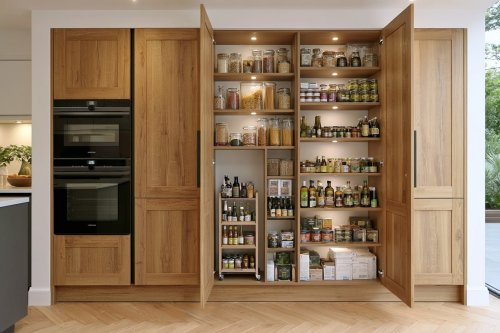
3. Reserve Kitchen Shelves for Items Used Regularly
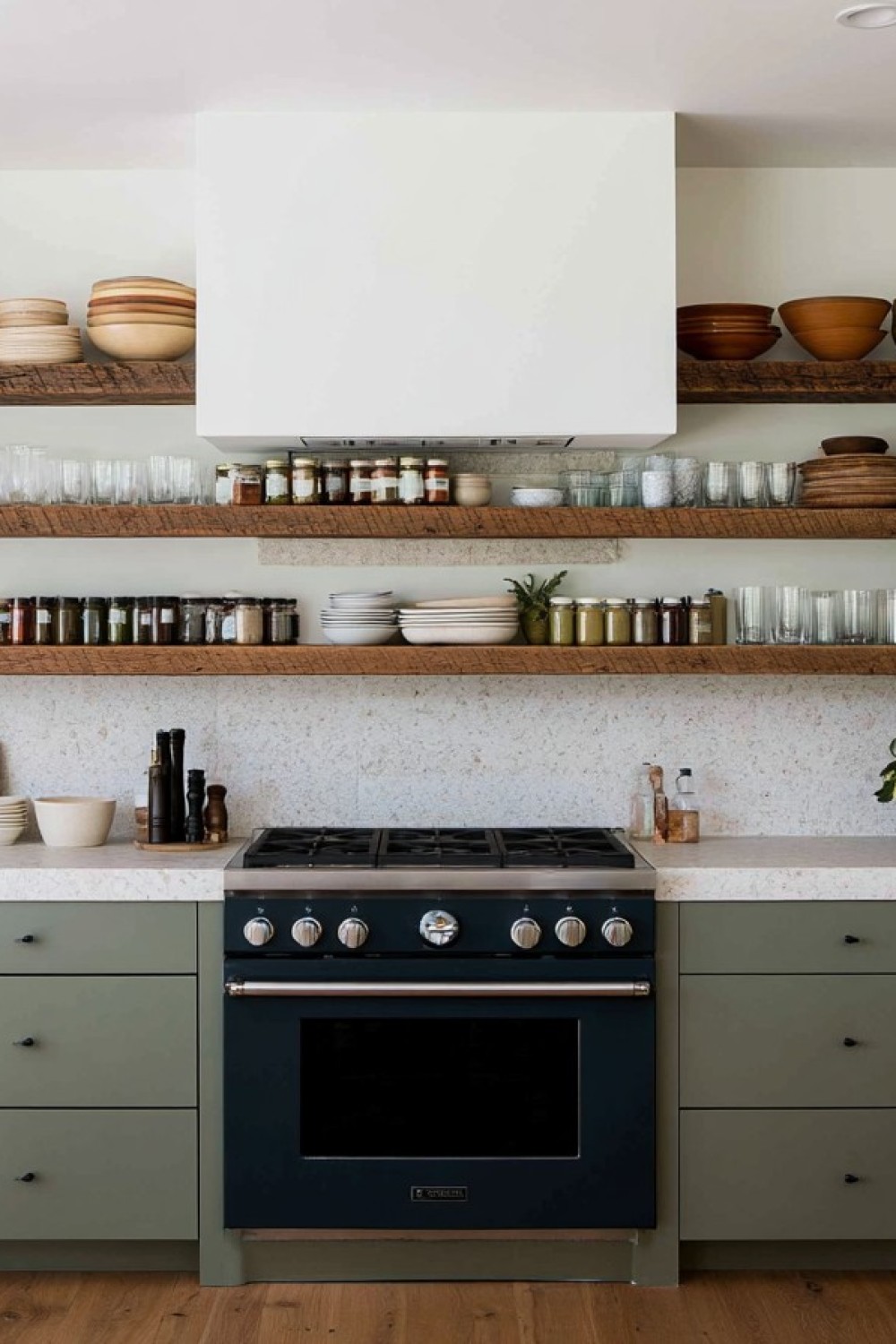
Open kitchen shelving works best for plates, bowls, glasses, and ingredients used often enough to remain clean. Arrange items according to the workflow below: everyday dishes near the dishwasher, cooking essentials near the preparation area, and less frequently used serving pieces farther from immediate reach. Consistent containers can improve visibility without requiring every package to be transferred.
Keep shelves away from direct cooking grease and steam where possible. The depth should accommodate dishes without projecting excessively over the counter. Heavy cookware requires stronger shelves and fixings than lightweight glassware. Avoid overloading the upper levels and inspect brackets periodically for movement, particularly on walls that experience vibration.
4. Fit Moisture-Resistant Storage into Bathroom Gaps
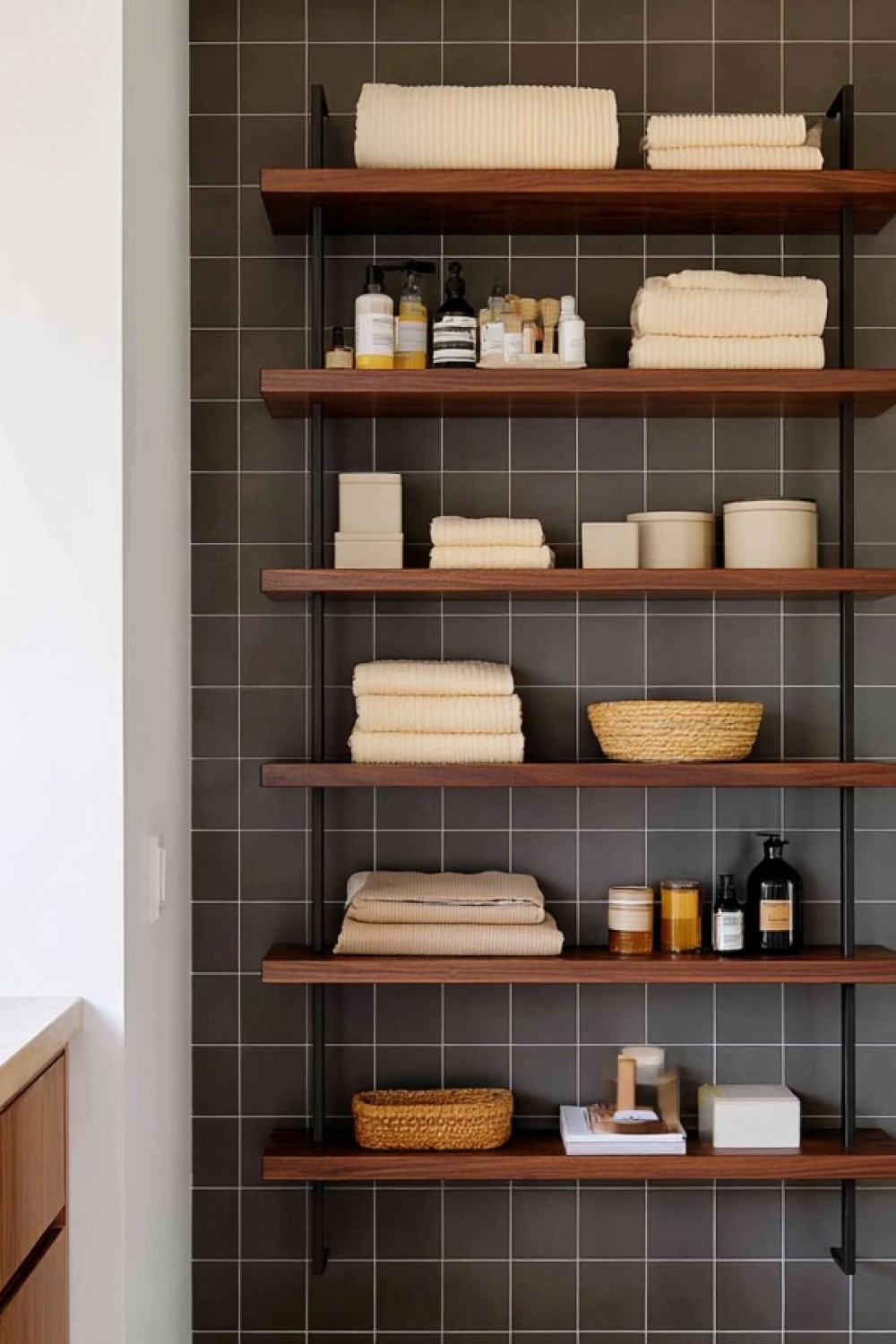
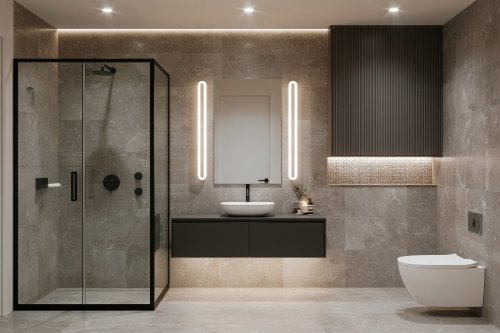
A narrow vertical cabinet can use the space beside a vanity, toilet, or doorway more effectively than a wide freestanding unit. Store frequently used toiletries around waist or eye level, place spare towels in ventilated sections, and reserve enclosed compartments for less attractive supplies. Adjustable shelves make the unit easier to revise when products change.
Bathroom storage materials must tolerate humidity and occasional splashes. Seal exposed edges, keep the base away from standing water, and leave room for cleaning around the unit. Do not cover ventilation openings, plumbing access, outlets, or controls. Tall, shallow cabinets must be anchored because they can tip easily when a door or drawer is opened.
5. Keep Children’s Storage Low, Visible, and Stable
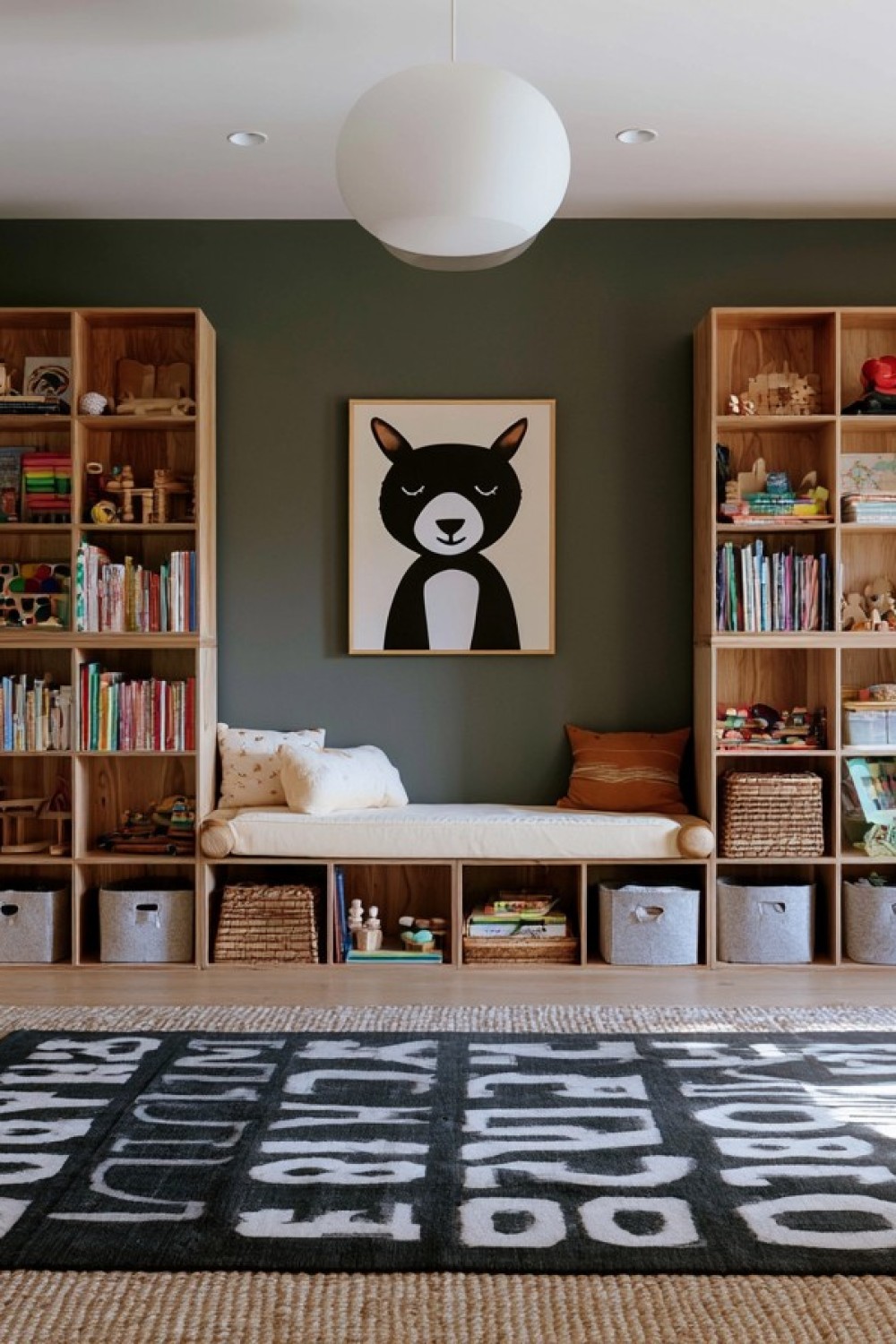
Low shelves and open bins allow children to recognize belongings and return them without climbing. Divide toys into broad categories rather than creating a complicated system with many small containers. Picture labels can support children who are not yet reading, while a low book ledge keeps covers visible and easier to choose.
Every storage unit should be stable, securely anchored, and free from sharp edges or finger-trapping hardware. Avoid heavy lids and place heavier objects at the bottom. Keep cords, breakable items, batteries, medication, and other hazards in secured adult-controlled storage. Review the system regularly as the child grows and their activities change.
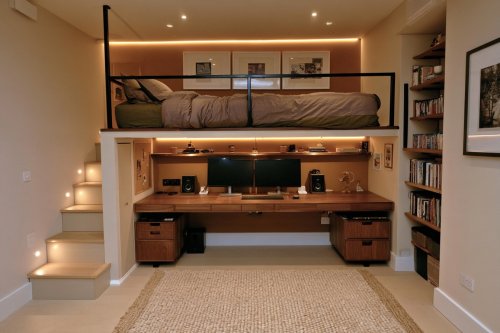
6. Use the Office Wall for Active Work, Not Permanent Clutter
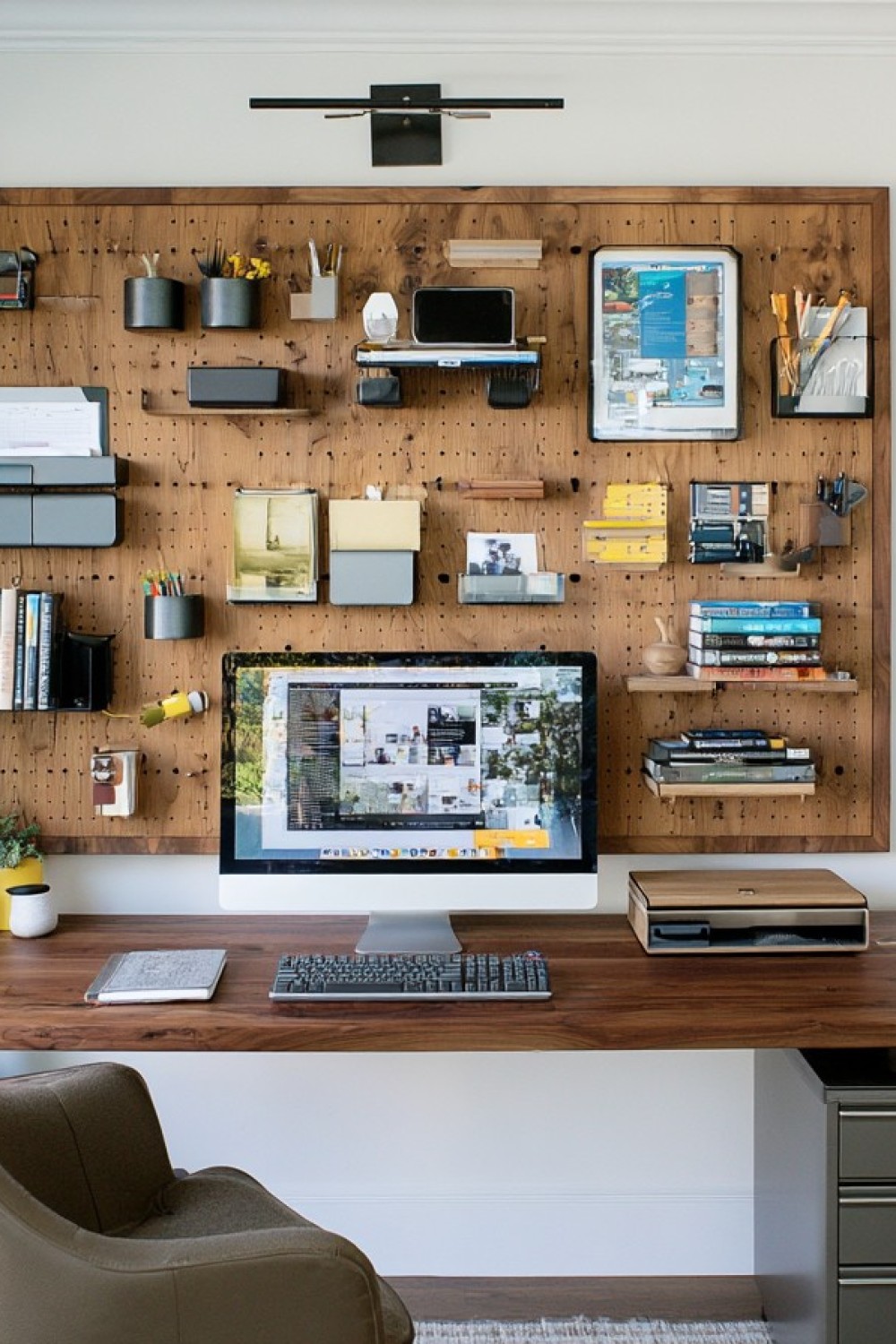
The area above a desk can support adjustable shelves, a small pinboard, task lighting, and containers for current projects. Place daily supplies within seated reach and archive completed paperwork elsewhere. Leaving some open wall area reduces visual distraction and gives the system space to accommodate temporary notes or changing work.
Mount the lowest shelf high enough that the user cannot strike it when standing or leaning forward. Keep heavy binders away from the outer edges and do not overload pegboards with equipment they were not designed to carry. Route power cables separately from loose stationery and maintain ventilation around computers and charging devices.
7. Select Shallow Entryway Storage to Preserve Movement
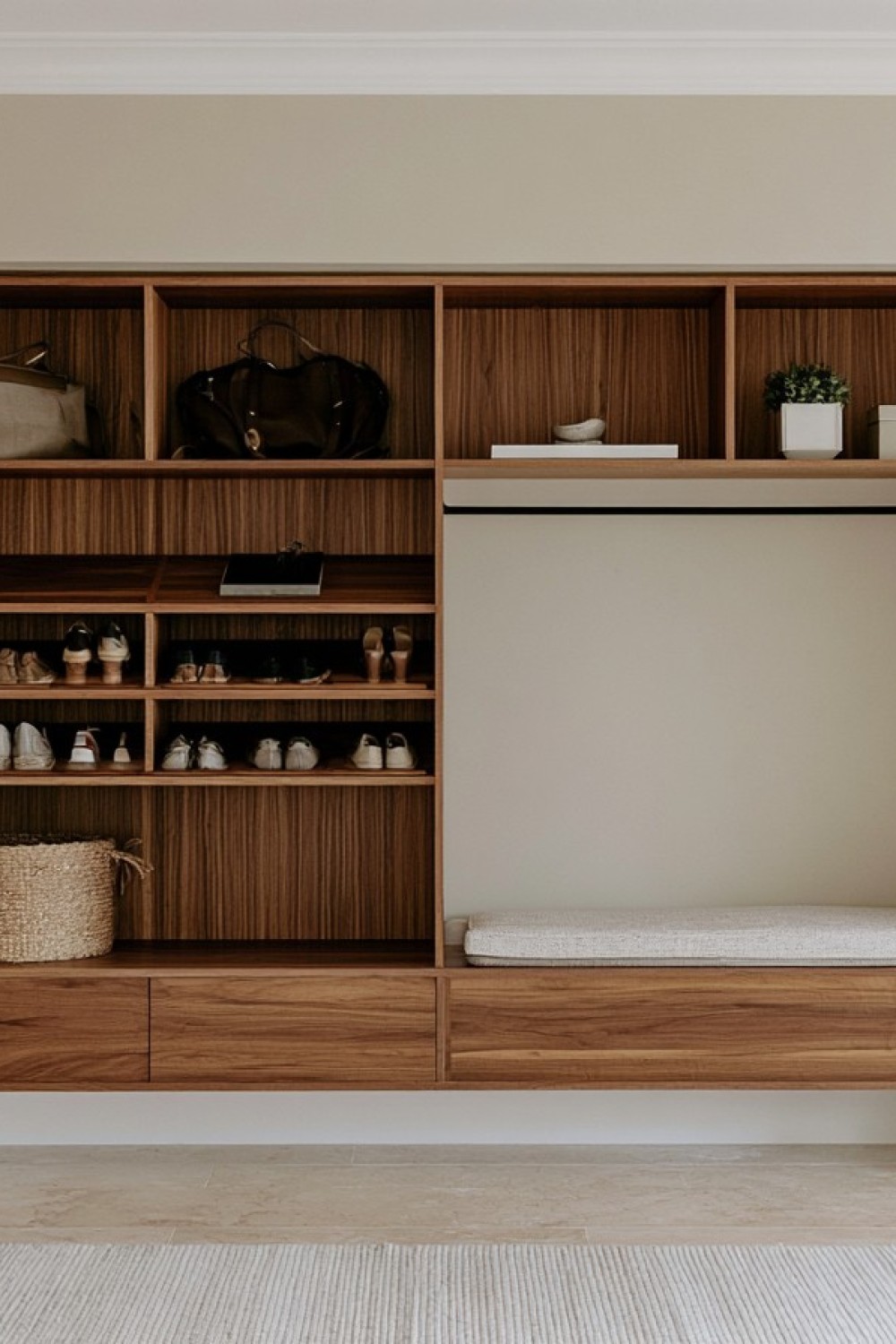
A slim shoe cabinet, narrow bench, and small group of hooks can support arrivals and departures without reducing an already limited hallway. Store only footwear and accessories used during the current season. Less frequent items can be relocated so the entrance does not become long-term household storage.
Check the clearance when the front door, cabinet doors, and drawers are fully open. A bench should remain stable when someone sits to remove shoes, and tall cabinets require anchoring. Hooks must be fixed securely and positioned where hanging coats will not block switches, handles, or the route through the doorway.
8. Protect Dining and Serving Pieces Behind Closed Doors
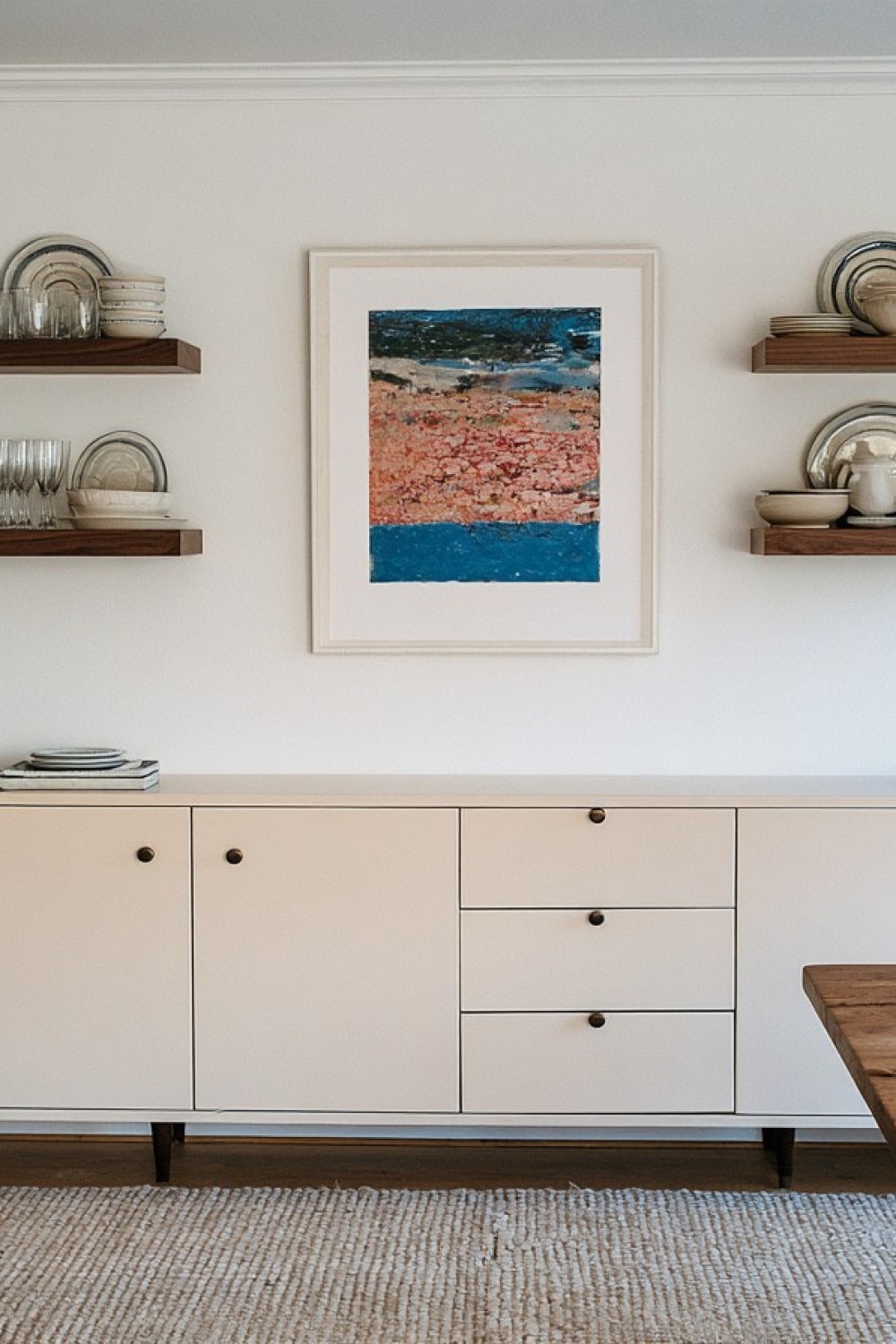
A sideboard or shallow cabinet keeps tableware near the dining area while protecting it from dust. Arrange everyday linens and serving tools in drawers, store heavier plates on lower shelves, and place occasional glassware higher. Adjustable interior shelves make it easier to accommodate serving bowls and unusually shaped pieces.
Use shelf liners or dividers to prevent stacked dishes from sliding, and avoid creating piles too tall to lift safely. Glass doors can display selected pieces, but fully open shelving requires more frequent cleaning. Leave adequate clearance behind dining chairs so cabinet doors and drawers can be opened during a meal.
9. Organize Laundry Supplies Above and Beside the Machines
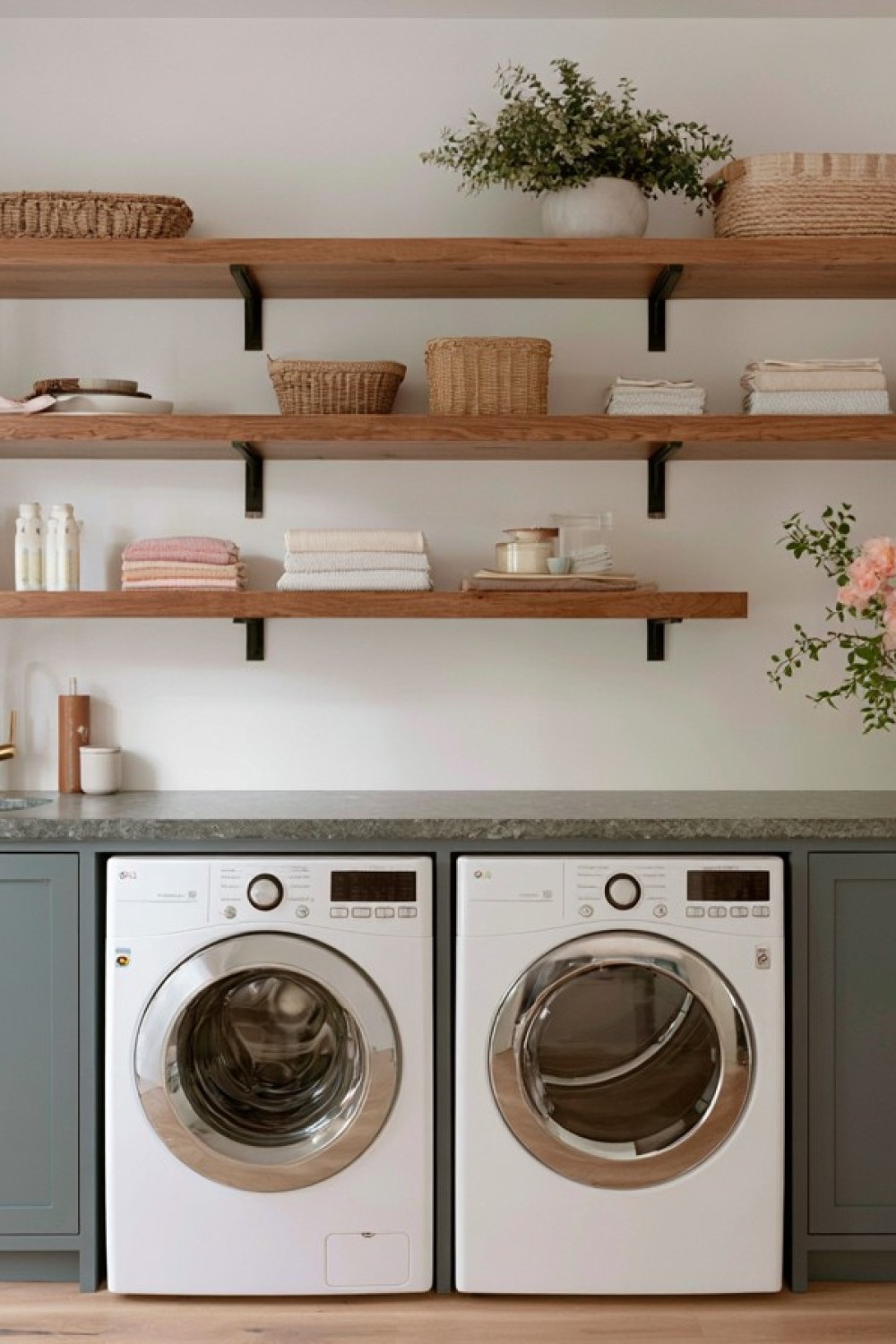
Wall space above a washer or dryer can hold detergents, cleaning cloths, and laundry baskets when floor space is limited. Frequently used products should remain reachable without leaning across operating appliances. A shallow shelf or closed cabinet prevents containers from projecting too far into the working area.
Keep cleaning products in their original labeled containers and store them securely away from children and pets. Shelving must not block appliance ventilation, water connections, electrical outlets, or shutoff valves. Follow the appliance manufacturer’s required clearances and avoid storing items that could fall onto a moving machine.
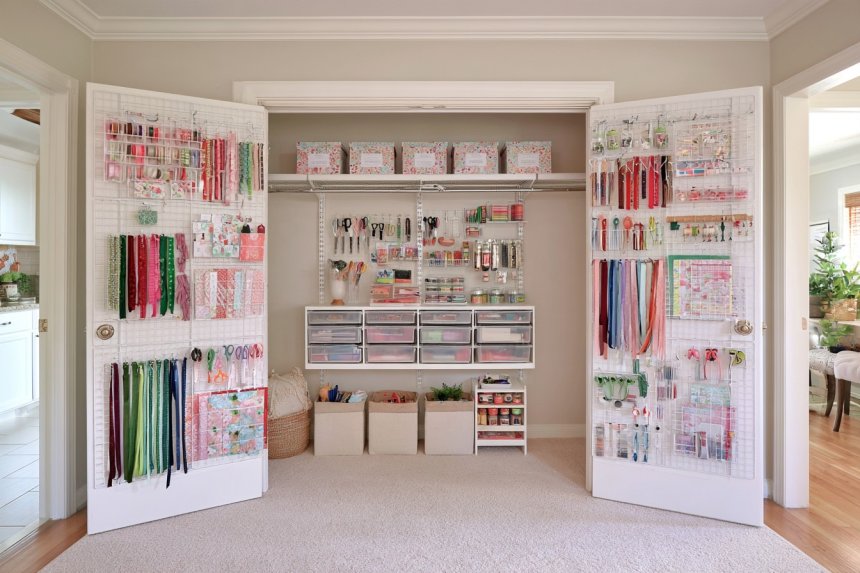
10. Use Above-Door Shelves for Light, Infrequent Items
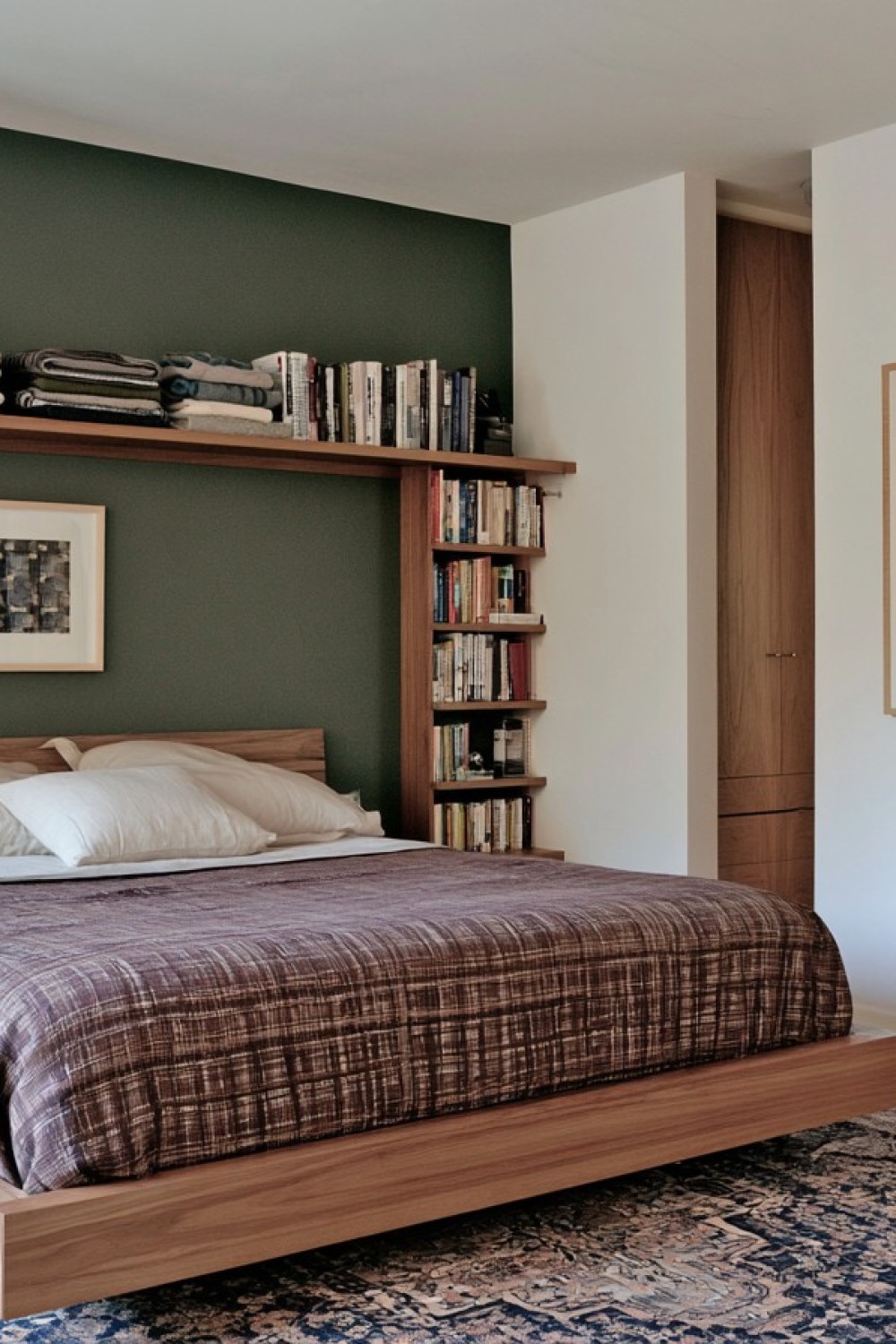
The wall above a door can hold lightweight seasonal objects or rarely accessed supplies. Matching boxes keep small belongings contained and reduce visual clutter. Because this location requires a step stool to reach, it is unsuitable for daily necessities or anything heavy, fragile, or needed during an emergency.
The shelf must not interfere with the door, frame, alarm, sprinkler, vent, or ceiling fixture. Secure it into appropriate structural support and use a raised front edge when containers might slide. Never climb on nearby furniture to retrieve items; store a suitable step stool in an accessible location.
11. Turn Wooden Crates into Adaptable Guest-Room Storage
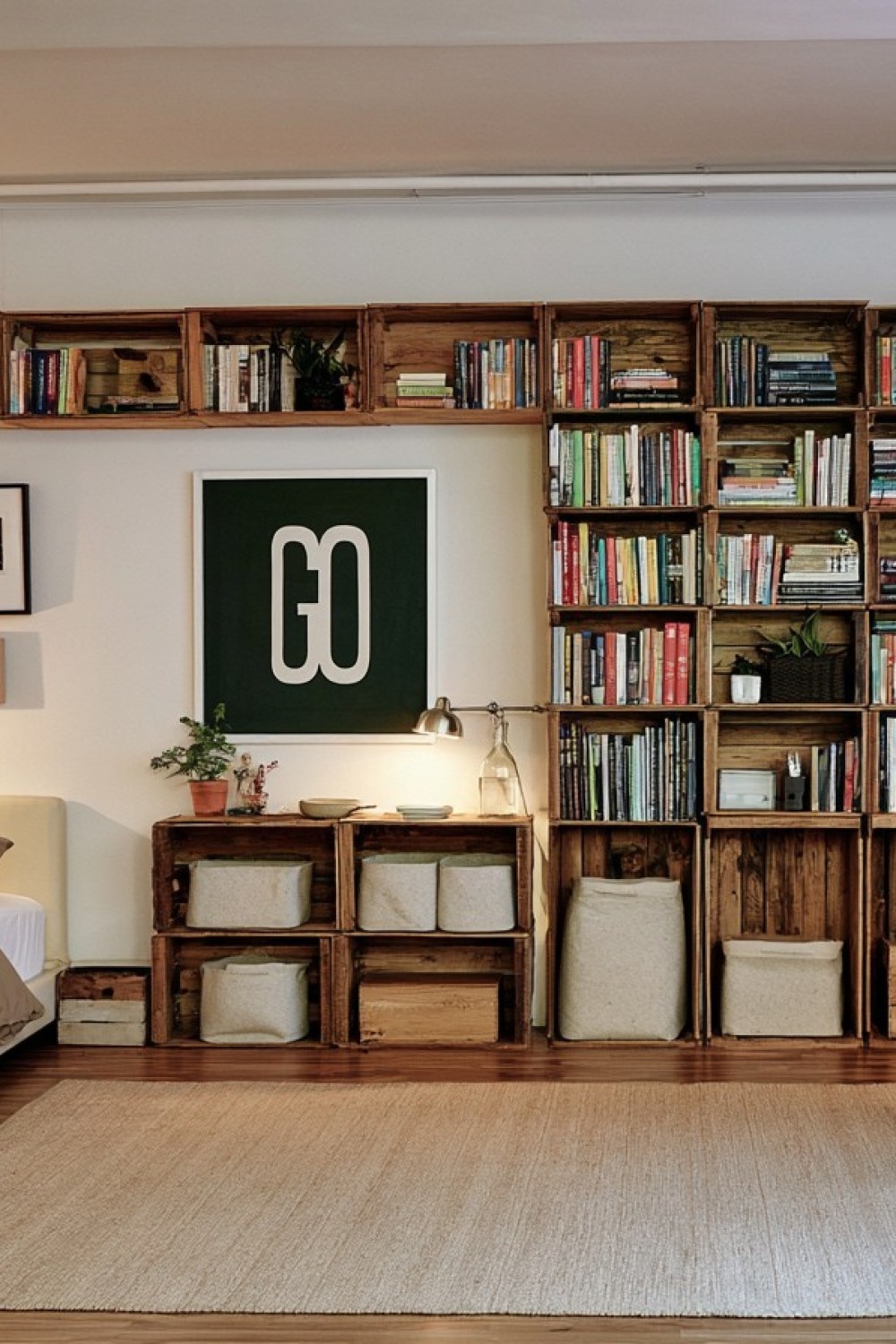
Clean wooden crates can form low storage for guest towels, books, spare bedding, or hobby supplies when the room serves several purposes. Arrange them horizontally to create stable compartments and combine open sections with fitted baskets. Sanded and finished crates can also act as a low bedside surface.
Use only sound crates with a known history and avoid timber that is stained, contaminated, or damaged. Connect the units securely rather than balancing them in a loose stack. Tall arrangements require wall anchoring, while heavier belongings should stay at the bottom. Leave guests an empty section so the room does not feel like overflow storage.
Organize Belongings Around Frequency and Access
A useful storage system places everyday objects within comfortable reach, occasional belongings above or below them, and heavy items close to the floor. Closed storage can contain visual clutter, while open shelves should be reserved for objects that are frequently used or intentionally displayed. Periodic editing is essential because no system can compensate indefinitely for unnecessary accumulation.
Installation quality is as important as organization. Shelf material, span, expected weight, wall construction, brackets, and fixings must work together. When loads are substantial or the wall structure is uncertain, professional installation is the safer choice. Properly planned storage should make a room easier to use without creating new obstructions or hazards.
MORE IDEAS


Share
What's Your Reaction?
 Like
0
Like
0
 Dislike
0
Dislike
0
 Love
0
Love
0
 Funny
0
Funny
0
 Angry
0
Angry
0
 Sad
0
Sad
0
 Wow
0
Wow
0